The Tool Desk
Outbyte Driver Updater FREEFix the driver behind crashes, sound loss and screen glitchesFind Drivers →Outbyte PC Repair FREERepair Windows errors before they cause bigger problemsFix Now →The best way to keep cut flowers fresh is a care system, not one magic additive. Clean the vase, recut the stems, remove submerged leaves, use commercial flower food at the label dilution, and keep the arrangement cool. Refresh the solution every two to three days—or immediately when it turns cloudy or smells unpleasant.
The short answer
The most reliable way to keep cut flowers fresh is not a single household additive. It is a repeatable care routine: start with a clean vase, use fresh water and commercial flower food, remove leaves below the waterline, recut the stems with a sharp clean tool, and keep the arrangement cool and away from sun, heat, drafts, and ripening fruit.

As an Amazon Associate I earn from qualifying purchases.
Check the water every day. If it becomes cloudy or smells unpleasant, clean the vase, recut the stems, and replace the solution immediately. Otherwise, refresh the water and recut the stems about every two to three days. With good starting material and suitable care, healthy cut flowers may last approximately 10 to 14 days, but that is not a guarantee for every grocery-store bouquet or flower variety.
Do these 3 things before closing this tab:
1Clear out junk files and repair common Windows errors2Fix the driver behind crashes, sound loss and screen glitches3Repair Windows errors before they cause bigger problemsQuick protocol
- Choose flowers with firm stems, healthy foliage, no mold, and blooms that are just beginning to open.
- Wash the vase with hot, soapy water and remove all debris.
- Use a sharp, clean knife, floral snips, or pruning shears to remove roughly 1/2 to 1 inch from each stem.
- Strip away every leaf that would sit below the waterline.
- Add commercial cut-flower food according to its label. Do not guess at the dilution.
- Place the bouquet in a cool, bright location away from direct sunlight, vents, drafts, and ripening fruit.
- Check the water daily and refresh the arrangement every two to three days, or sooner if the water turns cloudy.
What “tested by The Spruce” does—and does not—establish
The title suggests that The Spruce tested different ways to extend flower life. However, the accessible research record for the titled article does not provide a complete, verifiable account of its test protocol, including the flower varieties, number of bouquets, additive concentrations, controls, observation period, or final winner. A separate indexed result describes a rose experiment involving flower food, a penny, bleach, and soda, but that should not be treated as a definitive transcript of the titled article.
#1 Best Overall

- FLOWER FOOD: Just like us, fresh-cut flowers need to eat!! Feed them the right nourishment and they stay fresh, vibrant, and looking fabulous.
- EXPRESS: Our multi-nutrient premium and revolutionary product allows fresh-cut flowers to be fed and fully hydrated, with or without cutting the stems. It suits all flower and foliage types, and contains 97% naturally derived ingredients make it an excellent flower care option for your favorite plants.
- DEPENDABLE PACKAGING: Ensure your flower care products stay fresh and protected with durable, moisture-resistant packaging that maintains quality from shipping to storage. Trusted by floral professionals, FloraLife delivers consistent results for fresh flower care.
- GLOBALLY POSITIONED: We provide full post-harvest solutions to the entire floral industry. Our extensive range of flower care products is specifically formulated to feed, hydrate, nourish, and protect fresh-cut flowers at every stage of their journey.
- INSPIRED BY FLOWERS: FloraLife is dedicated exclusively to the care and handling of fresh-cut flowers from plant to vase. As pioneers, we share our knowledge and expertise with those who share our passion for bunches, bouquets, and arrangements
That distinction matters. A household test can show what happened to one bouquet under one set of conditions. It cannot prove that the same additive will work for roses, tulips, carnations, lilies, hydrangeas, or mixed bouquets. The best-supported general recommendation is therefore the care system above, with commercial flower food as the default additive—not a claim that one viral hack wins for every flower.
Why the routine works
Flowers continue to lose water after they are cut, while bacteria and other microorganisms can multiply in the vase solution. The controllable factors are sanitation, hydration, nutrition, and temperature.
- Sanitation: A clean vase and fresh solution reduce contamination.
- Hydration: A fresh cut exposes usable stem tissue so the flower can draw up water more effectively.
- Nutrition: Cut-flower food supplies carbohydrates and typically adjusts acidity while helping control microbial growth.
- Temperature: A cool, stable location slows deterioration.
- Plant hygiene: Removing submerged leaves prevents decaying foliage from fouling the water.
Extension guidance from Iowa State, NC State, and other horticultural sources consistently emphasizes these fundamentals. It does not support treating a clever kitchen ingredient as a universal substitute for proper conditioning and maintenance.
Step-by-step: the best way to prepare a bouquet
1. Buy or accept the freshest flowers available
Look for firm stems, healthy leaves, and flowers that are free from mold, slimy tissue, bruising, and extensive browning. Blooms that are just beginning to open generally have more remaining display life than flowers that are already fully open or dropping petals.
Starting condition matters as much as aftercare. Flowers that have been warm, dehydrated, or stored for a long time may decline quickly even when the vase routine is correct.
2. Clean the vase thoroughly
Wash the vase with hot, soapy water, rinse it well, and remove old plant material or residue. A visibly attractive vase is not necessarily a clean vase; a film left from a previous arrangement can add microbial contamination to the new solution.
Rank #2
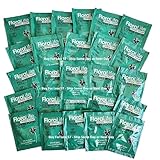
- Floralife Flower Food 300 5gm
- flower preservative
- each pkg makes 1 pint of solution
3. Recut every stem
Use a sharp, clean knife, floral snips, or pruning shears. Remove about 1/2 to 1 inch from the end of each stem. A diagonal cut can help keep the stem from resting flat against the bottom of the vase, although a clean cut and good water access matter more than achieving a particular angle.
A clean cutting tool is preferable to crushing the stem with a blunt household blade or scissors. If you arrange flowers regularly, floral snips or sharp pruning shears are a useful accessory, but they cannot compensate for dirty water or poor placement.
4. Remove submerged leaves
Strip off every leaf that would be below the waterline. Submerged foliage breaks down quickly and can promote bacterial growth, unpleasant odors, and cloudy water. Keep healthy leaves above the solution whenever possible.
5. Add commercial flower food at the stated dilution
Use the packet supplied with the bouquet or a commercial preservative intended for fresh-cut flowers. These products are formulated to combine several functions—usually carbohydrate, acidification, and antimicrobial protection—in a measured preparation.
Follow the label exactly. More preservative is not better: an overly concentrated solution can damage foliage or shorten vase life. For example, FloraLife gives a consumer dilution example of 10 milliliters per liter of water for one of its flower-food products; other products may use a different ratio. Chrysal likewise stresses accurate dosing for its universal flower-food sachets.
For a general shopping search, commercial flower food for cut flowers or fresh-cut flower-food packets are the most directly relevant purchase. A named brand is not required, and no particular brand should be presented as the product used in The Spruce’s test without confirmation of the original materials.
6. Position the arrangement carefully
Place the vase somewhere cool and bright, but not in direct sun. Keep it away from radiators, fireplaces, heating and cooling vents, strong drafts, and appliances that produce heat. Also keep cut flowers away from ripening fruit, which can release ethylene and accelerate aging in some flowers.
Rank #3
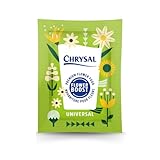
- More Life for your Fresh Flowers: Make your Flower Last Longer with Chrysal Clear cut flower food packets. These are the perfect solution to extend the vase life of your cut flowers. Chrysal flower food for fresh cut flowers is an essential item for any florist or flower enthusiast.
- Provides Optimal Nutrition for Your Flowers: Our cut flowers food formula contains essential nutrients and minerals that help nourish your fresh flowers bouquet, promoting bud and flower development and keeping leaves and stems firm and green. It is odorless, providing all the necessary ingredients for full development of buds and blooms.
- Suitable for Every Flower Variety: The Chrysal fresh cut flower food is able to nourish your cut flowers ensuring that they stay healthy and vibrant, no matter the type of flower, making it a versatile option for anyone working with cut flowers. Reduces the pH and stimulates water uptake and food consumption.
- Ideal Florist Supplies: Our flower food packets for fresh cut flowers provide a convenient and versatile way to extend the life of flowers fresh and it mixes easily and clearly in water. No need to change the water or to re-cut stems during the period in the vase.
- Extra Tip for Awesome Blooms: We recommend mixing the right combination of water (1/2 liter) and Flower Boost (5gr). Clean your vase to remove unwanted microorganism residues, and trim stems by 1 inch before placing them in the solution. Accurate dosing ensures maximum satisfaction
A normal household refrigerator is not automatically a better location. Refrigeration can slow deterioration in suitable conditions, but a refrigerator may contain ethylene-producing fruit, may be too cold for some flowers, and may expose the arrangement to unsuitable humidity or temperature swings.
7. Maintain the water before it looks bad
Check the water level daily. Top-up practices depend on the product label and the condition of the solution, but a cloudy or foul-smelling solution should not simply be topped up. Empty it, wash the vase, recut the stems, and prepare a fresh solution.
Recommended Free Tools
When the water remains clear, a refresh every two to three days is a useful general rule. Remove wilted blooms and dying leaves as you go so decomposing plant material does not contaminate the rest of the arrangement.
Do aspirin, pennies, soda, bleach, vinegar, or vodka work?
Most popular hacks attempt to solve only one part of the problem. Sugar may provide carbohydrates; an acid such as vinegar or lemon juice may alter pH; bleach may inhibit some microorganisms; and vodka is sometimes promoted for ethylene-related effects. None of these ingredients, used casually, reliably reproduces a tested commercial preservative.
| Hack | Practical verdict | Why caution is warranted |
|---|---|---|
| Aspirin | Do not rely on it as flower food. | Iowa State Extension specifically advises against aspirin and other homemade additives as substitutes for floral preservative. |
| Penny or copper | Not dependable. | Older pennies contained more copper, but modern U.S. pennies are primarily zinc with a copper coating. A coin is not a measured antimicrobial treatment. |
| Bleach | Do not casually measure it into a vase. | Small quantities may inhibit microbes in some formulations, but too much can injure plant tissue. A validated product recipe is safer than guesswork. |
| Sugar or lemon-lime soda | Not a complete preservative. | Sugar can feed microbes when sanitation and antimicrobial control are inadequate. Soda also creates an uncertain concentration and does not replace proper conditioning. |
| Vinegar or lemon juice | Not a universal solution. | Acidity alone does not provide the full combination of nutrition, hydration support, and microbial control required by a commercial formulation. |
| Vodka | Evidence and dosing are inconsistent for ordinary home use. | It does not make dirty water clean or replace flower food, recutting, and temperature control. |
| Refrigerator | Sometimes cooler, but not automatically better. | Fruit, excessive cold, unsuitable humidity, and temperature fluctuations can create new problems. |
The most conservative conclusion from the extension guidance is straightforward: use commercial floral preservative and avoid improvised recipes, particularly combinations involving bleach or other ingredients that are easy to overdose.
How long should cut flowers last?
NC State Extension gives approximately 10–14 days as a possible vase life for healthy flowers receiving appropriate care. Treat that as a general estimate, not a promise. Species and cultivar, harvest stage, time since cutting, transport conditions, temperature, stem damage, and the cleanliness of the water all change the result.
What’s actually slowing this PC down?
Pick the symptom - the matching free tool is one click away.
Some flowers are naturally short-lived, while others hold longer. A mixed bouquet also contains flowers with different ideal conditions and aging rates. If a bouquet declines earlier than expected, that does not necessarily mean one step was performed incorrectly; it may have started with flowers that were already dehydrated or near the end of their useful life.
Troubleshooting a wilting or cloudy arrangement
The water is cloudy or smells bad
Remove the flowers, discard the solution, wash the vase, rinse it, and prepare fresh flower food at the correct dilution. Recut the stems with a clean tool and remove any slimy stems, wilted flowers, or submerged leaves. Do not attempt to rescue the arrangement by adding more preservative to contaminated water.
The flowers wilt soon after arranging
Check whether the stems were recut, whether leaves are submerged, and whether the vase is near sun, heat, a vent, or a draft. Recut the stems and place the bouquet in a cooler location. If the flowers were already warm or dehydrated at purchase, their remaining vase life may be limited.
The leaves are browning or damaged
Inspect the solution concentration and confirm that the product was diluted according to its label. Overly concentrated preservative can damage foliage. Also check for direct sun, heat, and contact with a cold or hot window.
Quick wins for a faster PC:
Fix the driver behind crashes, sound loss and screen glitchesFind Drivers →Repair Windows errors before they cause bigger problemsFix Now →Only a few stems are failing
Remove the failing stems and any decaying leaves. One damaged or decomposing stem can reduce the quality of the surrounding solution. Recut the remaining stems if the water has been contaminated.
Independent reader supportYour contribution helps us test, update, and keep practical guides available for everyone.What to buy—and what not to overbuy
If you are buying one item specifically to extend the life of a bouquet, choose commercial cut-flower food. It directly addresses the task and is more defensible than buying a collection of household additives.
Best Value

- Chrysal Recyclable Paper Floral Food: Provide a convenient and versatile way to extend the life of flowers fresh. Chrysal’s cut flower food packets are made of TCF pulp and have a water-based coating. This means the sachet can be thrown away in the recycling bin. Flowers and buds open more beautifully. Allows a vase life guarantee of over 7 days
- Suitable For Every Flower Variety: Our flower food packets for fresh cut flowers are ideal for every flower variety and ensure your customers can enjoy the flowers longer. Our flower food for fresh cut flowers is made with healthy ingredients, making them a safe, natural choice for your flowers
- The Solution for Flower Bouquets: Our Premium Flower Food packets supply the flower bouquet with all the necessary nutrients for full development. Our fresh cut flower food keeps leaves evergreen and prevents “bent-neck”. It also helps to bring out the lovely fragrance of the flowers, making them even more pleasant to smell
- Optimal Nutrition for Your Cut Flowers: Our cut flower preservative contains the perfect balance of essential nutrients for your flowers, ensuring that the flowers have the right nutrition to stay fresh for longer. Enhances performance with to bud opening, colors, and size of blooms
- Easy to use: Flower Boost simplifies flower care for home gardeners. Just open, mix in water—it's odorless and promotes full bud and flower development. Clean your vase to remove unwanted microorganism residues, and trim stems by 1 inch before placing them in the solution. Accurate dosing ensures maximum satisfaction
A sharp, clean cutting tool is a worthwhile secondary purchase. floral snips or sharp pruning shears make it easier to recut stems without crushing them, but an expensive tool is not essential if you already have a suitable sharp tool that can be cleaned properly.
Examples of commercial products include consumer flower food from FloraLife and universal flower-food sachets from Chrysal. Availability and dilution instructions vary by product and region, so check the package rather than applying one brand’s directions to another product.
Free tools Windows power users keep installed
One-click scans. No signup required.
Bottom line
The best way to keep flowers fresh is consistent maintenance, not a clever additive: clean the vase, recut the stems, remove submerged leaves, use correctly diluted commercial flower food, keep the bouquet cool and away from fruit, and replace the solution as soon as it becomes cloudy or every two to three days when it remains clear.
The Spruce-style hack tests can be interesting observations, but they should not be generalized beyond their specific flowers and conditions. For a dependable default across ordinary bouquets, sanitation and regular water care matter more than aspirin, pennies, soda, vinegar, vodka, or an improvised bleach mixture.
Frequently Asked Questions
What is the best way to keep cut flowers fresh?
Use a clean vase, fresh water, correctly diluted commercial flower food, freshly recut stems, and no leaves below the waterline. Keep the arrangement cool and away from direct sun, heat, drafts, and ripening fruit. Change the solution every two to three days or immediately if it becomes cloudy or smells bad.
How long should cut flowers last in a vase?
Approximately 10 to 14 days is possible for healthy flowers with suitable care, according to NC State Extension, but vase life varies by species, freshness, harvest stage, temperature, and prior handling. It is not a guarantee for every bouquet.
Does putting a penny in flower water work?
No. A penny is not a dependable antimicrobial treatment, especially because modern U.S. pennies are primarily zinc with a copper coating. Commercial flower food is the more reliable choice.
Should I put bleach in the water for cut flowers?
Do not casually add bleach. Small amounts may inhibit microbes in some formulations, but an incorrect concentration can injure plant tissue. Use a commercial preservative according to its label instead.
The Bottom Line
Best default: clean vase + fresh cut stems + no submerged leaves + correctly diluted commercial flower food + a cool location + daily water checks and two- to three-day refreshes.
Quick Recap
Product prices and availability are accurate as of the date/time indicated and are subject to change. Any price and availability information displayed on Amazon at the time of purchase will apply.

