Some links on this page are affiliate links: if you buy through them we may earn a commission, at no extra cost to you.
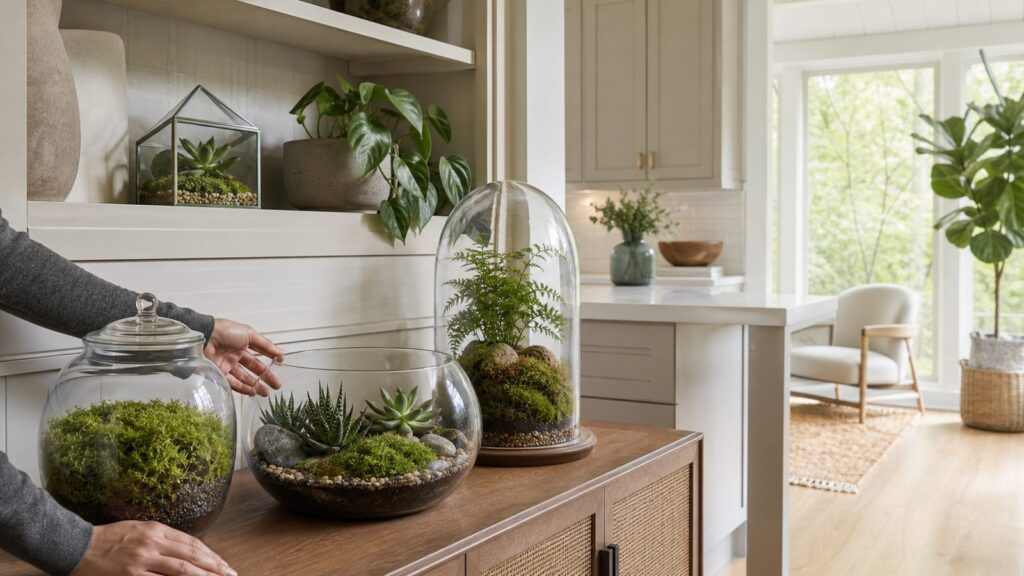
A terrarium is a small garden built inside glass, but the best ones are not just pretty containers with plants tucked inside. They are tiny built environments. They need drainage space, the right soil, compatible plants, safe glass, manageable lighting, and enough access that you can clean, prune, and water without tearing the whole thing apart.
For most homeowners, a tabletop terrarium is a simple weekend project with no permit involved. A reused jar can cost $15 to $45. A better tabletop build usually lands around $50 to $150. A larger kit or finished piece may run $75 to $300. Once you start adding cabinet lighting, custom glass, built-in shelving, waterproof trays, or electrical work, the budget can move from several hundred dollars into the low thousands.
On our job sites, we look at terrariums the same way we look at any small interior feature: where will moisture go, how will the glass be supported, how will the owner service it, and what happens if a light, hinge, tray, or seal fails? That builder’s view is what turns a nice idea into something that lasts.
Do these 3 things before closing this tab:
1Scan for outdated or missing drivers - takes under a minute2Repair Windows errors before they cause bigger problems3Fix the driver behind crashes, sound loss and screen glitchesAs an Amazon Associate I earn from qualifying purchases.
Terrarium Basics Before You Choose a Design
The first decision is closed versus open. Closed terrariums hold humidity and suit mosses, fittonia, small ferns, peperomia, selaginella, pilea, and miniature orchids. Open terrariums breathe more and suit succulents, cacti, haworthia, echeveria, jade, sedum, air plants, sand, and stone.
Do not mix those plant groups casually. Succulents in sealed glass usually fail because the air is too humid and the soil stays wet. Ferns and mosses in a dry, open bowl usually crisp at the edges unless the room is naturally humid and the light is gentle.
Build the layers like a drainage assembly. Start with 1/2 inch of gravel, LECA, lava rock, or small stone for a mini vessel, and increase to 1 1/2 to 2 inches for larger tabletop containers. Add a thin layer of activated charcoal if you want odor control and water freshness insurance. Then install a separator layer, such as sphagnum moss or fine mesh, so soil does not sift into the drainage zone. Add the right substrate, set the plants, then finish with moss, sand, stone, bark, or other topdress.
PC Slower Than It Used to Be?
A free scan shows the junk files, broken settings and background clutter dragging Windows down - then fixes them in one click.Free scan · Windows 10 & 11Crashes, No Sound, or Screen Glitches?
Random freezes, missing sound and display glitches usually trace back to one bad driver. Find and replace yours safely.Free scan · under a minuteBefore planting, dry-fit the whole layout. Set hardscape, drainage, and nursery pots inside the vessel first. Check sightlines from the front, maintenance reach from the opening, and plant spacing. Leave 1 to 2 inches between mature foliage and the glass when you can. That gap reduces rot, improves air movement, and makes cleaning possible.
Popular on Amazon

- CREATE - Make your own unique terrariums from glass or containers you already have at home. This quick start kit includes a guide to help you get started and the materials needed to make healthy environments for small plants that you add yourself. Just add your own container and plants.
- VALUE - The Large Terrarium Kit includes a 4.5’’x 2.25’’ container of Moss (Reindeer Moss, Forest Moss & Lichen), 4.5’’x 5.75’’ Potting Soil Blended with Activated Charcoal, 4.5”x 2.25” Gardening Vermiculite, 4.5”x 1.75” Pea Pebbles & River Stones, 1 oz fl Plant Food, Bamboo Tongs, Natural Hair Brush, (3) Miniature Dinos, Succulent Care Guide, Build & Care Guide, and Cute Farms Sticker. Save when compared to buying individual materials.
- PREMIUM INGREDIENTS - The included Moss mix is preserved, and it will keep looking fresh without any maintenance for a long time. The beautiful bright moss colors are the perfect finishing touch to any terrarium. The Blended Potting Soil increases drainage abilities while allowing airflow, and it's a perfect mix of nutrients. Charcoal is added for its natural ability to retain nutrients. Our Fine Grade Horticultural Vermiculite soil amendment provides the right amount of water drainage.
- UNIQUE GIFT IDEA - Do you know someone who loves plants? Our Large Terrarium Kit is a perfect idea for all nature lovers. Perfect for kids, adults, family projects, team events, or as a gift idea. Whether you’re looking for a housewarming gift or just want to bring extra greenery into your home, a terrarium is an ideal present.
- USA MADE - Our terrarium kits are made and packed in the USA to ensure quality. If you don’t absolutely love our Terrarium Starter Kit we’ll refund your entire purchase amount within 30 days. Please contact us with any questions or concerns.
Quick Plant Compatibility Guide
| Terrarium Type | Best Plants | Light | Watering Pattern | Avoid |
|---|---|---|---|---|
| Closed tropical | Fittonia, moss, small ferns, peperomia, pilea, selaginella | Bright indirect | Lightly as needed; damp, not wet | Cacti, most succulents, direct sun |
| Open dry | Haworthia, echeveria, jade, sedum, cactus | Bright indirect to strong filtered light | Every 2 to 4 weeks, often less in winter | Sealed lids, constantly damp soil |
| Low-light accent | Peperomia, small ferns, moss, pilea | Low to medium indirect | Small measured amounts | Deep shade with no supplemental light |
| Pet-cautious display | Air plants, some peperomia, selected mosses | Bright indirect | Misting or soaking depending on plant | Easy pet access and toxic plant choices |
| Beginner build | Fittonia in closed glass or haworthia in open glass | Bright indirect | Measured, infrequent watering | Rare collector plants as a first attempt |
31 Terrarium Ideas With Build Specs
1. Classic Closed Moss Jar
Use a 1-quart to 1-gallon lidded jar with 1/2 to 1 inch of drainage, sphagnum separator, terrarium soil, sheet moss, cushion moss, and one small fittonia. Keep it in bright indirect light. Water with a spoon or pipette only when the substrate looks dry. Difficulty: easy. Estimated cost: $15 to $45 with a reused jar.
2. Apothecary Fern Terrarium
A tall apothecary jar, 10 to 16 inches high, gives small ferns enough headroom. Use button fern, maidenhair fern only if you can manage moisture carefully, peperomia, and moss. Light should be bright but never direct. Water every few weeks in very small amounts. Difficulty: moderate. Estimated cost: $60 to $150.
3. Fittonia Color Bowl
Fittonia brings red, pink, white, and green veining without needing flowers. Use a wide glass bowl with a loose-fitting lid or cloche and plant 3 to 5 small plugs. Keep 1 inch of clearance from the glass. Difficulty: easy. Estimated cost: $40 to $100.
What’s actually slowing this PC down?
Pick the symptom - the matching free tool is one click away.
4. Mini Orchid Under Glass
Use a ventilated cloche or tall cylinder for a miniature orchid, bark, moss, and a small branch. The container should be at least 12 inches tall so leaves and flowers do not press against glass. Bright indirect light is best. Difficulty: advanced. Estimated cost: $80 to $220, depending on the orchid.
5. Selaginella Forest Floor
Selaginella creates a dense, prehistoric-looking green carpet in closed glass. Use a shallow lidded container, fine terrarium substrate, driftwood, and 2 to 3 small stones. Keep it damp but not flooded. Difficulty: moderate. Estimated cost: $45 to $120.
6. Open Succulent Desert Bowl
Choose an open glass bowl at least 8 to 12 inches wide. Use 1 inch of drainage, cactus mix, decorative sand, lava rock, haworthia, echeveria, and sedum. Place in bright indirect light or a very bright room. Water lightly every 2 to 4 weeks. Difficulty: easy. Estimated cost: $50 to $130.
7. Cactus Specimen Dish
A low, open dish works for 3 to 5 small cacti with gritty soil and stone topdress. Wear gloves and use tongs. Do not use a lid. Give the plants strong filtered light, not a hot south window where glass can overheat. Difficulty: moderate. Estimated cost: $45 to $140.
8. Haworthia Office Terrarium
Haworthia tolerates indoor conditions better than many showy succulents. Use an open 6- to 8-inch vessel, gritty soil, and one strong focal plant. Add a small LED grow light if the office lacks a bright window. Difficulty: easy. Estimated cost: $35 to $100.
9. Air Plant glass globe
Use a hanging or tabletop glass globe with no soil. Add sand, shell, stone, or bark, then set tillandsia where air can circulate. Remove the plant for soaking as needed, usually every 1 to 2 weeks depending on indoor humidity. Difficulty: easy. Estimated cost: $25 to $75.
10. Hanging Kitchen Window Globes
Install two or three 4- to 6-inch glass globes in a bright kitchen window, using ceiling hooks or a mounted rail rated for the actual load. Keep each globe light, usually under 2 pounds planted. Air plants are the safest choice. Difficulty: moderate. Estimated cost: $60 to $180 for a small grouping.
11. Geometric Brass-and-Glass Display
A hinged geometric case gives a clean architectural look on a console or shelf. Use it open or vented for succulents, or lightly closed for tropical plants if the seams are tight. Check for leaks before adding water. Difficulty: moderate. Estimated cost: $50 to $180.
12. Repurposed Mason Jar Trio
Use three pint or quart jars: one moss, one fittonia, one peperomia. This is a good beginner project because each jar can be adjusted separately. Use 1/2 inch drainage in pint jars and do not overplant. Difficulty: easy. Estimated cost: $25 to $75.
13. Coffee Table Cloche Garden
Place a glass cloche over a shallow planted tray rather than planting directly in a fragile dome. This makes watering and pruning easier. Use moss, pilea, peperomia, and small ferns. Lift the cloche for ventilation if condensation is heavy for more than a day. Difficulty: moderate. Estimated cost: $75 to $200.
14. Bookshelf Terrarium Cube
A 6- to 10-inch glass cube fits well on built-in shelving. Use closed tropical planting if the shelf is away from direct sun. Confirm the shelf can handle the filled weight; wet substrate, stone, and glass are heavier than they look. Difficulty: easy to moderate. Estimated cost: $50 to $150.
15. Bathroom Humidity Terrarium
A bathroom shelf can support a closed moss or fern terrarium if the room has ventilation and indirect light. Avoid placing glass where it can be knocked into a tub, tile floor, or sink. Use compact plants and a lidded jar. Difficulty: easy. Estimated cost: $35 to $120.
Recommended Free Tools
16. Entry Console Statement Vessel
Use a 14- to 20-inch wide glass bowl or cylinder as a focal point near the front door. Select low-maintenance plants because entry areas often have variable temperatures. Peperomia, fittonia, and moss work for closed designs; haworthia works for open designs. Difficulty: moderate. Estimated cost: $90 to $250.
17. Stair Landing Glass Garden
A stair landing can hold a terrarium on a narrow console, but keep the vessel outside the walking path. Use tempered glass if the piece is large or exposed to bumps. Choose a stable container with a wide base. Difficulty: moderate. Estimated cost: $100 to $300.
18. Kids’ Observation Terrarium
Use a clear plastic or sturdy small glass jar with a wide mouth, moss, fittonia, and simple stone layers. Keep the budget under $40 and skip fragile specialty plants. Adult supervision matters because glass, soil, and small stones are involved. Difficulty: easy. Estimated cost: $15 to $40.
19. Carnivorous Bog Terrarium
Use an open or vented vessel for sundews or small pitcher plants, with the correct nutrient-poor medium and distilled water. This is not a standard potting-soil project. Keep it bright and wet, but do not seal it like a moss jar unless the plant species supports that environment. Difficulty: advanced. Estimated cost: $70 to $180.
20. Miniature Landscape Terrarium
Create a slope with substrate, stone, and moss so the scene has foreground and background. Use a 10- to 14-inch vessel with a wide opening. Keep hardscape stable before planting. Difficulty: moderate. Estimated cost: $60 to $160.
Also popular on Amazon

- NO EXPERIENCE NEEDED | Build your own terrarium using a jar or container you already have. Designed for containers up to 68 fl oz, with clear instructions that make the process simple from start to finish.
- SELF SUSTAINING CLOSED ECOSYSTEM | Add the plants you choose and close your container. Once established, the terrarium creates its own water cycle through condensation and needs barely any watering.
- ESSENTIAL TERRARIUM SUPPLIES | Coconut soil, decorative stones, sphagnum moss, activated charcoal, tweezers, spoon and illustrated guide, ideal for a 34 fl oz jar. In containers up to 68 fl oz, the layers will be thinner.
- DESIGNED FOR ADULTS AND PLANT LOVERS | A calm DIY project that lets you turn your own jar, bowl or glass container into a miniature ecosystem. Works beautifully with Fittonia, mini ferns, Tillandsia air plants, moss or small succulents.
- A THOUGHTFUL GIFT THEY WILL ACTUALLY USE | A creative terrarium starter kit for birthdays, housewarmings or holidays. Everything needed to build something living and personal using a container they already have.
21. Driftwood and Moss Cylinder
A tall cylinder highlights a single branch with moss at the base and small epiphyte-style plants. Make sure the wood is clean and stable. Closed vessels need humidity-tolerant plant choices. Difficulty: moderate. Estimated cost: $50 to $140.
22. Terrarium Dining Centerpiece
Use a long, low, open glass trough, 18 to 30 inches long, with succulents or air plants. Keep the height below 10 inches so people can see across the table. Remove it during large meals if heat, candles, or spills are likely. Difficulty: easy. Estimated cost: $80 to $220.
23. Wall-Mounted Glass Pods
Wall pods work best with air plants or very small open plantings because drainage and watering are limited. Use proper wall anchors for the wall type, and assume the filled pod weighs more than the empty package suggests. Difficulty: moderate. Estimated cost: $50 to $200 for a grouping.
24. Shadow Box Moss Frame
A shallow glass-front box can hold preserved moss for no-water decor, or a live moss system only if designed for moisture access. For live planting, use a removable tray and avoid sealing damp materials against drywall or unfinished wood. Difficulty: advanced. Estimated cost: $150 to $600.
25. Window Seat Terrarium Row
Line up 3 to 5 small vessels along a window seat, mixing closed tropical jars and open dry bowls only if each vessel has the correct plant group. Keep them out of harsh direct sun. Difficulty: easy. Estimated cost: $75 to $300.
26. Sunroom Glass Garden Collection
A sunroom offers strong light, but glass terrariums can overheat quickly. Use open succulent bowls in filtered light or closed tropical containers set back from the hottest glass. Monitor temperature for a full afternoon before committing. Difficulty: moderate. Estimated cost: $150 to $600 for a collection.
27. Built-In Bookcase Terrarium Bay
Dedicate one shelf bay to a removable glass vessel or tray. Add concealed LED lighting on a timer, but keep electrical components outside the humid enclosure unless rated for that use. Provide a drip pan and wipeable shelf surface. Difficulty: advanced. Estimated cost: $300 to $1,500.
The Tool Desk
Outbyte PC Repair FREEClear out junk files and repair common Windows errorsFree Scan →Outbyte Driver Updater FREEFix the driver behind crashes, sound loss and screen glitchesFind Drivers →28. glass cabinet Greenhouse
A converted glass cabinet can hold multiple tropical terrariums or humidity-loving plants. The best versions include LED lighting, ventilation slots or small fans, removable waterproof trays, and access from the front. Difficulty: advanced. Estimated cost: $400 to $2,500 depending on cabinet, lights, and labor.
29. Kitchen Herb Under Glass
Use caution with this idea. Most culinary herbs prefer airflow, drainage, and regular harvesting, so a sealed terrarium is the wrong approach. A vented glass cloche over small potted herbs can work short term for display. Difficulty: moderate. Estimated cost: $50 to $150.
30. Under-Stair Glass Niche
A built-in under-stair niche can become a dramatic indoor garden, but it needs access panels, ventilation, lighting, moisture protection, and glass that can be cleaned safely. This is millwork and electrical planning, not just a plant project. Difficulty: pro-level. Estimated cost: $1,000 to $5,000+.
Also popular on Amazon

- Terrarium Starter Kit With Essential Materials: This plant terrarium kit brings together the core materials, tools and step-by-step guide needed to start your terrarium project. Includes potting mix, pumice, zeolite, green moss, sphagnum moss, decorative stone, mesh and care tools. Designed for approximately 5–7 inch glass jars or containers, depending on container shape and layer thickness. Plants and glass container are not included. To complete your project, add an open glass container and suitable succulents or air plants; plants and container are sold separately.
- Beginner-friendly, Layer-by-layer Guide: New to terrariums? Follow the included step-by-step guide to arrange the substrate, mesh, potting mix, moss and decorative materials. Pumice and zeolite form the lower substrate layer, while mesh helps separate it from the potting mix above. Moss and decorative stone add natural texture and finishing details. The guide helps beginners build their terrarium layer by layer with less guesswork.
- Made Primarily For Open Terrariums: Designed primarily for open terrarium projects such as succulent, air plant and miniature garden displays. Choose plants with similar light and moisture needs and follow the included care guide for watering. Different plants may require different materials and care routines, so adjust your setup to match the plants you choose.
- A Creative Gift For Plant Lovers: Looking for a terrarium kit adults can enjoy as a creative activity? This DIY terrarium kit lets them arrange the layers, add moss and decorative details, and create a miniature landscape that reflects their personal style. More than a ready-made item, it offers a hands-on creative experience and makes a thoughtful gift for plant lovers, friends and family on birthdays, holidays or other special occasions.
- Quality Commitment: We ensure that our indoor terrarium kit for succulents undergoes strict quality control procedures to meet our quality requirements. Each kit is checked before packing to confirm the included materials, tools and guide. If for any reason, you are not fully satisfied with our product, please feel free to contact us, and our professional customer service staff will be delighted to provide you with a replacement or refund.
31. Commercial-Style Lobby Terrarium
For a large entry, office, or home foyer, use a custom glass case with tempered or laminated glass, removable trays, lockable access, low-voltage lighting, and a maintenance plan. Expect custom pricing. Difficulty: pro-level. Estimated cost: $2,000 to $10,000+ for large installations.
Quick wins for a faster PC:
Clear out junk files and repair common Windows errorsFree Scan →Scan for outdated or missing drivers - takes under a minuteDriver Scan →Repair Windows errors before they cause bigger problemsFix Now →2026 Terrarium Cost Guide
Cost depends less on the word terrarium and more on vessel size, plant rarity, glass quality, lighting, and whether the piece is freestanding or built into the home. A small jar build can be finished in under an hour. A cabinet or niche may require design time, carpentry, electrical coordination, and a maintenance access plan.
| Project Type | Typical 2026 Cost | Best For | Time Required |
|---|---|---|---|
| Reused jar mini terrarium | $15-$45 | Beginners, kids’ projects, small shelves | 30-60 minutes |
| DIY tabletop terrarium | $50-$150 | Coffee tables, desks, consoles | 1-2 hours |
| All-in-one kit | $25-$150+ | Simple purchasing, gifts, first builds | 45-90 minutes |
| Finished artisan terrarium | $50-$300 | Ready-made display pieces | No build time |
| Grow-light shelf upgrade | $100-$500+ before electrician labor | Dim rooms, offices, built-ins | 2-6 hours |
| Custom built-in display | Several hundred to several thousand dollars | Bookcases, niches, sunrooms, foyers | Several days or more |
For materials, plan on $5 to $25 per layer component: gravel, LECA, lava rock, sand, sphagnum moss, activated charcoal, or specialty soil. Small nursery plants often run $4 to $15 each. Rare miniature orchids, carnivorous plants, specialty begonias, and collector plants can cost $20 to $60 or more per plant. Basic tools such as long tweezers, a funnel, spoon, mister, brush, gloves, and pruning snips usually add $15 to $60 if you do not already own them.
Independent reader supportYour contribution helps us test, update, and keep practical guides available for everyone.Where Terrariums Work Best in a Home
The best location is bright indirect light with a stable temperature and enough room to service the vessel. Direct sun through glass is a common failure point because the container can heat up fast and scorch plants.
Kitchen windows are good for air plants and open vessels if the sun is filtered. Bathroom shelves work for closed tropical terrariums if the room has ventilation and the vessel is secure. Entry consoles are strong locations for statement pieces because they get seen daily, but avoid cold drafts and door swings. Home offices benefit from low-maintenance haworthia, fittonia, or moss jars with small LED grow lights. Built-in bookcases can look excellent, provided the shelf is protected from moisture and the glass can be removed for cleaning.
Free tools Windows power users keep installed
One-click scans. No signup required.
Sunrooms need the most caution. They look ideal, but afternoon heat can be hard on sealed glass. Before placing a closed terrarium in a sunroom, set a thermometer where the vessel will sit and check the temperature during the hottest part of the day for several days.
Glass, Lighting, and Safety Notes
Small tabletop vessels rarely need special review, but larger glass displays deserve the same practical thinking we apply to interior glass features. Glass can break, edges can cut, shelves can sag, and moisture can damage surrounding finishes.
For large or exposed installations, consider tempered or laminated glass. Safety glazing rules can apply in hazardous locations such as doors, sidelites, certain low glass panels, wet areas, and other impact-prone spots. Local code interpretation matters, so a custom built-in near stairs, bathrooms, doors, or public-facing spaces should be reviewed before fabrication.
Lighting needs equal care. Small LED grow lights are commonly $20 to $100, while cabinet lighting with timers and concealed wiring can run $100 to $500 or more before electrician labor. Keep plugs, drivers, switches, and non-rated electrical parts outside high-humidity enclosures. In damp or wet-adjacent areas, GFCI protection and code-compliant wiring are not optional details.
Also popular on Amazon

- NO EXPERIENCE NEEDED | Build your own closed terrarium in a 34 fl oz glass jar with everything included and clear step by step instructions, from your first build to your tenth.
- SELF SUSTAINING CLOSED ECOSYSTEM | Add the plant you choose and seal the jar. It then creates its own water cycle through condensation, so it needs barely any watering once established.
- EVERY MATERIAL INCLUDED | Glass jar with cork lid, coconut soil brick, decorative stones, sphagnum moss, activated charcoal, tweezers, spoon, rake, trowel and illustrated guide. Plants not included.
- DESIGNED FOR ADULTS AND PLANT LOVERS | A calm, hands on project for your desk, living room or office, one hour of building with your hands and then it grows on its own. Works beautifully with Fittonia, mini ferns, Tillandsia air plants, moss or small succulents.
- A THOUGHTFUL GIFT THEY WILL ACTUALLY USE | Arrives ready to gift for birthdays, housewarmings or holidays. A creative project that becomes a lasting piece of living decor, not another gadget in a drawer.
If you are importing plants, seeds, soil, or moss, agricultural rules may apply. For a normal homeowner project, the simpler path is to buy plants and growing media from reputable US nurseries and garden centers. Outdoor garden soil is a poor shortcut because it can introduce pests, pathogens, weed seeds, and drainage problems.
When to DIY vs When to Hire a Pro
DIY is the right call for jars, bowls, cloches, hanging air plant globes, and most tabletop displays. If the project sits on furniture, uses no hardwired lighting, and can be lifted to a sink for service, a careful homeowner can usually handle it.
Hire a pro when the terrarium becomes part of the house. That includes built-in glass niches, cabinet retrofits with concealed wiring, wall-mounted displays over finished surfaces, heavy glass cases, custom millwork, integrated grow lights, plumbing, waterproof pans, or commercial installations. The expense is not just labor. It buys planning for structure, moisture, electrical safety, access, and long-term repair.
A good built-in design should have a removable tray, hinged or sliding access, ventilation slots, a hidden drip pan, wipeable interior surfaces, and glass that can be cleaned from both sides. If a design cannot be maintained without dismantling finish carpentry, it is not finished design work yet.
Maintenance: How to Prevent Mold, Fogging, and Rot
Most terrariums fail from too much water, the wrong plant mix, or too much sun. Since most containers have no drain hole, extra water stays in the vessel. In a closed terrarium, use a spoon, pipette, or squeeze bottle. Aim for damp substrate, not standing water in the drainage layer.
Light condensation is normal in a closed terrarium. Heavy fog that never clears means the system is too wet or too sealed. Open the lid for a few hours, wipe the glass, and hold off on watering. If leaves touch wet glass, prune them back. Remove dead foliage quickly because decay spreads fast in humid glass.
For open succulent terrariums, water sparingly and let the soil dry. If the leaves soften, stretch, blacken at the base, or drop easily, check for poor light or wet soil. For air plants, remove them from the glass when soaking, let them dry fully, then return them to the display.
Quarantine new plants for 1 to 2 weeks before adding them to a finished terrarium, especially if you are using rare plants or a built-in display. Look under leaves for pests, rinse roots if appropriate, and avoid bringing outdoor soil into the vessel.
Also popular on Amazon

- Premium Terrarium Supplies, MADE IN THE USA, Our starter kits Have The Key Ingredients to get you going.
- Soil - Our bioactive soil is THE BEST. MADE IN USA. IT’s full of composted pine bark. This is the cadillac of plant food. Full of bioactive life. This helps soil and roots remain healthy. Imported Soils are STERILIZED. Perfect Succulent Soil.PH balanced.
- Our Kits come with Charcoal, U.S. Pea Gravel Gems, Activated Charcoal, And Preserved Moss. Expensive to buy alone!
- Great for adult terrariums, or snail terrariums. Our soils have no additives. Just full of hearty natural ingredients.
- USA MADE: TerraGreen Creations Is the Original Terrarium Kit company. We have sold Tens of thousands of kits since 2016! IF you Are Not Happy. Let us know and we will refund your order.
The Bottom Line
The best terrarium idea is the one that matches the room, the light, and the maintenance you will actually do. A closed moss jar can be a $25 success. An open succulent bowl can be a clean $100 centerpiece. A built-in glass garden can become a serious architectural feature, but only if it is designed with the same discipline as cabinetry, lighting, and wet-area details.
Start with plant compatibility, build the drainage layers correctly, keep the glass out of direct sun, and plan access before you plant. That is the difference between a terrarium that looks good for a week and one that becomes a durable part of the home.
Frequently Asked Questions
How much does it cost to make a terrarium in 2026?
A reused jar terrarium usually costs about $15 to $45. A from-scratch tabletop terrarium commonly costs $50 to $150. Larger kits, finished pieces, grow lights, and custom built-ins can range from $150 to several thousand dollars.
Do terrariums need drainage holes?
Most terrarium containers do not have drainage holes, so they need a drainage layer instead. Use at least 1/2 inch of gravel, LECA, or lava rock in small vessels and up to 1 1/2 to 2 inches in larger containers.
Windows Errors? Fix Them Before They Spread
Repair common Windows errors and clear accumulated junk for a smoother, more stable PC - no reinstall needed.Free scan · no reinstallOutdated Drivers Are Slowing You Down
One free scan finds every outdated or missing driver and matches the right update for your exact hardware.Free scan · exact hardware matchWhat plants are best for closed terrariums?
Closed terrariums work best with slow-growing, humidity-tolerant plants such as fittonia, mosses, small ferns, peperomia, selaginella, pilea, and some miniature orchids.
Can succulents grow in a closed terrarium?
Succulents generally should not be grown in sealed closed terrariums. They prefer airflow, drier soil, and open containers. Use haworthia, echeveria, jade, sedum, or cacti in open glass instead.
Do I need a permit for a built-in glass terrarium?
A small tabletop terrarium usually does not need a permit. Built-in glass displays with hardwired lighting, structural supports, cabinetry, plumbing, commercial use, or glass in hazardous locations may require code review or professional installation.
How do I stop mold or fogging in a terrarium?
Reduce watering, improve ventilation temporarily, remove dead leaves, and keep foliage from touching wet glass. In closed terrariums, water with a spoon, pipette, or squeeze bottle instead of pouring.
Recommended Free Tools
Quick Recap
Product prices and availability are accurate as of the date/time indicated and are subject to change. Any price and availability information displayed on Amazon at the time of purchase will apply.

