Should you close doors to unused rooms in winter? Usually, yes—but leave forced-air registers open and do not shut off heat entirely. The U.S. Department of Energy recommends keeping rooms at least 50°F to help prevent condensation and frozen pipes. Proper zoning and thermostat scheduling are safer than improvised vent closure.
The right approach depends on whether the home uses forced air, hydronic radiators, or designed HVAC zones. A closed door can reduce drafts or separate a room, but a closed register changes airflow through the heating system. Room temperature, humidity, plumbing location, and return-air paths determine whether the door should stay closed.
As an Amazon Associate I earn from qualifying purchases.
Key takeaways
- Closing an interior door to an unused room is usually reasonable, but closing a forced-air register at the same time can upset airflow and pressure balance.
- The U.S. Department of Energy recommends keeping every room at least 50°F in winter to help prevent condensation and frozen pipes.
- A closed room can develop moisture problems when it becomes much colder than the rest of the home; University of Minnesota Extension identifies indoor relative humidity above 50% as a potential moisture-problem level.
- Proper thermostat setbacks, HVAC zoning, duct sealing, air sealing, and heating-system maintenance are safer energy-saving strategies than improvised vent closure.
- An indoor thermometer-hygrometer can verify the actual temperature and humidity in a closed-off room, but the device cannot prevent freezing, mold, or inadequate ventilation.
Should you close doors to rooms you do not use in winter?
For most homes, you can close the interior door, but you should not automatically close the heating register or turn the heat off. In a forced-air home, leave the supply register open unless an HVAC professional confirms that the system can handle the change. Keep the room warm enough to avoid condensation and frozen pipes, particularly when plumbing is present.
Outdated Drivers Are Slowing You Down
One free scan finds every outdated or missing driver and matches the right update for your exact hardware.Free scan · exact hardware matchWindows Errors? Fix Them Before They Spread
Repair common Windows errors and clear accumulated junk for a smoother, more stable PC - no reinstall needed.Free scan · no reinstallThe answer depends on the heating system and on the room itself:
#1 Best Overall

- Thickened Silicone Material-Heat And Cold Resistant:Door Draft Stopper is made of pure silicone material, easy to bend and deform.Smooth surface, high resilience.Draft Stopper for Bottom of Door puts up with all the abuse, it has no "compression memory", wont't damage the floor, and is pliable enough that you can easily still open the door along the crooked floor and against daily wear
- Save Money and Energy -Warm In Winter and Cool in Summer:Door sweep for bottom of door can prevent the leakage of air conditioning and heating, make your room more efficient in cooling or heating, Effectively Prevents Airflow, Reduce Energy Consumption.Self-adhesive door draft blocker is very suitable to cover the gaps of exterior/interior doors, rv doors, shower room, baseboard, threshold, windows, garage, basement and furniture,high-density silicone Material attaches to door, can glides smoothly over carpet
- Hollow Arc Cavity Sound Insulation Design:Door sweep triple design is adopted,This draft stopper goes beyond just blocking cold air. It also helps muffle noise from outside the room, making it ideal for bedrooms, offices, or anywhere you need a quieter environment. Additionally, door bottom seal strip acts as a barrier against other unwanted visitors crawling under the door.Multi-Purpose & Pet-Friendly
- Wide Waterproof Backing Adhesive-Strong Adhesion:Upgrade under door gap filler widened backing adhesive 1.5 inches and 1mm groove, When encountering resistance and ground friction, the adhesive will not be lifted up, This sticks well, doesn't make a dragging noise when door is opened/closed,Just in case you can use tape or thumbtacks as a protective layer
- Installs In Under 1 Minute-Adjustable:Under Door draft stopper Size: 1.96"W x 39" L,seal the gap of 0 to 1.5inch,Measure Twice, Cut Once:,it's important to measure carefully, A little extra measuring can prevent wasted material.(Note:1.In cold weather, we recommend to heat the adhesive for 2 minutes by Hair Dryer before installation. 2.The weather stripping door seal not work well if the wall surface is rough or with texture. 3. Please press several times and leave it for 24 hours
| Situation | Recommended approach | Main reason |
|---|---|---|
| Forced-air furnace or central heat pump | Close the door if useful, but generally leave the supply register open | Closing registers can reduce airflow and create pressure imbalance |
| Hydronic radiator system | Use the radiator valve or installed zone control according to the system design | Hydronic systems can be configured for room-by-room or zone heating |
| Properly designed multi-zone HVAC | Use the thermostats, dampers, valves, or controls provided for the zones | Designed controls provide more predictable balancing than closing a register |
| Room with exterior-wall plumbing or vulnerable materials | Keep the room heated and check its actual temperature | Cold surfaces and pipes have greater condensation and freezing risk |
| Room with condensation, mildew, or musty odors | Restore heat and ventilation, then find and correct the moisture source | Closing the door does not create mold by itself; cold, damp conditions do |
Why is closing a door different from closing a heating register?
Closing a door separates rooms, while closing a forced-air register changes the HVAC system’s airflow path. A forced-air system is designed to move a particular volume of air through its supply ducts and return paths. Blocking several supply registers can increase pressure in the ductwork, reduce airflow across the air handler, stress duct connections, and interfere with ventilation or air quality.
The U.S. Department of Energy’s Building America HVAC guidance says that closing doors and vents in unused rooms is not recommended for typical forced-air systems because of these airflow and pressure effects. The guidance also warns that an air handler may be used for ventilation, so reducing airflow can affect more than the temperature of one room.
Do not assume that a furnace or heat pump is being helped simply because a closed register feels like it is sending less heat into an unused room. The system still has to move air, and the resulting pressure change may send conditioned air through duct leaks or make other rooms harder to heat. The correct solution for persistent uneven temperatures is balancing, duct repair, or professionally designed zoning—not a growing number of closed registers.
Can closing off a room cause mold or condensation?
Closing a door does not automatically cause mold. Mold and condensation become more likely when a closed-off room becomes substantially colder while moisture reaches the room through air movement, exterior walls, stored materials, plants, humidifiers, leaks, cooking, or bathing.
Cold windows, exterior-wall corners, closets, and poorly insulated surfaces can reach the dew point even when the rest of the house feels comfortable. Check for window condensation, mildew in corners or closets, peeling paint, damp materials, or a persistent musty smell. A room above an unheated garage or a room with plumbing in an exterior wall deserves particular attention.
University of Minnesota Extension moisture guidance, reviewed in 2023, says moisture problems may occur when indoor relative humidity is above 50%. The guidance identifies a generally healthy and comfortable indoor relative-humidity range of 25% in winter to 50% in summer. The appropriate winter level varies with outdoor temperature, insulation, windows, and building condition, so a room that is technically within a broad range can still show condensation on a particularly cold surface.
What temperature should an unused room be in winter?
The U.S. Department of Energy’s 2011 Building America guidance recommends keeping all rooms at a minimum of 50°F in winter to help prevent condensation and frozen water pipes. The 50°F figure is general guidance, not a guarantee for every building or climate.
What’s actually slowing this PC down?
Pick the symptom - the matching free tool is one click away.
Rank #2

- PREMIUM MATERIALS - The Door Draft Stopper are made of silicone material, which can bend and deform. Draft stopper for bottom of door is very flexible and will not damage your floor. Door strip is also very sturdy and has a longer service life. Size: 2” W x 39” L
- WONDERFUL DESIGN - Door sweep for bottom of door triple design is adopted to effectively reduce noise, prevent dust from entering through the door, the door stoppers for bottom of door keeps the room quiet and neat. Self-adhesive door draft blocker is very suitable to cover the gaps of exterior/interior doors, rv doors, shower room, baseboard, threshold, windows, garage, basement and furniture
- SAVE MONEY AND ENERGY - In winter and summer, draft stopper is good home improvement item which can prevent the leakage of air conditioning and heating, make your room more efficient in cooling or heating, save electricity and money.
- EASY TO USE - With Strong super glue, weather stripping door seal works on many doors or windows like glass doors, screen door, sliding doors, wood door, storm door, etc. The door seal is easy to use, just according to the size of the door, cut it to the right size. Then peel off the adhesive and stick it to the door!
- EXCELLENT AFTER-SALES - If you have any questions about the Under Door Draft Stopper, please turn to us and let us know how to make it better. We will provide the best after-sales service for you.
The Department of Energy guidance states: “Never shut off the heat entirely in an unused part of your home because condensation could form on cold inside wall surfaces leading to mold.” The same guidance states: “Keep all rooms at a minimum of 50°F in the winter to prevent water pipes from freezing.”
Actual risk depends on outdoor conditions, insulation, air leakage, exterior-wall exposure, building type, and the location of water pipes. A thermostat in another part of the house does not tell you the temperature inside a closed room. Check the room directly during cold weather, especially after a prolonged heating setback or during a severe cold snap.
An indoor thermometer hygrometer is a practical way to monitor both temperature and relative humidity in the unused room. Put the monitor away from a radiator, direct sunlight, a draft, or a window so that the reading represents the room rather than a local hot or cold spot. Treat the monitor as an early-warning and verification tool, not as a replacement for heat, ventilation, pipe protection, or professional mold remediation.
Is it cheaper to heat only the rooms you use?
Heating only occupied rooms can sound efficient, but closing registers in a central forced-air system may save less than expected and can create new problems. The dependable approach is to reduce the home’s heating demand and use controls designed for setbacks or zones.
| Energy-saving measure | What it does | Important qualification |
|---|---|---|
| Thermostat scheduling | Reduces heating during predictable periods of absence or lower demand | Heat-pump systems need compatible controls and may require a different setback strategy |
| True HVAC zoning | Uses separate thermostats, dampers, valves, or systems to control designated areas | Requires appropriate design and balancing rather than improvised register closure |
| Air sealing | Reduces uncontrolled outdoor-air movement through attics, basements, penetrations, and chases | Hidden leakage may matter more than visible gaps around windows and doors |
| Duct sealing and insulation | Reduces losses from ducts in unheated or poorly conditioned spaces | Focus on attics, crawlspaces, unheated basements, and garages |
| Filter and HVAC maintenance | Preserves airflow and helps the system operate as designed | Maintenance does not correct incorrectly sized, poorly balanced, or leaking ductwork |
| Whole-home energy audit | Identifies interacting problems such as leakage, insulation defects, and uneven temperatures | An audit diagnoses opportunities; savings depend on the work selected and completed |
A thermostat setback is different from shutting heat off. ENERGY STAR’s 2009 heating-and-cooling guide says a manual setback of 5–8°F may help save energy when the home is unoccupied for several hours. Heat-pump owners should verify that a thermostat is designed for heat-pump operation before using a setback schedule.
ENERGY STAR’s current heating and cooling guidance says an ENERGY STAR certified smart thermostat can provide remote control and scheduling, and estimates approximately $100 in annual savings for some homes with high heating bills or long periods of vacancy. The estimate is not a guarantee: savings depend on the home’s equipment, climate, schedule, insulation, and thermostat use.
How should you handle a forced-air furnace or heat pump?
For a typical forced-air system, close the unused room’s door only if the room remains safely warm and dry, and leave the register open unless the system has been assessed for register closure.
Rank #3

- Press-In Kerf Fit: This weather stripping door seal fits 1/8" kerf slots and 1/4"–1/2" closed door gaps. For pre-cut kerf frames only; not self-adhesive. Measure before ordering
- Block Drafts & Energy Loss: The flexible door frame seal strip helps reduce cold drafts, light leaks, outside noise and heating or cooling loss for year-round comfort
- Replace Worn Exterior Door Seals: Ideal for replacing old, cracked, compressed or pet-damaged door weather stripping on front, back and garage entry doors
- Easy Press-In Installation: Remove the old seal, clean the kerf groove, measure and cut, then press the flange firmly into place. The 40FT roll can be cut to fit multiple doors
- Durable PE-Covered Foam: Resilient PU foam with a tough PE cover compresses and rebounds to help maintain a snug, long-lasting seal
- Identify the system. Determine whether the home uses forced air, hydronic radiators, electric resistance heat, a heat pump, or a designed multi-zone system.
- Find the room’s supply and return paths. A closed room may have a supply register but no return grille, or it may rely on an under-door gap for air transfer. Blocking the door can remove that transfer path.
- Keep the register open by default. Do not close multiple supply registers as a quick way to redirect heat.
- Check the room during cold weather. Measure temperature and relative humidity rather than relying on the thermostat in a different room.
- Watch for system symptoms. Unusual duct noise, poor airflow at open registers, doors that become difficult to open or close, persistent temperature differences, or comfort changes elsewhere justify an HVAC inspection.
- Use professional zoning if room-by-room control matters. A contractor may recommend dampers, additional return-air provisions, separate equipment, or other balancing measures based on the system design.
ENERGY STAR reports that typical forced-air duct systems may lose about 20% of moving air through leaks, holes, and poor connections. ENERGY STAR also says duct sealing can improve HVAC efficiency by as much as 20%, particularly when ducts run through attics, crawlspaces, unheated basements, or garages. Those figures describe potential system losses and improvements, not a guaranteed saving for every home. See the ENERGY STAR heating and cooling guide and its current efficiency guidance for the source details.
How do hydronic and zoned systems change the answer?
Hydronic radiators and properly designed multi-zone systems can make room-by-room temperature control more predictable because valves, thermostats, and piping can be designed for separate zones.
Use an installed radiator valve or zone thermostat according to the system instructions. Do not let a room containing vulnerable plumbing become cold simply because the radiator is turned down. A closed door can help separate a zone, but the room still needs enough heat to protect its surfaces, pipes, and contents.
Central forced-air systems can also be zoned, but effective zoning may require motorized duct dampers, multiple thermostats, adequate return-air paths, bypass control, or separate HVAC equipment. The design must account for the minimum airflow required by the furnace or heat pump. A professional zoning or airflow assessment is more reliable than testing the system by closing registers one at a time.
What are the best alternatives to closing vents?
The best alternative depends on whether the real problem is scheduling, air leakage, duct loss, equipment maintenance, or inadequate zoning.
Quick wins for a faster PC:
Scan for outdated or missing drivers - takes under a minuteDriver Scan →Repair Windows errors before they cause bigger problemsFix Now →Use scheduled thermostat setbacks
Set back the whole home or an actual HVAC zone during predictable periods when nobody needs normal comfort. Avoid aggressive settings that leave a room near the freezing or condensation-risk boundary, and confirm heat-pump compatibility before programming a setback.
Seal major air leaks
Air sealing can reduce drafts without disrupting the HVAC system. ENERGY STAR’s air-leak guidance identifies attics, basements, plumbing penetrations, recessed lights, and duct chases as common places to investigate. Sealing should not block required combustion air, exhaust ventilation, or other safety openings.
Rank #4
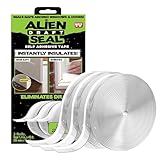
- ✅ DRAFT GUARD, BLOCKS COLD AIR, KEEPS WARM AIR IN – Flexible Alien Seal Door Insulation and window insulation tapes to tightly seal gaps around doors to create a door bottom seal strip, and windows as window sealer, blocking out cold air, while keeping warm air in to keep indoors and bedrooms well-insulated, warm and toasty
- 👍 EXTRA LONG : 3 Rolls per purchase. Each roll of Aliendraft Seal measures 1.4” inches width by 16.34 feet length, giving you a combined total length of 49 feet (588 inches), more than enough to seal the gaps around your home front door seal
- 💧 EASY APPLICATION, TRANSPARENT AND MOISTURE PROOF: Simply measure and cut Alien Seal to desired length, and apply, it is that simple. Transparent design is not visually obtrusive, and it looks like its not there. Super strong adhesive resists peeling due to moisture, splashes or rain
- 💪 SUPER STRONG ADHESION: Alien Seals sticks to virtually any surface, both painted and powder-painted wood, glass, metal, ceramic, fiberglass or plastic, allowing for a wide range of application, from preventing drafts from entering gaps around windows, door threshold seal, garage door seal, to leak-proofing sliding doors in the shower as glass shower door seal strip
- 🚿 PREMIUM-GRADE SILICONE: Made from high grade silicone that resists creasing and hardening, so flaps stay flexible and remain in place as winter window seal throughout the cold months
Seal and insulate accessible ducts
Leaking ducts can waste conditioned air before it reaches a room and can contribute to uneven temperatures. Ductwork in an attic, crawlspace, garage, or unheated basement is especially important to inspect. Duct repairs should preserve access, insulation continuity, and system airflow.
Maintain the heating equipment
ENERGY STAR recommends checking filters monthly during heavy-use periods and changing them at least every three months, subject to the equipment and filter manufacturer’s instructions. ENERGY STAR’s maintenance guidance also recommends annual, pre-season HVAC maintenance. A dirty filter can restrict airflow, but replacing a filter cannot fix blocked returns, leaking ducts, or an improperly designed system.
ENERGY STAR summarizes the airflow issue directly: “A dirty filter will slow down air flow and make the system work harder to keep you warm or cool — wasting energy.” Follow the ENERGY STAR maintenance checklist and the equipment manufacturer’s requirements.
Arrange an energy audit when the problem persists
If heating bills remain high or the home has drafts, condensation, and uneven temperatures, a whole-home energy audit can identify causes that closing a room door cannot. The U.S. Department of Energy recommends an energy audit for expert advice about the home as a whole. A blower-door investigation can help locate hidden air leakage, while an HVAC assessment can evaluate duct leakage, airflow, and zoning.
Use the Department of Energy home energy checklist as a starting point and ENERGY STAR’s air-leak guidance to understand what an investigation may examine. An audit is a diagnostic service, not a promise of a particular bill reduction.
Independent reader supportYour contribution helps us test, update, and keep practical guides available for everyone.When should you leave the door open?
Leave the door open, or at least preserve the designed air-transfer path, when the room becomes too cold, develops condensation, contains plumbing at risk of freezing, or causes airflow problems elsewhere in the home.
Do these 3 things before closing this tab:
1Repair Windows errors before they cause bigger problems2Scan for outdated or missing drivers - takes under a minute3Clear out junk files and repair common Windows errors- Leave the room heated when water pipes run through exterior walls, floors above an unheated garage, or other cold areas.
- Restore normal heat if the room approaches 50°F or if local conditions make that temperature inadequate for the building.
- Open the door and address the source when you see condensation, mildew, peeling paint, or damp materials.
- Do not close a door that blocks a required return-air or transfer-air path without professional advice.
- Do not use door closure to hide a heating fault, frozen-pipe risk, or persistent moisture problem.
A practical winter decision rule
For a forced-air home, close the interior door if desired but leave the register open unless a qualified HVAC professional confirms that closing it will not upset airflow. For hydronic or properly zoned systems, use the installed controls. In every system, protect rooms with plumbing, monitor cold or damp spaces, and choose thermostat scheduling, air sealing, duct work, maintenance, or professional zoning when the goal is lower energy use.
Best Value

- Draft Guard, Blocks Cold Air, Keeps Warm Air In: Seals the gap under interior doors to stop chilly drafts from entering and warm air from escaping. Maintains a steady room temperature so your home feels cozy in winter and cool in summer.
- Flexible Design & Easy Installation: 2 rolls per purchase, the seal strip measures 1.8"W x 33Ft total length, suitable for gaps up to 1.2 inches wide. Conforms easily to uneven door gaps and door frames. Simply measure, cut to desired length, peel the backing, and press onto a cleaned surface for an instant seal.
- Energy Saving & Lower Bills: Effectively blocks airflow through door and window gaps, stopping heated or cooled air from escaping year-round. Works as a reliable insulation solution for all seasons, helping reduce energy waste and lower monthly electricity bills.
- Reliable Adhesion & Pro Tip: The clear backing grips firmly and holds up through daily use and temperature shifts. Pro Tip: Clean the surface thoroughly, then warm the backing with a hair dryer for 1 minute before pressing to strengthen the bond.
- Multi-Purpose Door Gap Seal Strip: Suitable for shower glass door bottoms to help reduce water splashes and seepage. Works as weather stripping for door and window gaps, including bedroom doors, sliding doors, wardrobe doors, and windows. Helps block drafts, insects, dust, smoke, and light gaps.
The simple distinction is important: closing a door may separate a room, but closing a forced-air register changes the operation of the heating system. Keep unused rooms warm enough to remain dry and protect pipes, and measure the room’s real conditions rather than assuming that an unused room is safe because the rest of the house is comfortable.
Frequently Asked Questions
Should I close doors to rooms I do not use in winter?
You can close an interior door to an unused room in winter if the room remains warm and dry, but do not automatically close its forced-air register. Closing registers can upset airflow and pressure balance, and rooms with plumbing need special protection from freezing.
What temperature should an unused room be in winter?
The U.S. Department of Energy’s general guidance recommends keeping all rooms at a minimum of 50°F in winter. The exact safe temperature depends on insulation, climate, exterior exposure, building construction, and where water pipes are located, so measure the room directly.
Recommended Free Tools
Will closing off a room cause mold?
Closing off a room does not cause mold by itself. Mold and condensation become more likely when a closed room becomes cold and moisture reaches cold surfaces; restore heat and ventilation and address leaks or other moisture sources if condensation, mildew, or musty odors appear.
Can closing vents damage my furnace?
Closing a forced-air vent can damage system performance or contribute to duct and airflow problems, although the effect depends on the system design and how many registers are closed. Leave registers open by default and have an HVAC professional assess airflow before using register closure as a strategy.
The Bottom Line
Usually close the unused room’s door, not its forced-air register. Keep every room safely warm—DOE guidance gives 50°F as a general winter minimum—monitor temperature and humidity, and use designed zoning or whole-home efficiency improvements instead of improvised vent closure.
Quick Recap
Product prices and availability are accurate as of the date/time indicated and are subject to change. Any price and availability information displayed on Amazon at the time of purchase will apply.
The Tool Desk
Outbyte Driver Updater FREEFix the driver behind crashes, sound loss and screen glitchesFind Drivers →Outbyte PC Repair FREERepair Windows errors before they cause bigger problemsFix Now →
