Some links on this page are affiliate links: if you buy through them we may earn a commission, at no extra cost to you.
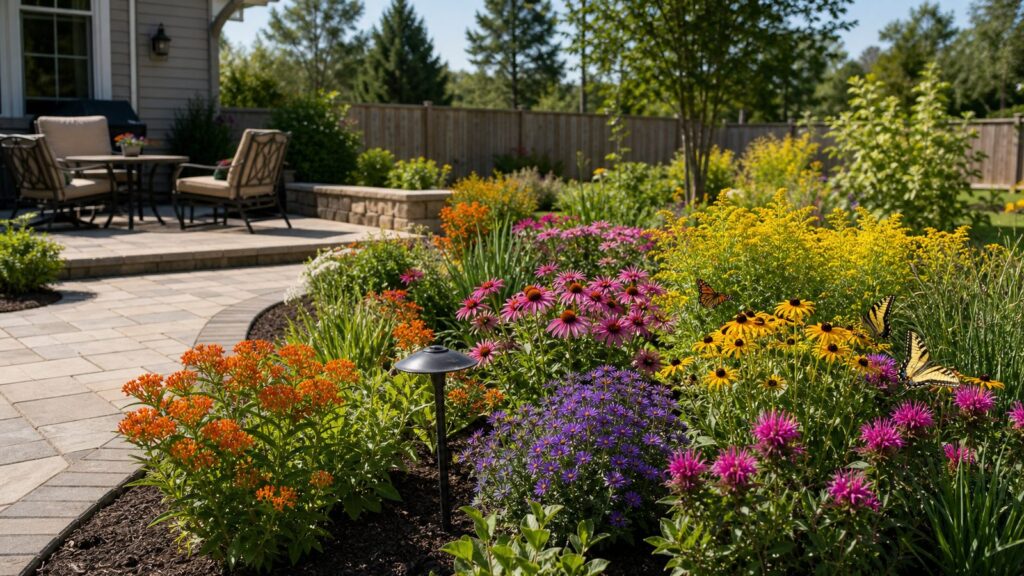
A good butterfly garden is not just a colorful flower bed. It is a small habitat system: nectar for adult butterflies, host plants for caterpillars, sun for feeding and warming, shelter from wind, clean water or damp mineral sources, and a layout that still looks intentional from the sidewalk.
For most homeowners, the best starting point is a 50 to 150 square foot bed in full sun, planted with about 70% native host and nectar plants and up to 30% noninvasive annuals or herbs for fast color. Expect a small DIY butterfly bed to cost roughly $150 to $600 in 2026. A professionally installed bed with soil prep, edging, mulch, irrigation tie-ins, and larger nursery plants can easily land between $800 and $3,000, with full-yard landscaping projects averaging several thousand dollars nationally.
As an Amazon Associate I earn from qualifying purchases.
On our job sites, the butterfly gardens that hold up best are built like any other landscape feature: correct grading, clean edges, a maintenance path, plants sized for the space, and utilities marked before digging. The plant list matters, but the construction of the bed is what keeps it attractive after the first season.
The 25 Best Plants for Attracting Butterflies
The plants below are a practical national shortlist. Some are native across broad parts of the United States, some are regionally native, and some are common annuals or herbs that perform well in butterfly beds. Before buying, confirm your USDA zone, local invasive-plant rules, and state extension recommendations. A plant that is excellent in one region can be a nuisance in another.
Popular on Amazon

- EXTRA LARGE PACKET: Embark on a wildflower journey with our generous 1-ounce packet, bursting with over 7,500 pure live seeds! Transform 100 square feet into a vibrant haven for nature.
- THE FRESHEST SEEDS: Elevate your gardening game with our freshest seeds, ensuring high germination rates. Make gardening a joy, where success sprouts effortlessly and blooms into a kaleidoscope of colors.
- PREMIUM PACKAGING: Unwrap gardening delight with our premium seed packaging. Tailored for optimal storage, complete with planting instructions and a reusable zipper – a thoughtful gift for any nature-loving enthusiast.
- GUARANTEED TO GROW: Plant with confidence! We stand by our seeds. If they don't germinate, we'll refund you within 30 days, no questions asked. Sweet Yards guarantees a worry-free and flourishing garden.
- ATTRACT MORE WILDLIFE: Enchant your outdoor space with 23 species of flowers, creating a vibrant tapestry that beckons hummingbirds, butterflies, honey bees, ladybugs, and more. Let your garden buzz with life!
| Plant | Primary Role | Butterflies Supported | Bloom Season | Sun and Moisture | Mature Size | Region Notes |
|---|---|---|---|---|---|---|
| Milkweed | Monarch host and nectar | Monarchs, queens, many nectar feeders | Summer | Full sun; average to dry soil | 2-5 ft. | Use species native to your region |
| Butterfly weed | Host and nectar | Monarchs, swallowtails, fritillaries | Summer | Full sun; dry, well-drained soil | 1-3 ft. | Excellent for hot, lean sites |
| Swamp milkweed | Host and nectar | Monarchs, skippers, painted ladies | Summer | Full sun; moist soil | 3-5 ft. | Good near rain gardens, not standing water |
| Purple coneflower | Nectar and seed habitat | Painted ladies, swallowtails, skippers | Summer to early fall | Full sun; average soil | 2-4 ft. | Widely used in Midwest and East |
| Black-eyed Susan | Nectar | Checkerspots, skippers, small butterflies | Summer to fall | Full sun; average soil | 2-3 ft. | Reliable, tough front or middle plant |
| Bee balm | Nectar | Swallowtails, skippers, hummingbird moths | Summer | Sun to part sun; average to moist soil | 2-4 ft. | Choose mildew-resistant varieties |
| Blazing star | Nectar | Monarchs, swallowtails, skippers | Mid to late summer | Full sun; well-drained soil | 2-5 ft. | Strong vertical accent in drifts |
| Joe Pye weed | Late nectar | Monarchs, swallowtails, painted ladies | Late summer to fall | Sun to part sun; moist soil | 4-7 ft. | Use compact cultivars near patios |
| New England aster | Fall nectar | Monarchs, crescents, painted ladies | Late summer to fall | Full sun; average to moist soil | 3-6 ft. | Critical late-season nectar |
| Goldenrod | Fall nectar | Monarchs, skippers, sulphurs | Late summer to fall | Full sun; average soil | 2-5 ft. | Choose clumping species for small beds |
| Phlox | Spring and summer nectar | Swallowtails, skippers, sulphurs | Spring to summer | Sun to part sun; average soil | 6 in.-4 ft. | Select creeping or garden phlox by location |
| Yarrow | Nectar landing platform | Small butterflies, skippers, hairstreaks | Summer | Full sun; dry to average soil | 1-3 ft. | Flat blooms make feeding easy |
| Verbena | Long-season nectar | Monarchs, painted ladies, skippers | Summer to frost | Full sun; well-drained soil | 6 in.-4 ft. | Annual or perennial depending on type |
| Zinnia | Annual nectar | Monarchs, swallowtails, painted ladies | Summer to frost | Full sun; average soil | 1-4 ft. | Choose single or semi-double flowers |
| Lantana | Heat-tolerant nectar | Swallowtails, monarchs, skippers | Summer to frost | Full sun; dry to average soil | 1-6 ft. | Check invasiveness in warm states |
| Pentas | Annual nectar | Swallowtails, monarchs, sulphurs | Summer to frost | Full sun; average moisture | 1-3 ft. | Great for containers and borders |
| Salvia | Nectar | Swallowtails, skippers, hummingbird moths | Summer to fall | Full sun; well-drained soil | 1-4 ft. | Use native sages where available |
| Coreopsis | Nectar | Skippers, sulphurs, small butterflies | Summer | Full sun; dry to average soil | 1-3 ft. | Good low-maintenance matrix plant |
| Ironweed | Late nectar | Monarchs, swallowtails, skippers | Late summer | Full sun; average to moist soil | 3-6 ft. | Best at back of bed |
| Mountain mint | Nectar | Hairstreaks, skippers, small butterflies | Summer | Sun to part sun; average soil | 2-3 ft. | Excellent native pollinator plant |
| Dill | Host plant | Black swallowtail caterpillars | Summer flowers | Full sun; average soil | 2-4 ft. | Plant extra for caterpillar feeding |
| Fennel | Host plant | Black swallowtails | Summer flowers | Full sun; well-drained soil | 3-5 ft. | Use noninvasive guidance locally |
| Parsley | Host plant | Black swallowtails | Mainly foliage | Sun to part sun; even moisture | 1-2 ft. | Good in beds or containers |
| Passionflower | Host and nectar | Gulf fritillary, zebra longwing | Summer | Full sun; well-drained soil | Vining, 10-25 ft. | Best in warmer regions; needs support |
| Spicebush | Host shrub | Spicebush swallowtail | Spring flowers | Part sun; moist, rich soil | 6-12 ft. | Useful native shrub for layered shelter |
How to Choose the Right Plants for Your Yard
Start with function, not flower color. Adult butterflies need nectar, but the next generation needs host plants. Monarch caterpillars need milkweed. Black swallowtail caterpillars use dill, fennel, parsley, and related plants. Spicebush swallowtails use spicebush. Gulf fritillaries use passionflower. If your bed has only nectar flowers, butterflies may visit, but they are less likely to complete their life cycle there.
A simple residential mix for a 100 square foot bed might include 3 swamp milkweed, 5 purple coneflower, 5 black-eyed Susan, 3 bee balm, 5 blazing star, 3 New England aster, 3 goldenrod, 3 mountain mint, and a seasonal strip of zinnias, dill, and parsley. That gives you host plants, summer color, late fall nectar, and enough repetition for butterflies to find the planting.
Outdated Drivers Are Slowing You Down
One free scan finds every outdated or missing driver and matches the right update for your exact hardware.Free scan · exact hardware matchPC Slower Than It Used to Be?
A free scan shows the junk files, broken settings and background clutter dragging Windows down - then fixes them in one click.Free scan · Windows 10 & 11Most butterfly plants need at least 6 to 8 hours of direct sun. Place the bed on the south, southeast, or west side of the yard when possible, but keep it away from reflected heat traps where pavement, dark siding, and stone walls can cook young plants. If the only sunny area is beside a patio or walkway, use drought-tolerant plants such as butterfly weed, yarrow, coreopsis, salvia, and zinnia.
Use Drifts, Not Singles
One lonely coneflower disappears visually and biologically. Plant in groups of 3, 5, or 7, with each drift at least 18 to 36 inches wide depending on the mature plant size. Repeat key plants in two or three areas of the bed. This makes the garden easier for butterflies to locate and easier for people to read as intentional landscaping.
Layer the Bed Like a Finished Landscape
Keep low plants such as yarrow, coreopsis, parsley, creeping phlox, and compact annuals near the front edge. Put medium plants such as coneflower, black-eyed Susan, bee balm, mountain mint, salvia, and blazing star in the middle. Use Joe Pye weed, ironweed, tall asters, goldenrod, passionflower supports, and spicebush at the back or along a fence line. Leave 18 to 24 inches of maintenance access where the bed meets a wall, fence, deck, or HVAC equipment.
Butterfly Garden Layout: Dimensions That Work
A useful butterfly garden does not need to be huge. A 4 by 12 foot strip along a sunny walkway gives you 48 square feet. A 6 by 12 foot bed gives you 72 square feet. An 8 by 16 foot island bed gives you 128 square feet and enough depth for layered planting. For a front yard, we like long beds with clean edges because they look maintained even when plants are in their winter stage.
Recommended Free Tools
Build the bed with a defined boundary. Steel edging, aluminum edging, brick, stone, or a clean spade edge all work. For native plantings in visible front yards, a 12 to 24 inch mowed strip or mulch maintenance band can make the difference between a neighbor-friendly garden and a code complaint. Keep tall plants at least 2 to 3 feet back from sidewalks so seed heads and summer growth do not flop into the walking path.
Also popular on Amazon

- Pollinator Seed Mix: This Blend Of Wildflower Seeds Will Attract Beautiful Hummingbirds And Butterflies To Your Outdoor Garden And Feed Them All Season Long; Blooms In Spring, Summer, And Fall Until Frost
- Vibrant Wildflowers: Grow A Mix Of Sun-Loving Annual And Perennial Wildflowers; Each Bag Contains 18 Flower Varieties: Butterfly Milkweed, Calendula, Cornflower, Plains Coreopsis, Cosmos, Foxglove, And More
- 25,000 NON-GMO Seeds: Easy-To-Sow Hummingbird And Butterfly Seed Mix Covers Up To 1,000 Square Feet And Is Ideal For Most Soil Types; Select A Sunny Area To Scatter The Seed Outdoors For Planting After Danger Of Heavy Frost
- Burpee Seeds Grow: Burpee Offers The Highest Quality, NON-GMO Seeds Hand-Picked By Expert Horticulturalists For Growing In The Home Garden. Our Germination Rates Are 35% Higher Than Industry Standards. Burpee Has Been Loved By Gardens And Trusted By Gardeners For Over 140 Years.
- Since 1876: Generations Of Customers Have Trusted Burpee To Deliver The Highest Quality Products And Service; Gardeners Rely On Burpee For Accurate Plant Information And How-To Tips That Make Gardening Easier And More Successful; Let’s Grow Together
For patios, decks, and walkways, think ahead before hardscape is poured. On construction projects, we often install 2 inch PVC sleeves under new concrete walks or paver bases so future drip irrigation or low-voltage lighting can be added without cutting the finished surface. That sleeve is inexpensive during construction and annoying to add later.
Sun, Shelter, and Wind
Butterflies feed more easily in protected locations. A fence, shrub layer, porch wall, or staggered planting can reduce wind without shading out the flowers. Avoid placing the bed in a narrow, dark side yard where plants will stretch, mildew, and underperform. If the site gets only 4 hours of sun, use it as a support planting and put the main nectar bed somewhere brighter.
Water Without Mosquito Problems
Butterflies may use damp mineral sources, but standing water is a maintenance liability. A shallow dish filled with damp sand or gravel is safer than an open bowl of water. Refresh it regularly and dump anything that holds stagnant water. Do not create a puddling station in a spot you will forget behind shrubs or beside the garage.
Free tools Windows power users keep installed
One-click scans. No signup required.
2026 Butterfly Garden Cost Guide
Costs depend on bed size, plant size, soil condition, access, edging, irrigation, and whether the site needs sod removal or drainage correction. In 2026, a small DIY bed can be built for a few hundred dollars if you use seed packets, plugs, compost, and mulch. A professional flower bed installation commonly falls in the $800 to $3,000 range, and national installed landscaping averages are roughly $3,516 to $5,207 depending on project scope and source methodology. Complex multi-acre or full-property projects can exceed $14,800.
| Project Type | Typical 2026 Cost | What Is Included | Best For |
|---|---|---|---|
| Small DIY bed, 50-100 sq. ft. | $150-$600 | Seeds, plugs, compost, mulch, basic hand tools | Homeowners willing to phase growth over 2-3 seasons |
| DIY with larger nursery plants | $400-$1,200 | Quart or 1-gallon perennials, mulch, edging, soil amendments | Faster first-year impact |
| Professional flower bed install | $800-$3,000 | Layout, sod removal, soil prep, planting, mulch, cleanup | Front yards, curb appeal, larger beds |
| Planting labor | $10-$30 per flower pot; $25-$85 per shrub | Labor to install purchased plants | Adding plants to an existing prepared bed |
| Full landscape integration | $3,500-$14,800+ | Grading, drainage, hardscape, irrigation, lighting, planting | Patio, walkway, deck, or whole-yard projects |
Plant size drives cost quickly. Seed packets often run $3 to $8 each. Native plugs commonly cost $4 to $10 per plug. Quart perennials often run $8 to $18. One-gallon perennials and shrubs often cost $12 to $35, while larger shrubs such as spicebush can run $30 to $80 or more depending on region and size. Mulch installation commonly runs about $30 to $120 per cubic yard, with delivery distance, dyed material, and hand-spreading access affecting the final price.
The budget move is to use plugs and seeds for matrix plants such as black-eyed Susan, coreopsis, coneflower, yarrow, and asters, then spend more on structure plants such as spicebush, compact Joe Pye weed, or a trellis-supported passionflower. You do not need to buy the whole garden in 1-gallon pots.
When to DIY and When to Hire a Pro
DIY is a good fit when the bed is under 150 square feet, the grade already drains, you are not disturbing hardscape, and you can water consistently for the first growing season. Expect a weekend for layout, sod removal, soil prep, planting, and mulching on a small bed. If you are starting from seed, expect the bed to look young the first year, better the second year, and much fuller by year three.
The Tool Desk
Outbyte Driver Updater FREEFix the driver behind crashes, sound loss and screen glitchesFind Drivers →Outbyte PC Repair FREEClear out junk files and repair common Windows errorsFree Scan →Also popular on Amazon

- Freshest Wildflower Seeds: Our hummingbird and butterfly wildflower mix includes 24 beautiful annual, perennial and biennial plants. We offer the freshest seeds to enhance the quality of your garden, we ensure a high germination rate, 99% pure live seed, no filler
- Attract Pollinators: These flowers will attract pollinators to the garden, such as many beautiful butterflies, bumblebees, bees, ladybugs etc. It can beautify the environment and keep your garden alive!
- High Germination Rate: We meticulously test the germination rates of our seeds to ensure that a high proportion of the seeds you plant will successfully sprout and grow. These wildflowers grow well in spring and summer. They grow to an average height of 12 to 48 inches, covering 194 SQ.FT, about 5-10 days to germination, 35-75 days to flower
- High Quality Packaging: Our seed packs are resealable and provide optimal storage conditions to keeps seeds fresh. Our packaging material is aluminum foil, waterproof and moisture resistant. The planting instructions are displayed on the back of each package, You can also use our online guide to Learn how to grow wildflowers like a professional gardener
- Great Gift Choice: Groundio wildflower seeds make an ideal holiday gift. Perfect for Birthdays, Mothers' and Fathers' Days, Weddings, Thanksgiving Day, Valentine's Day and so on. You can also make the perfect combination of wildflower seeds for kids. Planting hummingbird and butterfly garden seeds is an easy and educational way to do it
Hire a pro when the garden connects to a patio, deck, walkway, retaining wall, or drainage project. Also bring in help if the yard has standing water, steep slope, compacted construction soil, buried utilities, or a front-yard visibility issue where clean grading and edging matter. A contractor can also coordinate irrigation sleeves, low-voltage lighting conduit, stone edging, and access routes before the landscape is planted.
For new construction or major remodeling, the best time to plan the butterfly garden is before final grading and hardscape. It is far cheaper to correct soil compaction, direct downspouts, add sleeves, and shape beds before sod and paving are installed. After the patio is poured, every change costs more.
Safety, Utilities, Permits, and HOA Rules
Call 811 before digging, even for shallow landscape work. Bed edging, shrub planting, fence posts, trellis supports, and irrigation lines can all conflict with buried utilities. Mark the bed with paint or flags before the utility locate so the markings match the actual work area.
Most butterfly gardens do not require a building permit, but local rules can still matter. Front-yard height limits, sightline requirements near driveways and corners, stormwater rules, and weed ordinances may apply. HOAs may require a planting plan, defined border, maximum plant height, or approval for changes visible from the street. Native gardens are easiest to defend when they have clean edges, repeated plant groupings, mulch paths, and seasonal maintenance.
Do these 3 things before closing this tab:
1Clear out junk files and repair common Windows errors2Fix the driver behind crashes, sound loss and screen glitches3Repair Windows errors before they cause bigger problemsDo not use mosquito fogging, broad-spectrum insecticides, or systemic insecticide-treated plants in or near a butterfly garden. Caterpillars are supposed to eat foliage. If every leaf must look untouched, this is the wrong type of planting. Buy pesticide-free or organically grown plants when possible, especially milkweed and host herbs such as dill, fennel, and parsley.
Regional Planting Notes for the United States
No single list of 25 plants fits every yard in the country. Use the list above as a framework, then substitute locally adapted species. Native plants are preferred because many butterflies and plants developed together over time, and local species often support more life stages than ornamental imports.
In the Northeast, prioritize milkweed species suited to your state, New England aster, goldenrod, bee balm, mountain mint, phlox, spicebush, and black-eyed Susan. In the Southeast, consider native milkweeds, passionflower, salvia, ironweed, Joe Pye weed, asters, and heat-tolerant annuals, while checking lantana and tropical milkweed guidance carefully. In the Midwest, coneflower, blazing star, milkweed, butterfly weed, swamp milkweed, goldenrod, aster, bee balm, and coreopsis are strong backbone plants.
Also popular on Amazon

- Flower Seeds: Premium bulk package of wildflower seeds to establish a colorful garden filled with red flowers, orange flowers, yellow flowers, blue flowers, pink flowers, purple flowers and more!
- Annual Flower Seeds: Includes varieties like snapdragon seeds, china aster seeds. cosmos seeds, forget me not seeds, larkspur seeds, bird's eyes seeds, treemallow seeds, alyssum seeds, lemon mint seeds and more!
- Perennial Flower Seeds: Our Butterfly Mix contains a few perennial / tender perennial flower seeds, such as butterfly milkweed seeds, giant star columbine seeds, maltese cross seeds, scarlet salvia seeds & four o' clock seeds.
- Butterfly Garden: Attracts a large variety of pollinators to the garden, such as butterflies, bumblebees, honeybees, common bees, ladybugs, hummingbirds and more!
- Large Quantity: Each pouch is packed with thousands of pure live seeds with no added fillers. All packed fresh for the current and following growing seasons.
In the Southwest, water-wise planning matters. Use regionally appropriate milkweeds, native sages, verbena, zinnia, yarrow, and other low-water nectar plants recommended by local extension guidance. On the Pacific Coast, confirm local native milkweed options and avoid plants listed as invasive in your county. In the Mountain West, focus on cold-hardy, drought-tolerant natives, full-sun exposure, wind protection, and irrigation during establishment.
Maintenance That Keeps the Garden Working
The first year is about establishment. Water deeply 1 to 2 times per week when rainfall is short, aiming for moisture in the root zone rather than daily surface sprinkling. Mulch 2 to 3 inches deep, but keep mulch pulled back from plant crowns. Weed every 1 to 2 weeks early on so young plugs are not buried by faster weeds.
By the second and third year, deep-rooted perennials should need less irrigation, but they still need selective maintenance. Deadhead some annuals such as zinnia and verbena for rebloom, but leave some seed heads and stems through winter for habitat. Cut back in late winter or early spring instead of stripping the bed bare in fall. Divide aggressive clumps when they crowd paths, windows, or smaller plants.
Expect caterpillar damage on host plants. That is success, not failure. Plant extra dill, fennel, parsley, and milkweed so the garden can support feeding without looking stripped. If aphids show up on milkweed, avoid spraying insecticide. Use a strong water rinse or tolerate moderate pressure unless plants are declining badly.
A Simple Planting Plan for a 100 Square Foot Bed
For a sunny 10 by 10 foot bed, use the back 2 to 3 feet for height: 1 spicebush where part shade or moisture allows, or 3 Joe Pye weed or ironweed in a sunny rear corner. Add 3 New England aster and 3 goldenrod for fall nectar. In the middle, plant 5 purple coneflower, 5 black-eyed Susan, 3 bee balm, 5 blazing star, and 3 milkweed or swamp milkweed. Along the front edge, use 5 coreopsis, 3 yarrow, parsley, dill, and a seasonal row of zinnia or pentas.
Quick wins for a faster PC:
Fix the driver behind crashes, sound loss and screen glitchesFind Drivers →Repair Windows errors before they cause bigger problemsFix Now →Keep plants spaced according to mature width, not nursery pot size. Many perennials that look tiny in quart pots want 18 to 30 inches at maturity. Tall plants such as Joe Pye weed, ironweed, and some asters may need 30 to 48 inches. Passionflower needs a trellis, fence, or other support and should not be placed where it can grab gutters, screens, or loose trim.
If the bed is along a patio, leave a 12 to 18 inch mulch or stone maintenance strip between the plants and the hardscape. That gives you room to sweep, edge, inspect drainage, and keep plants from leaning into seating areas. Good habitat still has to function as part of the yard.
Also popular on Amazon
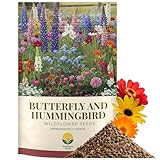
- HIGH-NECTAR FLOWERS FOR BUTTERFLIES AND HUMMINGBIRDS: A focused Wildflower Blend crafted to attract butterflies, hummingbirds, and beneficial pollinators. Each variety is selected for strong nectar production, vibrant color, and reliable garden performance.
- OVER 30,000 NON-GMO SEEDS: Packed with more than 30,000 high-quality, Non-GMO, open-pollinated seeds, providing generous coverage for up to 100 square feet. Ideal for garden beds, borders, pathways, containers, and wildflower meadows.
- LONG BLOOM SEASON FROM SUMMER TO FROST: Designed for continuous color and nectar availability throughout the growing season. Produces waves of blooms in reds, purples, pinks, blues, oranges, and yellows that support pollinators for months.
- EASY TO GROW IN MOST CLIMATES: Simply scatter the seeds, lightly rake, and water. This adaptable mix thrives in full sun and average soils, making it suitable for new gardeners and experienced growers. A simple way to create a vibrant pollinator garden.
- RESEALABLE FOIL-LINED POUCH: Durable, resealable packaging preserves seed freshness, with clear instructions printed on every pouch for easy planting.
Bottom Line
The best plants for butterflies are the ones that support the whole life cycle and fit your region. Milkweed, butterfly weed, swamp milkweed, coneflower, bee balm, blazing star, Joe Pye weed, asters, goldenrod, herbs, passionflower, and spicebush all have a place when used correctly. Combine host plants and nectar plants, plant in visible drifts, provide bloom from spring through fall, and avoid pesticides that defeat the purpose of the garden.
Build the bed with the same care you would give any permanent landscape feature: call 811, fix drainage first, use defined edges, plan access, and budget for establishment watering. A butterfly garden can be small, but it should not be random. Done well, it becomes a durable, useful part of the yard instead of a one-season flower display.
Frequently Asked Questions
What plants attract the most butterflies to a yard?
The strongest choices combine nectar and host value. Milkweed, butterfly weed, swamp milkweed, purple coneflower, bee balm, blazing star, Joe Pye weed, New England aster, goldenrod, zinnia, lantana, salvia, dill, fennel, parsley, passionflower, and spicebush are all useful when matched to the right region and site conditions.
What is the difference between nectar plants and host plants?
Nectar plants feed adult butterflies with flowers. Host plants feed caterpillars with leaves. A real butterfly garden needs both. For example, monarch caterpillars need milkweed, while black swallowtail caterpillars commonly use dill, fennel, and parsley.
Do I need milkweed to attract monarch butterflies?
You need milkweed if you want monarchs to reproduce in your yard. Adult monarchs will visit many nectar flowers, but monarch caterpillars require milkweed. Choose milkweed species native to your region and avoid pesticide-treated plants.
How much does it cost to install a butterfly garden in 2026?
A small 50 to 100 square foot DIY butterfly bed usually costs about $150 to $600 using seeds, plugs, compost, mulch, and basic tools. A professionally installed flower bed commonly costs about $800 to $3,000, while larger landscape projects with grading, edging, irrigation, lighting, or hardscape integration can run several thousand dollars more.
Can I plant a butterfly garden in a small yard or containers?
Yes. A 4 by 12 foot sunny strip or a group of large containers can support butterflies if it includes nectar flowers and host plants. Use compact plants such as parsley, dill, zinnia, pentas, salvia, yarrow, coreopsis, and compact milkweed where regionally appropriate.
Do butterfly gardens need permits or HOA approval?
Most small planting beds do not need a building permit, but local rules can still apply. Check HOA requirements, weed ordinances, front-yard height limits, and sightline rules near driveways or corners. Always call 811 before digging.
Quick Recap
Product prices and availability are accurate as of the date/time indicated and are subject to change. Any price and availability information displayed on Amazon at the time of purchase will apply.

