Free tools Windows power users keep installed
One-click scans. No signup required.
Some links on this page are affiliate links: if you buy through them we may earn a commission, at no extra cost to you.
Indoor herb projects are no longer just a few basil pots on a windowsill. Done well, they can become part of the way a kitchen, pantry, bathroom, laundry room or mudroom functions. Done poorly, they become wet soil hanging from drywall, cords running across a sink, swollen shelves, fungus gnats and cabinet damage.
For Bettesworth Construction, the useful way to think about herbal DIY is simple: treat it as a small home-improvement feature. A herb shelf needs structure. A grow-light station needs safe power. A drying rack needs airflow and cleanable surfaces. A bathroom eucalyptus zone needs moisture control. On our job sites, the difference between a charming idea and a durable built-in usually comes down to blocking, waterproofing, receptacle planning and realistic maintenance access.
As an Amazon Associate I earn from qualifying purchases.
The trend is real. Indoor gardening remains a strong home category in 2026, with the global indoor plants market estimated at $13.61 billion and projected to reach $16.36 billion by 2031. Smart indoor gardening systems are also growing, from an estimated $2.68 billion in 2026 to $4.19 billion by 2033. But the best homeowner value is often not the most expensive gadget. It is a small, well-placed built-in that keeps herbs usable without stealing prep space or creating moisture problems.
Start With the Room, Not the Plant
Before choosing cedar, brass hooks or a smart garden kit, decide what job the project has to do. Fresh herbs, drying herbs, propagation cuttings and shower aromatics all need different conditions.
#1 Best Overall

- High planting efficiency: Start an indoor herb garden with the Ahopegarden hydroponic growing system, which includes a water reservoir, an overhead LED grow light, and a circulation system that keeps the water fresh. The hydroponic setup and lighting systems allow plants to grow up to faster and healthier in controlled conditions. Simply add plant seeds, water, and nutrients to the reservoir and watch the plants grow
- 10 Pods & Water Level Window Included: This indoor grow kit with light offers 10 growing stations, The reservoir of our hydroponic vegetable garden kit also comes with a see-through water level window, so with a glance, you can see how much water is in the reservoir and when it’s time to add more water.
- 2 Growing Modes for Veggies, Fruits & Flowers: The grow light of our indoor veggie growing system features full-spectrum lamps that simulate natural sunlight, and you can choose between two different light modes (vegetables or flowers&fruit ) based on what you are growing, blue for vegetables and red for fruit. Flowers also can be grown in this indoor plant grower system
- 14.5 Inches Height-Adjustable Light Post: Our harvest indoor hydroponic garden comes with a bright grow light that can be adjusted in height as the plants grow taller. Plants can grow up to 14.5 inches. What’s more, the grow lights are on a 16-hours-on, 8-hours-off timer. So with an automatic light timer, there’s really not much you have to do to get your plants growing u
- Perfect for Family: This indoor garden plant germination kit is an ideal for families on Christmas and other holidays. This hydroponic growing kit is small enough to fit on the counter in the kitchen, which allows users to grow and vegetables indoors year-round. This indoor planter with grow light really is the that keeps on giving
Fresh culinary herbs want light, water access and easy trimming. Drying herbs want low moisture, airflow, dust protection and usually less direct sun. Propagation trays want a waterproof surface and a place where a small spill will not ruin trim or flooring. Bathroom bundles such as eucalyptus can work, but they should not share design logic with pantry curing or herb drying.
We usually separate indoor herb projects into five practical zones:
What’s actually slowing this PC down?
Pick the symptom - the matching free tool is one click away.
- Kitchen: fresh herbs, grow-light shelves, under-cabinet rails, windowsill planters and small hydroponic units.
- Pantry: herb drying, curing, labeled storage and spice transfer.
- Bathroom: shower-safe eucalyptus storage or a small plant ledge outside direct splash zones.
- Mudroom: propagation benches, potting trays, seed starts and washable storage.
- Laundry or utility room: plant care, trimming, drying tools and soil storage where finishes can be more durable.
This planning matters because the hidden risks are building risks. Water attacks unfinished edges. Soil adds weight. Grow lights add cords and heat. A shelf that looks simple online may need actual studs, installed blocking, tile detailing or an added GFCI-protected outlet to be safe and clean.
Project 1: A Built-In Kitchen Herb Ledge
A built-in herb ledge is one of the cleanest upgrades for a kitchen remodel or refresh. The ideal location is near a window but not directly behind a sink faucet where overspray hits it all day. A good ledge gives you room for three to six small pots, a removable drip tray and enough clearance to lift plants out for watering.
For most kitchens, plan on a ledge 5 to 7 inches deep. That is enough for common 4-inch herb pots and a tray, without projecting so far that it catches elbows or blocks countertop work. Length depends on the wall, but 24 to 42 inches handles most household herb use. If you want larger 6-inch pots, move to an 8-inch-deep ledge and confirm it will not interfere with the faucet, window crank, backsplash outlets or countertop appliances.
Best Materials
In splash-prone areas, use cabinet-grade material and sealed edges. Painted maple, sealed white oak, solid-surface offcuts, stone remnants, stainless brackets and tile shelves all work. Raw pine over a sink is a short-term solution. It stains, cups and grows rough at the edges unless it is sealed carefully.
Our crews prefer removable trays over relying on the shelf finish alone. A $12 to $35 stainless, silicone or plastic tray is cheaper than repairing a swollen ledge. Where tile meets a shelf or bracket, use a neat caulked transition so water cannot sit in an open joint.
Typical 2026 Cost
A homeowner-built ledge usually runs $40 to $200 in materials for lumber, brackets, finish, anchors, hooks and trays. Add $25 to $80 for upgraded hardware, food-safe oil or polyurethane, a small hygrometer or a moisture meter. If the ledge is integrated into backsplash work, the shelf itself may be a modest add-on, but tile cuts, trim pieces, waterproofing and layout time drive the real cost.
Backsplash installation in 2026 commonly lands around $593 to $1,786 nationally, with many projects near $1,007 and installed projects often starting around $700. If you are already replacing tile, that is the right time to add a plant ledge, because mobilization and finish matching usually cost more than the shelf material.
Project 2: Under-Cabinet Grow-Light Rail
Herbs usually need more light than a typical kitchen window provides year-round. Basil, parsley, cilantro, thyme and mint may survive near a window, but they often get leggy without supplemental light. University extension guidance commonly places grow lights 6 to 12 inches above hydroponic lettuce and herbs. For general indoor plant lighting, 12 to 14 hours per day is a good target, with a practical range of 10 to 16 hours depending on the plant and light output.
Recommended Free Tools
A simple under-cabinet grow-light rail can be a strong DIY project if it uses plug-in, listed LED fixtures, a timer and tidy cable management. Keep the fixture high enough that leaves do not touch it, and design the shelf or counter tray so plants can be removed without unplugging everything.
Safe Layout Rules
Keep cords away from sinks, cooktops and wet prep areas. Do not run a cord through a cabinet door where it gets pinched every time the door closes. Do not staple a cord to the underside of a cabinet. If you want concealed wiring, hardwired lighting or a new outlet, that becomes electrical work.
Kitchen receptacle rules have changed over the years, and island and peninsula outlet requirements have been revised in recent NEC cycles. The practical takeaway for homeowners is this: do not let a plant shelf or rail block access to required countertop receptacles, and do not create a setup where the only way to power a pump or light is with a cord crossing a sink or prep path. Kitchens, bathrooms, laundry rooms and many utility areas also commonly require GFCI protection. Your local code and adopted NEC edition control the final answer.
Rank #2

- FRESH HERBS, NO FUSS: Grow fresh herbs for everyday cooking, right on your kitchen counter. Add water, plug in and start growing. 3 basil pods included to get you started. No dirt, no fertilizer to mix: all nutrients are already in the pod.
- MADE FOR EACH OTHER: Tested on more than 18,000 plant varieties, our pods and garden work as one indoor gardening system. Wicks draw water to each pod, so there is no electric pump and no noise. A full tank lasts about 2 to 3 weeks
- AUTOMATIC GROW LIGHT: The LED grow light runs 16 hours on and 8 hours off by itself, so herbs grow all year round on your kitchen counter. The lamp extends as plants grow
- KEEP GROWING, KEEP COOKING: Basil is full size in 1 to 2 months, and a pod lasts 2 to 3 months. Then keep the harvest going with another basil pod or try another herb, mix and match, explore: cilantro, parsley, thyme and 50+ plants to choose from. Refill pods are sold separately
- FRESHLY HARVESTED, WHEN YOU NEED IT: Snip fresh, fragrant herbs right at hand, straight from the plant to your plate at peak flavor. Pick what you need, and there are more crisp, fresh herbs for next time. A better way to do herbs in your kitchen.
Typical 2026 Cost
A plug-in grow-light setup usually costs $30 to $150 for LED bars or strips, a timer, cable clips and basic trays. If you need a new receptacle, concealed wiring, under-cabinet hardwiring or cabinet modification, plan on $200 to $700 or more with a licensed electrician, depending on wall access, circuit capacity and local labor rates.
The Tool Desk
Outbyte Driver Updater FREEScan for outdated or missing drivers - takes under a minuteDriver Scan →Outbyte PC Repair FREERepair Windows errors before they cause bigger problemsFix Now →Project 3: A Wall-Mounted Herb Drying Rack
Drying herbs is where many cute projects fail. Fresh herbs and drying herbs do not want the same environment. A drying rack should not live in a steamy bathroom or directly above a cooktop. It should have airflow, moderate temperature, dust protection and enough space that bundles are not packed together wet.
A good rack can be built from hardwood dowels, stainless hooks, a shallow cabinet frame or a rail system inside a pantry. Keep it simple: 18 to 36 inches wide, 6 to 10 inches deep and mounted where you can reach every hook. If it is inside a cabinet, use breathable mesh, perforated panels or a louvered approach rather than sealing damp herbs in a closed box.
Use food-safe finishes on surfaces that may touch herbs. A cured food-safe oil or a fully cured clear finish can work, but follow the product label. Avoid mystery stains, construction lumber with chemical residue and rough surfaces that collect dust.
Weight still matters. A handful of herbs is light, but the rack, hooks, jars, clips and occasional wet bundles add load. Mount into studs or installed blocking. If the wall is open during a remodel, add horizontal blocking now at likely shelf and rail heights. A few dollars of blocking during framing can save hours later.
Do these 3 things before closing this tab:
1Fix the driver behind crashes, sound loss and screen glitches2Clear out junk files and repair common Windows errors3Scan for outdated or missing drivers - takes under a minuteProject 4: A Pantry Curing Cabinet
If you grow or buy herbs in volume, a pantry curing cabinet is more useful than another countertop appliance. It keeps drying, labeling and storage in one place. This can be as simple as one modified upper cabinet or as finished as a custom pantry insert.
The best version has three parts: a ventilated drying area, a shallow work shelf and airtight storage for finished herbs. A 24-inch-wide cabinet can handle a surprising amount if the interior is organized. Use adjustable shelves, pull-out trays and labels you can read without emptying the cabinet.
Do not put a curing cabinet against a damp exterior wall without checking for condensation. Do not install it over a dishwasher or near a range hood discharge path where heat and moisture fluctuate. Finished dried herbs should move into sealed jars or tins once they are ready; the drying area is temporary, not permanent storage.
Project 5: Bathroom-Safe Eucalyptus and Plant Storage
Bathrooms are tempting for herbal projects because eucalyptus shower bundles look simple. The construction issue is humidity. The EPA recommends indoor relative humidity below 60 percent and ideally between 30 and 50 percent. Condensation on walls, windows, cabinets or pipes should be dried quickly and the moisture source corrected.
That means a bathroom herb feature should be designed around drying out. Use stainless hooks, sealed wood, tile, solid surface or other washable materials. Keep bundles out of direct water spray unless they are meant to be short-lived. Do not create a dense shelf of wet planters above painted drywall or MDF trim.
Rank #3

- 5 TIMES FASTER GROW: Hydroponics growing system with a 24-watt LED light that simulates the effects of sunlight which promotes photosynthesis for plants. Even if leave indoor garden in a corner, plants also germinate and grow quickly. Harvest fresh all year round. indoor herb garden LED panel can be adjusted to 180°maximum and 21 inches maximum height. Compact design fits on any windowsill or kitchen shelf, gardening gifts for women
- QUIET CIRCULATE MOISTURE PUMP: Herb garden with super quiet (less than 20 dB) water pump that circulation every 30 minutes, not only provides oxygen for better root development but also saves energy and is eco-friendly. Indoor gardening system designed with a water shortage indicator, don't worry about forgetting to water
- EXTREMELY EASY SETUP & USE: indoor herb garden with grow light comes with everything you need for gardening plant grower germination kit to start your garden. Designed with a smart timer that provides your plants with 16 hours of light to promote photosynthesis and turns the LED lights off the other eight hours to let the plants rest. Just pop in fertilizer and water and the hydroponic growing system will work its own magic. A perfect indoor herb garden starter kit
- DETACHABLE, HEIGHT ADJUSTABLE: Smart garden LED light pole is detachable to avoid short circuits while cleaning plant lights for indoor growing, and also height adjustable, you can set it at the optimal height for small starts and then raise it as they grow. Hydroponics 3L large water tank with a viewing window allows for easy monitoring of both water levels and plant root growth
- GROW ANYTHING, ANYTIME: You can grow any fruit or vegetable locally without the need to wait for the perfect season. The satisfaction of watching a plant and nurturing a veggie until it's ripe is a great feeling. Best of all, this user-friendly indoor garden kit is suitable for beginners and experienced gardeners alike. Also make a fun gift for all ages from cooks to kids who want to get started growing their own plants
If you want a small bathroom plant ledge, place it outside the main splash zone, give it a removable tray and make sure the bath fan actually moves moisture out. A quiet, properly sized exhaust fan is often a better plant feature than another shelf. If the mirror fogs for 30 minutes after a shower, solve ventilation before adding more organic material.
Project 6: Mudroom or Laundry Propagation Bench
A propagation bench belongs where mess is acceptable and cleanup is easy. Mudrooms, laundry rooms and utility zones are good candidates because they often have durable flooring, nearby water and less pressure on countertop prep space.
For a compact bench, 18 to 24 inches deep and 36 to 48 inches wide is enough for seed trays, cuttings, hand tools and a small soil bin. Use a waterproof top: stainless, laminate with sealed edges, marine-grade plywood with a durable coating, solid surface, tile or a removable commercial tray. Add a raised back lip if the bench sits against drywall.
Quick wins for a faster PC:
Repair Windows errors before they cause bigger problemsFix Now →Fix the driver behind crashes, sound loss and screen glitchesFind Drivers →Clear out junk files and repair common Windows errorsFree Scan →Plan vertical clearance. If you mount grow lights over seed trays, leave enough room to keep lights roughly 6 to 12 inches above the plant canopy and still raise them as plants grow. A fixed shelf that looks tidy on day one can become useless once seedlings stretch.
If the room has a utility sink, keep electrical equipment away from splash paths and use GFCI-protected receptacles where required. Pumps, lights and timers should be accessible without crawling behind a washer or moving stacked storage.
2026 Cost Ladder for Indoor Herb Projects
The numbers below are practical planning ranges for US homeowners in 2026. Local labor rates, finish level, wall access and permit rules can move the final price up or down.
| Project Type | Typical 2026 Cost | Best For | Big Cost Drivers |
|---|---|---|---|
| Countertop herb kit | $30-$125 entry level; $125-$250 larger smart countertop units; $449-$899 premium vertical systems | Renters, quick setup, no construction | Pod count, pump, lighting, app controls, replacement pods |
| DIY wall shelf or drying rack | $40-$200 materials; add $25-$80 for upgraded finish or monitoring tools | Handy homeowners with stud access and simple tools | Wood species, brackets, anchors, trays, finish quality |
| Plug-in grow-light shelf | $30-$150 | Small kitchen or mudroom herb stations | LED quality, timer, cable management, trays |
| Electrical or cabinet-integrated grow lights | $200-$700+ | Concealed wiring, new outlets, hardwired fixtures | Licensed electrical work, wall access, circuit capacity, GFCI needs |
| Backsplash with herb ledge | Backsplash commonly $593-$1,786; many projects near $1,007; installed projects often start around $700 | Kitchen refreshes and remodels | Tile layout, trim pieces, waterproofing, outlet relocation, stone ledges |
| Custom pantry or mudroom built-in | Often bundled into a larger $5,000-$15,000 cosmetic refresh or $25,000-$55,000 midrange remodel | Long-term homeowners who want a finished feature | Cabinet matching, pull-outs, ventilation, lighting, finish carpentry |
Permit fees vary by city and county. A simple shelf usually does not need a permit. Electrical, plumbing, mechanical or framing changes may. Local trade permits can be under $100 for simple work, while multi-subcode kitchen work in higher-regulation areas can run $400 to $1,500 or more in permit costs.
When to DIY vs When to Hire a Pro
A clean DIY project is one that stays surface-mounted, uses listed plug-in components, fastens into real structure and can be removed without opening the wall. Once you add wiring, plumbing, tile integration, cabinetry changes or work near wet areas, the risk profile changes.
| Scope | DIY-Friendly? | Hire a Pro When |
|---|---|---|
| Freestanding countertop herb garden | Yes | You need a new outlet or the cord route crosses a sink or cooktop |
| Simple wall drying rail | Yes, if mounted into studs or blocking | The wall is tile, masonry, plaster or has unknown utilities behind it |
| Small herb shelf | Yes, with proper anchors and sealed finish | It ties into backsplash, cabinets, stone or window trim |
| Plug-in grow-light bars | Yes, if listed and kept clear of water | You want concealed wiring, hardwiring or added receptacles |
| Pantry curing cabinet | Sometimes | You need cabinet modification, ventilation changes or finish matching |
| Bathroom plant ledge | Sometimes | There is condensation, poor exhaust, tile work or direct splash exposure |
On remodels, we often recommend adding blocking even if the homeowner is not ready to install every shelf yet. Blocking behind drywall gives you future flexibility for herb rails, towel hooks, plant lights and small display shelves. It is inexpensive while walls are open and frustrating after finishes are complete.
Rank #4

- HARVEST ANYWHERE & ANYTIME: Indoor gardening system efficient 24-watt LED grow light simulates optimal effects of sunlight. Technology optimized for plants, herbs garden LED panel can be adjusted to 180° maximum and 21inches maximum height, plants receive more illumination area, maximize photosynthesis, and also more convenient for pruning branch leaves. Hydroponics plants grow 5 times faster than soil, harvest fresh all year round
- QUIET SMART WATERING SYSTEM: Hydroponic growing system water pump with premium quality ceramic core technology, super quiet (less than 20 dB). The pump runs every 30 minutes, not only efficient and energy-saving but also provides oxygen for better root development. Indoor herb garden designed with the water shortage indicator, don't worry about forgetting to water
- SUPER EASY SETUP AND USE: Hydroponics comes with everything you need gardening plant grower germination kit (seeds not included) to start your garden. Automatically controls light on 24-hour cycle (16 hours on, 8 hours off). You just select the veggies or flowers & fruits light mode by buttons on the control panel, plants growth can be observed
- DETACHABLE, EASY TO CLEAN: LED light pole is detachable to avoid short circuits while cleaning plant lights for indoor growing, and the light pole is adjustable in height to accommodate changing hydroponics growing system indoor gardening plants. 3L large water tank with a see-through water level window, allowing one to know at a glance and add water in time
- INDOOR GARDENING GIFTS AND FUN: Indoor herb grower garden starter kit comes with 8 pods perfect for you to grow herbs and vegs such as basil, lettuce, rosemary, and tomatoes. These are not only cool things but also healthy and fresh! Ideal gift for family or gardeners and plant lovers, great experiment using hydroponic with your kids
Moisture, Mold and Cabinet Protection
Moisture is the hidden failure point in indoor herb projects. Soil holds water. Hydroponic systems add pumps and reservoirs. Drying herbs release moisture at first. Bathrooms already run humid. None of these are problems if the project is designed like part of the house.
Use drip trays that can be removed and washed. Seal shelf edges, not just the top face. Keep planters off raw wood. Leave air space behind containers instead of pressing them tight to drywall. Do not let leaves sit against painted walls or cabinet sides. Add a small hygrometer if the area is enclosed or humid; it is a $10 to $25 tool that can prevent a much larger repair.
PC Slower Than It Used to Be?
A free scan shows the junk files, broken settings and background clutter dragging Windows down - then fixes them in one click.Free scan · Windows 10 & 11Crashes, No Sound, or Screen Glitches?
Random freezes, missing sound and display glitches usually trace back to one bad driver. Find and replace yours safely.Free scan · under a minuteWatch for condensation on windows, walls, cabinet undersides and cold pipes. Dry it quickly and correct the source. That might mean moving the plants, improving ventilation, changing watering habits or adding a fan. Mold prevention is not only a cleaning habit; it is a design requirement.
Common Mistakes We See
The first mistake is mounting wet soil jars to drywall with light-duty anchors. A mason jar with soil and water is heavier than it looks, and several jars can overload a decorative board fast. Use studs, blocking or rated anchors appropriate to the wall and load. When in doubt, reduce the load and use a tray-based shelf instead of hanging individual wet containers.
The second mistake is using unfinished wood in splash zones. Even small daily drips can swell open grain, stain edges and create mold-friendly surfaces. If the shelf is near a sink, treat it like kitchen trim: sealed edges, washable finish and clean transitions.
The third mistake is bad cord routing. A grow-light cord crossing a sink, cooktop or main prep area is not a design quirk; it is a hazard. Plan power first. If the only available outlet creates an awkward cord path, move the project or hire an electrician.
The fourth mistake is assuming a sunny window is enough. Some herbs will limp along, but many need supplemental light for steady growth. A timer set for 12 to 14 hours is more reliable than guessing.
The fifth mistake is mixing wet and dry functions. Fresh herbs, propagation trays and hydroponic systems belong in washable, water-managed zones. Drying herbs belong in airflow, not bathroom humidity or greasy cooking exhaust.
A Practical Build Plan for Homeowners
Start by choosing one use: fresh herbs, drying herbs, propagation or bathroom aromatics. Then measure the exact space. Confirm depth, height, nearby outlets, splash exposure and stud locations. For a kitchen shelf, mock up the projection with cardboard before drilling. A 7-inch shelf can feel very different above a narrow prep counter than it does on an open wall.
Best Value
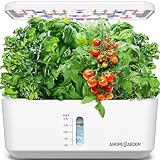
- High planting efficiency: Start an indoor herb garden with the Ahopegarden hydroponic growing system, which includes a water reservoir, an overhead LED grow light, and a circulation system that keeps the water fresh. The hydroponic setup and lighting systems allow plants to grow up to faster and healthier in controlled conditions. Simply add plant seeds, water, and nutrients to the reservoir and watch the plants grow
- 10 Pods & Water Level Window Included: This indoor grow kit with light offers 10 growing stations, The reservoir of our hydroponic vegetable garden kit also comes with a see-through water level window, so with a glance, you can see how much water is in the reservoir and when it’s time to add more water.
- 2 Growing Modes for Veggies, Fruits & Flowers: The grow light of our indoor veggie growing system features full-spectrum lamps that simulate natural sunlight, and you can choose between two different light modes (vegetables or flowers&fruit ) based on what you are growing, blue for vegetables and red for fruit. Flowers also can be grown in this indoor plant grower system
- 14.5 Inches Height-Adjustable Light Post: Our harvest indoor hydroponic garden comes with a bright grow light that can be adjusted in height as the plants grow taller. Plants can grow up to 15.3 inches. What is more, the grow lights are on a 16-hours-on, 8-hours-off timer. So with an automatic light timer, there is really not much you have to do to get your plants growing
- Enjoy the fun of family planting: This indoor garden plant germination kit is an ideal hydroponic growing system for families. hydroponic herb growing kit is small enough to fit on the counter in the kitchen, which allows users to grow herbs and vegetables indoors year-round
Next, decide how water is controlled. Every herb project should have a removable tray, washable surface or waterproof liner. If you cannot explain where water goes when a pot is overfilled, the design is not ready.
Do these 3 things before closing this tab:
1Clear out junk files and repair common Windows errors2Scan for outdated or missing drivers - takes under a minute3Repair Windows errors before they cause bigger problemsThen solve light and power. Use plug-in listed LED fixtures for simple DIY work. Keep lights 6 to 12 inches above herbs when possible, and use a timer in the 10 to 16 hour range, with 12 to 14 hours as a practical target for many indoor setups. Bring in a licensed electrician for added outlets, concealed wiring, hardwired fixtures or any questionable wet-area condition.
Finally, build for maintenance. Leave front access for pruning. Make trays removable. Use hardware that can be wiped clean. Avoid tiny cubbies that look charming but cannot be cleaned without dismantling the whole feature.
Where Herb Features Fit in a Remodel Budget
Herb features are usually best as small add-ons to other work. During a backsplash replacement, add the ledge. During cabinet installation, include a pantry insert. During electrical rough-in, add the outlet where the grow-light station actually needs it. During bathroom work, improve ventilation before adding plant storage.
Cosmetic kitchen refreshes in 2026 commonly fall around $5,000 to $15,000, while midrange remodels often land around $25,000 to $55,000. A minor midrange kitchen remodel has recently averaged around $28,458, with major midrange work around $82,793. Against those numbers, a $100 to $400 materials-level herb shelf or light station can deliver a custom feel without becoming the budget driver. The expensive part is usually not the herb idea; it is opening finished surfaces later because the idea was not planned early.
Quick wins for a faster PC:
Scan for outdated or missing drivers - takes under a minuteDriver Scan →Repair Windows errors before they cause bigger problemsFix Now →The best indoor herb projects look simple because the construction decisions are handled quietly. The shelf is solid. The tray comes out. The finish wipes clean. The outlet is where it should be. The fan controls humidity. That is what separates a durable home feature from another object sitting on the counter.
Frequently Asked Questions
Do I need a permit to add a built-in herb shelf or grow-light station?
A surface-mounted shelf usually does not need a permit, but electrical, plumbing, mechanical or framing changes may. Added receptacles, concealed wiring, hardwired lighting and work in wet areas should be checked against local code requirements.
Can I put grow lights under kitchen cabinets safely?
Yes, if you use listed plug-in LED fixtures, keep cords away from sinks and cooktops, avoid pinching cords through cabinet doors and use GFCI-protected power where required. Hire an electrician for hardwired fixtures, new outlets or concealed wiring.
How much does a DIY indoor herb garden cost in 2026?
A simple DIY shelf or drying rack typically costs $40 to $200 in materials. Plug-in grow-light setups usually run $30 to $150. Countertop herb kits range from about $30 to $250 for most small systems, while premium vertical systems can run $449 to $899.
Recommended Free Tools
What is the best place in a kitchen for an indoor herb garden?
The best spot is near natural light, close enough for daily use, but outside direct splash, cooktop heat and busy prep paths. A 5- to 7-inch-deep ledge near a window or a plug-in grow-light shelf along an open wall often works better than crowding the sink.
How do I keep an herb wall from causing mold or cabinet damage?
Use removable drip trays, sealed shelf edges, washable finishes and real wall anchoring. Keep indoor humidity below 60 percent and ideally between 30 and 50 percent. Treat condensation on windows, walls or cabinets as a sign that the design or ventilation needs adjustment.
When should I hire a contractor or electrician for an herb-garden project?
Hire a pro when the project involves tile, cabinetry, stone, added outlets, hardwired lighting, plumbing, poor ventilation or unknown wall structure. Simple freestanding kits and surface-mounted shelves can be DIY, but wet areas and power deserve extra caution.
Quick Recap
Product prices and availability are accurate as of the date/time indicated and are subject to change. Any price and availability information displayed on Amazon at the time of purchase will apply.

