Do these 3 things before closing this tab:
1Clear out junk files and repair common Windows errors2Fix the driver behind crashes, sound loss and screen glitches3Repair Windows errors before they cause bigger problemsSome links on this page are affiliate links: if you buy through them we may earn a commission, at no extra cost to you.
The most effective hurricane preparation happens before conditions deteriorate: protect openings, clear drainage, secure anything that can become airborne, make an evacuation decision, and stage several days of supplies. Your local emergency manager’s instructions and your property’s flood, wind and construction risks determine the right action. FEMA guidance is national advice, not an engineering assessment of an individual building.
Start with a calm property walk-through
Walk around the home while weather is calm and record what could fail, clog, blow away or become inaccessible. Look at every window and exterior door, roof drainage path, gutter, downspout, drain, balcony, shed, carport and utility area. Note which outdoor objects must be tied down, stored or moved indoors. Take photographs of the property’s pre-storm condition and keep them with your home records; they can help establish what changed after the storm.
As an Amazon Associate I earn from qualifying purchases.
The Tool Desk
Outbyte Driver Updater FREEFix the driver behind crashes, sound loss and screen glitchesFind Drivers →Outbyte PC Repair FREERepair Windows errors before they cause bigger problemsFix Now →FEMA’s 2024 How to Stay Safe When a Hurricane Threatens hazard information sheet summarizes the property work this way: “Protect your property. Install hurricane shutters or reinforce windows. Declutter drains and gutters. Secure outdoor items and furniture or move them indoors.” These steps reduce foreseeable exposure, but no single measure guarantees that a home will avoid damage.
Protect windows and other openings
Identify the dimensions, construction and location of each opening that may need protection. FEMA advises installing hurricane shutters or reinforcing windows. A protection system must be appropriate for the building and installed correctly; suitability can depend on local building codes, the wall and window construction, the direction of exposure, storage requirements and whether a qualified installer is needed.
Popular on Amazon
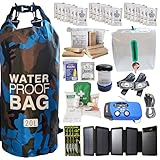
- Comprehensive Hurricane Kit: This pre-packed hurricane kit includes all the essential hurricane preparedness items for home safety, such as a hurricane lantern, hurricane food, and a hurricane radio weather radio, ensuring you are fully prepared for any emergency.
- Waterproof and Durable Bag: Conveniently packed in a waterproof bag, this hurricane emergency kit is designed to protect your hurricane supplies for home from water damage, ensuring that all your essential hurricane preparedness items remain dry and functional.
- Designed for Two People: Our hurricane kit emergency for home is thoughtfully designed to cater to the needs of two people, including enough hurricane preparedness items food, water and hurricane lights for indoor use, providing peace of mind for you and your loved ones.
- Essential Hurricane Gear: This kit includes a variety of essential hurricane items such as a led hurricane camping lantern, hurricane phone charger, and emergency hurricane supplies to ensure that you have all the necessary tools for effective hurricane preparedness.
- Emergency Communication Tools: Stay informed with the included hurricane radio weather radio, an indispensable part of your hurricane supplies. This radio ensures that you receive critical updates and alerts, making it a vital component of your hurricane emergency kit.
| What to verify | Questions for your home |
|---|---|
| Code approval | Is the shutter, panel or reinforcement method accepted by the building department for your address? |
| Fit | Does it match the actual width, height, frame and mounting surface of each opening? |
| Installation | Can you install it safely before hazardous weather, or should a qualified professional do the work? |
| Storage and access | Can panels or shutters be stored dry and retrieved without blocking exits, vents or emergency equipment? |
| Building compatibility | Will the attachment method work with the home’s siding, masonry, framing and existing hardware? |
Do not wait until winds are rising to improvise a system. If you rent, ask the landlord or property manager which window protection is approved and who is responsible for installing it. Never block an exit that household members or responders may need.
Clear drainage before rain arrives
Remove leaves, branches and other debris from gutters, downspouts and ground-level drains. Check that downspouts discharge away from the foundation where the property’s design allows. Do not climb onto a wet or steep roof as a storm approaches. If a drain, roof or gutter needs work beyond a safe ground-level check, arrange a qualified contractor while conditions are calm.
Quick wins for a faster PC:
Clear out junk files and repair common Windows errorsFree Scan →Scan for outdated or missing drivers - takes under a minuteDriver Scan →Secure objects that can become debris
Bring in or firmly secure patio furniture, grills, planters, umbrellas, tools, toys, trash containers, signs and loose equipment. Close and latch sheds and outbuildings. Move vehicles to a location that will not be exposed to avoidable falling objects or floodwater, while keeping evacuation routes clear. Do not create a new hazard by stacking heavy items against windows, doors or stairs.
Make the evacuation and shelter decision before the emergency
Find your evacuation zone, official routes, local alert channels and designated shelters before a warning is issued. Write down at least one destination outside the threatened area and a backup. Keep the plan where everyone can find it, including children, guests, caregivers and anyone who may need assistance.
Follow local evacuation orders
If officials order your zone to evacuate, leave when instructed rather than treating a shelter-in-place checklist as an alternative. Local emergency managers know the area’s storm-surge, flood, road and shelter conditions. Check current route and shelter status through your local government or emergency-management agency because locations and operating hours can change.
Also popular on Amazon

- [Preparedness for the Unknown]: While no one can predict when or how severe a disaster or unexpected event will be, our 262pcs survival kit helps your family stay prepared during the critical first 72 hours. Designed for family use, it was developed in collaboration with survival experts, outdoor professionals, special forces operators, and mountain guides. Whether you're preparing for earthquakes, tornadoes, wildfires, or hurricanes, our survival kit provides peace of mind.
- [Comprehensive Emergency Supply Kit]: The included emergency supplies are stored in a bright red pouch, containing tweezers, scissors and pins, non-woven pad, triangular cotton cloth, cotton swabs, cotton balls, a generous supply of adhesive strips etc., meeting your general emergency and outdoor needs. It also includes an emergency information card to record your basic information, helping others quickly access important information when needed.
- [Safety Companion for Journey]: Our emergency kit includes many survival gear and supplies to ensure access to food, water, warmth, and light in a crisis. The fishing kit and multi-usage spoon help you catch and prepare food, while the collapsible water container bag helps store water. Fire starter and stick make it easy to build a fire. A flashlight, camping lamp, and glow sticks provide up to 72 hours of lighting, crucial for signaling for help and safe navigation.
- [Essential Survival Gear]: Additionally, this survival kit includes a detachable multifunctional axe with hammer and a 2-in-1 shovel with pick, made of sturdy carbon steel. Combined with wire saw, emergency tent and blanket, rope, and compass, you can quickly set up an emergency shelter while helping retain warmth. Unlike other mini axes, our axe and shovel are 17 inches long, providing effective protection in the wild against animals or in other emergencies.
- [Convenient Packaging]: The survival gear and supplies are packed in a crossbody bag, making it easy to carry and access in emergencies. The bag features multiple compartments and molle compatible straps and D-rings, allowing you to attach extra pouches or survival tools. The crossbody strap is also detachable, making it easy to connect to a tactical survival backpack using carabiners or the molle system.
Create an emergency communication plan with an out-of-area contact, meeting points and the details of who collects children, pets or dependent adults. FEMA notes that text messages or other messaging may work better than voice calls when networks are congested or partly disrupted. The FEMA app can provide alerts for up to five locations nationwide; that is a notification feature, not a substitute for local evacuation instructions.
If officials say to shelter in place
Choose the safest room based on both wind and flood risk. When flooding is not expected, FEMA advises using the lowest level that will not be affected by floodwater: a safe room, storm shelter or small interior, windowless room in a sturdy building. Stay away from windows, glass doors and exterior walls.
If rising water threatens the building, move to the highest level that remains accessible. Do not enter a closed attic, where rising water can trap occupants. An evacuation order always takes priority over this generic sheltering guidance. If the building is not structurally sound or local officials direct you elsewhere, leave rather than attempting to ride out the storm.
Assemble a household emergency kit
Prepare food, water and essential supplies for several days. FEMA’s checklist PDF uses at least a three-day supply of water and nonperishable food as a baseline; three days is not a guarantee that roads, utilities or stores will be usable for every household or disruption.
| Category | Items to stage and maintain |
|---|---|
| Lighting and information | Flashlight, extra batteries, multipurpose tool, whistle, phone, spare battery or charger, and an AM/FM or NOAA Weather Radio with extra batteries. |
| Water and food | Drinking water and nonperishable food for at least three days, using the FEMA checklist baseline and adjusting for household size and medical needs. |
| Health | Prescription and essential over-the-counter medications, first-aid supplies, glasses, hearing-aid supplies and required medical equipment. |
| Sanitation and clothing | Personal-hygiene and sanitation items, sturdy shoes, changes of clothing, blankets and other weather-appropriate necessities. |
| Household-specific needs | Infant supplies, children’s comfort items, pet food and carriers, mobility or communication equipment, and supplies for older adults or people with disabilities. |
| Records and money | Copies of identification, insurance information, prescriptions, contact numbers and other important records, plus a way to pay if electronic systems are unavailable. |
Store the kit where every household member can reach it and keep a smaller grab-and-go version for evacuation. Replace expired food, depleted batteries and medications according to their labels. Keep equipment that requires electricity charged while the forecast is still favorable, and know which medical devices need backup power.
Recommended Free Tools
Also popular on Amazon

- 72 HOUR EMERGENCY KIT FOR 2 PEOPLE WITH FOOD AND WATER: Includes 2 emergency food bars totaling 4800 calories and 12 sealed drinking water pouches to support hydration and energy during disasters. Designed for emergency preparedness, survival kits, earthquake kits, and evacuation planning.
- COMPLETE DISASTER SURVIVAL KIT WITH SHELTER AND WARMTH: Equipped with 2 emergency ponchos and 2 survival blankets to help protect against rain, wind, and cold conditions. Critical gear for outdoor emergencies, power outages, and shelter in place situations.
- FIRST AID KIT AND SAFETY PROTECTION SUPPLIES: Features a 33 piece first aid kit, dust masks, and nitrile gloves to support basic medical care and protection from debris and airborne particles. Essential for emergency response, injury care, and disaster safety.
- EMERGENCY LIGHTING AND SIGNALING TOOLS INCLUDED: Comes with 2 long lasting 12 hour lightsticks and a safety whistle for visibility and communication in low light or rescue situations. Ideal for blackout emergencies, nighttime evacuation, and search scenarios.
- COMPACT BACKPACK FOR GRAB AND GO EVACUATION: Lightweight emergency backpack keeps all survival supplies organized and ready for fast response. Perfect for home emergency kits, car emergency kits, office preparedness, and bug out bags.
Protect important documents
FEMA’s hazard guidance recommends keeping important documents in a dry, safe place such as a fireproof and waterproof box, or creating password-protected digital copies. Store policy numbers, inventories, identification, medical information and key contacts in a way that remains accessible if the home is damaged. Do not put the only copy in a vehicle or an area likely to flood.
Review insurance before you need to file a claim
Read your own policy and ask the insurer how it treats hurricane-related wind, water, evacuation, temporary living expenses, deductibles, exclusions and deadlines. FEMA states that standard insurance policies do not cover flooding; separate flood coverage may be needed. Whether a particular loss is covered depends on the policy, the cause of damage and the circumstances, so obtain an explanation from your insurer rather than relying on a general rule.
Keep the insurer’s claims number and policy information in both paper and password-protected digital form. An inventory with photographs, model or serial numbers and approximate purchase dates can make a claim easier to document. Renters should review coverage for personal belongings and ask the property manager how to report building damage; the landlord’s policy generally addresses the structure, while a renter’s policy may address belongings and other covered costs.
Independent reader supportYour contribution helps us test, update, and keep practical guides available for everyone.Use a final pre-storm checklist
When a watch, warning or evacuation notice is issued, stop nonessential projects and use official updates to set priorities. A short checklist helps prevent a critical task from being forgotten:
Free tools Windows power users keep installed
One-click scans. No signup required.
- Confirm the evacuation zone, route, destination, transportation and pet arrangements.
- Charge phones, backup batteries, medical devices and radios; test flashlights.
- Bring outdoor furniture, tools, containers and loose decorations inside, or secure them as designed.
- Clear gutters, drains and accessible downspouts without taking unsafe risks.
- Install approved shutters or window reinforcement according to the system’s instructions.
- Move the emergency kit, documents, medications and essential equipment to the planned location.
- Set the refrigerator and freezer according to the appliance instructions, limit unnecessary opening, and follow local utility guidance.
- Tell relatives, neighbors or caregivers your communication plan, then monitor official alerts.
- Leave immediately if local authorities order evacuation; do not wait for conditions to become dangerous.
Never delay evacuation to finish boarding windows, collect possessions or check a second property. If officials have not ordered evacuation and you shelter, remain in the selected safe location and keep monitoring updates.
Also popular on Amazon
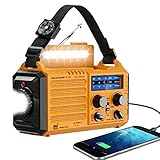
- 【NOAA Weather Alert Radio Keeps You Prepared Ahead】Our NOAA Weather Radio is certified by National Weather Service. Choose WB band and one of the 7 preset weather band to tune into your local weather station. When the National Weather Service issues a severe weather alert, the radio will make a loud SOS alarm that lasts for 9 secs, meanwhile, the red light flashes.You will never miss it even at sleep. Great 𝗲𝗺𝗲𝗿𝗴𝗲𝗻𝗰𝘆 𝗸𝗶𝘁 for tornadoes, tsunamis, Wildfire, hurricane & snowstorm.
- 【AM FM Shortwave Radio with Earphone Jack-Best Listening Experience】Easy to tune into your favorite broadcast, AM Radio(520-1710 Khz); FM Band(88-108MHz); SW Radio(7-19.00 MHZ). The crank radio has a comprehensive coverage of entertainment, sports, news or overseas broadcast like The BBC/Moscow/Beijing. The telescopic antenna makes it a portable radio with best reception. Big volume knob is designed for easy volume adjustment and the 3.5mm headphone jack for your enjoying radio shows privately.
- 【5 Power Sources-Long Runtime】This 𝘀𝗼𝗹𝗮𝗿 𝗰𝗿𝗮𝗻𝗸 𝗿𝗮𝗱𝗶𝗼 is ready and save your life in emergency. Built-in 5000 rechargeable battery, the 𝗘𝗺𝗲𝗿𝗴𝗲𝗻𝗰𝘆 𝗥𝗮𝗱𝗶𝗼 is easily recharged by solar/hand crank/power plug( 5V/2A, not included)and USB cord(included). Besides, it is also equipped with backup battery compartment(3pcs*AAA batteries, not included). No more power failure concerns in any situation. The full charged solar radio will last up to 13 hours only playing FM radio.
- 【All-in-One Portable Radio with LED Flashlight/Reading Lamp】Our 𝗵𝗮𝗻𝗱 𝗰𝗿𝗮𝗻𝗸 𝗿𝗮𝗱𝗶𝗼 is also designed for outdoor survival- provides 2 light sources.The side 3W LED flashlight provides strong and straight light to light up 80 meters away. A very vital survival gear and equipment if you are lost at night. 2.5W Reading Lamp with 2 adjustable brightness- Flipping up the solar panel makes the emergency crank radio a reading lamp with 6 built-in LED bulbs to illuminate 20㎡ room or campsite.
- 【Versatile for Emergency】Built in USB output port, this 𝗯𝗮𝘁𝘁𝗲𝗿𝘆 𝗼𝗽𝗲𝗿𝗮𝘁𝗲𝗱 𝗿𝗮𝗱𝗶𝗼 can charge more than one cellphone for important calls or texts. Besides, the compact light weight noaa emergency weather radio comes with a compass, hand strap, perfect for outdoor camping, field survival, hiking, trekking and night biking. We care you and provide one-year warranty, just email us with any question.
What to do after the hurricane
Wait for permission to return
Do not reenter until local officials say it is safe. Roads, bridges, utilities and buildings may remain hazardous even after the wind and rain end. Follow instructions about curfews, boil-water notices, electrical service and restricted areas.
Stay out of floodwater
Floodwater can hide debris, downed power lines, sewage, chemicals, unstable ground and dangerous animals. FEMA’s safety wording is “Turn around, don’t drown!” Its 2024 hazard sheet states: “Just six inches of fast-moving water can knock you down and one foot of moving water can sweep your vehicle away.” Those figures are FEMA’s published guidance; do not drive or walk through moving water to inspect a home.
Document damage without creating another injury
From a safe location, photograph and video damage before moving items or beginning cleanup. Do not enter an unstable structure, stand near downed wires or go into contaminated water to obtain pictures. Contact the insurer promptly and follow its instructions about inspections, emergency mitigation, receipts and temporary repairs. FEMA advises having a professional inspect damaged property before attempting cleanup or repairs.
Windows Errors? Fix Them Before They Spread
Repair common Windows errors and clear accumulated junk for a smoother, more stable PC - no reinstall needed.Free scan · no reinstallCrashes, No Sound, or Screen Glitches?
Random freezes, missing sound and display glitches usually trace back to one bad driver. Find and replace yours safely.Free scan · under a minuteUse protective equipment and avoid generators, chainsaws, electrical systems and mold-contaminated materials unless you are trained and conditions are safe. Keep receipts for authorized emergency work and record the date, contractor and work performed. If the property is unsafe, leave and follow local shelter or temporary-housing instructions.
How to adapt the plan to your property
National guidance cannot determine whether a particular home should evacuate, which window system meets local code or how much water a site will receive. A coastal home, an inland home near a river, a high-rise apartment and a manufactured home face different exposure and access issues. Use the property walk-through to identify risks, then confirm decisions with local emergency managers, the building department, your insurer and qualified professionals when needed.
For renters, the practical priorities are learning the building’s evacuation route, identifying interior shelter areas designated by management, protecting personal belongings, keeping the kit portable and reporting maintenance concerns early. For homeowners, schedule code-compliant repairs and professional inspections before hurricane season rather than attempting unfamiliar structural work during a warning.
Quick Recap
Common preparation mistakes to avoid
- Relying on a single alert source: keep local government alerts, a weather radio and a charged phone available.
- Assuming three days is always enough: treat FEMA’s three-day food and water figure as a baseline and adjust for isolation, medical care, pets and household size.
- Installing unverified window protection: confirm code approval, fit and installation requirements for the actual building.
- Leaving drainage work until the last minute: clear accessible gutters and drains while conditions are safe.
- Driving around to check property after landfall: wait for reentry guidance and avoid floodwater and downed utilities.
- Entering an attic during a flood: move to a safe higher level instead; a closed attic can become a trap.
- Assuming standard insurance covers flood damage: review the policy and ask whether separate flood coverage is required.
Product prices and availability are accurate as of the date/time indicated and are subject to change. Any price and availability information displayed on Amazon at the time of purchase will apply.

