If your toilet is filling toward the rim, do not flush again. Shut off the water, protect the floor, and let the level settle. For a minor soft clog, liquid dish soap and hot tap water are the safest first attempt without a plunger. If the water does not drain, use a toilet-specific auger—not ordinary chemical drain opener—and call a professional when the blockage persists or affects other fixtures.
If the bowl is filling toward the rim, do not flush again. Turn the shutoff valve behind or beside the toilet clockwise, protect the floor with towels, and wait for the water level to settle. For a minor clog caused by toilet paper or other soft material, try liquid dish soap followed by hot tap water. If that does not work, use a toilet-specific auger—also called a closet auger or toilet snake—instead of a generic drain snake. Do not use ordinary chemical drain opener in a completely clogged toilet.
1. Prevent an overflow first
Clearing the blockage can wait a few minutes; preventing contaminated water from spilling onto the floor cannot.
As an Amazon Associate I earn from qualifying purchases.
Outdated Drivers Are Slowing You Down
One free scan finds every outdated or missing driver and matches the right update for your exact hardware.Free scan · exact hardware matchPC Slower Than It Used to Be?
A free scan shows the junk files, broken settings and background clutter dragging Windows down - then fixes them in one click.Free scan · Windows 10 & 11- Do not flush again. A second flush can send the bowl over the rim when the outlet is already blocked.
- Stop incoming water. Turn the small shutoff valve near the toilet’s base clockwise. If the toilet is still running or the valve does not stop the flow, remove the tank lid and lift the float or close the flapper temporarily while arranging help.
- Protect the floor. Place towels or an absorbent mat around the toilet base. Keep children and pets away.
- Put on gloves. Treat standing toilet water as contaminated, particularly if it has reached the floor.
These steps contain the water; they do not remove the clog. Do not test the toilet with a full flush until you have a good reason to believe the passage is open.
2. Try dish soap and hot tap water for a soft clog
This is the least invasive no-plunger method for a clog that probably consists of excess toilet paper or other soft, organic material. Dish soap may lubricate the trapway, while hot tap water can help soften paper. It is an attempt, not a guaranteed fix.
#1 Best Overall
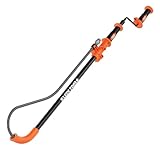
- EXTENDABLE 3-FOOT TO 6-FOOT DESIGN: Adjustable length provides versatility for shallow and deep toilet clogs with maximum reach
- HYBRID OPERATION: Manual operation for toilet unclogging plus drill chuck compatibility for added power on tough clogs
- QUICK-RELEASE HANDLE: Easily switch between manual and drill operation with convenient handle storage when using drill attachment
- DUAL-LOCK COIL STORAGE: Secure coil clip prevents debris spread after use and keeps coil stored for hygienic handling
- PORCELAIN PROTECTION: Protective boot guards toilet from marring and scratching during use
Do not use boiling water. Extreme heat can damage porcelain or other toilet components. Use hot tap water that is hot but not boiling.
- Make room in the bowl. If the water is nearly at the rim, wait for it to fall. If necessary, carefully remove some water with a disposable container and place it in a bucket. Leave enough room for the soap and water you will add.
- Add liquid dish soap. Pour a modest amount into the bowl. There is no need to empty an entire bottle into the toilet.
- Add hot tap water slowly. Pour from a bucket or container in a controlled stream. Stop if the level rises quickly.
- Wait several minutes. Give the soap and water time to work through the obstruction.
If the water level drops on its own, do not immediately perform a full flush. First add a small amount of clean water and watch whether it drains normally. If it rises again, stop and move to a toilet auger or call for professional help.
Do these 3 things before closing this tab:
1Clear out junk files and repair common Windows errors2Fix the driver behind crashes, sound loss and screen glitches3Repair Windows errors before they cause bigger problemsWhen not to try the soap method
Skip this approach if a hard object, child’s toy, sanitary product, wipes, or another foreign item may be lodged in the toilet. Soap and hot water are also a poor response to a clog that causes rapid backup or affects more than one fixture.
3. Use a toilet-specific auger
If the bowl does not drain after the soap-and-water attempt, the most useful no-plunger tool is a toilet auger. It is designed for the toilet’s curved trapway. A toilet auger has a guide that follows the outlet and a cable that reaches into the passage; many models include a coated or vinyl guard intended to reduce the chance of scratching porcelain.
A manual bulb-style toilet auger commonly has a cable of about three feet, although designs vary. Follow the instructions for the particular tool rather than assuming every auger works identically.
Rank #2

- 1 CLICK AND CLEAN: Say goodbye to plumbing headaches! With just one touch, you can instantly solve clogged toilet problems at home. Whether it’s a busy morning or late at night, this easy-to-use tool saves you time and energy without waiting for a plumber
- BUY ONCE, BE READY EVERY TIME: Mieaoll toilet plunger gives you a fast, at-home solution for sudden clogs without waiting for a plumber. Even if your current blockage is already fixed before delivery, this toilet unclogger is still worth keeping—because the next clog always comes when you least expect it, and having one ready at home saves time, stress, and costly last-minute fixes
- REAL-TIME PRESSURE DISPLAY FOR PRECISE CONTROL: Take control of your plumbing with the built-in pressure gauge. Perfect for those DIY moments when you need to fix a clogged sink before dinner or clear a toilet before guests arrive. Adjust the pressure based on the task at hand for the best results every time
- MULTIFUNCTIONAL AND VERSATILE DESIGN: Need to unclog your toilet? Clear your bathroom drain? Fix your kitchen sink? This versatile tool has got you covered. From family kitchens to busy bathrooms, its interchangeable heads make it the ultimate solution for any pipe blockage in your home
- DURABLE AND SAFE TO USE: Built to withstand the rigors of daily use, this durable plunger is the perfect addition to your home toolbox. Whether you’re clearing a shower drain after a long day or fixing a clogged sink during a weekend gathering, its safe, non-toxic, and reusable design ensures it’s always ready when you need it most
What you need
- A toilet-specific auger or closet auger—not an exposed wire or an improvised coat hanger
- Heavy-duty waterproof gloves
- Safety glasses, especially if the bowl may splash
- Towels or an absorbent mat
- A bucket if the bowl needs to be lowered first
How to operate the auger
- Confirm that no chemical cleaner is present. If you have poured drain opener into the toilet, do not plunge or auger it. Follow the product label and obtain appropriate safety advice first; the cable can cause chemical splashback.
- Position the guide in the bowl outlet. Keep the protected, curved end seated in the toilet’s outlet. For many manual models, tilting the tool toward the back of the bowl helps the cable follow the trapway.
- Advance slowly while turning the handle clockwise. Let the cable work into the obstruction. Do not ram it forward or force the handle.
- Work through the resistance carefully. The obstruction may break up, or the cable may catch an object that can be drawn back. Use only the pressure recommended by the tool manufacturer.
- Retract while continuing to turn clockwise. Pull the cable back slowly. Inspect the end for retrieved material, and clean and disinfect the tool according to its instructions.
- Test cautiously. Reopen the shutoff valve if you closed it. Add a small amount of water to the bowl and observe the drain. If it rises, close the valve again. Do not use a full flush until the toilet drains reliably.
Excessive tension can twist, kink, or break an auger cable. A generic sink snake may also be a poor choice: its exposed cable or unsuitable shape can scratch porcelain or fail to navigate the toilet’s trapway. A toilet auger is not a guarantee against a blockage farther down the building drain or sewer line.
4. Do not pour ordinary drain opener into a clogged toilet
Toilet-bowl cleaners and chemical drain openers are different products. Ordinary chemical clog removers are generally not appropriate for a completely blocked toilet. The toilet’s trap configuration can prevent the chemical from reaching the obstruction, leaving caustic liquid sitting in the bowl.
Never combine a chemical drain opener with dish soap, vinegar, baking soda, another cleaner, a plunger, or an auger. Mixing products can create hazardous reactions, and plunging or augering a bowl containing drain chemical can spray it onto skin or into the eyes.
If chemical cleaner has already been added, keep people and pets away, avoid splashing, do not add another substance, and read the product label for the required handling and disposal instructions. Tell a plumber or maintenance professional exactly what product was used.
Rank #3
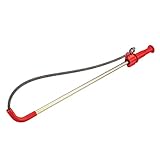
- K-3 TOILET AUGER: Provides fast, efficient, and safe clearing of even the toughest blockages in your toilet and can negotiate water-conserving toilets
5. Know when the clog needs professional help
Stop DIY attempts and contact a plumber, drain professional, landlord, or building maintenance team when:
What’s actually slowing this PC down?
Pick the symptom - the matching free tool is one click away.
- the auger does not clear the blockage;
- a toy, hard object, sanitary product, or other foreign item may be lodged in the toilet;
- the toilet repeatedly clogs after it appears to be cleared;
- water backs up in a sink, tub, shower, or another toilet as well;
- sewage or contaminated water is backing up;
- the toilet continues to overflow; or
- the shutoff valve will not stop incoming water.
What not to do
- Do not keep flushing. Repeated flushing is the fastest way to turn a clog into water damage.
- Do not use boiling water. Hot tap water is the safer limit for the household method described here.
- Do not rely on baking soda and vinegar. They are not established here as a dependable way to dissolve every toilet clog, and the reaction is not a substitute for a toilet-specific mechanical tool.
- Do not use ordinary chemical drain opener in a fully clogged toilet.
- Do not improvise with wire. An exposed wire can scratch porcelain, damage the trapway, or push an object farther in.
- Do not force an auger. Excessive pressure can damage the tool or the toilet.
The safest order of operations
- Stop flushing and shut off the water if the bowl is rising.
- Protect the floor and wear gloves.
- For a likely soft paper clog, try a modest amount of dish soap and hot—not boiling—tap water.
- If the water does not fall, use a toilet-specific auger according to its instructions.
- Do not use ordinary chemical drain opener or mix cleaning products.
- Escalate to a plumber or maintenance professional if the auger fails, a hard object is involved, or other fixtures are backing up.
Frequently Asked Questions
How do I stop a toilet from overflowing?
Turn the toilet’s shutoff valve clockwise, usually at the wall or floor behind the toilet. If water continues entering the bowl, close the flapper or lift the tank float temporarily and arrange maintenance.
Can dish soap and hot water unclog a toilet?
A modest amount of liquid dish soap followed by hot, non-boiling tap water may help a minor soft clog caused by paper or organic material. It is not dependable for hard objects, sanitary products, or rapid backups.
Rank #4

- Rechargeable Electric Air Pump - Up to 5 Bar: Pressurizes in seconds at the push of a button, no manual pumping. For full pressure, fully tighten the stainless canister before use—a secure seal is what lets it reach up to 5 Bar.
- Built for Everyday Toilet Clogs: Clears soft blockages like toilet paper and human waste in standard household toilets. For stubborn clogs, reseat the head firmly and use short repeated bursts instead of one long blast.
- Tighten the Stainless Canister for a Proper Seal: The stainless body threads onto the base to form the air-tight seal. Hand-tighten clockwise until it stops before every use—a loose canister is the #1 cause of low pressure and air leaks.
- Know What It's For (and What It Isn't): Designed for household toilets. Not intended for hard objects such as towels, toys, plastics, or tree roots. This is not a drain snake or auger. Please measure your toilet opening before ordering to confirm fit.
- Rechargeable, Chemical-Free & Backed by POPULO: Clears drains with compressed air, no harsh chemicals—reusable and safer for household plumbing. Fully charge before first use. Includes storage bag and a 2-Year Warranty.
What tool works best when I do not have a plunger?
Use a toilet-specific auger, also called a closet auger or toilet snake. Its guide is designed for the toilet’s curved trapway and is less likely to damage porcelain than an improvised wire or unsuitable general-purpose snake.
Can I use Drano or another chemical drain opener in a clogged toilet?
No. Ordinary chemical drain openers are not recommended for a completely clogged toilet. If chemical cleaner is already in the bowl, do not plunge or auger until you have followed the product label’s safety instructions.
When should I call a plumber for a toilet clog?
Call a plumber or maintenance professional if the auger fails, a hard object may be lodged inside, the toilet repeatedly clogs, sewage backs up, or multiple fixtures are affected. Multiple-fixture backup may indicate a problem farther down the drainage system.
The Bottom Line
Bottom line: Stop flushing, prevent an overflow, and try dish soap with hot tap water only for a minor soft clog. If that fails, a toilet-specific auger is the appropriate no-plunger tool. Avoid ordinary chemical drain openers, and call a professional for persistent, repeated, multi-fixture, or sewage-related backups.
Quick Recap
Product prices and availability are accurate as of the date/time indicated and are subject to change. Any price and availability information displayed on Amazon at the time of purchase will apply.
Free tools Windows power users keep installed
One-click scans. No signup required.

