Free tools Windows power users keep installed
One-click scans. No signup required.
Some links on this page are affiliate links: if you buy through them we may earn a commission, at no extra cost to you.
Beekeeping can be a rewarding way to study honey-bee biology, manage a living colony, and harvest honey, but it is not a one-time purchase or a guaranteed crop. You will need training, suitable equipment, a legal and safe site, regular seasonal inspections, and a plan for disease, pests, weather and winter losses. The safest first move is to take a local introductory course or taster day, visit an apiary, and find a mentor before ordering bees or a hive.
What beginner beekeeping actually involves
A honey-bee colony is a managed livestock system, not a decorative garden feature. You will open the hive, assess brood and food stores, look for the queen or evidence that she is laying, monitor pests and disease, add or remove boxes as conditions change, and prepare the colony for periods of poor forage or winter. Weather and nectar availability can change the plan from week to week.
As an Amazon Associate I earn from qualifying purchases.
The British Beekeepers Association (BBKA) puts the commitment plainly: “Keeping bees healthy and productive requires knowledge and skill.” That knowledge includes bee behavior, safe handling, smoker technique, hive construction, seasonal management and recognition of abnormal brood, adult bees or food stores. A beginner who learns those skills locally is less likely to buy incompatible equipment, spread disease or discover too late that a site is unsuitable.
What you may gain
- Hands-on understanding of colony behavior, communication and seasonal cycles.
- Honey and other hive products when the colony is strong and local forage is adequate.
- A practical outdoor activity with a clear routine and measurable husbandry decisions.
- Possible local pollination benefits, while recognizing that managed honey bees are not a complete substitute for protecting wild pollinator habitat.
What you must accept
- Upfront spending on bees, hive components, protective clothing and tools, followed by ongoing upkeep.
- Regular inspections and interventions during the active season; there is no reliable universal labor-hour estimate.
- Stings, sometimes despite careful technique. BBKA says, “Yes, you are likely to have an occasional sting.”
- Uncertain outcomes: disease, parasites, extreme weather, forage shortages and winter mortality can affect colony survival and honey production.
- Responsibility for neighbors, visitors, pets, livestock and anyone who may be allergic to stings.
Is beekeeping right for you?
Use the questions below before committing money or live bees. A “no” does not permanently rule out beekeeping, but it identifies a problem to solve first.
Popular on Amazon

- 𝗔𝗟𝗟-𝗜𝗡-𝗢𝗡𝗘 𝗕𝗘𝗘𝗞𝗘𝗘𝗣𝗜𝗡𝗚 𝗞𝗜𝗧: Our beekeeping supplies tool kit includes 30 professional tools to meet every beekeeping scenario: stainless steel hive openers and honey scrapers are high-hardness and non-deformable; wooden-handled frame grips and wire tighteners reduce hand fatigue; natural plant-based calming pellets gently soothe bee colonies without causing harm, paired with a heat-insulated calming device for safer operation. Additionally, it comes with refined management tools such as a queen bee catcher, bee brush, and feeder—providing professional equipment support for every step from daily maintenance to honey harvesting.
- 𝗛𝗜𝗚𝗛-𝗤𝗨𝗔𝗟𝗜𝗧𝗬 & 𝗗𝗨𝗥𝗔𝗕𝗟𝗘 𝗠𝗔𝗧𝗘𝗥𝗜𝗔𝗟𝗦: All bee keeping supplies tools are crafted with high-standard materials: core tools are made of rust-resistant stainless steel, which is not easy to bend or warp and has a much longer service life than ordinary products; the beekeeping suit uses wear-resistant and breathable fabric, balancing protection and comfort; wooden handles are finely polished for a snug, non-slip grip. The entire kit undergoes strict quality inspections, capable of withstanding frequent use in complex outdoor environments.
- 𝗙𝗨𝗟𝗟-𝗕𝗢𝗗𝗬 𝗦𝗘𝗔𝗟𝗘𝗗 𝗣𝗥𝗢𝗧𝗘𝗖𝗧𝗜𝗢𝗡: The bee keeping supplies-all’s core full-body bee suit is crafted from thickened, high-density fabric, paired with a sealed design to create an all-around protective barrier that effectively shields against bee stings. The unisex cut fits both men and women, with elastic cuffs at the wrists and ankles—preventing bees from sneaking in while ensuring operational flexibility. The beekeeper suit's detachable fencing hood is equipped with a high-definition transparent face shield, balancing facial protection and clear visibility, keeping you comfortable even during long hours of work.
- 𝗣𝗢𝗥𝗧𝗔𝗕𝗟𝗘 𝗦𝗧𝗢𝗥𝗔𝗚𝗘 𝗕𝗔𝗚: Comes with a high-quality Oxford cloth storage tote bag featuring multiple partitioned pockets, allowing you to categorize and store tools and accessories—avoiding clutter and loss, and making access quick and easy. The tote bag is wear-resistant and easy to clean, not prone to mold in damp environments, effectively protecting tools from damage. Whether storing at home or carrying to outdoor apiaries, it keeps your tools neat and organized, significantly improving beekeeping efficiency and serving as a practical assistant for apiary management.
- 𝗕𝗘𝗚𝗜𝗡𝗡𝗘𝗥-𝗙𝗥𝗜𝗘𝗡𝗗𝗟𝗬 : No more hassle of selecting scattered tools—this bee keeping starter kit includes everything you need to start your beekeeping journey, from core operation tools to full-body protective gear. Specifically optimized for beginners, it’s easy to use without professional knowledge—whether it’s hive inspection, queen bee management, or honey harvesting, you’ll have the right specialized tool for every key task.
- Can you make time for inspections? Colonies need attention that follows weather and bee activity, not a fixed annual appointment.
- Are you comfortable working around stinging insects? Protective clothing reduces risk but does not remove it. Anyone with a history of severe reactions should discuss personal precautions with a qualified medical professional.
- Can you lift and move boxes safely? Honey supers and brood boxes become heavy. Choose equipment you can handle repeatedly, or arrange help.
- Do you have a suitable site? You need safe access, forage, a reliable nearby water source and enough separation from people and property boundaries under your local rules.
- Can you obtain local help? A nearby association, extension educator or experienced mentor can identify regional pests, seasonal timing and accepted hive systems.
- Can you tolerate variable results? A first colony may produce little or no surplus honey while you learn, and a colony can still fail despite good care.
Learn before buying bees or equipment
BBKA recommends a taster day, an introductory course, local association support and a mentor where available. This order matters: practical observation shows how bees react, how much lifting is involved and how local weather changes inspection timing. It also lets you ask which hive dimensions, protective standards and bee suppliers are actually supported in your area.
- Attend a taster day or apiary visit. Watch a complete inspection, including lighting and extinguishing a smoker, opening the hive, replacing frames and closing the colony calmly.
- Take an introductory course. Look for instruction covering bee biology, safe handling, smoker use, seasonal management, swarm control, feeding, disease and pest recognition, and winter preparation.
- Join a local association or contact an extension educator. Ask about meeting dates, equipment demonstrations, local regulations, reputable bee sources and emergency advice.
- Arrange mentoring. A mentor can check your first inspections, identify abnormal brood or behavior and help you avoid spreading disease through careless equipment exchange.
- Read a current beginner reference. A book can reinforce lessons but cannot replace local instruction. Ask your association which title and edition reflect current practice; availability and editions change.
Check laws, property rules and the site first
Rules differ by country, state, municipality and property type. Alabama Cooperative Extension notes that laws and homeowners-association rules can determine whether backyard colonies are permitted. Before ordering bees, check your local agriculture or animal-health authority, municipal code, lease terms and homeowners-association rules. Confirm registration, setback, fencing, notification, inspection and disease-reporting requirements where applicable.
Windows Errors? Fix Them Before They Spread
Repair common Windows errors and clear accumulated junk for a smoother, more stable PC - no reinstall needed.Free scan · no reinstallCrashes, No Sound, or Screen Glitches?
Random freezes, missing sound and display glitches usually trace back to one bad driver. Find and replace yours safely.Free scan · under a minuteAlso popular on Amazon

- Bee Suit with Gloves: Made from breathable fabric with a removable mesh hood for ventilation and visibility. Includes gloves for complete coverage and comfort
- Complete Beekeeping Tool Kit: This 31-piece kit covers honey harvesting, queen catching, hive reinforcement, inspection, and maintenance. Made from stainless steel, plastic, wood, polyester, nylon, and oxford fabric for long-lasting durability
- Practical Tools for Every Task: Includes bee smoker, bee frame holder, frame grip, honey gate, honey filter bag, queen cage, bee feeder, bee brush, hive tools, and more — everything you need for successful beekeeping
- Beekeeping Tool Organizer Bag: Made from durable oxford fabric, this tool bag features multiple pockets and ample storage space. Keeps your tools organized and easy to carry
- Beekeeping Essentials: Whether you're just starting out or have years of experience, this kit meets a wide range of beekeeping needs — from routine maintenance to full honey extraction. A dependable companion for beginners and pros alike
Site suitability checklist
- Flight path: Position entrances so routine bee traffic is directed above head height or away from paths, doors and play areas where practical.
- Access: Leave enough room to stand behind or beside the hive, carry equipment and work without stepping into the flight line.
- Forage: Identify flowering plants and seasonal gaps within the bees’ foraging range. Do not assume a flowering garden guarantees a surplus.
- Water: Provide a dependable source before the colony needs one. Agriculture Victoria advises nearby water and a landing surface that helps prevent drowning; its detailed requirements are jurisdiction-specific, not universal law.
- Ground and drainage: Use a stable, level stand that keeps boxes off wet ground and allows a slight forward tilt for drainage where your local method recommends it.
- Neighbors and safety: Discuss placement with household members and nearby residents when appropriate, and plan for children, pets, livestock and visitors.
Minimum equipment for a first colony
BBKA’s minimum list includes a suitable hive, protective clothing, a smoker and fuel, a hive tool, a feeder and bees. You also need a way to transport and store equipment, and a plan for cleaning and isolating suspect material.
| Item | Purpose | Buying checks |
|---|---|---|
| Hive and compatible boxes, frames and foundation | Provides the colony’s living and storage space. | Confirm dimensions, frame style and replacement-part availability from the same or reliably compatible supplier. |
| Protective veil or suit, gloves and sturdy footwear | Reduces exposure to stings and protects hands and ankles. | Check fit, ventilation, closures and visibility; practice moving in it before an inspection. |
| Smoker, fuel and ignition method | Produces cool smoke used to manage bee behavior during handling. | Learn safe lighting, airflow and extinguishing; keep fuel dry and secure. |
| Hive tool | Separates propolized boxes and frames and lifts frames. | Choose a durable tool that matches your frame-handling technique; “beekeeping hive tool” is a precise search term for this category. |
| Feeder | Delivers feed when local conditions or colony strength make supplemental feeding appropriate. | Use the type recommended by your mentor and prevent robbing or drowning. |
| Bees | Starts the colony. | Source from a reputable local supplier and ask about health records, queen status and transport timing. |
Additional consumables and protective items may include spare frames, a box for removed material, a first-aid kit, a notebook or inspection app, cleaning supplies and a secure place to store equipment. A generic starter kit may omit crucial sizes, protective pieces or locally required components, so compare its contents with your mentor’s checklist rather than assuming it is complete.
Also popular on Amazon
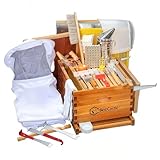
- Complete Beehive Starter Kit: Includes Wax Coated Assembled Deep Brood Box, Solid Bottom Board, Telescoping Top Cover, Inner Cover, Queen Excluder, and Entrance Reducer
- Beekeeping Supplies Tool Kit: Includes a Bee Smoker, Bee Frame Holder and Organizer Tote Bag, along with 19 Other Necessary Beekeeping Tools for Beekeepers
- Free Size Bee Suit: The Beehive Starter Kit Includes Leather Gloves and a Beekeeping Jacket and Pants.
- Beehive Frame and Foundation Sheet: 10pcs Unassembled Deep Brood Frames Made of Pine Wood and 10 Foundation Sheets Made of Black Food Grade Plastic Dipped in Beeswax.
- Beehive Material: BeeCastle Hives' Exterior Parts are Made of Cedarwood and Coated with Beeswax, Making Them More Durable than Other Beehive Boxes and Less Prone to Warping
Choosing a hive system without getting trapped by a kit
No hive style is universally best. A practical beginner choice is the system that local mentors know, local suppliers can replace and your body can lift safely.
| Decision axis | Why it matters | How to decide |
|---|---|---|
| Component compatibility | Hive dimensions can vary slightly between manufacturers, creating gaps or parts that do not fit. | Choose one consistent supply source or verify every component’s measurements before mixing brands. |
| Handling weight | Full boxes can be difficult to lift repeatedly. | Agriculture Victoria notes that eight-frame equipment is lighter than ten-frame equipment in its guidance. Treat that as context-specific handling advice, then test what you can safely move. |
| Local support | Advice is more useful when mentors can demonstrate the exact equipment. | Ask your association which systems dominate nearby apiaries and which parts are readily stocked. |
| Total cost | The hive is only one part of the budget. | Count bees, boxes, frames, protective clothing, tools, feed, medications where legally appropriate, transport and any shared extraction equipment. |
What beekeeping costs—and why one number misleads
There is no dependable universal price for a small hobby apiary. Oklahoma State University Extension’s Beginning Honey Beekeeping Equipment and Associated Costs fact sheet, published in October 2021, states that costs vary by location and can be reduced by building some equipment. Local lumber prices, bee availability, regulations, clothing standards and whether you borrow or share an extractor all change the total.
Also popular on Amazon
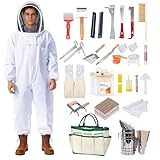
- Comprehensive Beekeeping Supplies: The POLLIBEE 35Pcs beekeeping starter kit is a practical set for your beekeeping needs, featuring essential items for honey harvesting, bee hive management, and more
- Full-Body Bee Suit: Designed for both men and women, this XL-sized bee suit helps reduce stinging risks and delivers comfortable wear, with a detachable mesh hood for clear visibility during hive inspections
- All-in-One Beekeeping Tools: This 35Pcs kit includes everything from a bee smoker and uncapping tools to a honey filter bag and frame holder. Easily manage your hives, and extract honey without missing a beat
- Durable Storage Solution: The sturdy Oxford storage bag comes equipped with multiple pockets, allowing you to keep your beekeeping supplies organized, clean, and easily accessible for quick use
- Ideal for Beginners & Pros: Whether you're a beginner or an experienced beekeeper, the POLLIBEE beekeeping starter kit works well for daily hive care to full honey extraction, supporting your beekeeping work
Penn State Extension gives a $17,644 sample first-year startup cost for a 10-hive unit within a 50-hive production system. That figure includes commercial-scale extraction and facility costs; it is not a one-colony backyard budget. Use it to understand how quickly scale and processing infrastructure expand a commercial budget, not as a quote for your first hive.
Build a realistic personal budget
- Initial livestock: bees and a queen or colony package from a reputable source.
- Apiary hardware: hive bodies, frames, foundation, stands, covers and entrance equipment.
- Safety and tools: suit or veil, gloves, smoker, fuel and hive tool.
- Routine supplies: feeder, feed when indicated, replacement frames, cleaning materials and record-keeping supplies.
- Shared or hired infrastructure: extraction, bottling, storage and transport if you do not own them.
- Contingency: replacement bees or equipment after weather, disease, pests or damage.
How to buy bees and used equipment responsibly
Buying bees
Ask local mentors which suppliers provide healthy colonies and when orders should be placed. Confirm what you are receiving, the queen’s status, transport arrangements and any local health documentation. Do not buy a colony merely because it is cheap or available outside your region; moving bees can introduce pests and diseases and may violate local rules.
Also popular on Amazon

- COMPLETE BEEHIVE KIT: The complete bee starter kit consists of 1 deep brood box (19.88*16.25*9.56), 10 deep unassembled frames with foundation sheets, 1 beehive bottom board, 1 entrance reducer, 1 telescoping top cover, 1 inner cover, 1 plastic queen excluder
- BEEKEEPING SUPPLIES TOOLS KIT: This is a nice beekeeping starting kit that contains most of the beekeeping tools you will need. Such as bee smoker, honey gate, beekeeping gloves, uncapping tools and so on
- BEEKEEPING HAT WITH VEIL: This beekeeping veil features a 360° brim design. It is breathable and keeps bees out while keeping you breathing
- ASSEMBLED BEE BOX: The beehive box comes assembled. The frames and foundations come unassembled, but putting the wooden frames and foundations together is very easy and nails are provided
- MATERIALS: The beehives are made of cedar wood, with a dovetail joint design to make the beehive structure more sturdy. The beekeeping tools set is made of stainless steel, plastic and other materials, not easy to deform, strong and durable
Buying second-hand equipment
Used boxes and tools can reduce cost, but BBKA warns beginners to consider disease risk. Have an experienced beekeeper inspect second-hand equipment before it reaches your apiary. Avoid material with unexplained brood damage, suspicious residues or unknown history, and follow local guidance for cleaning, quarantine or destruction. Never assume that scraping visible debris makes contaminated comb safe.
Your first inspections and seasonal management
Penn State Extension’s Beekeeping Basics identifies safe smoker use, inspection, seasonal colony management and recognition of disease and pests as core skills. Work with a mentor until you can perform an inspection without rushing or crushing bees.
What’s actually slowing this PC down?
Pick the symptom - the matching free tool is one click away.
- Prepare before opening. Check weather, clothing, smoker fuel, tools, notebook and a secure place for removed frames. Avoid opening during cold, wet or very windy conditions unless an urgent local instruction says otherwise.
- Use smoke sparingly and safely. Produce cool, gentle smoke, keep the smoker away from flammable material and extinguish it completely after use.
- Open calmly. Stand to the side or rear of the entrance, lift covers deliberately and avoid sudden movements or vibration.
- Assess colony condition. Look for a consistent brood pattern or evidence of laying, adequate food, abnormal odors, unusual adult-bee behavior, pests and signs of disease. Record what you see rather than relying on memory.
- Manage space and stores. Add, remove or rearrange equipment only according to your local method and the colony’s strength, forage and weather.
- Close and clean up. Return frames in order, secure the hive, prevent robbing and clean tools according to local biosecurity advice.
Seasonal decisions
- Spring: Monitor expansion, food stores, queen performance and swarm risk as temperatures and forage increase.
- Summer: Check ventilation, space, water, forage and pest or disease indicators; harvest only what the colony can spare under local guidance.
- Autumn: Confirm adequate stores, complete any locally recommended health treatments, reduce robbing opportunities and prepare equipment for colder weather.
- Winter: Minimize disturbance, protect the hive from wind and moisture as appropriate locally, and monitor food availability and damage without repeatedly opening the colony.
Common beginner mistakes and fixes
| Problem | Why it happens | Better response |
|---|---|---|
| Buying before training | Online kits make setup look simple. | Take a course, attend a taster day and secure local advice before ordering. |
| Mixing incompatible parts | Small manufacturer dimension differences are overlooked. | Standardize your supplier and measure replacement components. |
| Inspecting on a bad day | The calendar is followed despite cold, rain or wind. | Use weather and bee activity to choose a safer inspection window. |
| Ignoring water or neighbors | The hive is treated as self-contained. | Install a safe water source early and verify placement rules and flight paths. |
| Overharvesting | Honey is treated as the primary goal. | Follow local guidance on stores and leave the colony adequate food. |
| Missing disease signs | Normal variation is confused with illness. | Record observations, show photographs or samples to a mentor or extension specialist, and follow official reporting advice. |
| Assuming a first-year yield | Marketing claims imply predictable production. | Plan financially for no surplus honey and treat any harvest as variable. |
A practical decision sequence
- Verify permission and placement. Check municipal, agricultural, lease and homeowners-association requirements.
- Learn locally. Complete an introductory course or taster day and identify a mentor.
- Visit operating apiaries. Test your comfort with stings, lifting, smoke and live inspections.
- Choose a supported hive system. Prioritize compatible parts, manageable weight and local availability.
- Prepare the site. Install a stable stand, plan access, arrange water and address neighbor safety.
- Buy only the necessary equipment. Check every component against the chosen system and include protective gear.
- Source healthy bees. Use a reputable local channel and follow movement and health rules.
- Inspect with guidance. Keep records and escalate uncertain disease or pest findings promptly.
Bottom line for a prospective beginner
Beekeeping is a good fit if you want an ongoing husbandry project, can work safely around stinging insects, and are willing to learn from local experts before buying. Start with training, legal checks and a site plan—not with a bargain hive or a promised honey yield. Budget for the complete system, choose equipment your body can handle and your mentors can support, and treat colony health and neighbor safety as the primary outcomes.
Quick Recap
Product prices and availability are accurate as of the date/time indicated and are subject to change. Any price and availability information displayed on Amazon at the time of purchase will apply.

