If construction causes a leak, flooding, sudden loss of water, low pressure, or discolored water, report it immediately through your water utility’s emergency line or your city’s 311/service-request system. Use the project or field-office contact for non-urgent questions. Give the exact service address or nearest intersection, the symptom, when it began, whether nearby properties are affected, and any information on a door hanger or contractor notice.
Stay outside the work zone, reduce faucet and appliance use while service is interrupted, keep emergency drinking water available, and follow every boil-water, do-not-consume, or do-not-use instruction issued by the utility.
As an Amazon Associate I earn from qualifying purchases.
Start with safety and urgency
Construction sites can contain open excavations, moving equipment, temporary pipes, exposed utilities, and contaminated standing water. Do not enter a fenced or marked work area, move barriers, operate valves, or interfere with crews. Observe the condition from a safe public location and report it.
Use the emergency channel immediately when water is escaping, a street or sidewalk is flooding, your service stops without notice, or pressure changes create a possible safety or property risk. A planned outage with no visible damage can usually be handled through the project contact or 311, but a leak should not wait for office hours.
#1 Best Overall

- Space-Saving Up To 100-Gallon Emergency Water Storage: Transform your existing bathtub into a clean, safe water storage system that holds up to 100 gallons of fresh drinking water—minimizing the need for expensive bottled water purchases or bulky barrels that consume valuable storage space in your home, garage, or apartment while providing enough emergency water supply for your entire family during hurricanes, storms, or water main breaks.
- Sealed Food-Grade Liner Keeps Water Fresh Up to 16 Weeks: Heavy-duty, BPA-free plastic liner meeting USFDA food-grade guidelines protects your emergency drinking water storage from dirt, soap film, and debris that would contaminate an open bathtub, ensuring your family has access to clean, safe water for cooking, washing, and flushing throughout extended emergencies when municipal water supplies are compromised or unavailable.
- Trusted by 500,000+ Families and Featured on Major Media: As the original patented emergency water storage solution (U.S. Patent No. 8,627,980 and Patent No. 10,293,982), waterBOB has been recognized by CNN, Fox News, and Bob Vila as a reliable preparedness standard—join hundreds of thousands of prepared families who rely on the proven water container that established the category for bathtub emergency water storage systems.
- Simple setup in as little as 20 minutes with No Complicated Installation: Quickly prepare for disasters by laying the water storage container liner in any standard bathtub, attaching the included fill sock to your faucet, and filling to capacity in approximately 20 minutes—no tools, technical skills, or permanent modifications required, making emergency preparedness accessible for every nearly household when severe weather or water emergencies threaten your area.
- Included Siphon Pump for Convenient Access to Drinking Water Storage: Easily dispense your stored emergency water supply into jugs, pitchers, or water containers without heavy lifting, spills, or contamination risk—the included hand pump allows you to conveniently access clean drinking water for daily cooking, washing, and hydration needs throughout extended power outages or when municipal water systems are shut down during hurricane season or natural disasters.
Conditions that need an immediate report
- Water flowing from a street, sidewalk, excavation, valve, or hydrant.
- Water entering a building, yard, basement, or roadway.
- Sudden loss of water without the announced shut-off window.
- Very low or rapidly changing pressure, especially after a main break or repair.
- Water that appears brown, cloudy, or otherwise unusual after service returns.
Portland Water Bureau specifically lists street leaks, hydrant leaks, unannounced loss of water, and pressure-related problems for its 24-hour emergency line. Its main-break guidance explains that crews cannot respond to a break until someone reports it.
Choose the right reporting channel
| Situation | Best first channel | What to include |
|---|---|---|
| Active leak, flooding, street or hydrant flow, sudden outage, or dangerous pressure problem | Your water utility’s emergency line | Exact location, visible flow or damage, start time, and immediate hazards |
| General question about a planned shut-off, schedule, access, or restoration | City 311/service-request system or the project or field-office contact on the notice | Address, project name or notice details, and the question you need answered |
| No contact appears on the notice | 311, an online service request, or the utility’s main customer-service route | Nearest intersection, crew or contractor name, and a description of the problem |
| Brown or cloudy water after pressure loss or repair | Utility emergency or water-quality line, following any advisory instructions | When water changed color, which taps are affected, and whether an official advisory is active |
Channel names and escalation rules differ by jurisdiction. Some cities combine emergency dispatch and 311; others reserve 311 for routine requests. If the notice supplies a dedicated project number, use it for schedule questions, not for an active leak unless the notice expressly directs you there.
Report the problem step by step
- Read the notice without delaying an emergency call. Planned main replacement work may have an advance shut-off notice. Emergency repairs may begin with little or no exact notice. San Diego says planned main-replacement outages are announced in advance and may use temporary “high-lines” to maintain service during construction. Calgary notes that immediate work on a large or potentially damaging leak can make exact notice or timing impossible.
- Decide whether the condition is urgent. Treat flowing water, flooding, an unannounced outage, or a severe pressure problem as an emergency. Use 311 or the project contact for ordinary construction questions, access concerns, or a published schedule.
- Call or submit the request while the condition is occurring. For a street or sidewalk leak, report it even if a crew is already nearby. Portland’s guidance says crews cannot respond until they know about the break.
- State the service address and a second location marker. Give the street number, building or unit if relevant, and the nearest cross street or intersection. For a leak in public space, identify the side of the street, block, hydrant, excavation, or valve.
- Describe the symptom in plain terms. Say “no water,” “low pressure,” “water flowing from the sidewalk,” “water entering the basement,” or “brown water from every cold tap.” Avoid assuming that the cause is a main break; let the utility classify it.
- Give the start time and pattern. Say when the problem began, whether it is constant or intermittent, and whether it changed after crews opened or closed a valve.
- Tell the operator whether other properties are affected. Ask a nearby resident from a safe location or observe whether the issue extends along the block. Do not delay an emergency report while trying to survey the neighborhood.
- Read the notice details exactly. Provide the project name, work order number, door-hanger instructions, contractor name, crew markings, or any temporary-water information.
- Request the next instruction and record the reference number. Ask whether the utility has issued a boil-water, do-not-consume, or do-not-use notice, what fixtures or addresses it covers, and how updates will be delivered. Keep the service-request number and the time of your call.
Information that helps the utility triage the call
A concise report lets dispatch route the issue to emergency crews, a 311 queue, a field office, or the construction project team. Have these details ready:
- Location: service address, unit, nearest intersection, and the precise public location if outside.
- Symptom: outage, pressure loss, visible leak, flooding, discoloration, sediment, or an advisory notice.
- Timing: when it started and whether it follows construction activity or a valve operation.
- Extent: one fixture, the whole building, several buildings, or the surrounding street.
- Notice information: date and wording of a door hanger, posted sign, text alert, or contractor instruction.
- Immediate risk: water approaching electrical equipment, a blocked roadway, a collapsing edge, or people unable to safely access water.
Describe what you can see; do not enter the excavation to inspect a pipe or meter. If water is near electrical equipment, move people away and state that hazard clearly to the emergency operator.
What to do for each common symptom
No water during construction
First check the shut-off notice and the utility’s outage or advisory message. Planned work may have a defined window, while an emergency main repair may not. If your water stops outside the announced period, or no notice was provided, contact the emergency line or 311 immediately rather than assuming the shut-off is intentional.
Rank #2

- LARGE-CAPACITY WATER STORAGE (55 GALLONS): Store enough emergency drinking water for a family of four for up to two weeks. Perfect for preparedness, camping, off-grid living, or disaster response.
- SPACE-SAVING STACKABLE DESIGN: Engineered to stack securely and safely, giving you big-tank capacity without taking up extra floor space—ideal for garages, basements, or sheds.
- ROBUST DESIGN: Manufactured from high-quality rotationally molded polyethylene that’s safe for long-term potable water storage and built to withstand decades of use.
- EASY FILLING, DRAINING & CLEANING: Includes a 5-inch twist lid for quick filling and internal cleaning, plus a built-in brass spigot for simple dispensing and water rotation.
- BUILT TO LAST: Backed by over 70 years of tank-manufacturing experience, our emergency water tanks are tested for strength, leak integrity, and safety—so you can rely on them when it matters most.
Do not open every faucet to test the system. One brief check is enough; repeated use can waste the limited water remaining in the building and can make restoration harder to assess. Ask the utility whether a temporary supply, such as a high-line used on some San Diego projects, is available and where it can be accessed.
Low or unstable pressure
Report pressure that is suddenly weak, surging, or accompanied by air, noise, or visible leakage. Pressure loss can occur during construction and may be part of a larger main problem. Tell the utility whether the change affects every fixture or only one tap, and whether nearby properties have the same symptom.
Until the utility says service is stable, avoid running appliances that depend on a steady supply. If pressure drops to zero, treat the condition as an outage and follow the outage precautions below.
Leak, flooding, or water in the street
Call the emergency line while the flow is visible. Give the exact point where water first appears and whether it is spreading toward a building, traffic lane, drain, or excavation. Do not try to dam the flow, close a construction valve, or walk through moving water. Portland’s main-break guidance emphasizes that street and sidewalk water should be reported because crews cannot act on a break they have not been told about.
If water is entering your property, move people and valuable items away from the affected area only if you can do so safely. Tell the operator whether the water is still rising and whether electrical equipment is nearby. The utility, not a resident, should determine which valves or temporary controls are safe to operate.
Rank #3
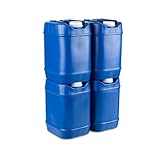
- PORTABLE, STACKABLE WATER CONTAINERS: These 5-gallon water containers are designed with flat bottoms and tops that nestle together to help stack more water in less space. The handles make them ideal for moving around, and the built-in twist breathing ports make it easy to pour out the contents of your containers without them getting air locked. This kit includes 4 individual 5-gallon water containers with lids.
- 40 DAYS OF DRINKING WATER: It’s recommended to have half a gallon of water per person per day when preparing an emergency water reservoir for your household. This kit provides 4 containers that are 5 gallons each for about 40 days of washing, cooking, or fresh drinking water storage. The amount of water needed varies by a person’s size and use, and each portable container weighs about 40 lbs. when filled with liquid.
- MADE FROM BPA-FREE HDPE PLASTIC: Our high-quality water containers are made from 100% food-grade plastic, which also makes them useful for storing other liquids or food necessities. They are BPA-free and made from high-density polyethylene (HDPE), so you’ll have a safe, durable, refillable water container that can weather any storm.
- IDEAL FOR TRAVEL & EMERGENCY STORAGE: If you’re looking for a reliable water container for emergency storage, camping, boating, or beach trips, or even for a watering station for an outdoor event, this kit is exactly what you need. The handle on each 5-gallon container makes it a breeze to transport, and it can easily stack in the back of your car or truck for road-tripping adventures.
- PREPARE, STORE & SAVE: As a family-founded company with years of experience, we know the importance of preparedness. Our water storage containers and accessories ensure that you’re never without the essentials when you need them the most. We provide high-quality American-made products at the fairest prices possible to help you make the best decisions for yourself and your loved ones.
Brown, cloudy, or unusual water
Stop drinking or cooking with discolored water until you know whether an official advisory applies. Main breaks, pressure loss, and repair work can disturb sediment or create a potential pathway for contamination. Contact the utility and report the color, odor, affected fixtures, and the time it appeared.
PC Slower Than It Used to Be?
A free scan shows the junk files, broken settings and background clutter dragging Windows down - then fixes them in one click.Free scan · Windows 10 & 11Crashes, No Sound, or Screen Glitches?
Random freezes, missing sound and display glitches usually trace back to one bad driver. Find and replace yours safely.Free scan · under a minuteUse cold water for any utility-directed flushing. Portland advises customers to check a cold-water faucet periodically, then run it for one to two minutes once the water is clear before flushing affected faucets. Follow your utility’s exact sequence and duration; do not substitute a consumer test strip for an official advisory or utility sampling.
What to do while water service is off
Salt Lake City’s outage guidance provides a practical baseline for residents during construction:
- Stay out of the construction zone and do not interfere with crews or equipment.
- Minimize faucet use while the system is shut down or pressure is unstable.
- Do not run a dishwasher or washing machine during the outage.
- Keep bottled water or filled containers available for drinking and personal use.
Use stored emergency water for essential drinking, food preparation, and hygiene needs. If the utility provides a temporary-water location, follow its collection limits and handling instructions. Do not reconnect, bypass, or modify temporary lines yourself.
Understand boil-water and other water-quality instructions
Boil-water advisory
A boil-water advisory is a precautionary instruction issued when water may contain disease-causing organisms. Portland instructs affected customers to boil water for one minute before drinking, cooking, or preparing baby formula, and to continue until the utility lifts the advisory. Use the notice’s coverage area and end time; an advisory may apply to only part of a project or service area.
Quick wins for a faster PC:
Fix the driver behind crashes, sound loss and screen glitchesFind Drivers →Repair Windows errors before they cause bigger problemsFix Now →Rank #4
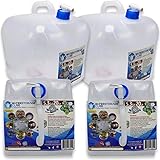
- FOOD-GRADE ODORLESS GREAT TASTE: PE plastic made with highest quality USA raw material. Environmentally friendly non-toxic, No BPA PVC or DEHP, No plastic PVC odor and water taste will not be affected, Transparent.
- LIGHT, COMPACT, PORTABLE AND REUSABLE Foldable space saving design store away easily. Remains soft and flexible even when cold yet retains shape and is easy to fill, dry, drain and reuse. Soft molded handles make holding and transport easy. Perfect for outdoor activities like camping, RV, hunting, hiking, backpacking, fishing, picnics, BBQs, sports, festivals, parties and beach.
- WORRY-FREE AND LEAK-PROOF Custom made lid and spigot with gasketless design means no leaks or parts to replace. Good spigot water-flow. Thicker lid to withstand heavy pressure. Easy on/off spigot with controllable flow. Our premium collapsible container is 1-piece design with no seams to leak or handles to break. Durable and dependable.
- EMERGENCY PREPAREDNESS AND DAILY USE Enables you quickly and safely store all the water your family needs in the event of an emergency or natural disaster like hurricane, tornado, earthquake, fire, flood or drought. Include in your Emergency / Survival Kit. Also great for daily use. Dispense right out of refrigerator. Automobile emergency water. Hand-washing stations at events and festivals. Transport large amounts of water easily.
- EBOOK INCLUDED: Included is our 30pg eBook Camping and Emergency Preparedness Survival Guide
The Louisiana Department of Health states that the most common event causing a boil-water advisory is a water-main break from utility construction, and that these events usually affect only a small portion of the service area. That does not mean an advisory is harmless: follow it for every use named in the notice.
Do-not-consume or do-not-use notice
These instructions are not interchangeable with a boil-water advisory. A do-not-consume notice means boiling may not make the water safe for the named use; a do-not-use notice can prohibit contact altogether. Stop and read the utility’s exact instructions before washing dishes, bathing, brushing teeth, making formula, or using water for pets. Ask the utility if the notice wording is unclear.
When the advisory ends
Use the utility’s clearance message as the authority. If it directs flushing, open the specified cold-water faucets only after clearance and for the stated period. Portland’s main-break guidance uses a one-to-two-minute flush after the water runs clear, but another utility may give different instructions.
Independent reader supportYour contribution helps us test, update, and keep practical guides available for everyone.Planned work, emergency work, and temporary service
Planned construction
Advance notices commonly identify the expected shut-off period, project limits, and a contact for questions. Save the notice before work starts. Confirm whether your address is inside the affected block, whether access to a driveway or entrance will change, and where updates will appear.
What’s actually slowing this PC down?
Pick the symptom - the matching free tool is one click away.
Emergency repair
An urgent repair can start before a precise schedule is available. Calgary explains that a large or potentially damaging leak may require immediate work, making exact notice or timing impossible. Report your condition anyway; the absence of a notice is a reason to call, not a reason to wait.
Best Value
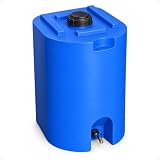
- Large Water Tank: Whether you're camping, hiking, or embarking on a road trip, rely on the 55-gallon water tank to meet your liquid storage needs with ease
- Safe Design: Specially blended UV-proof plastic safeguards water, preventing bacteria build-up, and ensuring its safety for extended periods
- Durable Container: Drum constructed from rugged high-density polyethylene (HDPE), ensuring durability for on-the-go liquid storage needs
- Integrated Spigot: Easy access to emergency water with a spigot that connects to standard garden hoses for versatile use
- Stackable Design: Water tanks have a unique stackable design, allowing for efficient space utilization; Measures 22"L x 23"W x 30"H
Temporary water arrangements
Some projects use temporary “high-lines” or other temporary supplies. San Diego identifies high-lines as one method used during planned main replacement. Ask the utility where the temporary connection is, whether your building is connected, and what restrictions apply. Never connect a hose or pipe to a temporary line without utility instructions.
Follow up without creating duplicate emergency calls
Write down the date and time of each report, the channel used, the service-request number, and the instruction you received. If the condition worsens, changes from low pressure to no water, or begins flooding a new area, update the existing request and state the new hazard. A new emergency call is appropriate when there is an immediate danger or when the original channel is unavailable.
For a non-urgent schedule question, use the project outreach contact or 311 rather than repeatedly calling emergency dispatch. Portland separates construction-project outreach for routine questions from emergency dispatch for urgent conditions. Keep the two channels distinct so crews can prioritize active leaks and outages.
The Tool Desk
Outbyte PC Repair FREEClear out junk files and repair common Windows errorsFree Scan →Outbyte Driver Updater FREEFix the driver behind crashes, sound loss and screen glitchesFind Drivers →Local instructions to verify before relying on a general checklist
Before and during a project, compare your utility’s instructions on five points:
- Urgency channel: emergency line, 311, online request, or a project phone number.
- Notice status: what the utility promises for planned work and what can happen during emergency repairs.
- Symptom routing: whether leaks, outages, pressure problems, and discoloration use different queues.
- Safety restrictions: rules for construction zones, faucets, washing machines, dishwashers, and temporary lines.
- Water-quality status: normal service, boil-water, do-not-consume, or do-not-use instructions.
Exact phone numbers, response targets, flushing times, and advisory boundaries are jurisdiction-specific. Use the current notice or official utility message for those details, even if another city’s procedure appears similar.
Common reporting mistakes to avoid
- Waiting for a crew to notice a street leak instead of reporting it.
- Using a routine project contact for an active flood or unannounced outage.
- Entering the work zone to inspect a pipe, meter, or valve.
- Running dishwashers or washing machines while service is off or pressure is unstable.
- Drinking brown water or relying on a home test strip instead of checking for an official advisory.
- Assuming a boil-water advisory is the same as a do-not-use notice.
- Reporting only a neighborhood name without the exact address or intersection.
The most useful report is prompt, specific, and safe: identify the location, symptom, start time, affected area, and notice information, then follow the utility’s instructions until service and water quality are formally cleared.
Quick Recap
Product prices and availability are accurate as of the date/time indicated and are subject to change. Any price and availability information displayed on Amazon at the time of purchase will apply.
Recommended Free Tools

