Do not start by scrubbing. An abandoned building with mold, standing water or years of neglect may also contain unstable floors and ceilings, live electricity, combustible gas, sewage, asbestos, lead, PCBs, unknown tanks or other chemical hazards. Isolate the building, control utilities and obtain structural and hazardous-material advice before entry or demolition. Then stop the moisture source, remove contaminated materials, contain dust, dry the structure and document that it is safe before anyone moves back in.
The sequence below follows federal disaster, EPA, OSHA and CDC guidance. It is suitable for planning a cleanup, but it does not replace an on-site assessment. A vacant structure with unknown conditions belongs in the professional-assessment category, especially when damage is extensive, sewage-related, connected to HVAC systems or likely to generate heavy dust.
As an Amazon Associate I earn from qualifying purchases.
Why an abandoned building is a high-risk cleanup
Mold is only one part of the hazard. Water can undermine foundations, corrode electrical systems and conceal contaminated sediment. Long vacancy allows roofs, pipes and drainage systems to fail without anyone noticing. Rodents, insects, animal waste and decomposing materials can add biological hazards, while older construction may contain asbestos, lead-based paint or PCBs.
Free tools Windows power users keep installed
One-click scans. No signup required.
EPA guidance identifies collapse, electrical shock, combustible gases, carbon monoxide, contaminated water, asbestos, lead, PCBs and unknown tanks or chemicals as possible hazards after flooding or prolonged vacancy. NIOSH states that any mold growth indicates a water or moisture problem that should be addressed immediately. Killing visible mold without correcting moisture or removing contaminated materials leaves the underlying problem in place.
#1 Best Overall

- Eliminates & Helps Prevent Mold: Targets existing mold at the source and leaves behind an invisible barrier that helps prevent future growth.
- EPA-Registered Solution: Registered with the U.S. Environmental Protection Agency for mold control when used as directed.
- Bleach-Free, Odorless, VOC-Free: Contains no bleach, ammonia, or volatile organic compounds, helping maintain healthy indoor air quality.
- Safe on Most Surfaces: Works on drywall, wood, tile, grout, concrete, fabric, and other common building materials.
- Versatile Use: Ideal for bathrooms, kitchens, basements, attics, laundry rooms, vehicles, and outdoor surfaces such as decks and patios.
Stop work immediately when you find these conditions
- Floors, stairs, roofs, ceilings or foundation walls that move, sag, crack or appear undermined.
- Standing water near electrical equipment, damaged wiring, energized services or unknown utility connections.
- A gas odor, hissing sound, fuel storage, a suspected combustible atmosphere or an unvented combustion appliance.
- Sewage, floodwater of unknown origin, animal waste, dead animals or large amounts of biological debris.
- Suspected asbestos-containing materials, peeling lead paint, PCB-containing equipment, chemical containers or unknown tanks.
- Water below grade where rapid pumping could destabilize foundation walls.
Keep people outside the danger area and arrange qualified structural, electrical, gas and hazardous-material assessments. Do not enter merely because the water level is low or the building has been vacant for a long time.
Secure and assess the building before cleanup
- Confirm legal access. Obtain the owner’s authorization, check local entry and disposal rules, and identify who is responsible for utility shutoffs and waste handling.
- Establish an exclusion zone. Lock or barricade entrances, post warning signs and keep children, neighbors, pets and unprotected workers out. Use a spotter when an assessor must enter.
- Isolate utilities safely. Have the power, gas, water and other services shut off by the utility or a qualified professional. Never operate switches or appliances in wet areas if their condition is unknown.
- Perform a condition survey. Record water levels, visible mold, damaged framing, roof and plumbing leaks, odors, electrical equipment, HVAC components and suspected hazardous materials. Photograph conditions before moving debris.
- Choose the work category. A small, accessible area on sound construction may be manageable with a documented plan. Extensive growth, porous-material loss, sewage or floodwater, HVAC contamination, structural uncertainty and heavy demolition require a remediation contractor and appropriate specialists.
Do not rapidly pump water from a basement or other below-grade space. EPA warns that removing water too quickly can create an outside-to-inside pressure difference and collapse foundation walls. A qualified professional should determine the pumping rate and sequence.
PPE and exposure controls
The joint federal disaster guide from EPA, HUD, FEMA, NIH and CDC states: “Wear personal protective equipment. Wear an N-95 respirator at a minimum, goggles, and protective gloves.” Treat that as the minimum for mold cleanup, not a complete program for every abandoned building.
Minimum protection for a controlled mold task
- A NIOSH-approved N95 respirator, used according to the manufacturer’s instructions.
- Goggles that seal against splashes; ordinary safety glasses do not protect the eyes from moldy water.
- Protective gloves selected for the chemicals and contamination present.
- Water-resistant protective footwear with slip-resistant soles.
- Disposable or washable protective clothing that can be removed before entering clean areas.
- A hard hat where overhead materials, falling debris or demolition are possible.
OSHA respiratory-protection requirements apply when respirators are required by the hazard assessment. A tight-fitting respirator requires medical evaluation, fit testing and a written respiratory-protection program. Larger mold areas, power-tool work, extensive dust or unknown contamination may require a higher level of respiratory protection, full containment and trained workers. Do not rely on a paper mask, bandana or fragrance to control exposure.
Keep contamination from spreading
- Separate clean and dirty routes, staging areas and waste storage.
- Remove protective clothing before entering clean spaces; bag disposable items for disposal.
- Wash hands and exposed skin after each work period and before eating, drinking or smoking.
- Do not dry-sweep, use compressed air or run fans that blow across moldy debris.
- Keep HVAC systems off if contamination may have entered the system. Air movement can distribute spores and dust to otherwise clean rooms.
Stop the moisture source and remove bulk water
Cleanup cannot succeed while water continues to enter. Where it is safe, repair roof failures, broken supply or drain lines, failed gutters, grading problems and other paths that feed the building. If the source cannot be isolated safely, stop and obtain professional help.
Remove standing water, wet debris and silt using a method appropriate to the contamination. Clean water from a failed supply line is a different risk from sewage or floodwater; the latter can contain pathogens and chemicals and should be handled by trained professionals. Use pumps, extractors or a HEPA-filtered wet/dry vacuum only when the work plan allows it and the equipment is rated for the material being collected. Equipment does not replace containment, respiratory protection or safe electrical practice.
Place generators outdoors, well away from doors, windows and other openings. Never use an unvented fuel-burning generator, heater or pump indoors: carbon monoxide can accumulate without an odor or warning.
Do these 3 things before closing this tab:
1Fix the driver behind crashes, sound loss and screen glitches2Clear out junk files and repair common Windows errors3Scan for outdated or missing drivers - takes under a minuteDecide what can be cleaned and what must be removed
Mold penetrates absorbent materials. EPA guidance says wet absorbent contents left for 48 hours or more will likely remain a mold source. In an abandoned building, the exact wetting time is usually unknown, so materials that are visibly moldy, submerged, swollen or impossible to dry completely should be presumed unsalvageable unless a qualified assessor documents otherwise.
Rank #2
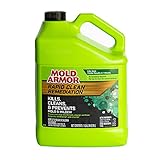
- MOLD ARMOR Rapid Clean Remediation kills, cleans, and prevents mold and mildew with visible results in 1 minute.
- MOLD ARMOR Rapid Clean Remediation is a proven one-step house disinfectant, sanitizer, fungicide, mildewstat* (effective against Aspergillus niger*), and virucide**.
- This mold and mildew inhibitor has a non-abrasive formula effective on hard non-porous surfaces.
- Kills 99.9% of bacteria and viruses, including Influenza A H1N1**, Respiratory Syncytial Virus**, and Human Coronavirus**).
- To use as a sanitizer, disinfectant, mold and mildew remover, pre-clean heavily soiled surfaces and then spray the surface until wet. Wait time varies according to intended results. Rinse or wipe away - no scrubbing required.
| Material or component | Typical action | Reason and qualification |
|---|---|---|
| Drywall and gypsum board | Remove when moldy, swollen, submerged or not rapidly dryable. | Paper facing and gypsum hold moisture; cut back to sound, dry material using controlled containment. |
| Fiberglass or cellulose insulation | Remove and replace when wet, moldy or contaminated. | Insulation is difficult to clean and can retain moisture against framing. |
| Ceiling tiles, carpet and carpet pad | Discard when moldy, saturated or sewage-contaminated. | Porous fibers and backing can remain a continuing source. |
| Upholstered contents, books and heavily contaminated paper | Usually discard unless a specialist confirms salvageability. | Absorbent cores are difficult to clean and dry completely. |
| Solid, structurally sound wood | Clean and dry if contamination is superficial and the wood remains sound. | Remove decayed sections; verify moisture before enclosing. |
| Concrete, metal, glass and glazed tile | Clean with detergent and water, then dry fully. | These non-porous surfaces generally do not require removal unless damaged or chemically contaminated. |
Bag or wrap debris before moving it through the building. Do not paint, caulk or seal over visible mold. Covering growth traps moisture and hides deterioration; it does not constitute remediation.
Contain demolition and clean hard surfaces
Use plastic sheeting, physical barriers and controlled access to isolate the work area. Where the scope warrants it, maintain negative pressure with appropriately filtered equipment so air moves into, not out of, the containment. The design depends on building layout, pressure relationships, dust generation and the type of contamination; a contractor should set it up for extensive work.
Remove materials in a way that limits dust. Mist dusty surfaces when compatible with the material and electrical conditions, use tools with dust control, and avoid aggressive brushing. Place waste in sealed bags or wrapped bundles inside the work area, then move it along the planned dirty route. Clean reusable tools and PPE before taking them into clean areas.
Quick wins for a faster PC:
Fix the driver behind crashes, sound loss and screen glitchesFind Drivers →Clear out junk files and repair common Windows errorsFree Scan →For hard, non-porous surfaces, use detergent and water and physically remove soil and mold. Rinse or wipe as appropriate and dry completely. A biocide or disinfectant is not a substitute for removal and drying. OSHA’s mold guide states: “As a general rule, simply killing the mold, for example, with biocide is not enough.” Follow the product label, ventilation requirements and compatibility warnings if a disinfectant is used for a specific contamination.
Handle HVAC systems as a separate decision
Do not restart a potentially contaminated heating, ventilation or air-conditioning system to “dry the building.” Ducts, filters, insulation and air handlers can distribute spores and demolition dust throughout the structure. Have a qualified professional inspect the system before operation.
- Replace water-damaged duct insulation and filters.
- Clean, disinfect or replace contaminated components according to the system manufacturer and the remediation plan.
- Seal or isolate affected branches while work is underway.
- Verify that the system is clean and dry before returning it to service.
If the system served mold-affected rooms while contamination was present, assume spread is possible until inspection establishes otherwise. HVAC involvement is one of the conditions that generally moves a project beyond casual do-it-yourself work.
Dry the structure and document moisture
Drying is a measured process, not a judgment based on how a surface feels. Use moisture meters appropriate to the material and keep a room-by-room log of readings, equipment locations, dates and weather conditions. Increase air exchange and dehumidification only in a way that does not spread contamination to clean spaces.
CDC healthcare reopening guidance published in 2025 says materials that cannot be dried within 48–72 hours to below 20% moisture should be removed and replaced. That benchmark is a decision aid, not permission to enclose a damaged wall simply because one reading is low. Compare readings with an unaffected reference area and check framing, subfloors, wall cavities and insulation where water may have traveled.
Rank #3
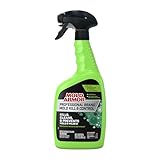
- KILLS, CLEANS & PREVENTS MOLD AND MILDEW: Kill and clean up mold and mildew on your hard, non-porous surfaces with MOLD ARMOR Professional Brand Mold Kill & Control.
- FAST RESULTS, NO SCRUBBING REQUIRED: This mold and mildew cleaner features a fast-acting formula that produces visible results in minutes without scrubbing.
- IDEAL FOR USE ON laminate, linoleum, sealed grout, stainless steel and plastic surfaces. Professional Brand Mold Killer eliminates bacteria and viruses on shower stalls and garbage cans as well as in your bathroom, bedroom and basement.
- EASY TO USE: Test on an inconspicuous area before use. Apply to stains and wait 10 minutes. Rinse with water or wipe with a damp sponge within 15 minutes of application. Rinse food contact surfaces with potable water.
- INHIBIT NEW MOLD GROWTH: To prevent mold and mildew growth, thoroughly wet surface, allow to air dry and repeat every 7 days. Effective against Aspergillus niger. Pre-clean heavily soiled surfaces.
Drying checklist
- Stop every active leak or route of water entry.
- Extract standing water and remove wet debris.
- Open or remove affected assemblies where necessary for airflow and inspection.
- Use dehumidifiers and air movement under the containment plan.
- Record moisture readings until affected materials are dry and stable.
- Inspect again after equipment is removed to confirm moisture has not rebounded.
Repair structural defects, replace damaged materials and correct drainage before closing walls or reinstalling finishes. Otherwise, hidden moisture can produce a second mold event after the cleanup appears complete.
Independent reader supportYour contribution helps us test, update, and keep practical guides available for everyone.DIY or professional remediation?
The right choice depends on more than square footage. Consider the material, contamination type, structural condition, HVAC involvement, dust generated by removal and whether you can provide fit-tested respiratory protection, containment and objective drying verification.
| Condition | Possible limited DIY work | Professional assessment or remediation |
|---|---|---|
| Mold area | Small, isolated growth on sound, non-porous surfaces; EPA uses about 10 square feet as the point where larger areas or extensive water damage warrant commercial-building guidance or professional help. | Larger areas, multiple rooms, hidden growth or extensive water damage. |
| Water type | Known clean-water leak addressed promptly. | Sewage, floodwater of unknown quality, chemical contamination or animal waste. |
| Building condition | Sound structure with controlled utilities and no suspect hazardous materials. | Unstable floors or ceilings, foundation concerns, live utilities, gas, tanks, asbestos, lead or PCBs. |
| Materials | Cleaning hard surfaces and removing a small amount of clearly damaged porous material under containment. | Extensive demolition, wall cavities, insulation, large volumes of debris or dust-generating work. |
| Systems | No shared HVAC contamination and no occupied neighboring spaces at risk. | HVAC involvement, common ventilation, occupied adjoining areas or complex pressure control. |
| Verification | You can document drying and keep the building unoccupied until complete. | Reoccupancy depends on professional clearance, industrial hygiene or engineering sign-off. |
EPA guidance identifies about 10 square feet as a practical threshold for seeking commercial-building guidance or professional help when the area is larger or water damage is extensive. CDC’s 2025 healthcare guidance says extensive water damage exceeding 32 square feet benefits from a professional remediation-firm assessment. These figures are screening points, not guarantees that a smaller project is safe; sewage, structural hazards or HVAC contamination can require professionals at any size.
Recommended Free Tools
When is the building safe to reoccupy?
Reoccupancy comes after cleanup, drying and repairs, not merely after visible mold is gone. The federal disaster guide says mold cleanup must be complete before reoccupancy.
Document all of the following
- No active leaks, standing water, damp odors or unresolved drainage and roof defects.
- No visible mold or demolition dust in occupied areas, including ledges, cavities opened during work and HVAC components that will operate.
- Materials retained in place are dry, with moisture readings documented against suitable reference areas.
- Utilities are inspected and safe; electrical equipment affected by water is evaluated before energizing.
- HVAC equipment and ductwork are clean, dry and suitable for operation, or affected components have been replaced.
- Waste and contaminated contents are removed through approved disposal channels.
- Structural repairs are complete and floors, stairs, ceilings and foundations are stable.
- Required hazardous-material, industrial-hygiene or building-code inspections are passed.
For a large, contaminated or structurally complex building, obtain written sign-off from the appropriate professionals. Keep the survey, photographs, waste records, moisture logs, repair invoices and clearance documentation with the property file.
Common mistakes that make damage worse
- Entering before assessment: A respirator cannot protect against collapse, electrocution or combustible gas.
- Pumping a basement too quickly: Pressure changes can collapse foundation walls.
- Using fans or HVAC immediately: Air movement can spread spores and dust.
- Keeping wet porous materials indefinitely: After 48 hours, EPA says wet absorbent contents may remain a mold source.
- Relying on bleach or biocide alone: Killing organisms does not remove contaminated material or correct moisture.
- Painting over growth: Coatings conceal, rather than solve, the problem.
- Dry-sweeping demolition debris: This creates avoidable airborne dust.
- Closing walls without readings: Hidden moisture can restart growth after finishes are installed.
- Ignoring neighboring spaces: Shared HVAC and leakage paths can move contamination beyond the work zone.
- Assuming a vacant building is safe because nobody lives there: Workers, trespassers and future occupants remain at risk.
Costs, schedule and records
Authoritative guidance does not provide a reliable general cost or duration figure. Price and schedule vary with building size, water depth and duration, material removal, structural repairs, hazardous-material testing, disposal, HVAC work, local permits and the level of clearance required. A contractor should base any estimate on an inspection rather than on square footage alone.
Before approving work, request a written scope that identifies the moisture source, affected rooms and materials, containment, PPE, waste handling, drying targets, HVAC actions, testing and reoccupancy criteria. Change orders are more likely when demolition reveals hidden cavities, damaged framing or hazardous materials, so the agreement should explain how those findings will be handled.
Quick Recap
Practical decision sequence
- Isolate and secure: Keep everyone out, confirm legal access and shut down utilities through qualified personnel.
- Assess hazards: Stop for instability, gas, electrical danger, sewage, unknown chemicals, asbestos, lead, PCBs or tanks.
- Control water: Repair entry points and remove water without destabilizing below-grade walls.
- Plan containment: Define clean and dirty routes, PPE, barriers, waste packaging and HVAC isolation.
- Remove unsalvageable materials: Prioritize moldy, submerged or un-dryable porous materials.
- Clean and dry: Wash non-porous surfaces, dehumidify, measure moisture and correct structural defects.
- Verify: Inspect the building, HVAC and utilities; obtain specialist clearance where the project requires it.
- Reoccupy only after documentation: Keep the property unoccupied until the cleanup and repairs are complete.
Product prices and availability are accurate as of the date/time indicated and are subject to change. Any price and availability information displayed on Amazon at the time of purchase will apply.

