Plant hardy perennials in fall about four to six weeks before the ground is expected to freeze, giving roots time to establish. Choose a species suited to your climate and site: spring-flowering perennials are the best fit for fall planting, but blooms next spring are possible, not guaranteed. Because frost dates and care recommendations vary by region, follow local extension guidance rather than relying on a single calendar date.
When to plant perennials in fall
Count back from the expected date of ground freeze, not from a nationwide calendar window. Iowa State University Extension and Outreach recommends planting at least four to six weeks before the ground freezes in Iowa; University of Vermont Extension gives the same lead time. The precise date depends on local weather, the plant, and its ability to establish.
As an Amazon Associate I earn from qualifying purchases.
Iowa State describes mid-August through early October as a typical fall planting period in Iowa, while its container-perennial guidance narrows the usual window to late August through September. These are Iowa-specific examples, not dates to apply everywhere. Use your local extension service’s timing recommendations.
Which perennials to plant for spring blooms
Match planting season to bloom season. Maryland Extension advises planting spring-flowering perennials in late summer or early fall. Perennials that flower in late summer or fall are generally planted in spring. Exact timing varies by species, so check the plant’s recommendations as well as its hardiness, light, and soil requirements for your garden.
#1 Best Overall

- A lovely biennial flower that growing up to 12"-24" tall and 6"-12" wide
- Blooms the year after planting, in mid-spring to mid-summer; produces clusters of fragrant flowers in shades of white, pink, purple, red and violet
- Sweet William will attract an array of beneficial insects to the garden, such as butterflies, bumblebees, ladybugs, hummingbirds and more. Biennial, Zones 4-10; Requires full sun and good drainage; Suitable for beds & borders, cut flowers, and the fragrant garden
- Start the seeds indoors 8 to 10 weeks before transplanting out, or direct sow them in early spring or early autumn so that the seeds may be exposed to frost. Ideal temperature: 15-21°C (60-70°F). Seeds germinate in about 10 days. Just cover the small seeds very lightly with soil, as they need light to germinate
- Sweet Williams are part of the dianthus family but the main difference is the type of plant they are. Dianthus plants are either annual or perennial but Sweet Williams are biennials or perennials
Fall planting gives a suitable perennial an opportunity to develop roots before spring. It may lead to earlier or more abundant flowering, but neither outcome is assured across species and climates.
How to plant a container-grown perennial
- Choose a suitable plant and location. Confirm that the perennial is hardy where you live and that the site meets its light and soil needs.
- Choose the planting date. Where local guidance recommends it, allow about four to six weeks before expected ground freeze.
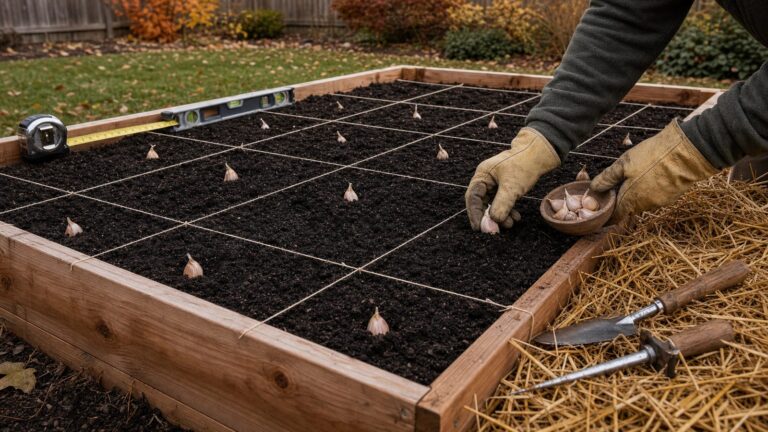
- Water the plant and prepare the hole. Iowa State recommends making the hole at least twice as wide as the container, but no deeper than the soil level in the pot.
- Check the roots. Ease the plant from its container and loosen roots that circle the root ball.
- Set it at the right depth. Position the plant so the soil surface in the root ball is level with the surrounding soil. Backfill with the excavated soil in ordinary conditions; do not bury the crown or plant too deeply.
- Water thoroughly. Water after planting to settle soil around the roots.
These steps cover container-grown plants. Bare-root perennials have different handling needs, so use instructions specific to the species and stock you have.
Rank #2

- SUMMER COLOR: Large pink blooms provide long-lasting color from summer into early fall while attracting butterflies and bees.
- GROWTH: Pink Coneflower can grow to be about 24 inches tall and 18 inches wide at maturity.
- CARE: Plant in a location with full sun and well-draining soil. Once established, it is drought tolerant and easy to maintain.
- FUN FACT: Pink Coneflower is one of the most recognizable native perennials and its seed heads provide food for finches and other birds after blooming.
- LIVE PLANTS: Our plants are grown exclusively for Deep Roots and The Three Company, shipped fresh directly from our greenhouse to you!
Watering and feeding after planting
Keep an eye on soil moisture while the perennial establishes. Water during dry weather, adjusting for rainfall, soil, and temperature rather than following a fixed schedule. Illinois Extension recommends deep watering once or twice a week depending on rain and temperature. Vermont Extension’s September 2026 guidance likewise advises deep watering once or twice weekly if there is no rain. Both recommendations are conditional, not a universal schedule.
Recommended Free Tools
Do not apply fertilizer routinely in fall. Vermont Extension cautions that fertilizer can encourage tender growth before frost, and Illinois Extension advises waiting until spring. Iowa State notes that most perennials do not need starter fertilizer. Compost used to improve soil is not the same as a fertilizer application; follow guidance for your soil and plant rather than treating amendments as interchangeable.
Independent reader supportYour contribution helps us test, update, and keep practical guides available for everyone.Mulch and winter protection
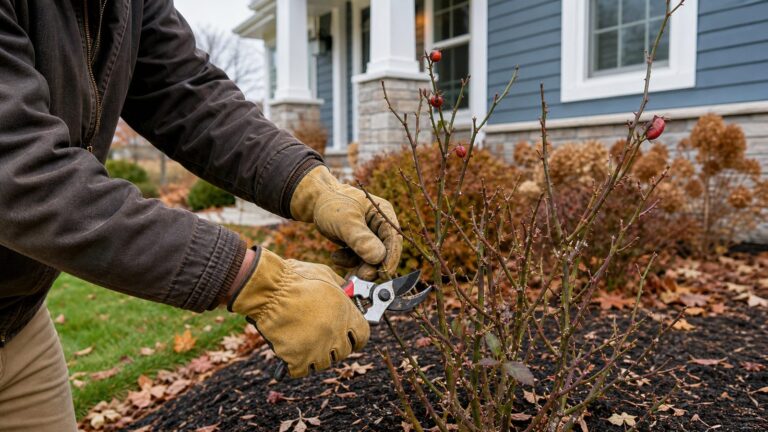
Mulch timing differs among regional recommendations. Some extension guidance advises applying it as temperatures drop or plants go dormant; Iowa State’s broader fall-tasks advice warns against putting protective mulch down too early. Keep mulch clear of crowns and stems so it does not bury the plant.
In Iowa’s planting guidance, fall-planted perennials benefit from a four-to-six-inch layer of straw in November, removed in early April. That is a region-specific winter-protection recommendation, not a universal amount or schedule. In some settings, winter mulch helps reduce moisture loss or freeze-thaw heaving; follow local advice on material, depth, and timing.
Quick Recap
Best Value
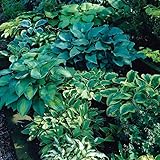
- 6 Fresh, Healthy Bare Root Starts
- 100% Grow Guarantee
- Blooms Summer Through Fall
- Perennializing Hostas
- Low Maintenance & Grows To About 18" Diameter
Rank #4
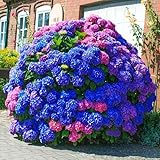
- 25 seeds of blue pink purple hydrangea
- Hardy, perennial flowers
- Easy to grow and maintain
- Carefully selected for high germination rate
- Perfect for adding color to your garden or cut flower arrangements
What to check before you plant
- Plant type: Is it a spring bloomer suited to fall planting, and are there species-specific instructions?
- Site: Does the location match the perennial’s hardiness, light, and soil requirements?
- Timing: Is there enough time before expected ground freeze for roots to establish?
- Care: Can you water during dry spells and follow local recommendations for fertilizer and mulch?
Product prices and availability are accurate as of the date/time indicated and are subject to change. Any price and availability information displayed on Amazon at the time of purchase will apply.