To grow a pistachio tree that produces nuts, first make sure your climate fits the specific cultivars you plan to plant: pistachios need winter chill and hot summers. Plant a female tree with a compatible male pollinizer, choose deep, well-drained soil, and provide water while the tree establishes and bears. Even in a suitable location, expect several years before a small crop and longer before full production.
How do I grow a pistachio tree?
- Check your location. Compare your area’s winter chill and summer heat with the requirements for both the female cultivar and its male pollinizer. Guidance from California and New Mexico is regional, not a universal guarantee.
- Choose identified trees. Buy named, sex-identified Pistacia vera trees from a nursery serving your region. Confirm the female and male cultivars bloom at compatible times.
- Choose a suitable site. Pick a sunny, hot-summer location with deep, well-drained soil. Avoid places where water pools around roots.
- Plant at the locally appropriate time. Follow the nursery’s timing and plant when the tree is dormant and the ground is workable. Stake a young tree if needed for support, and water it after planting.
- Maintain moisture without waterlogging. Water during establishment and as needed through growth and nut development; do not leave the soil soggy.
- Train and prune for your climate. Follow regional guidance for tree form. Advice for orchard production in one climate may not suit a home garden or another region.
Pistachio production guidance from UC Davis describes planting roughly one-year-old rootstocks between January and early May, then staking and irrigating immediately. That is an orchard schedule, not a universal planting calendar for home gardens. Ask a local nursery when to plant stock in your area. UC Davis Pistachio Production.


As an Amazon Associate I earn from qualifying purchases.
How many chill hours does a pistachio tree need?
There is no single chill-hour requirement that applies to every pistachio. Requirements vary by cultivar and region, so check the needs of both your chosen female and male trees against local conditions. UC ANR’s California home-gardener calendar describes about 850 hours below 45°F as a high chilling requirement in its California context; cultivar guidance distinguishes requirements among named trees. UC IPM: Pistachio and UC ANR: Pistachio Research Information.
Free tools Windows power users keep installed
One-click scans. No signup required.
For New Mexico, NMSU guidance says pistachios need about 1,000 accumulated hours at or below 45°F for normal dormancy break. It also cautions that cool summers do not support good kernel development and advises against planting above 4,500 feet in that regional context. These figures are not universal thresholds; use local guidance and cultivar-specific information. NMSU: Growing Pistachios in New Mexico.
#1 Best Overall
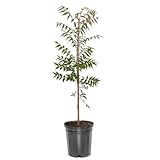
- USDA Hardiness Zones: Typically Zones 6-9, making this tree suitable for a wide range of climates across the United States
- Drought Tolerance: Chinese Pistache is known for its ability to withstand drought conditions once established, making it a resilient choice for landscapes in regions with periodic water shortages or where water conservation is a priority
- Planting and Care Instructions: Plant in well-drained soil with full sun exposure. Chinese Pistache is adaptable to various soil types. Provide regular watering, especially during dry spells. Pruning can be done in late winter to early spring to shape the tree and remove dead or undesirable branches
- Vibrant Fall Foliage: Chinese Pistache (Pistacia chinensis) is renowned for its stunning fall foliage. The leaves transform into vibrant shades of orange, red, and burgundy, creating a striking and colorful display in the autumn landscape
- Tree Specifications: Medium-sized deciduous shade tree with a medium growth rate, growing 25 to 40 feet tall with a spread of 25-35 feet, providing excellent shade coverage for residential and commercial landscapes
Do I need a male and female pistachio tree?
Yes, if you want nuts: pistachios are dioecious, meaning male and female flowers grow on separate trees. The female bears the crop, while wind carries pollen from the male. A female without a compatible male pollinizer will not produce a nut crop. The male’s bloom must overlap the female’s receptive period.
Choose the pair for your local climate and bloom timing rather than assuming that any male will work. Peters is commonly paired with Kerman in cited California and New Mexico guidance, but bloom timing can be unreliable in low-chill conditions, and other cultivar combinations have different pollinizers. Ask a regional nursery to confirm the match. UC ANR cultivar information and NMSU New Mexico guidance.
Published male-to-female ratios are production recommendations, not a universal backyard rule: NMSU recommends one male for 8–10 females in its New Mexico guide, while California sources describe different commercial layouts. For a home planting, ensure you have a compatible male and get local advice on placement and number of trees. UC IPM: Pistachio.
What soil, water, and pruning do pistachio trees need?
Soil and drainage
Plant in deep, well-drained soil. Pistachios can tolerate drought once established, but that does not mean they will reliably produce good nuts without adequate water. Standing or persistently saturated soil puts roots at risk. NMSU and UC IPM both emphasize drainage and water management.
Rank #3

- USDA Hardiness Zones: Typically Zones 6-9, making this tree suitable for a wide range of climates across the United States
- Drought Tolerance: Chinese Pistache is known for its ability to withstand drought conditions once established, making it a resilient choice for landscapes in regions with periodic water shortages or where water conservation is a priority
- Planting and Care Instructions: Plant in well-drained soil with full sun exposure. Chinese Pistache is adaptable to various soil types. Provide regular watering, especially during dry spells. Pruning can be done in late winter to early spring to shape the tree and remove dead or undesirable branches
- Vibrant Fall Foliage: Chinese Pistache (Pistacia chinensis) is renowned for its stunning fall foliage. The leaves transform into vibrant shades of orange, red, and burgundy, creating a striking and colorful display in the autumn landscape
- Medium-Sized Shade Tree: This deciduous tree features a rounded to oval shape, growing 25 to 40 feet tall with a spread of 25-35 feet, providing good shade coverage with a medium growth rate
Watering
Water a newly planted tree and maintain adequate moisture during growth and productive years, while allowing excess water to drain. How much irrigation is appropriate depends on soil, weather, tree age, and production goals; commercial summer water-use guidance should not be applied automatically to a yard tree.
Training and pruning
Use local advice for pruning and tree form. UC Davis production guidance describes scaffold selection and heading cuts for orchard trees. NMSU notes that intense New Mexico sun can make an open-vase form more vulnerable to sunburn and discusses a central-leader alternative. These approaches reflect different conditions, not a single prescribed shape for every garden. Pruning and irrigation can reduce alternate-bearing severity but do not eliminate it. UC Davis Pistachio Production and NMSU.
Independent reader supportYour contribution helps us test, update, and keep practical guides available for everyone.How long does a pistachio tree take to produce nuts?
In California, UC ANR reports that trees may produce a small crop at about 5–6 years and reach full bearing at about 10–12 years. These are regional expectations, not a promise for every tree; cultivar, climate, age, and care affect timing. Pistachios also commonly alternate between heavier and lighter crop years. UC ANR: Pistachio Research Information.
Do these 3 things before closing this tab:
1Clear out junk files and repair common Windows errors2Scan for outdated or missing drivers - takes under a minute3Repair Windows errors before they cause bigger problemsWhen are pistachios ready to harvest?
Use signs of maturity rather than a calendar date alone. UC Davis lists hulls that separate readily, hulls changing from green to cream or sometimes pink, shell splitting, and less force needed to remove the fruit as indicators. Ripening is uneven; its postharvest guidance recommends harvesting when 70–80% of the fruit meets the desired maturity criteria. Harvest dates differ by region and cultivar. UC Davis Postharvest Research and Extension Center: Pistachio.
Best Value

- The Pistachio Tree is the source of the incredibly popular edible Pistachio Nut.
- Pistacia Vera is native to parts of Asia & the Middle East, but is now grown commercially in many parts of the world
- The trees are slow growing, & typically only reach 20' at most in cultivation
After harvest, prompt processing and appropriate drying and storage matter for quality and safety. The cited guidance does not provide a complete home-processing procedure, so follow reliable local food-safety and postharvest directions.
Quick Recap
Product prices and availability are accurate as of the date/time indicated and are subject to change. Any price and availability information displayed on Amazon at the time of purchase will apply.

