The Tool Desk
Outbyte Driver Updater FREEScan for outdated or missing drivers - takes under a minuteDriver Scan →Outbyte PC Repair FREEClear out junk files and repair common Windows errorsFree Scan →For a small household bouquet, mix 1 quart of clean water with 1 tablespoon of ordinary granulated sugar and 2 tablespoons of fresh or bottled lemon juice. Stir until the sugar dissolves, then use the solution in a clean vase. Remove submerged leaves and recut about 1 inch from each stem with a clean, sharp tool before placing the flowers in the water.
Replace the entire solution every day—or immediately if it becomes cloudy or develops an odor. This bleach-free recipe is a cautious home adaptation, not a universal substitute for professionally formulated flower preservative. For the most dependable results, particularly with expensive flowers or wedding arrangements, use a labeled commercial floral preservative according to its packet directions.
As an Amazon Associate I earn from qualifying purchases.
Homemade flower food recipe
| Ingredient | Amount | Purpose |
|---|---|---|
| Clean water | 1 quart | Provides the water flowers need to remain hydrated |
| Granulated sugar | 1 tablespoon | Supplies carbohydrate that may support flower opening and development |
| Fresh or bottled lemon juice | 2 tablespoons | Adds acidity, which can help improve water movement through the stems |
How to mix it
- Wash the vase with soap and water, then rinse it thoroughly.
- Measure 1 quart of clean water into the vase or a clean container.
- Add the sugar and lemon juice.
- Stir until the sugar is dissolved.
- Prepare the stems and place the bouquet in the solution promptly.
Do not simply top off old vase water with more of the mixture. Discard the old solution and make a fresh batch each day. Because this homemade formula does not contain a measured antimicrobial ingredient, frequent replacement and vase cleanliness are especially important.
Why sugar and lemon juice are used
Sugar provides energy—but more is not better
Cut flowers no longer have access to the plant’s roots, but some varieties can use sugar in the vase solution as a source of carbohydrate. This may support flower opening and development. The ideal concentration varies considerably by flower type, however.
#1 Best Overall
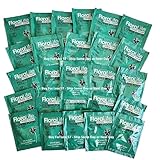
- Floralife Flower Food 300 5gm
- flower preservative
- each pkg makes 1 pint of solution
Many flowers benefit from a solution containing approximately 2% sugar, while some—including certain zinnias and coralbells—can be damaged by concentrations above 1%. Chrysanthemums and China asters may perform well without added sugar. That is why a modest mixture is more sensible for a mixed household bouquet than adding extra sugar in the hope of extending vase life.
Too much sugar can also encourage microbial growth when the solution does not contain enough antimicrobial protection. Sugar alone is not a reliable universal flower preservative.
Lemon juice acidifies the water
Lemon juice supplies citric acid. A more acidic vase solution can help improve water movement through a cut stem. It does not, however, make the solution sterile or prevent all bacterial growth. The clean vase, fresh water, fresh stem cuts, and daily solution changes do much of the practical work in this homemade approach.
Important: never mix lemon juice and bleach
Do not add household bleach to this recipe. Never mix bleach with lemon juice, vinegar, citric acid, soda, or another acidic ingredient. Acid can react with hypochlorite in bleach and release toxic chlorine gas. The Centers for Disease Control and Prevention and Poison Control both warn against mixing bleach with other cleaners or acidic substances.
Some older extension recipes and online instructions combine lemon juice, sugar, and a small amount of bleach. That traditional formula should not be copied for a home bouquet without confronting the chemical hazard. The safer choices are:
Rank #2

- FLOWER FOOD: Just like us, fresh-cut flowers need to eat!! Feed them the right nourishment and they stay fresh, vibrant, and looking fabulous.
- EXPRESS: Our multi-nutrient premium and revolutionary product allows fresh-cut flowers to be fed and fully hydrated, with or without cutting the stems. It suits all flower and foliage types, and contains 97% naturally derived ingredients make it an excellent flower care option for your favorite plants.
- DEPENDABLE PACKAGING: Ensure your flower care products stay fresh and protected with durable, moisture-resistant packaging that maintains quality from shipping to storage. Trusted by floral professionals, FloraLife delivers consistent results for fresh flower care.
- GLOBALLY POSITIONED: We provide full post-harvest solutions to the entire floral industry. Our extensive range of flower care products is specifically formulated to feed, hydrate, nourish, and protect fresh-cut flowers at every stage of their journey.
- INSPIRED BY FLOWERS: FloraLife is dedicated exclusively to the care and handling of fresh-cut flowers from plant to vase. As pioneers, we share our knowledge and expertise with those who share our passion for bunches, bouquets, and arrangements
- Use this bleach-free homemade mixture and replace it every day; or
- Use a commercial floral preservative exactly as its label directs.
Do not improvise by adding another disinfectant or cleaning product. More ingredients do not necessarily make a better or safer flower solution.
Prepare the bouquet correctly
1. Start with a clean vase
Wash the container with soap and water and rinse away all residue. Microorganisms can multiply in vase water and interfere with water uptake, so a dirty vase can undermine even a good preservative.
2. Remove leaves below the waterline
Strip off foliage that would be submerged. Leaves sitting in the solution decay quickly and add organic material that can support microbial growth. Keep healthy leaves above the waterline where possible.
3. Recut the stems
Using a clean, sharp knife, floral pruner, or other suitable cutting tool, remove roughly 1 inch from the bottom of each stem. Make a fresh cut immediately before putting the flowers into the vase.
Cutting underwater may reduce the chance of air entering the stem, but the consistently important priorities are a clean tool, a fresh cut, and prompt placement in water. If the cut ends become damaged, slimy, or dry, recut them when you refresh the vase.
Rank #3
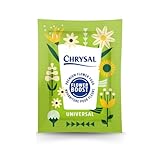
- More Life for your Fresh Flowers: Make your Flower Last Longer with Chrysal Clear cut flower food packets. These are the perfect solution to extend the vase life of your cut flowers. Chrysal flower food for fresh cut flowers is an essential item for any florist or flower enthusiast.
- Provides Optimal Nutrition for Your Flowers: Our cut flowers food formula contains essential nutrients and minerals that help nourish your fresh flowers bouquet, promoting bud and flower development and keeping leaves and stems firm and green. It is odorless, providing all the necessary ingredients for full development of buds and blooms.
- Suitable for Every Flower Variety: The Chrysal fresh cut flower food is able to nourish your cut flowers ensuring that they stay healthy and vibrant, no matter the type of flower, making it a versatile option for anyone working with cut flowers. Reduces the pH and stimulates water uptake and food consumption.
- Ideal Florist Supplies: Our flower food packets for fresh cut flowers provide a convenient and versatile way to extend the life of flowers fresh and it mixes easily and clearly in water. No need to change the water or to re-cut stems during the period in the vase.
- Extra Tip for Awesome Blooms: We recommend mixing the right combination of water (1/2 liter) and Flower Boost (5gr). Clean your vase to remove unwanted microorganism residues, and trim stems by 1 inch before placing them in the solution. Accurate dosing ensures maximum satisfaction
4. Put the flowers in water promptly
Arrange the stems in the prepared solution as soon as possible after cutting. Check the water level each day because flowers can consume water quickly, particularly during the first day or two.
Recommended Free Tools
5. Choose a cool location
Keep the bouquet away from direct sunlight, heating vents, hot drafts, and other warm locations. Also avoid placing it beside ripening fruit. Ripening fruit releases ethylene, a plant hormone that can accelerate aging in some flowers.
6. Change the solution daily
Replace the full solution every day for this homemade recipe. Change it sooner if it becomes cloudy, foul-smelling, or visibly dirty. When refreshing the vase:
- Discard the old solution.
- Wash and rinse the vase.
- Recut the stems if the ends look damaged or the flowers are beginning to wilt.
- Remove any decaying leaves or petals.
- Prepare a fresh solution and return the flowers to the vase promptly.
Homemade flower food versus commercial preservative
Commercial flower food is usually the more dependable choice because it is formulated around the three functions of a conventional floral preservative: carbohydrate, acidification, and microbial control. The ingredients are prepared at controlled concentrations rather than estimated in a kitchen.
A commercial packet is particularly worthwhile for expensive flowers, a large arrangement, a wedding bouquet, or a mixed bouquet whose individual varieties may have different requirements. Use the exact amount of water specified on the packet. An overly diluted commercial solution can contain enough carbohydrate to feed bacteria without enough acid or antimicrobial ingredient to control them.
Quick wins for a faster PC:
Fix the driver behind crashes, sound loss and screen glitchesFind Drivers →Clear out junk files and repair common Windows errorsFree Scan →Scan for outdated or missing drivers - takes under a minuteDriver Scan →Readers who want a more consistent alternative can look for cut-flower food packets or floral preservative packets intended for fresh-cut flowers. Follow the product label rather than combining it with lemon juice, bleach, sugar, or other additives. Consumer flower-food instructions generally include using a clean container, fresh water, the packet contents, removing submerged foliage, and making a fresh stem cut.
What to do when the bouquet starts wilting
Wilting does not always mean the flowers are finished. First check the solution and stems:
- Cloudy or smelly water: Discard it, wash the vase, recut the stems, and prepare fresh solution.
- Low water level: Refill with the appropriate fresh solution. If the existing water is dirty, replace it rather than topping it up.
- Slippery or dark stem ends: Trim back to healthy stem tissue with a clean tool and return the flowers to a clean vase.
- Leaves under water: Remove them immediately.
- Flowers in a hot or sunny position: Move the arrangement to a cooler location away from direct sun and heating vents.
Some flowers will still decline quickly because of their species, age at purchase, heat exposure, or previous handling. Homemade flower food cannot guarantee a particular number of days for every bouquet.
Independent reader supportYour contribution helps us test, update, and keep practical guides available for everyone.Common flower-food mistakes
Adding more sugar
More sugar does not automatically mean longer-lasting flowers. Concentrations that help one species can injure another, and excess sugar can support bacterial growth in a solution without adequate microbial control.
Do these 3 things before closing this tab:
1Clear out junk files and repair common Windows errors2Fix the driver behind crashes, sound loss and screen glitches3Repair Windows errors before they cause bigger problemsUsing sugar alone
Sugar alone lacks the acidity and antimicrobial protection found in a complete commercial preservative. It is not a universal solution.
Adding aspirin, pennies, or soda
These popular home remedies are not consistently effective. Extension guidance indicates that common additives such as aspirin, pennies, soda, or sugar alone do not perform as well as commercial floral preservative, and some may shorten vase life.
Best Value

- Sustainable & Plant-Based: Made with bio-based ingredients and packaged in a recyclable plastic jar to reduce environmental impact.
- Includes Measuring Scoop: Comes with an easy-to-use scoop to ensure accurate dosing for each vase or arrangement.
- Up to 60% Longer Vase Life: Keeps cut flowers fresh and beautiful significantly longer than plain water.
- Crystal Clear & Odor-Free: Dissolves easily in water without cloudiness or smell for a clean presentation.
- Universal Use: Works with all types of fresh cut flowers—ideal for bouquets, centerpieces, and floral gifts.
Using plant fertilizer
Fertilizer intended for rooted garden or house plants is not a substitute for cut-flower preservative. Cut stems have different postharvest needs, and fertilizer is not designed to provide the appropriate balance of carbohydrate, acidity, and microbial control in a vase.
Using an unwashed vase
Adding fresh ingredients to a vase containing old, contaminated water defeats much of the purpose of the recipe. Clean the container whenever you replace a dirty solution.
A practical checklist
- Clean vase washed and rinsed
- 1 quart clean water
- 1 tablespoon granulated sugar
- 2 tablespoons lemon juice
- Submerged leaves removed
- Stems recut with a clean, sharp tool
- Bouquet placed away from heat, direct sun, drafts, and ripening fruit
- Solution checked and replaced daily
- No bleach or other cleaner added
A clean, sharp pair of flower snips or floral pruners can make repeated stem trimming easier, but specialized equipment is not essential if you already have a suitable clean, sharp cutting tool.
Frequently Asked Questions
Can I use bottled lemon juice for homemade flower food?
Yes. The recommended household recipe can use fresh or bottled lemon juice. Use 2 tablespoons with 1 quart of clean water and 1 tablespoon of granulated sugar, then replace the solution daily.
How often should homemade flower food be changed?
Change the entire solution every day. Replace it sooner if it becomes cloudy, foul-smelling, or dirty. Wash and rinse the vase before preparing a fresh batch.
Can I add bleach to lemon juice and sugar flower food?
No. Never mix bleach with lemon juice or another acid. The reaction can release toxic chlorine gas. Use a bleach-free solution or a labeled commercial floral preservative instead.
Outdated Drivers Are Slowing You Down
One free scan finds every outdated or missing driver and matches the right update for your exact hardware.Free scan · exact hardware matchPC Slower Than It Used to Be?
A free scan shows the junk files, broken settings and background clutter dragging Windows down - then fixes them in one click.Free scan · Windows 10 & 11Is commercial flower food better than a homemade mixture?
Usually, it is the more dependable option because commercial preservatives are formulated with controlled amounts of carbohydrate, acidifying agent, and antimicrobial ingredient. Follow the packet’s water-volume directions exactly.
Does aspirin or a penny make flowers last longer?
There is no universal benefit. Extension guidance indicates that aspirin, pennies, soda, and sugar alone do not perform as well as commercial floral preservative, and some additives may shorten vase life.
The Bottom Line
For a simple home bouquet, use 1 quart of clean water, 1 tablespoon of sugar, and 2 tablespoons of lemon juice—but do not add bleach. The biggest gains come from a clean vase, fresh stem cuts, submerged leaves removed, a cool location, and a complete daily solution change. Choose a labeled commercial floral preservative when reliability matters most.
Quick Recap
Product prices and availability are accurate as of the date/time indicated and are subject to change. Any price and availability information displayed on Amazon at the time of purchase will apply.
Free tools Windows power users keep installed
One-click scans. No signup required.




