Quick wins for a faster PC:
Fix the driver behind crashes, sound loss and screen glitchesFind Drivers →Clear out junk files and repair common Windows errorsFree Scan →The most reliable way to get rid of roaches is not to start with a room-wide spray. Use an integrated pest-management plan: confirm and map the activity, remove food and water, reduce shelter, seal entry points, and apply a targeted treatment such as properly labeled bait stations. This approach addresses the conditions roaches need to survive instead of merely killing the insects you happen to see.
Start by placing sticky traps along walls near sinks, refrigerators, stoves, cupboards, and other likely hiding places. Then work through the prevention and exclusion checklist below. If roaches continue appearing after those steps, the infestation is widespread, or the home is part of a multi-unit building, involve a licensed pest-control professional.
Why roaches keep coming back
Roaches stay in a home when they can consistently find three things:
As an Amazon Associate I earn from qualifying purchases.
- Food: crumbs, grease, unwashed dishes, garbage, pet food, and food stored in open packages.
- Water: leaking faucets, damp cabinets, condensation, wet floors, plumbing leaks, and moisture around appliances.
- Shelter: cracks, wall and cabinet voids, clutter, cardboard, paper bags, and undisturbed spaces behind appliances.
They may also enter through cracks, plumbing penetrations, utility openings, doors, packages, luggage, or connected spaces in an apartment or other multi-family building. Cleaning alone may remove some food, but it does not necessarily eliminate an established infestation. The strongest plan combines sanitation, moisture repair, clutter reduction, exclusion, monitoring, and targeted treatment. This is the basic integrated pest-management approach described in EPA housing guidance.
Step 1: Confirm and map the activity
Before applying anything, determine where roaches are active. A sighting in one room does not prove that the nest or main harborage is there. Roaches often travel along walls and through gaps around plumbing and cabinets.
#1 Best Overall

- Kills The Nest: Control infestations and defend your home with this roach killer that attracts roaches in search of food and water. They ingest the bait, carry it back to the nest and trigger a ripple effect, killing other roaches and the entire nest
- Long Residual Action: Designed for sustained efficacy, these cockroach bait stations deliver fast control of small roaches 24/7 for up to 12 months. It provides continuous defense against re-infestation, ensuring immediate, long-term protection
- Quick, Lasting Results: Formulated with Fipronil, a powerful and fast-acting ingredient that begins working within hours. Contains a blend of foods that German roaches and other small roaches find attractive
- Child-Resistant Design: The bait features a secure, child-resistant exterior with roach-sized entry holes. Compact design fits tight spaces like under sinks and behind appliances
- Mess-Free Setup: Includes 18 convenient, ready-to-use bait stations—no activation needed. The clean, easy way to solve your roach problem, with no vapors, fumes or lingering odors—great for kitchens, bedrooms, bathrooms and living areas
- Place traps tight against walls, with the sticky surface positioned where roaches are likely to travel.
- Put them under or beside the refrigerator and stove, inside or near cupboards, beneath sinks, and near plumbing penetrations.
- Add traps near garbage storage, pet-feeding areas, basements, utility rooms, and other dark or damp locations.
- Record the location and date of each trap. Compare catches so you can concentrate cleaning, sealing, and bait placement where activity is highest.
Sticky cockroach traps are primarily monitoring tools. They can confirm activity and reveal travel routes, but they are not a complete treatment for an established infestation. The University of Minnesota Extension cockroach guide recommends traps in likely harborages for this diagnostic purpose.
Step 2: Complete the same-day food and water reset
Make the home less useful to roaches while you investigate and treat it. This is not about achieving a perfect kitchen; it is about removing dependable food and water sources every day.
Remove food access
- Store dry goods and other food in tightly covered plastic, metal, or glass containers.
- Wipe crumbs, grease, and spills from counters, floors, cabinet shelves, and the sides of appliances.
- Wash dishes promptly and clean food residue from sinks.
- Empty garbage regularly and keep the container closed.
- Do not leave pet food or water out overnight. Clean feeding areas after meals.
- Clean beneath and behind appliances when it is safe to do so.
These measures reduce the resources that sustain an infestation, but they should be combined with monitoring and treatment when roaches are already established. The CDC asthma and indoor-trigger guidance also recommends reducing food and water sources, storing food in airtight containers, and cleaning promptly.
Remove water access
- Repair dripping faucets, loose supply lines, drain leaks, and leaking appliance connections.
- Dry wet areas under sinks and around refrigerators, dishwashers, washing machines, and water heaters.
- Look for dampness around plumbing penetrations and inside cabinets.
- Improve ventilation or correct the source of recurring condensation rather than repeatedly wiping it up.
- Do not leave standing water in sinks or containers overnight when practical.
Moisture repair is particularly important in kitchens, bathrooms, basements, laundry rooms, and utility areas. If a leak is hidden inside a wall, cabinet, or floor assembly, repair the source before sealing the opening.
Remove shelter and transport routes
- Break down and remove cardboard boxes instead of storing them indoors for long periods.
- Reduce stacks of newspapers, paper bags, packaging, and unused supplies.
- Leave a small inspection gap between stored items and walls where possible.
- Inspect packages, grocery bags, used appliances, moving boxes, and luggage before bringing them into the home.
- Keep storage off damp floors and away from wall penetrations so activity can be seen early.
Cardboard and paper are especially problematic because they provide dark, protected spaces and can transport roaches or egg cases. Decluttering also makes it possible to inspect and seal the places that were previously hidden.
Step 3: Seal cracks, gaps, and utility penetrations
Once you have inspected the area, close routes into the home and harborage spaces. Concentrate on:
The Tool Desk
Outbyte PC Repair FREEClear out junk files and repair common Windows errorsFree Scan →Outbyte Driver Updater FREEFix the driver behind crashes, sound loss and screen glitchesFind Drivers →- Cracks at cabinet joints, backs, and corners.
- Gaps where baseboards meet walls or floors.
- Openings around water, drain, gas, cable, and electrical lines.
- Gaps around pipes beneath sinks and behind appliances.
- Door gaps, wall penetrations, and openings around utility equipment.
For ordinary stationary cracks, a suitable pest-blocking caulk can provide a clean seal. Larger or irregular openings may require steel wool, copper mesh, spray foam, cement, or another material appropriate for the substrate and location. EPA lists these types of exclusion materials in its housing pest-control guidance.
Rank #2

- advion 68663 Arena 12ct Bag Cockroach Bait Station, White
Choose the material carefully. Do not cover electrical components, ventilation openings, drainage paths, expansion joints, or structural defects with an improvised seal. If a gap involves wiring, gas, active plumbing, fire-rated construction, or a concealed wall void, have the appropriate qualified trade inspect it. Sealing an opening is not a substitute for repairing the leak or correcting the building defect.
Exclusion also should not be treated as a stand-alone cure. If an active infestation is inside a wall, cabinet void, or appliance, sealing one opening may simply redirect movement. Pair exclusion with traps, sanitation, and a correctly labeled treatment plan.
Step 4: Use bait as a targeted treatment
After mapping activity and removing competing food sources, cockroach bait stations are often the most practical consumer treatment category to consider. Choose only a product whose label permits indoor use in the intended location and lists cockroaches as the target pest.
Recommended Free Tools
Place ready-to-use stations or other bait products close to observed activity, along walls, near harborages, and beside—but not on—appropriate hidden surfaces near appliances, cabinets, and plumbing areas. Follow the specific label for placement, quantity, replacement, storage, and disposal. Keep bait away from children, pets, food, dishes, utensils, and food-contact surfaces. Do not open, modify, or redistribute a pre-filled station unless its label specifically permits that use.
Baits generally act slowly. That is useful because a foraging roach may feed and carry the active ingredient back into the harborage, but it also means that seeing a roach shortly after placement does not automatically mean the bait failed. Continue sanitation and monitoring, and replace or reposition bait only as the label directs.
Common bait active ingredients include abamectin, fipronil, and hydramethylnon, according to University of Minnesota Extension. A product’s active ingredient is not a guarantee that it will work equally well in every home. Species, resistance, competing food, placement, building conditions, and the exact label all affect results.
Rank #3

- Kills The Nest: Control infestations and defend your home with this roach killer that attracts roaches in search of food and water. They ingest the bait, carry it back to the nest and trigger a ripple effect, killing other roaches and the entire nest
- Long Residual Action: Designed for sustained efficacy, these cockroach bait stations deliver fast control of large roaches 24/7 for up to 3 months. It provides continuous defense against re-infestation, ensuring immediate, long-term protection
- Quick, Lasting Results: Formulated with Fipronil, a powerful and fast-acting ingredient that begins working within hours. Contains a blend of foods that American roaches and other large roaches find attractive
- Child-Resistant Design: The bait features a secure, child-resistant exterior with roach-sized entry holes. Compact design fits tight spaces like under sinks and behind appliances
- Mess-Free Setup: Includes 8 convenient, ready-to-use bait stations—no activation needed. The clean, easy way to solve your roach problem, with no vapors, fumes or odors—great for kitchens, bedrooms, bathrooms and living areas
Consumer stations and professional gel are not interchangeable
EPA-hosted label materials show that some consumer-ready, pre-filled bait stations are labeled for German, American, and Oriental cockroaches. That does not mean every station is labeled for every species or every location. Read the label on the product you actually purchase.
Professional gel products have different directions and access requirements. For example, the manufacturer identifies Advion Cockroach Gel Bait as containing indoxacarb and lists German, American, Oriental, Brown-Banded, and Smoky-Brown cockroaches among its targets. Its label describes crack-and-crevice and entry-point applications. This is an example of a professional product, not a blanket recommendation for every homeowner. Availability, user eligibility, state requirements, and application directions can vary.
Whether you use a consumer station or hire a technician, the actual product label controls. In the United States, EPA explains that pesticide labels are legally enforceable: using a pesticide inconsistently with its labeling violates federal law. Labels specify where, how, how much, and how often a product may be used. Keep the product in its original container and follow its storage and disposal instructions.
Why room-wide spraying and foggers often make the problem worse
A spray can kill a roach that it directly contacts, but broad application may not reach protected harborages and can scatter roaches into other spaces. It can also interfere with bait. Do not spray insecticide over gel bait or bait stations, and do not apply a repellent product where it can make the bait unattractive unless the exact label permits that combination.
As a default, avoid:
- Room-wide spraying: targeted applications are generally more appropriate than treating every surface.
- Foggers and bug bombs: EPA advises using fogging devices only when absolutely necessary. They can create exposure and may not reach the cracks and voids where roaches hide.
- Outdoor pesticides indoors: a product labeled for outdoor use is not automatically safe or legal to use inside.
- Extra product: more bait or insecticide does not mean faster control. Never exceed the label rate or frequency.
- Mixed pesticides: do not combine products or transfer them into another container.
People with asthma should be especially cautious. The CDC advises avoiding sprays and foggers because they can trigger asthma attacks. If pesticide application is necessary, select an appropriately labeled product and follow the label; consider professional help when a resident cannot safely apply it.
What’s actually slowing this PC down?
Pick the symptom - the matching free tool is one click away.
For additional U.S. pesticide-safety guidance, see the EPA dos and don’ts for pest control and the agency’s introduction to pesticide labels.
Rank #4
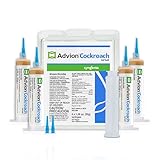
- Gel bait formulation
- Designed to control pest species of cockroaches
- Can be used on commercial, residential, and industrial sites
- For indoor and outdoor use
- Can be used in food handling areas
Clean cockroach debris without spreading dust
Cockroach bodies, droppings, shed skins, and other debris can act as indoor allergens and may worsen asthma in people who are sensitized. Cleaning helps reduce exposure, but it does not eliminate the source of an infestation.
- Remove food, dishes, and other items from the work area.
- Use a method that minimizes dust rather than dry sweeping debris into the air.
- Vacuum visible debris carefully, following the vacuum manufacturer’s instructions for filters, bags, and disposal.
- Clean the surface afterward according to the surface manufacturer’s recommendations.
- Continue source control, monitoring, exclusion, and treatment rather than relying on vacuuming alone.
A HEPA-filter vacuum can be useful for reducing airborne debris during cleanup, especially where asthma is a concern, but it is not an extermination method. Keep people with asthma away from dusty cleanup when possible, and consult a clinician about persistent symptoms or a suspected environmental trigger. Reducing cockroach exposure can be part of controlling an identified trigger; it does not cure asthma.
Special considerations for apartments and multi-family homes
In a detached home, the work may be concentrated in one structure. In an apartment, condominium, duplex, or other connected building, roaches can move through wall voids, plumbing penetrations, shared utility spaces, neighboring units, garbage areas, and common storage. Treating one room—or even one apartment—may fail if the source remains elsewhere.
Windows Errors? Fix Them Before They Spread
Repair common Windows errors and clear accumulated junk for a smoother, more stable PC - no reinstall needed.Free scan · no reinstallCrashes, No Sound, or Screen Glitches?
Random freezes, missing sound and display glitches usually trace back to one bad driver. Find and replace yours safely.Free scan · under a minuteResidents should report the problem to the property manager or housing provider promptly and document where and when activity is found. Maintenance may need to repair leaks, seal penetrations, correct building defects, and inspect adjacent units or shared spaces. Pest professionals and housing managers may need to coordinate monitoring and treatment across multiple units. Do not independently apply pesticides in another unit, a common area, or a wall void unless you are authorized and the product label permits it.
A practical decision plan
| What you observe | What to do next |
|---|---|
| One uncertain sighting and no trap activity | Place monitoring traps, inspect packages and likely harborages, remove food and water sources, and seal obvious gaps after inspection. |
| Trap activity concentrated under a sink or near an appliance | Repair leaks, clean the area, reduce clutter, place labeled bait near the activity, and monitor the surrounding routes. |
| Roaches appear in several rooms or at different times of day | Assume the problem may be more widespread. Continue source control, avoid scatter-producing sprays, and arrange an inspection if targeted control does not resolve it. |
| Activity continues after correctly labeled bait and exclusion | Check for competing food, moisture, missed harborages, resistance, species differences, or movement from another unit. Escalate to a professional. |
| Children, pets, asthma, chemical sensitivity, or mobility limitations make treatment difficult | Use non-chemical prevention and monitoring where practical and seek advice from a qualified pest professional about safe, labeled options. |
When to call a professional
Contact a licensed pest-control professional when:
- Roaches continue appearing after sanitation, moisture repair, exclusion, monitoring, and correctly labeled targeted treatment.
- Activity is widespread, recurring, or present during daylight in substantial numbers.
- You cannot identify the species or determine where the activity is coming from.
- The infestation involves wall voids, shared plumbing, multiple units, or inaccessible equipment.
- A resident cannot safely apply a pesticide product.
- You need a coordinated inspection and treatment plan for an apartment or other multi-family building.
Ask what species and areas were identified, which products will be used, where they will be applied, what residents must do before and after treatment, and how follow-up monitoring will work. A good service plan should address moisture, food, harborages, and entry points—not simply spray the areas where roaches were seen.
Home cockroach-control supply checklist
Buy only what supports the plan and use each item for its intended purpose:
Best Value

- KILLS: Kills roaches and the eggs they carry Hot Shot Ultra Liquid Roach Bait also kills both large and small roaches where they breed
- ADVANCED LIQUID BAIT TECHNOLOGY: This bait is extremely attractive to roaches because it combines an attractive food source with the water source they need, delivering a lethal dose quickly
- KILLS ROACHES WHERE THEY BREED: Place bait stations where roaches have been seen, or in out-of-the-way places near walls in cabinets, under sinks and refrigerators and in closets
- LEAVES NO MESS: The clear, non-staining formula kills roaches fast This ready-to-use product has nothing to activate, just pull the tab! No drips! No spills! No-mess
- Sticky cockroach traps: for confirming activity and mapping travel routes.
- Cockroach bait stations: for targeted treatment when the product is labeled for indoor cockroach use and the location is suitable.
- Pest-blocking caulk or other sealing materials: selected for the size, substrate, and safety requirements of each gap.
- Cleaning supplies and closed food containers: for removing food access and protecting stored food.
- HEPA-filter vacuum: for careful debris cleanup, not for eliminating the infestation by itself.
Boric-acid products are also pesticides. Do not assume that boric acid is harmless or use loose powder casually around children, pets, food, or accessible surfaces. If you choose such a product, follow its label exactly, including the approved application site, amount, storage, and disposal directions.
Free tools Windows power users keep installed
One-click scans. No signup required.
What success looks like
Effective control is not simply seeing fewer roaches for a day after spraying. Look for a sustained decline in trap activity, fewer droppings and sightings, dry and repaired plumbing areas, fewer accessible food sources, and sealed routes into the home. Keep monitoring long enough to detect a return of activity, especially in warm, damp areas and in connected housing.
If activity returns, revisit the building conditions before automatically switching products. A missed leak, untreated neighboring unit, inaccessible appliance void, food source, or resistance problem may be more important than the brand or active ingredient. The goal is to remove the conditions that let roaches survive and then use the least disruptive effective treatment allowed by the label.
Frequently Asked Questions
How long does it take for cockroach bait to work?
Cockroach baits generally act slowly, so immediate sightings do not necessarily mean the product failed. Keep food and water sources controlled, avoid spraying over the bait, monitor activity, and follow the product label for placement and replacement. Persistent activity warrants an inspection.
Should I use a fogger or bug bomb for roaches?
Not as a default treatment. Foggers may create unnecessary exposure, fail to reach protected harborages, and scatter roaches. EPA advises using fogging devices only when absolutely necessary. People with asthma should avoid sprays and foggers because they can trigger attacks.
Can cleaning alone get rid of roaches?
Cleaning and sanitation are essential because they remove food and water, but cleanliness alone may not eliminate an established infestation. Combine sanitation with monitoring, moisture repair, exclusion, targeted baiting when appropriately labeled, and professional treatment when necessary.
Are boric-acid roach products safe?
Boric acid is still a pesticide and is not automatically harmless. Use only a product labeled for the intended indoor site, follow every direction, and keep it away from children, pets, food, and accessible surfaces.
Why do roaches keep returning in an apartment?
They may be moving through shared wall voids, plumbing penetrations, neighboring units, utility spaces, or common waste areas. Successful control may require coordinated inspection, repairs, monitoring, and treatment by residents, maintenance staff, housing management, and a pest professional.
The Bottom Line
To keep roaches away, remove their food, water, and shelter; repair leaks; reduce cardboard and clutter; monitor with traps; and seal cracks and utility gaps. For roaches already inside, use a targeted, correctly labeled bait rather than defaulting to room-wide sprays or foggers. If activity is persistent, widespread, unsafe to treat, or connected to other units, obtain professional help and address the building conditions that are allowing the infestation to continue.
Quick Recap
Product prices and availability are accurate as of the date/time indicated and are subject to change. Any price and availability information displayed on Amazon at the time of purchase will apply.




