You can grow chickpeas (also called garbanzo beans) in a home garden, but they need a long, warm growing season—about 100 days is a useful planning estimate, not a guarantee. Purdue Extension says chickpeas are not particularly well-adapted to Indiana; Iowa State Extension likewise describes them as difficult to grow in Iowa, where they perform best in hot, drier conditions. Those are regional observations, not a universal climate map. Check your local frost dates and regional extension advice before planting.
Will chickpeas mature in your climate?
Start with the length and warmth of your growing season. Purdue Extension gives about 100 days to harvest, and Iowa State Extension gives 100 days for chickpeas. A Washington State University Pacific Northwest garden table lists 85–125 days to maturity. The difference is a reminder that timing varies with conditions and the crop; use local guidance and your seed packet rather than treating any figure as a promise.
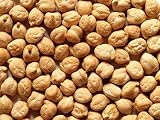

Iowa State says chickpeas perform best in hot, drier conditions and can be difficult to grow in Iowa. Purdue similarly cautions that they are not particularly well-adapted to Indiana. These statements describe those regions; they do not establish suitability for every location with similar-sounding weather. If your season is short or cool, plants may not mature reliably.
Choose a site and plan sowing
Sun and soil
Choose a full-sun site with well-drained soil. Avoid a spot where water tends to linger; chickpeas need drainage, and the cited home-garden guidance does not provide a universal watering schedule.
The Tool Desk
Outbyte Driver Updater FREEFix the driver behind crashes, sound loss and screen glitchesFind Drivers →Outbyte PC Repair FREEClear out junk files and repair common Windows errorsFree Scan →#1 Best Overall
Depth, spacing, and soil temperature
Follow the seed packet and local extension recommendations first. As a regional reference, Washington State University’s Pacific Northwest Gardener’s Handbook table lists a sowing depth of 1½–2½ inches, 3–4 inches between plants in a row, 24–30 inches between rows, and soil-temperature guidance of 65°F. These figures are specific to that regional reference, not universal planting rules.
Care for young plants
Keep weeds from competing with young chickpea plants, and maintain well-drained conditions. The cited home-garden sources do not establish a fixed watering frequency, so adjust watering to your soil, weather, and local advice instead of applying a schedule intended for another garden or for commercial production.
Rank #2

- 96% GERMINATION, 99.98% PURITY - INDUSTRY-LEADING STANDARDS - Todd's Seeds Garbanzo Beans are lab tested to exceed industry requirements for germination rate and purity. We helped develop the safety testing standard for sprouting seeds and test beyond what regulations require - because your health depends on it. Grows indoors year-round on your counter with no soil, no sunlight, and no grow lights needed.
- CHEMICAL FREE & RESPONSIBLY SOURCED - Our Garbanzo beans are grown and handled to organic standards, free of pesticides, herbicides and synthetic treatments of any kind. Sourced exclusively from premium USA and Canadian harvests - never overseas - and screened to guarantee only the highest quality seed makes it into your bag.
- HAND INSPECTED & LAB TESTED FOR CONTAMINANTS, PATHOGENS & DISEASE - Every batch is inspected by a real person before packaging and tested for germination, purity, contaminants and disease. We test beyond industry and regulatory requirements so you can sprout with confidence.
- EAT RAW, SPROUTED OR COOKED - VERSATILE PROTEIN POWERHOUSE - Soak overnight for a barely sprouted crunch that adds plant-based protein to salads, grain bowls, wraps and more. Or sprout fully in a jar or sprouting tray in just a few days. No special equipment needed.
- USA-BASED, FAMILY-OWNED SINCE 2009 - Todd's Seeds has been trusted by home growers and professional sprouters for over 15 years. We stand behind every bag with full customer support and a satisfaction guarantee.
Chickpeas are legumes that can form a nitrogen-fixing relationship with soil bacteria, but that does not make field-scale fertilizer or treatment recommendations automatically appropriate for a small garden. UC Agriculture and Natural Resources’ detailed guide addresses California commercial production; its crop-scale water and soil practices should not be transferred wholesale to a home plot.
Rotate chickpeas to reduce disease risk
When possible, avoid planting legumes repeatedly in the same bed. Purdue recommends alternating bean plantings with a different crop to reduce disease problems, and UC ANR advises against planting beans after beans. Plan the next crop in that bed accordingly rather than returning chickpeas or other beans to it year after year.
Quick wins for a faster PC:
Clear out junk files and repair common Windows errorsFree Scan →Scan for outdated or missing drivers - takes under a minuteDriver Scan →Repair Windows errors before they cause bigger problemsFix Now →Rank #3

- CERTIFIED GLYPHOSATE RESIDUE FREE by the detox project.
- HIGH STANDARD OF EXCELLENCE: Palouse Brand foods are Certified Non-GMO Project Verified, Kosher, farmed Sustainably and cleaned in a food safe HACCP Certified facility.
- PROUDLY GROWN ON OUR FARM: Palouse Brand foods are proudly grown on our Washington State farm providing our customers truly authentic farm to table experiences. We grow our foods on our 125+ year old farm, harvest them, transport them, triple clean, and package them to be sent directly to our customers.
- LONG-TERM SHELF LIFE: Through food safety regulations we provide a Best By date of 3 years. However, when stored in an air-tight container, in a cool, dry location, Palouse Brand foods can last decades.
- Product packaging may vary.
Harvest chickpeas green or dry
| Use | When to harvest |
|---|---|
| Green chickpeas | Pick pods at the green-ripe stage, as described by Purdue Extension. |
| Dry chickpeas | Leave pods on the plant until they mature and begin to split, the dry-harvest cue described by Iowa State Extension. |
Iowa State describes chickpea plants as bushy and 1–2 feet tall, with two seeds per pod. Harvest timing, rather than a fixed calendar date, is the practical guide: inspect pods and choose whether you want them green or fully mature for drying.
Quick Recap
Rank #4

- Nutritious and Versatile Legume: Chickpeas (Cicer arietinum), also known as Garbanzo beans, produce protein-rich, nutty-flavored beans perfect for fresh eating, drying, and culinary uses.
- Non-GMO, Heirloom Variety: Each packet contains high-quality, non-GMO, heirloom seeds, carefully selected for excellent germination rates and healthy, vigorous plant growth.
- Drought-Tolerant and Hardy: Chickpeas thrive in warm, dry climates and are highly drought-tolerant, making them ideal for water-efficient gardening and low-maintenance spaces.
- Suitable for Gardens and Containers: Compact bush-like plants grow to about 18-24 inches, making chickpeas well-suited for garden beds, raised beds, and container gardening.
- Easy Harvest for Fresh or Dried Beans: Harvest young pods for fresh beans, or allow them to mature and dry on the plant for easy shelling and long-term storage.
Sources and regional guidance
- Purdue Extension, “Growing Beans in the Home Vegetable Garden” (undated webpage).
- Iowa State University Extension, “How do I grow chickpeas?” (reviewed October 2024).
- Washington State University Extension, Pacific Northwest Gardener’s Handbook (publication date not established in the source result).
- UC Agriculture and Natural Resources, chickpea production guide (2019; commercial-production context).
Product prices and availability are accurate as of the date/time indicated and are subject to change. Any price and availability information displayed on Amazon at the time of purchase will apply.




