Quick wins for a faster PC:
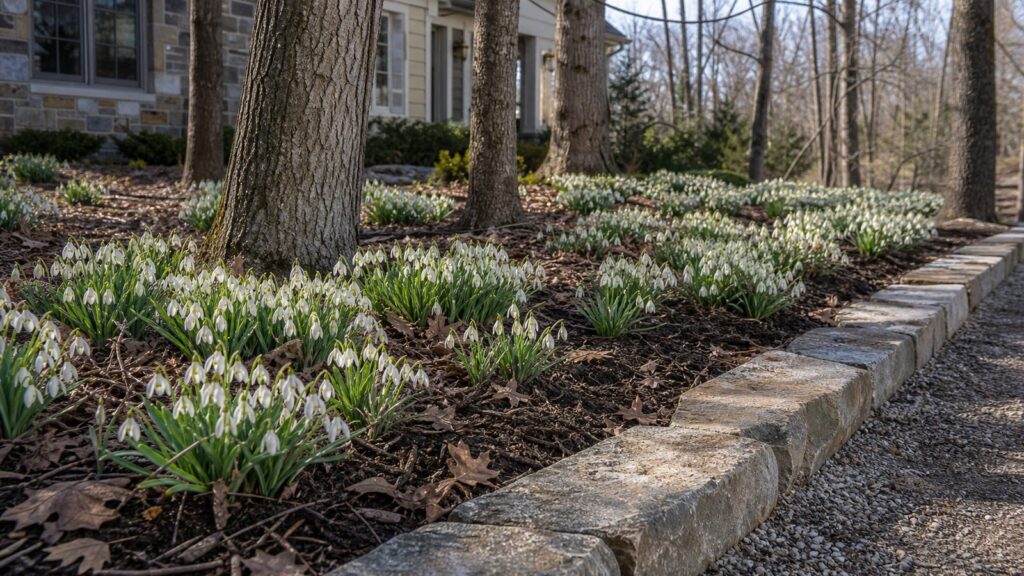
Clear out junk files and repair common Windows errorsFree Scan →Scan for outdated or missing drivers - takes under a minuteDriver Scan →For common snowdrops (Galanthus nivalis), choose a partly shaded or dappled site with soil that drains well but does not dry out completely in summer. Plant dormant bulbs in autumn, following local guidance and the supplier’s instructions for depth; when moving or dividing an established clump, planting it “in the green” just after flowering is often more reliable than replanting dry bulbs.
After flowering, leave the leaves until they die back naturally so they can replenish the bulb. Buy traceable, nursery-propagated stock rather than collecting snowdrops from the wild, and keep bulbs away from anyone who might eat them.
Choosing a site
Snowdrops suit light shade. Kew’s Plants of the World Online entry for Galanthus nivalis recommends dappled shade and well-drained soil that is not completely dry in summer. The RHS describes common snowdrop as suited to partial shade and moisture-retentive, humus-rich soil. Conditions vary by climate and site, so aim for drainage without allowing the soil to become waterlogged or bone dry during active growth.
In containers, the RHS recommends loam-based compost and good drainage, with a sheltered position during summer dormancy. Avoid assuming that every species or cultivar has identical needs.
#1 Best Overall
- Beautiful late winter, early Spring Blooms that come back year after year
When and how to plant dormant bulbs
Plant dormant snowdrop bulbs in autumn, but use regional advice rather than treating one date or depth as universal. The RHS recommends planting dormant G. nivalis bulbs 10 cm (4 in) deep in September and October. University of Wisconsin–Madison Extension recommends planting 3 in deep and 3 in apart after the soil has cooled for its regional audience. Follow the guidance suited to your area and the bulb supplier’s instructions.
- Choose a site with suitable light and good drainage.
- Check the nursery’s planting instructions and local horticultural guidance for timing and depth.
- Plant dormant bulbs in autumn, allowing for the recommended spacing and depth for your region.
- Water to settle the soil if conditions are dry, while avoiding waterlogged ground.
Moving and dividing snowdrops in the green
Snowdrops can be difficult to re-establish from dry bulbs. For an established clump, lifting and replanting it just after flowering while the leaves are still present—known as planting “in the green”—is a useful approach. Choose a time when the soil is moist and replant promptly.
- After flowering, lift the clump carefully with a hand fork while the foliage is still green.
- Gently tease the clump into smaller groups by hand, minimizing root damage.
- Replant each group promptly at its former depth. The RHS advises using the change in stem colour as a guide to planting depth.
- Water thoroughly to settle the soil around the roots.
Snowdrops can also spread by offsets and seed. The RHS advises allowing seed capsules to mature and taking care not to remove fine, grass-like seedlings by mistake. University of Wisconsin–Madison Extension estimates that seed-grown snowdrops may take about four years to flower; this is an estimate, not a guaranteed timetable.
Rank #2
- Bulb Size: 2" (7/+ cm) Circumference
- Hardiness Zone: 3 to 9
- Light Requirements: Full Sun, Partial Shade
- Includes 50 Galanthus bulbs, temperature controlled and shipped with care.
- Easy to grow, attracts pollinators, deer resistant, winter hardy, good for containers.
Care after flowering
Do not cut or mow the leaves while they are green. The foliage replenishes the bulb after flowering, so wait until it dies back naturally before mowing a lawn planting or clearing leaves. Kew, the RHS, and University of Wisconsin–Madison Extension all advise allowing foliage to die back.
Moisture needs depend on site and climate. Maintain suitable conditions during active growth, but avoid persistently waterlogged soil. The RHS says an autumn feed can help maintain vigorous growth; treat this as its recommendation, not a requirement for every planting.
Pests, problems, and safe sourcing
The RHS lists aphids, narcissus bulb fly, slugs and snails, squirrels, and damping off in seedlings among possible problems. University of Wisconsin–Madison Extension describes snowdrops as having few pests and notes that they are usually not bothered by deer, rabbits, voles, and other rodents. Check plants for the actual problem before deciding what action to take; the reviewed guidance does not establish snowdrop-specific treatment steps.
Rank #3

- Low Maintenance: Perfect for both novice and experienced gardeners, Leucojum Aestivum is low-maintenance. Once planted, these bulbs require minimal care, making them an excellent choice for busy garden enthusiasts.
- Adaptable and Hardy: Thriving in various soil types and light conditions, these flowering bulbs are resilient and adaptable. Whether in full sun or partial shade, Leucojum Aestivum graces the garden with its presence, effortlessly enhancing the landscape.
- Graceful Stature: Standing at a modest height of 12-18 inches (30-45 cm), Leucojum Aestivum presents a graceful silhouette in the garden beds. This makes them ideal for border plantings, adding vertical interest without overshadowing neighboring plants.
- Perennials: As perennials, Leucojum Aestivum returns year after year, ensuring a sustained display of beauty in the garden. Their longevity and resilience make them a wise investment for those looking to establish a garden that evolves and matures gracefully over time.
- Versatile Pairing: Complement the elegance of Leucojum Aestivum by pairing them with other spring-blooming bulbs like daffodils, tulips, or crocuses. The harmonious combination of colors and shapes creates a visually stunning tapestry that evolves throughout the seasons.
Kew reports that common snowdrop is classified as Near Threatened under IUCN Red List criteria and that trade in Galanthus is regulated under CITES Appendix II. Kew also notes that most nurseries sell artificially propagated plants. Choose traceable cultivated stock and do not collect plants from the wild.
Snowdrops and their bulbs are harmful if eaten. Kew says eating them in large quantities can cause nausea, diarrhoea, and vomiting. Store bulbs safely and keep them away from children and pets.
Free tools Windows power users keep installed
One-click scans. No signup required.
Choosing snowdrop types and planting forms
Species and cultivars differ, so compare flowering season, mature size, local hardiness, soil and moisture preferences, and whether you are buying a dormant bulb or a plant in the green. The comparisons below reflect the cited sources’ contexts and should not be taken as universal rankings.
Rank #4
- Bulb Size: 2" (7/+ cm) Circumference
- Hardiness Zone: 3 to 9
- Light Requirements: Full Sun, Partial Shade
- Includes 100 Galanthus bulbs, temperature controlled and shipped with care.
- Easy to grow, attracts pollinators, deer resistant, winter hardy, good for containers.
| Option | Useful distinction | What to check |
|---|---|---|
| Galanthus nivalis (common snowdrop) | Central example in the guidance; the RHS describes it as fully hardy. | Follow local planting guidance for timing, depth, and site conditions. |
| Galanthus elwesii | University of Wisconsin–Madison Extension says it is less hardy than common snowdrop in its regional guidance and handles hot weather better. | Check performance recommendations for your own climate; the regional comparison is not universal. |
| Dormant bulbs | Planted in autumn. | Use supplier and local guidance for planting depth and timing. |
| Plants in the green | Useful for establishing or dividing snowdrops after flowering; the RHS says dry bulbs can re-establish poorly. | Replant promptly after lifting and water in. |
Frequently Asked Questions
When should I plant snowdrop bulbs?
Plant dormant bulbs in autumn. The RHS recommends September and October for G. nivalis, while University of Wisconsin–Madison Extension advises planting after the soil has cooled in its region. Follow local guidance and the supplier’s instructions.
How deep should I plant snowdrop bulbs?
Recommendations differ by source and region: the RHS advises 10 cm (4 in) for dormant G. nivalis bulbs, while University of Wisconsin–Madison Extension recommends 3 in for its regional audience. Use the depth recommended for your area and by your supplier.
Can I plant snowdrops in the green?
Yes. Lift an established clump just after flowering while leaves are still present, gently divide it, and replant promptly at the former depth. The RHS recommends this approach because snowdrops do not re-establish well from dry bulbs.
Best Value

- Galanthus are great border plants as specimen plants or as border plants.. great in north and midwest and beautiful flowers in the spring are followed by green foilage for the remainder of the growing season, Perennials come back year after year Are easy to grow and easy to care for
Should I cut back snowdrop leaves after flowering?
No. Leave foliage in place until it dies back naturally. The leaves replenish the bulb, and lawn plantings should not be mown until the foliage has died back.
How do I divide snowdrops?
Lift the clump carefully after flowering while it is still green, preferably when the soil is moist. Tease it apart by hand, minimize root damage, and replant the divisions promptly at the former depth. Water thoroughly to settle the soil.
Are snowdrops poisonous?
Yes. Snowdrops and their bulbs are harmful if eaten. Kew says eating them in large quantities can cause nausea, diarrhoea, and vomiting, so store bulbs safely and keep them away from children and pets.
Quick Recap
Sources
- Royal Horticultural Society, snowdrop propagation advice
- Kew, Plants of the World Online: Galanthus nivalis
- University of Wisconsin–Madison Extension, snowdrop guidance
- Royal Horticultural Society Plants, common snowdrop listing
Product prices and availability are accurate as of the date/time indicated and are subject to change. Any price and availability information displayed on Amazon at the time of purchase will apply.