Free tools Windows power users keep installed
One-click scans. No signup required.
Star jasmine (Trachelospermum jasminoides) grows best in a warm, bright, sheltered position with free-draining soil and a real support to climb. Keep newly planted vines evenly watered while they establish, protect them from severe frost, and prune after the main flowering period when shaping is necessary.
Star jasmine (Trachelospermum jasminoides) grows best in a warm, bright, sheltered position with free-draining soil and a real support to climb. Keep newly planted vines evenly watered while they establish, protect them from severe frost, and prune after the main flowering period when shaping is necessary. In suitable conditions, this evergreen, fragrant climber can cover a trellis, fence, arbor, pergola, or screen.
As an Amazon Associate I earn from qualifying purchases.
Despite its common name, star jasmine is not a true jasmine. True jasmines belong to the genus Jasminum; star jasmine is a woody, twining member of the dogbane family, Apocynaceae. It is also sold as Confederate jasmine or Chinese jasmine. Confirm the botanical name before buying because hardiness, growth habit, fragrance, and safety information can differ among plants sold under similar common names. The North Carolina Extension plant profile provides a useful identification reference.
Quick wins for a faster PC:
Clear out junk files and repair common Windows errorsFree Scan →Scan for outdated or missing drivers - takes under a minuteDriver Scan →Repair Windows errors before they cause bigger problemsFix Now →Star jasmine at a glance
| Feature | What to expect |
|---|---|
| Botanical name | Trachelospermum jasminoides |
| Growth habit | Evergreen, woody, twining climber |
| Flowers | Small, creamy-white, star-shaped flowers with a strong fragrance |
| Flowering period | Usually late spring or summer, with possible additional flowering later |
| Light | Full sun to partial shade; brighter light generally means better flowering |
| Typical U.S. hardiness guidance | Usually USDA Zones 8–10, subject to exposure and local conditions |
| Potential size | About 4 m or more in favorable conditions; some U.S. references list up to approximately 20 ft |
| Support | Trellis, wires, fence, arch, pergola, tripod, or another structure around which stems can twine |
Where to plant star jasmine
Choose light and shelter first
Plant star jasmine in full sun or partial shade. A south- or west-facing wall, fence, courtyard, or other warm position can encourage vigorous growth and flowering. Light shade is tolerated, but a deeply shaded site is more likely to produce thin growth and fewer flowers.
#1 Best Overall

- This vigorous vine produces an abundance of small, pinwheel-shaped, pure white flowers that release an intoxicating, sweet fragrance
- Perfect for gardeners of all levels! These seeds grow into a robust, evergreen vine that quickly covers trellises, fences, arbors, and walls.
- It can also be trained as elegant ground cover or grown in containers, adding lush, year-round greenery to any landscape.
- Jasmine thrives in full sun to partial shade and adapts to various well-drained soils, rewarding you with minimal effort.
- A valuable addition to any eco-friendly garden. The fragrant blossoms attract beneficial pollinators like bees and butterflies.
Position the plant near a patio, doorway, path, or seating area where its fragrance can be enjoyed. At the same time, avoid exposed locations with cold, drying winds. A sheltered wall can make a meaningful difference in borderline climates, but it does not turn a frost-sensitive site into a reliably suitable one.
Check your winter climate realistically
Star jasmine is commonly recommended for USDA Zones 8–10. In cooler regions it may survive in a protected microclimate, but zone labels are approximations rather than guarantees. Plant maturity, winter wind, drainage, the length of a freeze, and the warmth of nearby masonry all affect survival.
Use extra caution where temperatures remain below approximately 23°F (-5°C), particularly with young or container-grown plants. In frost-prone areas, grow it in a container that can be moved into a greenhouse, conservatory, bright sheltered room, or other protected location before severe freezes. The Royal Horticultural Society’s plant guidance also emphasizes a warm, sheltered position and winter protection where necessary.
Do these 3 things before closing this tab:
1Scan for outdated or missing drivers - takes under a minute2Repair Windows errors before they cause bigger problems3Fix the driver behind crashes, sound loss and screen glitchesIf your area is marginal, buy from a regional nursery and ask which form has performed locally. When comparing sellers, search for a live star jasmine plant using the full botanical name, then verify the seller’s current hardiness information, plant size, shipping restrictions, and return policy. Availability and seller details change, so a listing is not proof that the plant will suit your climate.
Soil and drainage requirements
Use fertile or moderately fertile soil that drains freely. Loam and sandy soil are generally easier to manage than heavy, waterlogged clay. Star jasmine can tolerate neutral, slightly acidic, and alkaline conditions, so drainage is usually more important than adjusting the soil to a narrowly defined pH.
Do not plant where water stands after rain or irrigation. Heavy, damp soil and fluctuating water tables increase the risk of root problems, including Phytophthora root rot. If the ground is slow to drain, improve the planting situation rather than trying to compensate with more fertilizer: consider a raised bed, a different location, or container growing. The RHS growing guide specifically identifies persistently wet or heavy soil as a concern.
How to plant star jasmine
- Plant at the right time. Spring is the safest general planting season because roots have time to establish before winter. In mild, frost-free climates, local conditions may allow a wider planting window.
- Install the support first. Put in the trellis, wires, arch, or other structure before or during planting so that young stems do not have to be disturbed later.
- Prepare a wide hole. Make the hole wider than the root ball but no deeper than the existing root system. Set the plant at the same depth at which it was growing in its pot.
- Backfill sensibly. Use the excavated soil, adding organic material only when it is genuinely needed and well mixed through the surrounding soil. Do not create a small pocket of rich, poorly draining material around the roots.
- Water thoroughly. Soak the root zone after planting, allowing excess water to drain away.
- Mulch carefully. A surface mulch can help moderate moisture, but keep it away from direct contact with the stems and do not use it to conceal a drainage problem.
For the first growing season, check the soil regularly and water when the upper layer begins to dry. The goal is consistent moisture during establishment, not permanently saturated soil.
Windows Errors? Fix Them Before They Spread
Repair common Windows errors and clear accumulated junk for a smoother, more stable PC - no reinstall needed.Free scan · no reinstallOutdated Drivers Are Slowing You Down
One free scan finds every outdated or missing driver and matches the right update for your exact hardware.Free scan · exact hardware matchBuild the right support
Star jasmine twines; it does not reliably grip a smooth vertical wall unaided. A bare wall may provide warmth, but it does not provide a safe climbing route. Attach a separate trellis or a system of horizontal and vertical wires with enough clearance for the stems and enough strength to carry the mature vine.
Rank #2

- Strong Climbing Ability: These jasmine seeds grow into vigorous climbers that easily attach to fences, trellises, pergolas, or balcony railings (can reach 8-12ft tall). Lush green vines paired with delicate white blooms create a romantic, natural screen
- Planting method: After soaking the seeds for 4 hours, sow the seeds into the soil. Keep the soil moist and cover it with vegetation ash to increase nutrients. Water with a watering can or garden hose to saturate the soil without flooding it.
- Long flowering period: Gardenias have a fairly long flowering period, starting in July and lasting until the last few days of October. If the flower is well cared for, buds will appear on its buds and a large number of flowers will bloom.
- Fragrance: Jasmine has a light fragrance, white romantic flowers, your garden will be the center of attention. Jasmine plants typically grow as sprawling vines that are trained to climb, or are pruned into neat, beautiful mounds of leaves.
- USES: Flowers are long-lasting and fragrant. Garden decoration, flowers are a favorite at weddings and used in bridal bouquets, boutonnieres and centerpieces. Water with a watering can or garden hose to saturate the soil without flooding it.
Suitable supports include fences, trellises, arches, pergolas, tripods, porch structures, and wire systems. Match the support to the eventual size and weight of the plant. A small decorative frame may be adequate for a young container specimen but unsuitable for a mature vine covering a large wall or pergola.
For a construction or renovation project, plan the support as part of the structure rather than attaching a heavy mature vine to fragile cladding, gutters, trim, or an inadequately anchored screen. Leave access for painting, repairs, inspection, and future pruning.
A garden trellis for climbing plants or properly anchored wire support is useful when the plant is intended to screen a fence, cover an arbor, or soften a wall. Choose a support with enough width and attachment points to guide the plant rather than simply placing it against a smooth surface.
Train young stems
Guide flexible stems toward the support and tie them loosely until they begin to twine. Use soft material and leave room for the stem to expand; tight ties can girdle growing shoots. A few soft plant ties or garden twine can help with temporary training, but ties are an aid, not a substitute for a suitable support.
Watering: moist while establishing, never waterlogged
Water newly planted star jasmine consistently while its roots develop. Once established, it has some drought tolerance, but drought tolerance does not mean it can be ignored during hot, dry weather. Plants in containers, in very hot climates, or beside heat-reflective walls may need particular attention.
Instead of following a fixed weekly schedule, use the soil and the weather as your guide:
- When the upper soil begins to dry, water deeply enough to wet the root zone.
- Allow excess water to drain fully.
- Check containers more often because they dry faster than garden soil.
- Reduce watering during cool or wet weather, but do not let a container root ball become bone dry for extended periods.
Persistent saturation can lead to root decline, while severe summer drying can cause wilting, leaf drop, and poor flowering. If a plant wilts in wet soil, investigate drainage and roots before watering again. If it wilts in dry soil beside a hot wall or inside a small pot, moisture stress is a more plausible starting point.
Feeding star jasmine
Star jasmine usually needs little fertilizer in fertile soil. If the soil is poor, apply a modest spring fertilizer according to the product label. Avoid repeated heavy applications, particularly those high in nitrogen. Excess nitrogen commonly produces abundant leafy growth rather than better flowering and can create soft growth that is more vulnerable to stress; this is a general fertilizer caution, not the result of a star-jasmine-specific fertilizer trial.
Do not use fertilizer to treat yellowing caused by waterlogged roots, drought, cold damage, or inadequate light. Correct the growing condition first.
Rank #3

- Full-bloom Period:Summer
- Low Maintenance
- Annual
- Climate:Temperate
- Sun Exposure:Full sun
Pruning and maintenance
Star jasmine is not usually difficult to prune. Remove dead, damaged, weak, or congested growth and tie in stems that have strayed beyond the allotted space. For routine shaping, prune after the main flowering period when you can see which shoots have finished flowering. Flowering time varies by climate, so a rigid calendar date is less useful than observing the plant.
For an overgrown vine, the RHS recommends renovation pruning in spring, cutting shoots back by about two-thirds to a suitable side shoot or flowering spur. Make this a deliberate renovation rather than an annual hard cut, and ensure the remaining support can accommodate the regrowth.
What’s actually slowing this PC down?
Pick the symptom - the matching free tool is one click away.
- Check the support and identify the main framework you want to retain.
- Remove dead, damaged, crossing, or badly congested stems first.
- Shorten long shoots to a suitable side shoot or flowering spur.
- Retie useful stems loosely to the trellis or wires.
- Clean the blades after pruning.
Cut stems release sticky white latex. Wear gloves if your skin is sensitive, avoid touching your face while pruning, and clean tools after use. A pair of bypass pruning shears is a suitable general tool for removing small stems, but no particular brand or model is necessary.
Growing star jasmine in a container
Container growing is useful in cold climates, on patios, and where garden soil drains poorly. Choose a large, stable container with drainage holes and a free-draining quality potting medium. Provide a trellis or other support in the pot or immediately behind it.
Container plants have two opposing risks: they dry faster in hot weather and their roots are more exposed to freezing in winter. Check moisture by feeling the growing medium rather than using a universal indoor watering timetable. Water when the upper layer begins to dry, then allow the pot to drain; do not leave it standing in water.
Before severe freezes, move the container into a bright protected place such as a greenhouse, conservatory, or suitable indoor location. Give it strong light, but if it is behind glass, shade it from intense summer sun to reduce scorching. A large planter with drainage and free-draining potting mix can make container care more manageable, but the container still needs correct watering and winter placement.
Propagation
Semi-ripe cuttings
The RHS recommends semi-ripe cuttings taken in summer or autumn. Use healthy current-season growth that has begun to firm up, and maintain suitable humidity and moisture without saturating the medium. Rooting is improved by bottom heat of approximately 15–20°C (59–68°F), for which an optional heated propagator for cuttings may help. Bottom heat is an aid, not a guarantee, and a propagator is not essential for every gardener.
Layering
Layering in spring is another practical method. Bend a flexible stem to the ground or a nearby pot, lightly secure part of it in contact with moist growing medium, and leave the tip exposed. Once roots have formed, the rooted section can be separated from the parent plant. Keep the layered section from drying out while it establishes.
Seed
Seed is not the normal home-gardening route. Fruit and seed are reportedly uncommon in gardens with short, cool summers, so do not buy the plant expecting dependable seed production. Cuttings or layering are more realistic methods for making additional plants.
Why star jasmine is not flowering
The most common explanations are insufficient light, excessive shade, cold exposure, drought stress, or poor root conditions. Move through this checklist before adding fertilizer:
Rank #4
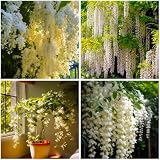
- Planting method: After soaking the seeds for 4 hours, sow the seeds into the soil. Keep the soil moist and cover it with vegetation ash to increase nutrients. Water with a watering can or garden hose to saturate the soil without flooding it
- Long flowering period: Gardenias have a fairly long flowering period, starting in July and lasting until the last few days of October. If the flower is well cared for, buds will appear on its buds and a large number of flowers will bloom
- 100+ Jasmine seeds for planting, suitable for home gardens to grow perennial garden plants bonsai
- USES: Flowers are long-lasting and fragrant. Garden decoration, flowers are a favorite at weddings and used in bridal bouquets, boutonnieres and centerpieces. Water with a watering can or garden hose to saturate the soil without flooding it
- Fragrance: Jasmine has a light fragrance, white romantic flowers, your garden will be the center of attention. Jasmine plants typically grow as sprawling vines that are trained to climb, or are pruned into neat, beautiful mounds of leaves
- Light: Is the plant receiving bright light, or is it shaded for most of the day?
- Moisture: Has the root ball repeatedly dried out, or is it constantly wet?
- Temperature: Has a cold snap damaged new growth or flower buds?
- Roots: Is the soil heavy, compacted, or slow to drain?
- Pruning: Was the plant cut back immediately before the season in which it would normally flower?
- Fertilizer: Has heavy nitrogen feeding encouraged foliage at the expense of flowers?
Brighter conditions generally improve flowering. A plant may still grow in partial shade but produce fewer flowers than one in a sunny, sheltered position.
Yellow leaves, wilting, and cold damage
Symptoms need to be read together with the growing conditions:
| What you see | What to investigate first |
|---|---|
| Yellowing and decline in persistently wet soil | Drainage, compacted soil, overwatering, and possible root rot; do not begin with fertilizer |
| Wilting in dry soil or a small container | Heat, drought, rapid container drying, or roots filling the pot |
| Red, bronze, or purplish foliage in cold weather | Seasonal cold response; monitor for recovery as conditions warm |
| Leaf spots or leaf drop after a freeze | Extent of cold injury and whether stems remain alive; severe damage may require spring pruning |
| Weak, thin growth with few flowers | Insufficient light, excessive shade, or inadequate support and training |
Cold snaps can cause leaves to redden, spot, or fall. Plants often recover if the damage is limited, so wait until the extent of injury is clear before cutting back healthy-looking framework.
Independent reader supportYour contribution helps us test, update, and keep practical guides available for everyone.Pests and diseases
Outdoor star jasmine is generally relatively trouble-free, but inspect it regularly. Scale insects and red spider mites may become problems in hot conditions or under glass. Mealybugs and whitefly are more likely on protected plants, and Missouri Botanical Garden also lists Japanese beetles as a pest to watch for.
Recommended Free Tools
Check leaf undersides, stems, and new growth. Improve airflow, avoid chronic overwatering, and correct heat or drought stress before reaching for a pesticide. If treatment is necessary, use only a product labeled for the pest, plant, and location in your jurisdiction, and follow its instructions. The available references do not support one chemical treatment as a universal answer.
Honey fungus and Phytophthora root rot are more serious concerns where conditions are unsuitable, especially heavy or persistently wet soil. Repeated decline in saturated ground is a reason to examine the planting site and seek local diagnostic advice rather than simply replacing the plant.
Safety and identification
Bruised or cut stems release milky latex. North Carolina Extension classifies star jasmine as poisonous, and an Austin municipal plant list also flags it as poisonous if ingested. Toxicity can vary by animal, dose, and plant part, so the prudent advice is simple: do not eat the plant, keep prunings and cuttings away from children and pets, and contact an appropriate medical, veterinary, or poison-control service if ingestion occurs.
Best Value

- Quality: We provide a detailed care instructions. We provide support and advise on best growth practices. Plants need sun. You can minimize the risk of injuring the plant by opening the package as soon as its delivered.
- Fragrant Blooms: Produces a delightful, sweet jasmine scent from late spring to early fall, enhancing your garden ambiance. Loved by bees and butterflies, promoting biodiversity in your garden.
- Versatile Growth: Climbs effortlessly or spreads as a ground cover, adapting to your landscaping needs. USDA zones 8–11. Grow indoors in other zones in winter. Grows fast depending on sun, reaching up to 20 feet in height with support.
- Low Maintenance: Drought-tolerant and easy to care for, thriving in full sun to partial shade with minimal attention.
- Evergreen Foliage: Retains lush, green leaves year-round, ensuring your space stays vibrant in all seasons.
Seasonal care calendar
- Spring: Plant new vines, inspect or install supports, apply modest fertilizer only where soil fertility is poor, and carry out maintenance or renovation pruning when required.
- Late spring and summer: Maintain moisture during establishment and hot weather, tie young or wayward stems to their support, and monitor flowering.
- After flowering: Shape the vine if necessary and remove damaged or congested shoots.
- Autumn and winter: Protect young or container plants from frost, cold winds, and severe freezes. Bronze, red, or purplish foliage may appear in colder weather.
Quick decision guide
- Warm, sheltered garden with good drainage: Plant in the ground, provide a permanent trellis or wire support, and water consistently during establishment.
- Cold or frost-prone garden: Use a large container and plan where it will overwinter before buying the plant.
- Heavy clay or wet ground: Improve drainage, use a raised planting area, or choose a container rather than planting directly into the problem soil.
- Low-light site: Expect reduced flowering; choose a brighter location if flowers and fragrance are the priority.
- Smooth wall to cover: Add an independent trellis or wire system; do not rely on the vine to attach unaided.
With warmth, light, drainage, and a properly designed support, star jasmine is a long-lived way to add evergreen screening and intensely scented flowers to a garden, patio, arbor, or pergola. Its main failures are usually cultural: too much shade, too much water, severe cold, or an absent or inadequate support.
The Tool Desk
Outbyte Driver Updater FREEFix the driver behind crashes, sound loss and screen glitchesFind Drivers →Outbyte PC Repair FREEClear out junk files and repair common Windows errorsFree Scan →Frequently Asked Questions
What hardiness zone is best for star jasmine?
Star jasmine is commonly recommended for USDA Zones 8–10, but zone ratings are only general guidance. Cold wind, drainage, plant age, freeze duration, and a warm wall or courtyard can change the result. In areas that regularly fall below about 23°F (-5°C), especially with young plants, provide protection or grow it in a movable container.
Can star jasmine grow in a pot?
Yes. Use a large container with drainage holes and a free-draining potting mix, provide a trellis, and monitor moisture closely. Move the plant into a bright protected location before severe freezes. Container roots dry and freeze more quickly than roots in the ground.
Does star jasmine attach to walls on its own?
Star jasmine is a twining climber, not a self-adhering vine. It needs a trellis, wire system, fence, arch, pergola, tripod, or similar support. It will not safely attach to a smooth wall by itself.
When should star jasmine be pruned?
Prune for routine shaping after the main flowering period, removing dead, damaged, weak, or congested growth. Spring is suitable for maintenance or renovation pruning when the plant is overgrown or winter-damaged. Flowering times vary by climate, so avoid relying on one universal pruning date.
Why is my star jasmine not flowering?
Insufficient light, excessive shade, drought stress, cold exposure, waterlogged roots, and heavy nitrogen feeding can all reduce flowering. Check light, drainage, moisture, temperature, and recent pruning before adding fertilizer.
The Bottom Line
Bottom line: Grow star jasmine in sun or light shade, protect it from severe cold and drying wind, give it free-draining soil and a strong trellis or wire support, and water according to soil conditions rather than a fixed schedule. Prune after flowering for routine shaping, and use container growing where winter survival in the ground is unreliable.
Quick Recap
Product prices and availability are accurate as of the date/time indicated and are subject to change. Any price and availability information displayed on Amazon at the time of purchase will apply.

