Do these 3 things before closing this tab:
1Fix the driver behind crashes, sound loss and screen glitches2Repair Windows errors before they cause bigger problems3Scan for outdated or missing drivers - takes under a minuteJoe Pye weed thrives when planted in moist soil with enough sun and space for its naturally tall habit. Choose full sun or part shade, keep the root zone from drying out, avoid heavy nitrogen fertilizer, and cut old stems down in late winter or early spring. Because the common name covers several Eutrochium species, check the botanical name before you plant.
Joe Pye weed is easiest to grow when you give it three things: consistently moist soil, adequate sunlight, and enough room for a tall, wide clump. In most gardens, plant it in full sun or light part shade, water it regularly while it establishes, avoid heavy nitrogen fertilizer, and cut the old stems down in late winter or early spring. If the plant becomes too tall, prune the stems before early July or choose a compact cultivar such as ‘Gateway’ or ‘Little Joe’.
As an Amazon Associate I earn from qualifying purchases.
Identify the Joe Pye weed you are buying
“Joe Pye weed” is not one uniformly sized plant. The common name is used for several related North American perennials in the genus Eutrochium:
- Sweet Joe Pye weed (Eutrochium purpureum): an erect, clump-forming perennial commonly about 5–7 feet tall and 2–4 feet wide. It has whorled, serrated leaves and fragrant pinkish-purple flower clusters that usually appear from summer into early fall.
- Spotted Joe Pye weed (Eutrochium maculatum): generally about 4–7 feet tall and often associated with wetter soils.
- Hollow-stem Joe Pye weed (Eutrochium fistulosum) and coastal plain Joe Pye weed (Eutrochium dubium): additional species sold under the same common name, with their own differences in mature size and moisture tolerance.
Check the botanical name on the plant label before buying. It is the best way to confirm the plant’s expected size, site preference, and whether a particular cultivar will fit your garden. Joe Pye weed is also sometimes confused with boneset; they are related native plants, but they are not the same plant.
#1 Best Overall

- Native Perennial Color: joe pye weed seeds for planting grow a 5 ft pink wildflowers for USDA zones 2-7; ideal native wildflower seeds for moist garden beds and wetlands.
- Pollinator Magnet: 1500 heirloom seeds of joe pye weed draw butterflies and honeybees with aromatic late-summer to early-fall blooms; great pollinator flowers seeds for planting outdoors and butterfly garden seeds for borders.
- Easy Surface Sowing: sweet joe pye weed flower seeds to plant outside need light - press seed on surface for fall direct sow; for spring cold and wet stratify 4 weeks or refrigerate 60 days; germination 2-3 months.
- Low-Maintenance Growth: Start from seed to a joe pye weed live plant - keep even moisture the 1st year, then drought tolerant when mature; space 24-36 in in sun or part sun; perennial wildflower seeds.
- Cut-Flower Harvest: joe pye weed seeds make long stems for bouquets - cut just-open blooms and place in water; late season heads turn dull brown for seed saving, seed packets.
Where to plant Joe Pye weed
Sunlight
Choose full sun to part shade. Full sun generally produces stronger stems and more abundant flowering. In hot climates, light shade or afternoon shade can reduce heat stress, but deep shade often results in weak, leggy stems and fewer flowers.
Moisture and soil
Sweet Joe Pye weed performs best in fertile, humusy soil that stays consistently moist but is not permanently stagnant. It tolerates clay and can handle occasionally wet conditions, but it does not perform well when the root zone repeatedly dries out.
A good location may be:
- the back of a perennial border;
- a native-plant or pollinator garden;
- a meadow edge or moist woodland margin;
- the edge of a pond or stream; or
- a rain-garden basin or bioswale area that remains moist after rain without leaving the crown continuously submerged.
Do not place it in a dry, hot bed simply because it can tolerate some woodland-edge conditions. Moisture is the most consistent requirement across the growing advice for Joe Pye weed.
Quick wins for a faster PC:
Clear out junk files and repair common Windows errorsFree Scan →Scan for outdated or missing drivers - takes under a minuteDriver Scan →Repair Windows errors before they cause bigger problemsFix Now →How much space does Joe Pye weed need?
Allow approximately 3–6 feet of site width for a large E. purpureum clump and give taller plants room to grow without blocking paths, windows, or smaller perennials. The plant’s typical mature width is about 2–4 feet, but a generous allowance prevents crowding in a mixed planting.
E. maculatum and E. fistulosum may need even more space. If you have a small border, look for a named compact selection rather than assuming every plant sold as Joe Pye weed will remain short.
How to plant Joe Pye weed
- Choose the site carefully. Confirm that it receives full sun or part shade and that the soil will not dry out during summer.
- Prepare poor soil moderately. Mix compost into very poor soil to improve organic matter, but avoid creating a small, sharply different pocket that holds water unlike the surrounding bed.
- Dig a hole no deeper than the root ball. Set a container-grown plant or division at the same depth at which it was previously growing. Do not bury the crown.
- Backfill and firm gently. Remove large air pockets without compacting the soil heavily around the roots.
- Water deeply. Soak the planting area immediately after planting so the entire root ball and surrounding soil are moist.
- Mulch lightly. Organic mulch helps reduce evaporation and moderate soil temperature. Keep it away from direct contact with the stems and crown.
For the fastest and most predictable start, a correctly labeled Joe Pye weed live plant or nursery-grown division is usually more dependable than seed. Before purchasing, verify the botanical name, expected mature height and width, moisture requirements, and suitability for your region.
Watering Joe Pye weed
Keep new plants evenly moist throughout their first growing season. Check the soil several inches below the surface during hot or dry weather rather than judging moisture from the surface alone. Water slowly and deeply when the soil is drying; frequent shallow sprinkling encourages a shallow root system.
Rank #2

- SPOTTED JOE PYE WEED WILDFLOWER SEEDS: Open-pollinated Spotted Joe Pye Weed (Eutrochium maculatum) seeds for growing a beautiful North American native plant adapted to USDA zones 3-8
- POLLINATOR MAGNET: Beautiful Joe Pye Weed supports native bees, butterflies, and beneficial insects; moisture-loving perennial creates essential habitat and provides spectacular late-season blooms
- STUNNING 4-8-FOOT DUSTY ROSE-PURPLE BLOOMS from July through September; thrives in full sun to partial shade with natural deer resistance; perfect for rain gardens, pond edges, wet meadows, and butterfly gardens; self-seeds for expanding wildflower displays
- DETAILED GROWING INFORMATION: Paper seed packets include clear planting instructions, germination tips, and seed-saving info, great for beginner or experienced gardeners growing vegetables, herbs, flowers, or native plants
- FAMILY OWNED USA SMALL BUSINESS – Heirloom non-GMO seeds from Survival Garden Seeds, a trusted American brand; always open-pollinated, untreated, and quality tested for garden success
Established plants tolerate ordinary seasonal variation better than new transplants, especially in a naturally moist site, but Joe Pye weed is not drought-tolerant. Extended dryness may cause brown, scorched leaf edges, premature wilting, and weak flowering.
A soaker hose or drip irrigation system can be useful during establishment or in a bed that dries between rainstorms. It is not necessary in a naturally moist site, and irrigation should not turn the crown into a permanently submerged area. Water the soil rather than repeatedly wetting the foliage.
Does Joe Pye weed need fertilizer?
Usually, no heavy feeding is needed. Joe Pye weed grows vigorously in reasonably fertile soil, and routine high-nitrogen fertilizer can produce lush, weak stems that flop later in the season. Improve poor soil with compost and correct moisture or light problems before reaching for fertilizer.
If a soil test identifies a genuine nutrient deficiency, follow the test recommendation rather than applying a general high-nitrogen product. In most gardens, steady moisture, adequate light, and sufficient organic matter matter more than regular feeding.
What’s actually slowing this PC down?
Pick the symptom - the matching free tool is one click away.
How to prevent Joe Pye weed from flopping
Flopping usually points to one or more of these conditions:
- too much shade;
- excess nitrogen or overly rich, soft growth;
- dry soil and heat stress; or
- a naturally tall species planted where a shorter plant was needed.
Plant tall forms where they receive enough light and have room to develop. Thin or move nearby plants if they are shading the stems. Avoid heavy fertilizer.
For an established plant that is simply too tall, cut the stems back in early June or before early July. This can encourage shorter, sturdier branching and may allow some reblooming. The trade-off is that early pruning can delay or reduce the first flush of flowers, so use it selectively rather than cutting every plant automatically.
Rank #3
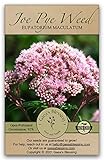
- Eupatorium maculatum - Non-GMO - open-pollinated - heirloom - untreated
- Joe-Pye Weed is an easy to grow, first year flowering perennials that produces spectacular blooms in summer and early fall. The flowers attract swarms of butterflies and are long-lasting when cut.
- This plant produces enormous 18 in. heads of fragrant wine-red flowers in summer and early fall. Because its blooms are loaded with nectar, Joe Pye Weed is one of the very best perennials for attracting butterflies.
- Fresh-cut or dried, flowers are excellent in arrangements. This North East U.S. native grows to 5-7 ft. tall, and 3-4 ft. wide.
- The leaves are arranged in whorls along purplish stems. They release a vanilla fragrance when crushed. Joe Pye Weed is a magnificent plant, likely to be the highlight of your garden for years to come. Winter hardy to zone 3.
If the site is too small for the species, changing cultivars is often a better long-term solution than repeated pruning.
Crashes, No Sound, or Screen Glitches?
Random freezes, missing sound and display glitches usually trace back to one bad driver. Find and replace yours safely.Free scan · under a minutePC Slower Than It Used to Be?
A free scan shows the junk files, broken settings and background clutter dragging Windows down - then fixes them in one click.Free scan · Windows 10 & 11Compact Joe Pye weed cultivars
| Cultivar | Approximate reported height | Best use |
|---|---|---|
| ‘Gateway’ | About 4–6 feet | A shorter, bushier form with robust flower clusters and reddish stems |
| ‘Little Joe’ | About 3–4 feet in the cited garden setting | Smaller borders and gardens where a full-sized species is too large |
| ‘Euphoria Ruby’ | About 2–2.75 feet in the cited garden setting | A compact planting where height is especially limited |
These figures are useful planning estimates, not guarantees. Mature size varies with species, climate, soil, moisture, and the nursery’s selected stock. Even compact cultivars need moist to wet soil; ‘Gateway’ is not a drought-tolerant substitute.
Pruning and winter care
There are two good approaches:
- Wildlife-friendly approach: Leave the dried stems and seed heads standing through winter. They provide structure and can offer food for birds.
- Tidy-garden approach: Cut the old stems to the ground in late winter or early spring, before vigorous new growth begins.
If you leave the stems for winter interest, remove them before new spring growth resumes. Use clean, sharp bypass pruning shears and cut the old stalks close to ground level without damaging emerging shoots.
How to propagate Joe Pye weed
Seed
Seed is possible but can be unreliable. E. purpureum seed generally benefits from approximately three months of cold, moist stratification, and reported germination may be very low.
The simplest method is to sow fresh seed outdoors in fall or winter in a protected nursery bed or container:
The Tool Desk
Outbyte Driver Updater FREEFix the driver behind crashes, sound loss and screen glitchesFind Drivers →Outbyte PC Repair FREEClear out junk files and repair common Windows errorsFree Scan →- Fill a clean container or nursery bed with a well-drained medium.
- Sow the small seed on the surface or barely cover it; do not bury it deeply.
- Keep the medium consistently moist.
- Leave it outdoors through winter so natural cold and moisture provide stratification.
- Protect seedlings from drying out and transplant them once they are large enough to handle.
Seedlings may need a full growing season before they are ready for a permanent location. Seed collected from a named cultivar may not reproduce the parent’s height, flower color, or habit exactly. When a specific cultivar is important, buy a nursery-propagated plant, divide the parent plant, or use a cutting.
If you choose to shop for Joe Pye weed seeds, look for a listing that gives the botanical species, collection or packaging information, and credible growing instructions. Marketplace packets are not automatically correctly identified, so confirm the label before purchasing.
Division
Division is generally the most practical home-garden method for an established clump. Divide in fall as the plant enters dormancy, or in spring before vigorous growth begins.
Rank #4

- Premium Native Joe Pye Weed Seeds with 1200+ Seeds: Transform your garden into a late-season pollinator haven with these high-quality Joe Pye Weed Seeds. This Eupatorium maculatum (Spotted Joe Pye Weed) variety produces large, domed clusters of dusty mauve-pink flowers atop striking wine-speckled stems. Each packet contains over 1200 Non-GMO, open-pollinated seeds for creating a dramatic, wildlife-friendly display.
- Critical Late-Season Nectar Source for Monarchs, Butterflies & Bees: These nectar-rich flowers bloom from July through September, providing essential fuel for migrating monarch butterflies, native bees, and other pollinators when most spring blooms have faded. Joe Pye Weed is widely regarded as one of the top ten butterfly-attracting native plants in the eastern United States. Planting these seeds supports local ecosystems while filling your garden with life and movement.
- Four-Season Garden Interest & Wildlife Value: Enjoy dusty pink to mauve-purple blooms from midsummer through early fall. Once the fragrant flowers fade, the seed heads persist through winter, providing texture and interest while attracting goldfinches and other songbirds that feast on the seeds. Leave dried stalks standing to offer beneficial insects a place to overwinter.
- Excellent Cut Flower for Late-Summer Bouquets: The tall, sturdy stems and long-lasting blooms make Joe Pye Weed a standout choice for fresh-cut arrangements. Harvest the mauve-pink flower clusters to bring a touch of late-summer meadow beauty indoors. The blooms also dry beautifully for everlasting floral crafts.
- Majestic Structural Plant with 12-Inch Flower Clusters: Growing 4 to 7 feet tall with sturdy, purple-spotted stems that rarely need staking, this native perennial adds bold vertical structure to any garden. The large, rounded flower heads measure up to 12 inches across, creating a stunning focal point in the back of borders, naturalized meadows, or pollinator gardens.
- Water the clump first if the soil is dry.
- Lift the entire clump, or expose one section at the edge if you do not want to disturb the whole plant.
- Separate sections containing healthy roots and at least one or more viable shoots.
- Replant each division promptly at its original depth.
- Water thoroughly and keep the divisions evenly moist while they re-establish.
Stem cuttings
Take stem cuttings in late spring, when new growth is active. This method is useful when division material is limited or when you want an exact genetic copy of a desirable plant. Use healthy, non-flowering shoots, keep the rooting medium evenly moist, and protect the cuttings from harsh sun while roots develop.
Free tools Windows power users keep installed
One-click scans. No signup required.
Flowers, pollinators, and wildlife
Joe Pye weed’s pinkish-purple flower clusters attract butterflies, bees, skippers, moths, and other flower-visiting insects. Its seed heads can provide food for birds, especially when left standing into winter. The plant also has value beyond adult nectar feeders: larvae of numerous moth species use Joe Pye weed as a host plant.
It is best viewed as one component of a diverse habitat rather than a guarantee of attracting a particular butterfly. Results depend on regional insect species, bloom timing, pesticide exposure, and the surrounding plant community. A strong pollinator planting combines nectar-rich flowers, larval host plants, seed-producing perennials, and winter shelter.
Independent reader supportYour contribution helps us test, update, and keep practical guides available for everyone.Common pests and diseases
Joe Pye weed is generally low-maintenance and usually has few serious pest or disease problems. Powdery mildew and rust can occur, particularly when plants are crowded, stressed, or grown in conditions with poor air circulation. Drought can also scorch the leaves.
Reduce problems by:
- spacing plants according to their mature size;
- improving air movement around the foliage;
- watering the soil instead of repeatedly wetting the leaves;
- maintaining even moisture during hot weather; and
- removing badly diseased plant debris after the season.
Do not treat every discolored leaf as a disease. Check soil moisture first, particularly if browning appears during a hot, dry period.
Joe Pye weed troubleshooting
| Symptom | Likely cause | What to do |
|---|---|---|
| Brown or scorched leaves | The soil became too dry | Water deeply, add a light layer of organic mulch, and use a more consistently moist site for future plants. |
| Stems flop | Too much shade, excessive nitrogen, drought, or a naturally tall form | Improve light where practical, avoid excess fertilizer, maintain moisture, prune tall stems before early July, or choose a compact cultivar. |
| Weak flowering | Insufficient light, transplant stress, or drought | Provide more sun where possible, maintain even moisture, and allow a new transplant time to establish. |
| Powdery mildew or rust | Poor air circulation and environmental stress | Thin crowded growth, avoid overhead watering, and remove affected debris after the season. |
| The plant outgrows the bed | The species or cultivar is naturally tall | Confirm the botanical name and replace or divide it in favor of a shorter selection such as ‘Gateway’ or ‘Little Joe’. |
Seasonal care calendar
| Season | Task |
|---|---|
| Fall | Plant container plants or divisions, sow seed outdoors for natural cold-moist stratification, and apply mulch after the ground cools. |
| Late winter to early spring | Cut old stems to the ground if they were left for winter interest. Divide established clumps before vigorous new growth. |
| Late spring | Take stem cuttings and begin checking soil moisture as temperatures rise. |
| Early summer | If necessary, cut tall stems back before early July to encourage a shorter, sturdier plant. |
| Summer into early fall | Expect the main flowering period, depending on the species, cultivar, latitude, and weather. Water during prolonged dry spells. |
Safety and naming note
Traditional stories are sometimes used to explain the common name “Joe Pye weed,” but folklore is not evidence of modern medicinal effectiveness or safety. Grow and identify the plant as an ornamental and wildlife perennial unless you have qualified, current medical guidance for another purpose.
Best Value

- Perennials: Wild Bee Balm, also known as bergamot, is a native North American perennial herb in the mint family, commonly found in prairies, meadows, and open woodlands.
- Lavender Pink Flowers: It produces vibrant, tubular flowers in shades of lavender to pink, blooming from mid-summer to early fall, attracting bees, butterflies, and hummingbirds as pollinators.
- Growth: The plant typically grows 2-4 feet tall with aromatic, lance-shaped leaves that can be used to make a minty, citrus-scented tea reminiscent of Earl Grey.
- Environment: It thrives in full sun to partial shade, prefers well-drained soil, and is drought-tolerant, making it a hardy addition to gardens or naturalized landscapes.
- Quality: All Bee Balm seeds packaged by Seed Needs are intended for the current and the following growing seasons. All seeds are stored in a temperature controlled facility that is free of significant amounts of moisture.
Quick checklist for successful growth
- Confirm the Eutrochium species or cultivar before planting.
- Choose full sun or part shade, with full sun usually producing stronger stems.
- Use soil that stays moist but is not permanently stagnant.
- Allow roughly 3–6 feet of space for a large E. purpureum planting.
- Water deeply and consistently during the first growing season.
- Avoid routine high-nitrogen fertilizer.
- Prune tall stems before early July only when a shorter plant is needed.
- Cut old stems down in late winter or early spring, or leave them through winter for birds and structure.
- Choose division or a nursery plant for reliable results; use fall-sown seed when patience and genetic variation are acceptable.
Frequently Asked Questions
What are the best growing conditions for Joe Pye weed?
Joe Pye weed grows best in full sun or part shade and consistently moist, humusy soil. Full sun generally produces the strongest stems and best flowering, while light afternoon shade can help in hot climates.
Does Joe Pye weed need a lot of water?
Yes, but it is not drought-tolerant. Water new plants regularly and deeply during their first growing season, then irrigate established plants during prolonged dry weather. Dry soil can scorch the leaves.
Should Joe Pye weed be cut back in the fall?
Cut old stems to the ground in late winter or early spring before new growth becomes vigorous. You can also leave the dried stems and seed heads standing through winter for structure and bird food.
What is the easiest way to propagate Joe Pye weed?
The plant can be propagated by division, stem cuttings, or seed. Division is usually the easiest method for home gardeners. Seed should generally be sown outdoors in fall because it needs about three months of cold, moist stratification and may germinate poorly.
What is the shortest Joe Pye weed cultivar?
Yes. ‘Gateway’ is commonly reported at about 4–6 feet tall, ‘Little Joe’ at about 3–4 feet, and ‘Euphoria Ruby’ at about 2–2.75 feet in the cited garden setting. Confirm the mature size with the nursery because size varies by site and region.
The Bottom Line
The key to growing Joe Pye weed is matching the right Eutrochium species or cultivar to a spacious, consistently moist site. Give it full sun or light shade, water it during dry spells, avoid excess fertilizer, and prune only as needed to control height. For reliable establishment, start with a correctly labeled nursery plant or division; fall-sown seed is possible but often slow and erratic.
Quick Recap
Product prices and availability are accurate as of the date/time indicated and are subject to change. Any price and availability information displayed on Amazon at the time of purchase will apply.
Recommended Free Tools

