Free tools Windows power users keep installed
One-click scans. No signup required.
Hardy geraniums are long-lived, generally low-maintenance perennials that succeed when you match the species or cultivar to the site. Give them soil that does not stay waterlogged, water new plants during their first growing season, and cut many summer-flowering types back after their main bloom. Established plants usually need little fertilizer.
First, an important distinction: hardy geraniums belong to the botanical genus Geranium and are also called cranesbills. They are not the tender summer bedding plants commonly sold as “geraniums,” which are usually Pelargonium. Their frost tolerance, planting requirements and overwintering care are different.
As an Amazon Associate I earn from qualifying purchases.
Choose a hardy geranium for the site
“Hardy geranium” describes a broad group rather than one uniform plant. Species and cultivars differ substantially in mature size, flower time, soil tolerance, moisture needs, drainage requirements and tolerance of heat. Choosing the right plant is more important than trying to make every plant fit the same care routine.
Do these 3 things before closing this tab:
1Clear out junk files and repair common Windows errors2Scan for outdated or missing drivers - takes under a minute3Repair Windows errors before they cause bigger problems| Garden situation | Examples to consider | Important qualification |
|---|---|---|
| Sunny borders | Geranium pratense, G. clarkei, G. psilostemon, G. himalayense and G. renardii | Check the individual label for mature size and local climate suitability. |
| Part shade or shade | G. phaeum, G. macrorrhizum, G. sylvaticum and G. endressii | G. macrorrhizum is particularly useful as groundcover beneath trees. |
| Sunny rock gardens, alpine containers or sharply drained soil | G. argenteum, G. cinereum and G. dalmaticum | These smaller selections are less forgiving of wet soil. |
| Partly shaded woodland-style planting | Wild geranium and other woodland-adapted species | Use plants suited to the moisture and light pattern beneath the trees. |
Do not assume that every cranesbill tolerates full sun, deep shade or drought. Nor are all types suitable for hot, humid climates. For example, G. pratense is commonly listed for USDA Zones 4–8 but generally dislikes hot, humid summers and may be a poorer choice south of Zone 7. Treat that as a reminder to check the exact plant label and ask a local nursery rather than as a rule for the entire genus.
#1 Best Overall
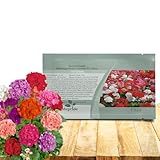
- VIBRANT GERANIUM VARIETY: These annual flower seeds produce stunning mix blooms that provide a charming touch and delightful visual feast from summer through fall. These flower seeds for planting outdoors are ideal for enhancing your garden's color and beauty.
- EASY-TO-GROW ANNUALS: These geranium plants live as 12-14 inch annuals in USDA Zones 3-8. They adapt well to various climates, making them an excellent option for gardeners seeking flower seeds to plant outside. Enjoy vibrant blooms with these easy-to-care-for geraniums!
- LONG-BLOOMING, LOW MAINTENANCE: Our geraniums produce continuous blooms throughout the season with minimal upkeep. Thriving in full sun and well-drained soil, they require regular watering. They can be wintered indoors with a little extra care.
- GREAT FOR CONTAINERS: Our geraniums are exceptionally suited for pots, borders, and window boxes, effortlessly adding elegance to any space. They create stunning summer displays, making them perfect for enhancing both indoor and outdoor arrangements. These versatile flower seeds for pots thrive in various settings, allowing you to enjoy vibrant blooms that elevate your garden aesthetics.
- SIMPLE PLANTING WITH QUICK GERMINATION: These plant seeds should be started indoors 8-10 weeks before the last frost with a sowing rate of 2 - 3 seeds per plant. With ideal temperatures of 75°F, expect germination within just 7 days, making them a great choice among indoor seeds and ensuring a vibrant display of flowers to plant outside in your garden.
When and where to plant
Timing
Container-grown hardy geraniums can usually be planted whenever the ground is workable and not waterlogged. Spring planting is often the easiest route to quick establishment because the plant has the growing season ahead of it. On heavy soil, early spring is preferable to autumn: a newly planted crown can be vulnerable to prolonged winter wet before it has developed a strong root system.
Plant bare-root stock promptly when it arrives. If the site is not ready, pot the plant up temporarily and keep it growing until conditions improve rather than leaving the roots exposed.
Soil and drainage
Many hardy geraniums tolerate a wide range of ordinary garden soils, but waterlogged soil is one of the most common causes of failure. Avoid depressions where rain collects or where compacted soil remains saturated after surrounding ground has dried. Improve drainage before planting rather than trying to correct persistent wetness later.
Large border types are generally more adaptable than small alpine or silver-leaved selections. Plants such as G. argenteum, G. cinereum and G. dalmaticum need notably sharper drainage, particularly through winter. In a wet garden, a raised bed, slope or container with free drainage may be more suitable.
Spacing
Do not use one universal spacing measurement for all hardy geraniums. Check the plant label for the expected mature spread and allow neighboring plants to reach that width without chronic crowding. A plant that is intended to spread as groundcover will need a different amount of room from a compact rock-garden cultivar.
Set the crown at approximately the same level as it was in its container. Backfill around the roots, firm the soil gently and water thoroughly to settle air pockets.
Watering, feeding and mulching
Water new plants deeply
Water newly planted geraniums as the weather warms through their first spring and summer. The aim is to keep the root zone from repeatedly drying while roots extend into the surrounding soil.
Recommended Free Tools
Rank #2

- Premium Mixed Colors: Features 20 premium non-GMO heirloom untreated Geranium seeds in vibrant assorted hues, delivering high-quality plants for stunning garden displays.
- Effortless Cultivation: Geraniums thrive with minimal care in diverse settings like pots, baskets, and borders, ensuring easy growth for all gardeners.
- Pollinator Magnet: The colorful blooms naturally attract bees, butterflies, and hummingbirds, enhancing garden biodiversity without chemical aids.
- Adaptable Planting: Versatile for sandy or well-drained soils, preferring dryness and sunlight, ideal for containers or garden beds in varied light conditions.
- Simple Sowing Process: Seeds sow easily in rows or trays with minimal spacing, promising quick germination for a hassle-free start to vibrant flowers.
Once a drought develops, water thoroughly and allow the soil surface to dry somewhat before watering again, according to the plant and site. Frequent, shallow sprinkles encourage roots to remain near the surface. A slower, deeper soak is more useful, especially for plants growing beneath trees or in fast-draining soil.
Established plants are often reasonably resilient, but “hardy” does not mean permanently drought-proof. Small plants, recent divisions, container-grown specimens and plants competing with tree roots may still need help during prolonged dry weather.
Fertilizer is usually optional
Most hardy geraniums growing in ordinary, reasonably fertile garden soil do not need a routine feeding schedule. Avoid applying fertilizer every month simply because the plant is perennial. Excessive feeding can encourage soft, leafy growth and is not a substitute for suitable light, moisture and drainage.
Feed only when a genuine nutrient deficiency or poor soil fertility has been identified. A soil test is more useful than guessing. Container plants have different limitations because repeated watering can gradually remove nutrients; follow the instructions for the particular potting mix and fertilizer rather than applying a border-plant schedule.
Mulch and weeds
Keep the planting area free of weeds while the geranium establishes. A layer of roughly 5 cm of well-rotted organic mulch can reduce competition and slow water loss. Leave a small gap around the crown instead of piling mulch directly against it; constantly damp material pressed against the crown can encourage rot.
Pruning: the post-flowering cutback
Many summer-flowering border geraniums look tired after their first major display. When the flowering stems have finished, cut the plant back to ground level. In the United Kingdom this is often done around June or July, but the correct timing elsewhere is after the main flowering flush, not a fixed calendar month.
This technique is sometimes called the “Hampton hack.” It removes exhausted stems and foliage and often produces fresh leaves, with a further flush of flowers possible. In dry weather, water the clump after cutting it back to support the new growth.
Rank #3

- Versatile Garden Uses: Geranium blooms are ideal for enhancing garden beds, borders, as well as patio containers and hanging baskets, adding effective layering and color accents.
- Recommended Growing Zones: In the United States, suitable for planting as perennials in USDA Hardiness Zones 9-11. In other zones, they are typically grown as annuals or overwintered indoors.
- Seed Sowing Method: Sow seeds directly onto the surface of well-draining soil after the last frost threat has passed. Lightly press them in and keep the soil consistently moist until germination occurs.
- Preferred Sunlight: For optimal flowering, plant geraniums in a location that receives full sun, with at least 6 to 8 hours of direct sunlight daily.
- Container Planting Method: Also well-suited for pots. Use containers with drainage holes and ensure standard potting mix is used to support root health and prevent waterlogging.
- Wait until the main flush of flowers has faded.
- Use clean, sharp secateurs or shears.
- Cut the spent flowering stems and old foliage down to ground level.
- Remove the cut material from the crown.
- Water deeply if the soil is dry.
Do not apply this method indiscriminately. Some spring-flowering species become summer dormant or follow a different seasonal growth cycle. For those plants, remove old or unattractive foliage when the plant’s new growth pattern indicates it is appropriate. A label or specialist nursery description is more reliable than assuming every cranesbill responds identically.
How to propagate hardy geraniums
Division
Division is usually the most dependable way to make more plants that retain the characteristics of a particular clump-forming or creeping selection. Divide in spring, when new growth is beginning and the divisions have time to establish.
- Water the parent plant if the soil is dry, then lift it carefully with a spade or garden fork.
- Shake or wash away enough soil to see the crown and healthy roots.
- Separate sections that have viable growing points and a good portion of root.
- Use a clean knife if the crown or rootstock is too compact to pull apart safely. G. pratense, for example, can have a compact rootstock that requires cutting.
- Replant the divisions at their original depth and water them thoroughly.
Keep new divisions watered while they establish, particularly during dry spring or summer weather. Discard soft, damaged or diseased sections rather than propagating them.
Growing from seed
Species hardy geraniums can be raised from seed. G. endressii, G. pratense and G. nodosum are examples of species that may be propagated this way. Seed is a good choice when you want to grow a population of plants, explore natural variation or raise a species without needing an exact clone.
Seed is best for species or color-mix gardening; named cultivars usually need to be bought as plants because seedlings may not match the parent. A named cultivar propagated from seed may vary in flower color, form, height and other characteristics. If you want a specific selection, buy that cultivar as a live container-grown or bare-root plant. Hardy geraniums are commonly sold in containers from about 9 cm upward and may also be available bare-root during the dormant season.
Windows Errors? Fix Them Before They Spread
Repair common Windows errors and clear accumulated junk for a smoother, more stable PC - no reinstall needed.Free scan · no reinstallCrashes, No Sound, or Screen Glitches?
Random freezes, missing sound and display glitches usually trace back to one bad driver. Find and replace yours safely.Free scan · under a minuteFor gardeners specifically looking for species or mixed-color options, hardy geranium seeds can be a reasonable starting point. Check the packet carefully for the botanical name, expected hardiness, sowing instructions and whether it is a species or a named cultivar.
Independent reader supportYour contribution helps us test, update, and keep practical guides available for everyone.Common problems and how to diagnose them
Hardy geraniums are generally robust, but poor conditions can still lead to problems. Diagnose the symptom before choosing a treatment; yellowing, dieback and distorted leaves can have several causes.
Powdery mildew
Powdery mildew appears as white, powdery patches or blotches on leaves, stems or flowers. Severe infections may cause leaves to yellow, curl or become distorted. Dry conditions can favor this disease, particularly where plants are stressed.
Rank #4
- VIBRANT GERANIUM VARIETY: These annual flower seeds produce stunning mix blooms that provide a charming touch and delightful visual feast from summer through fall. These flower seeds for planting outdoors are ideal for enhancing your garden's color and beauty.
- EASY-TO-GROW ANNUALS: These geranium plants live as 12-14 inch annuals in USDA Zones 3-8. They adapt well to various climates, making them an excellent option for gardeners seeking flower seeds to plant outside. Enjoy vibrant blooms with these easy-to-care-for geraniums!
- LONG-BLOOMING, LOW MAINTENANCE: Our geraniums produce continuous blooms throughout the season with minimal upkeep. Thriving in full sun and well-drained soil, they require regular watering. They can be wintered indoors with a little extra care.
- GREAT FOR CONTAINERS: Our geraniums are exceptionally suited for pots, borders, and window boxes, effortlessly adding elegance to any space. They create stunning summer displays, making them perfect for enhancing both indoor and outdoor arrangements. These versatile flower seeds for pots thrive in various settings, allowing you to enjoy vibrant blooms that elevate your garden aesthetics.
- SIMPLE PLANTING WITH QUICK GERMINATION: These plant seeds should be started indoors 8-10 weeks before the last frost with a sowing rate of 2 - 3 seeds per plant. With ideal temperatures of 75°F, expect germination within just 7 days, making them a great choice among indoor seeds and ensuring a vibrant display of flowers to plant outside in your garden.
Remove seriously affected material, keep the planting area clean and improve air movement where practical. Water the soil rather than repeatedly wetting the foliage, and check that plants are not overcrowded. Confirm the diagnosis before treating. If a product is necessary, use only one legally registered for the disease and crop in your location, and follow its current label.
Quick wins for a faster PC:
Scan for outdated or missing drivers - takes under a minuteDriver Scan →Clear out junk files and repair common Windows errorsFree Scan →Rust
Rust may begin as yellow spots on the upper leaf surface. Turn the leaf over and look for brown or orange centers and raised orange spore blisters beneath. Remove badly affected leaves and fallen debris, improve air circulation and avoid handling or watering in a way that spreads spores.
Do not assume that every orange or brown mark is rust. Compare the symptoms with a reliable local plant-disease resource or ask a nursery or extension service before applying any treatment.
Vine weevil in containers
Vine weevil can be a particular problem for container-grown plants. Symptoms may include declining growth despite adequate surface care, while larvae damage roots below the potting mix. Inspect the root system if a container plant deteriorates without an obvious above-ground cause. Remove badly affected material and seek locally appropriate control advice; products and biological controls vary by country and registration.
A simple annual care plan
- Spring: Plant container or bare-root specimens, divide established clumps, weed around new growth and water new plants as needed.
- Late spring and summer: Water deeply during drought, monitor for mildew and rust, and support plants competing with tree roots or growing in containers.
- After the main flowering flush: Cut back suitable summer-flowering border types to ground level. Water afterward if conditions are dry.
- Autumn: Remove unhealthy debris and let species with attractive seedheads or useful seasonal structure stand if desired. Avoid planting into soil that is already cold and persistently waterlogged.
- Winter: Protect the planting from excess wet rather than treating hardy geraniums like tender Pelargonium bedding plants. Container drainage is especially important.
Quick decision guide
- The site stays wet in winter. What should I do?
- Choose a better-drained position, raise the bed or improve the soil structure before planting. Avoid putting small alpine or silver-leaved selections in a saturated low spot.
- The plant is leafy but not flowering well.
- Check whether the species is suited to the available light, whether it has been crowded, and whether it has finished its seasonal flowering period. Do not automatically add fertilizer.
- The foliage looks exhausted after flowering.
- For many summer-flowering border types, cut the plant to ground level after the main flush and water if dry. Do not assume the same treatment suits spring-flowering or summer-dormant species.
- I want an exact named cultivar. Should I save its seed?
- No, not if uniformity matters. Buy the named cultivar as a plant or propagate it by division when appropriate; seedlings may not come true to type.
Frequently Asked Questions
Are hardy geraniums the same as annual bedding geraniums?
No. Hardy geraniums are cranesbills in the genus Geranium. The tender bedding plants commonly called geraniums are usually Pelargonium and have different frost and overwintering requirements.
Do hardy geraniums need full sun?
It depends on the species or cultivar. Many border types prefer sun, while G. phaeum, G. macrorrhizum, G. sylvaticum and G. endressii can suit shade or part shade. Check the plant label for the exact selection.
When should I cut back cranesbill geraniums?
For many summer-flowering border types, cut them to ground level after the main flowering flush. They often produce fresh foliage and may flower again. Spring-flowering types that become summer dormant may need a different approach.
Can hardy geraniums be grown from seed?
Yes, species can be grown from seed. However, seedlings from named cultivars may not resemble the parent, so buy a live plant or divide an established plant when you need an exact cultivar.
The Bottom Line
Successful hardy geranium care is mainly a matter of matching the plant to the site: provide the light, drainage and moisture conditions that suit the species, water new plants deeply while they establish, avoid unnecessary feeding, and cut back suitable summer-flowering types after their main display. With those basics in place, most cranesbills provide dependable perennial color with relatively little routine work.
Quick Recap
Product prices and availability are accurate as of the date/time indicated and are subject to change. Any price and availability information displayed on Amazon at the time of purchase will apply.




