Gardenias grow best when five conditions stay consistent: bright filtered light, acidic and well-drained soil, even moisture, moderate-to-high humidity, and protection from temperature extremes. They are not difficult because they need constant attention; they are difficult because they react quickly when any one of those conditions changes.
This guide applies mainly to Gardenia jasminoides, including plants grown outdoors in suitable warm climates and plants kept indoors or in containers where winters are too cold. Cultivar, climate, water quality, and whether the plant is in the ground or a pot all affect the best care routine.
As an Amazon Associate I earn from qualifying purchases.
Choose the right growing location
Place a gardenia where it receives bright light but is protected from the harshest afternoon sun. Outdoors, a warm, sheltered site with sun or partial shade usually works well. In very hot climates, afternoon shade can reduce leaf scorch and water stress. In cooler or less intense climates, the plant may tolerate more direct sun.
Free tools Windows power users keep installed
One-click scans. No signup required.
Indoors, use the brightest available window with filtered light. A dim room may produce weak growth and few flowers, while a glass location that becomes intensely hot can stress the foliage and dry the root ball too quickly. Turn the container occasionally so growth remains reasonably even.
#1 Best Overall
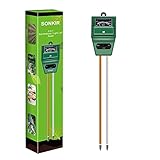
- Kindly NOTE: This soil tester can not be applied to test pH value of any other liquid. If the soil is too dry the indicator will not move, and water it before testing.
- 3 METERS IN ONE: Soil moisture level, Soil pH value and Sunlight level could be tested easily according to your need by switching the function button of this soil meter.
- NO BATTERY NEEDED: Simply insert the meter into soil, wait few minutes, accurate test results will be displayed on the readout panel. No battery is needed.
- STURDY AND SCIENTIFIC DESIGN: Reliable materials and upgraded technology used for this soil meter make it advanced and high-quality for long-term use.
- MULTIPURPOSE SOIL TEST KIT: Portable and compact design enables you to use this soil meter for house garden, farm, lawn and any other soil & plant analysis. Ideal for indoor and outdoor use.
Good air movement helps foliage dry and reduces some pest and disease pressures, but avoid exposed windy sites, cold drafts, heating vents, air-conditioning outlets, and locations where temperatures change abruptly. Deep shade commonly reduces flowering. Hot, direct afternoon exposure can scorch leaves, especially when the soil is dry.
Temperature and humidity
Gardenias prefer warm days and somewhat cooler nights. For houseplant gardenias, a daytime range around 70–75°F (21–24°C) is a useful general target, while winter conditions should remain above approximately 60°F (16°C) where possible. These are guidelines rather than guarantees: a cultivar, container, window, or local climate may change what the plant tolerates.
Most gardenias are tender and need protection from freezing weather. Move container plants indoors before a freeze, rather than waiting until the foliage has been damaged. Acclimate the plant gradually if you can, because a sudden change from outdoor sun and humidity to indoor air can trigger stress and bud drop.
Indoor air is often too dry for gardenias, particularly near winter heating. A humidifier is generally more dependable than occasional misting. A humidity tray can also help increase local humidity if the pot is kept above the water rather than sitting in it. Do not keep leaves constantly wet or place the plant where poor air circulation encourages problems.
Use acidic, well-drained soil
Gardenias are acid-loving plants. In containers, use an acidic, peat-free ericaceous potting mix. Outdoors, choose a site with well-drained, humus-rich acidic soil. The root zone should hold moisture while still allowing air to reach the roots.
Drainage is just as important as acidity. A container must have drainage holes, and the mix should not collapse into a dense, airless mass. Perlite or another suitable drainage amendment may help improve aeration, but the finished mix should not dry out immediately after watering.
Do not add lime by default. Lime raises pH and can move the root zone away from the conditions gardenias prefer. If yellow leaves or poor growth suggest a soil-chemistry problem, test the soil or potting mix before applying lime, iron, sulfur, or additional fertilizer. A soil pH test kit can be useful for an initial check, although a laboratory or regional extension test is preferable when the problem is persistent or the result is uncertain.
Hard or alkaline municipal water can gradually affect the root-zone chemistry. Where practical, rainwater or another suitable low-alkalinity water source may help, but water quality varies by location. Do not assume that changing water alone will correct yellow leaves if the plant is also overwatered, root-damaged, poorly lit, or infested.
Water gardenias evenly
Check the surface of the potting mix or soil before watering. When the surface has begun to dry, water thoroughly until excess runs from the drainage holes. Empty saucers and cachepots so the pot does not remain standing in water.
The goal is even moisture, not constant saturation. A completely dry root ball can cause wilting, leaf loss, and flower-bud drop. A permanently wet root zone can deprive roots of oxygen and lead to yellow foliage, weak growth, and root problems.
Gardenias are especially sensitive to swings between extremes. Hot weather, dry indoor air, unusually cool conditions, poor drainage, and repeated under-watering can all contribute to buds dropping before they open. Check moisture more frequently during active growth and hot weather, but adjust the interval according to the pot, soil, temperature, light, and humidity rather than following a fixed calendar.
The Tool Desk
Outbyte PC Repair FREERepair Windows errors before they cause bigger problemsFix Now →Outbyte Driver Updater FREEFix the driver behind crashes, sound loss and screen glitchesFind Drivers →Rank #2

- Quick, at home results for Soil pH, Nitrogen, Phosphorous and Potash Innovative and inexpensive soil test kit features an easy-to-use capsule system and patented color comparators
- Contains all components needed for 20 tests. 5 for each of pH, N, P and K
- Contains all components needed to test all variables in several spots in the yard or garden
- Simple, detailed instructions included. Great for beginners and experienced gardeners alike.
- Soil pH preference list for over 450 plants included
Feed only during active growth
During active growth, use a fertilizer labeled for acid-loving plants and follow its label rate. Do not increase the concentration to compensate for yellow leaves or a lack of flowers. Excess fertilizer can injure roots and may contribute to bud drop.
Established landscape gardenias in warm climates commonly receive two or three applications during the growing season, but the correct timing depends on region, soil, rainfall, cultivar, and local horticultural guidance. Container plants lose nutrients more quickly, yet they can also accumulate fertilizer salts more readily. Label directions matter in both situations.
If you need a product for this task, choose a fertilizer for acid-loving plants rather than a general-purpose product selected at random. Fertilizer is not a substitute for correcting poor drainage, unsuitable pH, inadequate light, or pest damage. Test first when the diagnosis is unclear.
Planting gardenias outdoors
Plant outdoors in spring or fall where the selected cultivar can survive the local winter. Avoid frozen, waterlogged, or intensely hot soil. Choose a sheltered site with adequate light and drainage.
Do these 3 things before closing this tab:
1Scan for outdated or missing drivers - takes under a minute2Repair Windows errors before they cause bigger problems3Fix the driver behind crashes, sound loss and screen glitchesImprove the planting area broadly with suitable organic matter rather than creating a small pocket of very different soil around the roots. A sharply contrasting pocket can hold too much water or behave differently from the surrounding ground. Set the plant at the appropriate depth, water it in thoroughly, and monitor moisture while it establishes.
Apply mulch around the root zone to moderate soil temperature and conserve moisture, but keep mulch away from direct contact with the stem. A mulch layer piled against the trunk can keep the base excessively damp and create other problems.
Repot indoor and container gardenias carefully
Repot in spring when roots have filled the container, the mix has broken down, or drainage has deteriorated. Use a clean container with drainage holes and fresh acidic potting mix. Move the plant into a pot only slightly larger than the previous one.
A much larger container holds more unused wet soil around a relatively small root system, increasing the risk of waterlogging. Avoid unnecessary root disturbance; gardenias can respond poorly to abrupt changes in their root environment.
Outdated Drivers Are Slowing You Down
One free scan finds every outdated or missing driver and matches the right update for your exact hardware.Free scan · exact hardware matchPC Slower Than It Used to Be?
A free scan shows the junk files, broken settings and background clutter dragging Windows down - then fixes them in one click.Free scan · Windows 10 & 11Rank #3

- Accurate Soil pH Testing: Dewildetradingco Soil pH Test Strips offer measurements of soil pH levels (pH 3.5-9). As an essential tool for every gardener and grower, these test strips help determine the optimal pH for various plants, such as outdoor plants, indoor plants, gardens, grass lawns, fruit trees, flowers, vegetables, and forest shrubs.
- User-Friendly Testing Procedure: The testing process is simple and efficient. Mix the sample soil with water, let the solution sit for 30 minutes, dip one strip into the solution for 3 seconds, and then hold it horizontally for 60 seconds. Compare the results against the provided color chart on the bottle for quick and reliable readings.
- Cost-Effective and Versatile: With 100 Soil PH checker strips included in each package, Dewildetradingco provides a cost-effective solution for soil testing. It caters to various planting needs, offering valuable insights for a wide range of horticultural applications.
- Optimize Plant Health and Growth: Maintaining the correct pH is crucial for optimal plant growth and bountiful yields. Dewildetradingco Soil pH Test Strips enable gardeners and growers to adjust their soil conditions, ensuring nutrient availability and preventing wasteful spending on ineffective amendments.
- Convenient On-the-Go Monitoring: The Dewildetradingco Soil pH Test Strips are designed for portability, allowing gardeners to perform quick soil testing in various locations. As an essential tool in every gardener's soil tester kit, these pH strips help ensure thriving plant life and efficient resource management.
Fresh ericaceous potting mix is a practical choice for indoor and container gardenias, provided it is genuinely acidic, drains well, and is appropriate for the plant. Check the formulation and availability at the time of purchase because products and peat-free materials vary by market.
Prune just after flowering
Gardenias usually need light pruning rather than severe reshaping. Prune immediately after flowering, often in midsummer, so the plant has time to produce new growth and develop flower buds for the next flowering cycle.
Remove dead, damaged, crossing, or weak branches with clean, sharp pruners. Disinfect tools when moving between plants that show disease symptoms. Avoid heavy late-season pruning because it may remove developing flower wood. Also avoid pruning a plant simply because it looks unhealthy: first investigate water, drainage, light, temperature, and pests.
How to encourage flowers and prevent bud drop
Bud drop is usually a stress signal, not proof that the plant needs more fertilizer. Common triggers include:
Quick wins for a faster PC:
Scan for outdated or missing drivers - takes under a minuteDriver Scan →Clear out junk files and repair common Windows errorsFree Scan →Fix the driver behind crashes, sound loss and screen glitchesFind Drivers →- soil that becomes extremely dry and then saturated;
- poor drainage or root damage;
- excessive heat or unusually cool temperatures;
- low light;
- low humidity or dry air;
- abrupt changes in location, temperature, or watering;
- excess fertilizer;
- thrips or other pests; and
- root or soil problems.
When buds fall, inspect the entire growing environment. Keep moisture consistent, provide bright but non-scorching light, stabilize temperature, and avoid moving a budding plant repeatedly. Examine buds and new growth closely before treating: thrips can hide in flowers and expanding leaves, while mites, aphids, whiteflies, and scale may be found on foliage.
Diagnose yellow leaves before treating
Yellow leaves have several possible causes, so adding iron or fertilizer immediately can make the problem worse. Start with these questions:
- Is the soil staying wet? Check drainage, the container holes, the saucer, and the condition of the roots if repotting is necessary.
- Is the plant repeatedly drying completely? Inconsistent watering can cause yellowing as well as bud drop.
- Is the light adequate? Low light can weaken growth and reduce flowering.
- Is the root-zone chemistry suitable? Alkaline conditions can restrict nutrient availability, particularly iron. Interveinal yellowing on newer leaves is consistent with this type of availability problem, but it is not proof of it.
- Are pests present? Inspect leaf undersides, stems, buds, and new growth.
Test the soil or potting mix before applying acidifying products, iron, or extra fertilizer. A test gives you a better starting point than repeatedly adding amendments based on leaf color alone.
Common gardenia pests
Whiteflies, scale, and aphids
These sap-feeding insects may weaken the plant and produce honeydew, a sticky residue. Sooty mold can grow on that residue and leave a black coating on the foliage. The mold is generally superficial and may be wiped from leaves, but cleaning the leaves does not solve the underlying insect infestation.
What’s actually slowing this PC down?
Pick the symptom - the matching free tool is one click away.
Begin by monitoring the plant, washing pests from foliage where practical, removing heavily infested material, and protecting beneficial insects. Horticultural oil or insecticidal soap may help with appropriate pests when the current product label lists gardenias and the target insect. Thorough coverage, especially on leaf undersides, is important.
Spider mites
Spider mites are more likely to become serious in hot, dry conditions. Fine stippling, distorted leaves, and webbing are possible signs. For a light infestation, spray water firmly onto leaf undersides while avoiding soil erosion and prolonged wetness. Horticultural oils and insecticidal soaps are additional options only when labeled for the plant and pest.
Rank #4

- 【4 in 1 function】This is a 4-in-1 multifunctional soil tester.Our soil tester fastly to measure soil moisture, pH, temperature and sunlight to help you take better care of flowers and plants.You can know when you need to water your soil by measuring moisture and pH & Temperature value of the soil and sunlight level of plants with it.
- 【Large Screen & Backlight LCD Display】The Soil Tester uses a large LCD screen and white backlight to conveniently display and read digital parameter in day or dark.Use AAA1.5V * 4 batteries (not included),it will alert when the battery is low.
- 【Quick Accurate measurement】The latest probe detection technology in 2026 can quickly and accurately measure the pH, moisture and temperature in the soil,with the light intensity of the light sensor analysis on the instrument, it can allow you to know when to water, to control the pH and temperature acidity, and determine whether the plants have enough light to better cultivate the plants more scientifically.
- 【Easy to use】Just simply plug the probe into the soil about 4 inches(10cm) , wait 10 seconds to read intuitive data,and you will get an accurate and precise reading immediately.(This soil tester cannot be used directly to test any liquid. When measuring the soil, if the soil is too dry, do not insert it into dry and hard soil. Before testing, please water the soil test area and wait for 10 minutes, otherwise the testing machine will be damaged.)When testing soil pH and moisture, you need to read data from at least 5 locations in the soil. The average value of all the data will be the final soil pH and moisture.
- 【More convenient to read】The screen content adopts visual content design, which helps you read the data through specific values and easy to understand graphics, so that even novice growers can easily understand your soil conditions. The 45° rotating head design allows you to bend your head 0°-45°, allowing you to easily view the screen content without bending over.
Avoid unnecessary broad-spectrum insecticides. They can kill natural enemies and sometimes make mite problems worse. Do not apply oils or soaps to drought-stressed plants, and avoid applications above 90°F (32°C) where the product guidance warns against it.
Thrips
Thrips feed on buds, flowers, and expanding leaves. Damage may appear as buds that die without opening, browned flowers, or distorted foliage. To inspect for them, tap a damaged flower over a sheet of white paper and look for tiny moving insects.
Use cultural controls first and apply a pesticide only if the label permits its use on gardenias and the identified pest. Follow all label directions, including temperature, protective-equipment, re-entry, pollinator, and application restrictions. Do not spray preventively without evidence of a pest problem.
Propagate gardenias from cuttings
Softwood cuttings are a practical way to renew an aging container plant or reproduce a named cultivar. Cuttings taken during active growth are commonly used for suitable gardenia cultivars.
- Use clean, sharp tools and select healthy softwood growth.
- Place the cutting in a sterile, well-drained propagation medium.
- Maintain consistent moisture without saturating the medium.
- Provide bright, indirect light and a stable environment while roots develop.
Seed-grown plants may not reproduce the characteristics of a named cultivar, so cuttings are preferable when preserving a particular plant’s traits. Propagation success varies with cultivar and conditions.
Independent reader supportYour contribution helps us test, update, and keep practical guides available for everyone.Winter care checklist
- Move container gardenias indoors before freezing weather.
- Place them in bright light away from heating vents and cold drafts.
- Keep temperatures as stable as possible and avoid abrupt location changes.
- Continue checking moisture rather than watering on a rigid schedule.
- Provide moderate-to-high humidity without leaving foliage constantly wet.
- Inspect leaf undersides, buds, and new growth for pests each week.
- Do not fertilize heavily when growth has slowed.
Outdoor planting is appropriate only where the cultivar and local climate provide adequate winter protection. Hardiness varies by cultivar, so do not rely on a broad label or a generic gardenia description when freezing weather is a regular risk.
Recommended Free Tools
A simple weekly care routine
- Feel or inspect the soil and water when the surface has begun to dry.
- Water thoroughly, then allow all excess water to drain.
- Check that light is bright enough but not causing heat or scorch.
- Inspect buds, new growth, and leaf undersides for pests.
- Look for blocked drainage, standing water, or a deteriorating potting mix.
- During active growth, feed only with an acid-loving-plant fertilizer at the label rate.
- After flowering, prune lightly to remove damaged or crossing growth.
- Before winter, protect containers from freezing temperatures and indoor drafts.
Frequently Asked Questions
Why are my gardenia buds falling off before they open?
Bud drop is commonly associated with inconsistent moisture, excessive heat, unusually cool temperatures, low light, low humidity, poor drainage, abrupt environmental changes, excess fertilizer, or pests such as thrips. Check the whole growing environment rather than adding more fertilizer.
Best Value

- ✅ 1Dial & 1 LCD Screen - Replace/install all 3 batteries each time. Put button to %RH/°F to - Turn On, and put to LIGHT to - Turn Off. Read the LCD results in 3-5 mins. (Not Water Moisture Meter, so, please don't test liquid)
- 7Meter-in1 Comprehensive Maintenace: Specially designed for beginners, the built-in 1.6" chips board, can meet all your needs for measuring soil moisture, pH/fertility/temp/light/indoor temp&humidity. Simply switching modes on 1 button, can quickly result in a more accurate reading of various aspects of data of soil! Moreover, LCD screen can clearly display soil temp, air temp&humidity. helps you to plant lush and healthy plants, while it can also help you cultivate seedlings scientifically.
- Design Patented US & Utility Patented US: Origin Dual-Dial Design -combined with both soil meter and LCD-display soil/air temperature and humidity meter. This helps you to monitor soil moisture/pH/fertility/sunlight and soil temperature/air humidity and temperature in your garden/house all in one unit. Our 7 Soil Tester allows you to get a more comprehensive and direct understanding of your plants/ the key information for scientific seedlings.
- Effective Probe Based On 3 Metals: The soil pH tester has been with 3 kinds of quality metal material, which is accurate, strong, and durable for long-term use, length of about 6.8" and can be used for medium to large potted plants. it can analyze the soil more quickly, get to know the plant soil condition, and obtain more accurate data, furthermore, single probe design plant water meter is less harmful to the plant root system and won't bring out more soil of the plants after the test.
- Easy To Use & Wide Range: Simply insert the plant moisture meter more than 3" into the soil and switch the function button to obtain test results immediately or test the mini hygrometer thermometer in 3 mins. This moisture meter for house plants can be widely used in both outdoor &indoor gardens, farms, lawns, flowers, potted, and vegetable plants, etc., A great gardening gift for plant-lover friends, coworkers, and family.
How often should I water a gardenia?
Water when the surface of the soil or potting mix has begun to dry, then water thoroughly and let the excess drain. The interval varies with container size, light, temperature, humidity, and soil, so a fixed weekly schedule is less reliable.
What is the best soil for gardenias?
Use a well-drained, acidic, humus-rich soil outdoors or a peat-free acidic ericaceous potting mix in containers. The mix must retain some moisture without becoming saturated, and containers must have drainage holes.
Should I mist my gardenia?
Misting is not the most reliable way to raise humidity and can leave foliage wet without meaningfully improving the plant’s environment. A humidifier or suitable humidity tray is generally more dependable, provided air circulation remains good.
When should I prune a gardenia?
Prune lightly immediately after flowering, often in midsummer. Remove dead, damaged, crossing, and weak growth, but avoid heavy late-season pruning because it can remove developing flower wood.
Why are new gardenia leaves yellow between the veins?
Interveinal yellowing on newer leaves can be consistent with nutrient-availability problems caused by alkaline conditions, especially reduced iron availability. However, overwatering, poor drainage, root injury, and pests can look similar. Test the soil or potting mix before adding iron or fertilizer.
The Bottom Line
Gardenias reward consistency more than quick fixes. Give them bright filtered light, acidic but well-drained soil, even moisture, stable temperatures, adequate humidity, and light post-flowering pruning. When leaves yellow or buds drop, diagnose water, roots, light, temperature, soil chemistry, and pests before reaching for fertilizer or pesticide.
Quick Recap
Product prices and availability are accurate as of the date/time indicated and are subject to change. Any price and availability information displayed on Amazon at the time of purchase will apply.

