Recommended Free Tools
Grow a common fig (Ficus carica) in the sunniest well-drained site you have, select a cultivar proven for your climate, and adjust watering, pruning and winter protection to your region and growing method. Most common figs set fruit without cross-pollination, but a cultivar that ripens within your local season is essential.
Choose the right fig and growing method
Common figs are deciduous and need little winter chilling to produce fruit. Most common-fig cultivars are parthenocarpic, meaning they set fruit without pollination. Other fig types depend on a specific wasp that is absent in some regions, including Florida, so confirm the species and pollination requirement with your local Extension service or nursery.

As an Amazon Associate I earn from qualifying purchases.
Match the cultivar to your climate
Extension descriptions are regional examples, not guarantees for every garden. University of Maryland Extension lists ‘Celeste’ as early-ripening, heat-tolerant and cold-hardy in its Maryland context; ‘Brown Turkey’ as widely adapted; and ‘Chicago Hardy’ as drought- and heat-tolerant. Virginia Tech discusses ‘Chicago Hardy’ for zones 6–8, with occasional survival in zone 5, and lists ‘Celeste’ for zones 7–9. Ask a local Extension agent which cultivars reliably ripen and survive winter where you live.
| Selection factor | Why it matters |
|---|---|
| Winter tolerance | Cold can kill aboveground stems even when roots survive. |
| Ripening season | A late cultivar may not mature fruit before your first hard freeze. |
| Fruit use and quality | Choose for fresh eating, drying or preserving according to your preference. |
| Eye and skin traits | Fruit that splits readily can be more vulnerable to rain, insects and souring. |
In-ground or container?
| Consideration | In-ground tree | Container tree |
|---|---|---|
| Space | Needs room for roots and mature canopy. | Useful where garden space is limited. |
| Watering | Often less frequent after establishment, depending on soil and rainfall. | Dries faster and requires closer monitoring, especially while fruit develops. |
| Winter protection | Depends on cultivar, site and local temperatures. | Can be moved to a protected location after leaf drop, but the pot may be heavy. |
| Root management | Roots can extend beyond the canopy. | Requires a large, well-drained container and periodic root management. |
Site and plant a fig tree
Light, soil and space
Choose full sun and soil that drains freely; avoid locations that stay waterlogged. University of Maryland Extension recommends at least eight hours of direct summer light and at least 10 feet of spacing in each direction for its Maryland guidance. UF/IFAS notes that fig roots can extend beyond the canopy. Treat those measurements as regional examples and allow more room where your local recommendations call for it.
#1 Best Overall

- 🌇 live Chicago Hardy Fig tree 1 gallon is self-pollinating, comes with easy to use Fig food, and produces fresh Fig fruit every Year
- 🌿 This tree features leggy branches with bright, bulky Green leaves! Figs grow upward and outward creating room beneath foliage for fruit to grow
- 🌞 Chicago Hardy Fig loves the sun and would enjoy a spot in the landscape — or on the patio in a potting container — that receives full sun throughout the day
- 📈 mature Height: 15-30ft | mature width: 15-35ft
- 💙 Chicago Hardy Fig can withstand below-freezing temperatures and produces a deep purple fruit wit maroon tones
Planting time
UC IPM says, “The ideal planting time for fruit or nut trees is during the dormancy period in the bare-root stage during winter or early spring.” UF/IFAS recommends dormant-season planting for bare-root figs in Florida, from December through late February, while container-grown plants can be planted any time if they are irrigated. Your local climate and the plant’s root condition determine the safest calendar.
- Keep bare roots damp and protected from sun and wind until planting.
- Dig a hole wide enough for the roots to spread without bending.
- Set the tree at the same soil depth at which it grew in the nursery.
- Backfill with the excavated soil, firm it gently and water thoroughly.
- Maintain consistent moisture while the tree establishes, without saturating the root zone.
Water and fertilize according to conditions
Establishment and mature-tree irrigation
There is no universal fig-watering schedule. Adjust for rainfall, soil texture, temperature, sun exposure, tree age and container size.
| Guidance | Scope and qualification |
|---|---|
| 1 to 1.5 inches of water per week | Virginia Cooperative Extension/Virginia Tech general recommendation for Virginia; clay soil may need less and sandy soil more. |
| 10 gallons per application at least three times weekly during the establishment year | UF/IFAS Florida guidance. |
| 20–50 gallons per tree per week when there is no significant rain | UF/IFAS mature-tree range for Florida. |
Apply water slowly enough to wet the root zone, then allow the surface to begin drying rather than keeping soil constantly wet. Maryland Extension advises container growers to let the mix become somewhat dry a few inches below the surface before watering again. Reduce irrigation after substantial rain and increase monitoring during heat, wind or fruit formation.
Do these 3 things before closing this tab:
1Fix the driver behind crashes, sound loss and screen glitches2Repair Windows errors before they cause bigger problems3Scan for outdated or missing drivers - takes under a minuteRank #2

- Fruit Tree
- 4 Rooted Fig Chicago Hardy plants
- Starter live plants
Fertilizer
Do not fertilize during the first growing season, advises UC IPM. UF/IFAS warns that excess fertilizer can produce vigorous leafy growth with poor yield. Use a soil test and follow your local Extension recommendation instead of applying a fixed fertilizer formula.
Prune for structure, crop timing and recovery
Young trees
During the first two or three years, train a sturdy framework capable of carrying fruit. UC IPM describes open-center training: select well-spaced scaffold branches and remove competing or poorly positioned shoots while the tree is young.
Mature trees
Figs bear fruit on current-season growth. Dormant pruning should concentrate on structural problems, broken wood, branches that rub or cross, and excessive or very low limbs. Remove no more wood than your purpose requires.
Rank #3

- Fruit Production: Produces a harvest of sweet, rich figs suitable for fresh eating, baking, or preserving throughout the growing season
- Growing Zones: The Fig Tree Chicago Hardy thrives in USDA hardiness zones 5 to 10, showcasing its remarkable adaptability and resilience in a wide range of climates
- Mature Height: At maturity, the Fig Tree Chicago Hardy reaches a moderate height of 10 to 15 feet, allowing it to fit comfortably in various landscape settings, from small gardens to larger yards
- Cold-Hardy Resilience: This tree is specially bred to withstand cooler temperatures, making it a suitable choice for gardeners in colder regions
- Aesthetic Appeal: With its attractive, lobed leaves and compact size, this fig tree adds a touch of Mediterranean beauty to any garden
When should you prune?
Timing depends on climate, tree form and crop timing. UF/IFAS, in its regional guidance, recommends pruning after harvest in late summer and cautions that heavy winter pruning can remove the following year’s crop. In colder regions, pruning may also be shaped by winter injury and the need to let the tree regrow. Follow the calendar used by your local Extension service rather than a generic month.
Quick wins for a faster PC:
Repair Windows errors before they cause bigger problemsFix Now →Scan for outdated or missing drivers - takes under a minuteDriver Scan →Clear out junk files and repair common Windows errorsFree Scan →Disinfect tools when moving between diseased cuts, as UC IPM recommends. Remove dead or damaged wood back to healthy tissue, and avoid making large cuts solely to control height unless you have a recovery plan.
Grow figs in containers and protect them from winter
Container culture
Maryland Extension recommends a minimum 15-gallon container, full sun and regular watering after fruit forms. Use a container with drainage holes and a free-draining potting mix. Place it where you can safely move it; a mature fig and wet pot can be extremely heavy. Check moisture more often than you would for an in-ground tree.
Rank #4
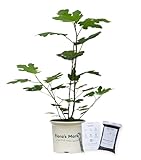
- COLD-HARDY FRUIT - Chicago Hardy Fig is known for its ability to withstand colder temperatures, producing sweet figs even in USDA zones 5–10
- PROLIFIC FRUITER - Yields an abundant harvest of medium-sized, sweet figs perfect for fresh eating, drying, or cooking
- LOW MAINTENANCE - Thrives in full sun, adapting well to various soil types, and requires minimal care once established
- INCLUDES PLANTING KIT - Comes with nursery-grade fertilizer, premium planting mix, and a detailed planting guide to help ensure your Chicago Hardy Fig grows strong and healthy
- 30-DAY GUARANTEE - We stand behind our product with a 30-day grower guarantee. If your Chicago Hardy Fig doesn’t thrive, we have you covered
After leaf drop, move a container fig to a protected location appropriate to your climate. Keep the dormant plant cool enough to remain dormant, but prevent the root ball from freezing solid. Return it gradually to brighter outdoor conditions in spring.
In-ground trees in cold regions
Select a locally hardy cultivar and consider bush training, which keeps stems closer to the ground and allows new shoots to replace winter-damaged wood. Maryland Extension reports that sustained temperatures below 20°F may injure or kill aboveground wood in its setting; that threshold varies with cultivar, exposure, duration and climate, so do not apply it as a universal survival limit. Use local advice for wrapping, mulching and timing of protection.
Harvest ripe fruit and diagnose failures
When are figs ripe?
UC IPM states, “Figs are fully ripe when they are soft and start to droop on their stems.” A ripe fig should detach with a gentle lift and bend back toward the branch. Harvest carefully and pick fallen fruit promptly to reduce insect and disease problems.
Best Value
Why are my figs not ripening?
Maryland Extension notes that fruit can take up to two months from formation to full ripeness. Common explanations include cold-damaged stems, an unsuitable or late cultivar, inadequate sunlight, plant stress or a growing season too short for that crop. Check light, moisture and winter damage first, then ask your local Extension service whether the cultivar is appropriate for your climate.
Monitor pests, diseases and wildlife
Problems vary by region. UC IPM lists ants, beetles, fruit flies, nematodes, scales, spider mites, fig mosaic, canker and sour rot among possible fig issues. UF/IFAS discusses fig rust, root-knot nematodes in some soils and wildlife damage. Inspect leaves, stems, fruit and the soil around roots, and identify the cause before treating it.
UF/IFAS says insecticide is seldom warranted for homeowner figs and recommends contacting a local Extension agent for spray recommendations. Sanitation, removal of affected material, appropriate watering and wildlife exclusion may be more useful than a routine spray program.
The Tool Desk
Outbyte PC Repair FREERepair Windows errors before they cause bigger problemsFix Now →Outbyte Driver Updater FREEScan for outdated or missing drivers - takes under a minuteDriver Scan →Quick Recap
A practical annual checklist
- Confirm that the cultivar and pollination type suit your region.
- Provide full sun and well-drained soil, with locally appropriate spacing.
- Water new trees consistently; adjust mature-tree and container watering for weather and soil.
- Fertilize only when soil tests or local guidance indicate a need.
- Prune for a clear purpose and use the timing recommended for your climate.
- Protect containers and cold-sensitive in-ground forms before damaging winter weather.
- Harvest when fruit is soft, drooping and easy to detach.
- Diagnose pests and diseases with local Extension help before using pesticides.
Product prices and availability are accurate as of the date/time indicated and are subject to change. Any price and availability information displayed on Amazon at the time of purchase will apply.