Do these 3 things before closing this tab:
1Repair Windows errors before they cause bigger problems2Fix the driver behind crashes, sound loss and screen glitches3Clear out junk files and repair common Windows errorsEaster cactus is a tropical forest epiphyte, not a typical desert cactus. Give it bright filtered light, an airy potting mix, thorough watering when the upper soil begins to dry, and stable conditions—especially cool nights and uninterrupted darkness when it is preparing to flower.
The most important Easter cactus care rule is not to treat it like a desert cactus. Easter cactus is a tropical forest epiphyte from southern Brazil. It prefers bright filtered light, an airy potting mix, thorough watering followed by partial drying, and stable temperatures rather than prolonged drought or constantly dry soil.
As an Amazon Associate I earn from qualifying purchases.
Easter cactus identification
Easter cactus is commonly sold as Rhipsalidopsis gaertneri. You may also see Hatiora gaertneri or Schlumbergera gaertneri on plant labels. It has flat, spineless, segmented stems with rounded scalloped edges and small bristles. The stems form a bushy, arching, or trailing plant.
It is often confused with Thanksgiving and Christmas cactus:
#1 Best Overall

- Easter cactus, also known as holiday cactus, is a tropical cactus known for its prolific star-shaped blooms of various colors that tend to bloom in the spring
- Easter cactus grows well as a houseplant, in which case it prefers dappled, filtered light and requires loose, well-draining soil
- Mature Size: 6-12 in. tall, 1-2 ft. wide
- Flower Color: Red, pink, orange, purple, white
- Easter cactus: rounded, scalloped segment margins with small bristles; usually blooms in spring.
- Thanksgiving cactus: sharper, more pronounced teeth along the segment edges.
- Christmas cactus: generally smoother, less sharply toothed segment margins.
Bloom time alone is not a reliable identification test. Commercial growers can manipulate flowering, and hybrids may not follow a strict calendar. Check the stem shape, flower form, seller label, and usual flowering season together.
Quick Easter cactus care guide
| Care factor | What to provide |
|---|---|
| Light | Bright indirect or filtered light; protect from hot midday sun. |
| Water | Water thoroughly when the upper part of the mix has begun to dry; let excess drain away. |
| Soil | Porous, fast-draining cactus, succulent, or epiphytic-plant mix. |
| Container | A modestly sized pot with open drainage holes; avoid leaving the pot in standing water. |
| Temperature | About 60–75°F during ordinary growth, with cooler conditions useful for bud formation. |
| Humidity | Moderate to high humidity with good air circulation. |
| Fertilizer | Diluted houseplant fertilizer during active growth, following the product label. |
| Flowers | Usually in spring, although cultivar, light, temperature, and commercial treatment affect timing. |
Where to place an Easter cactus
Set the plant near a bright east-facing window or in another location with plenty of filtered light. A sheer curtain, a position slightly back from a sunny window, or protection from intense afternoon sun can prevent scorching.
Too little light may produce weak, elongated growth and fewer flowers. Too much hot direct sun can bleach or scorch the stem segments. Turn the pot occasionally if one side receives much more light, but avoid repeatedly changing its location while flower buds are developing.
Quick wins for a faster PC:
Repair Windows errors before they cause bigger problemsFix Now →Scan for outdated or missing drivers - takes under a minuteDriver Scan →Clear out junk files and repair common Windows errorsFree Scan →An LED grow light is optional, not essential. It is most useful in a dim room or when you need to provide a consistent light schedule for bud initiation. Keep the light far enough away and use the manufacturer’s distance guidance so the stems do not overheat or bleach.
How to water Easter cactus
Check the potting mix rather than watering on a fixed weekly schedule. When the upper portion of the mix has begun to dry, water slowly and thoroughly until water runs from the drainage holes. Empty the saucer or decorative outer pot afterward.
The correct interval depends on pot size, soil composition, temperature, humidity, and light. A small pot in a warm, bright room may dry much faster than a large pot in a cool, dim room.
Easter cactus needs a balance that is easy to miss:
Outdated Drivers Are Slowing You Down
One free scan finds every outdated or missing driver and matches the right update for your exact hardware.Free scan · exact hardware matchPC Slower Than It Used to Be?
A free scan shows the junk files, broken settings and background clutter dragging Windows down - then fixes them in one click.Free scan · Windows 10 & 11Rank #2
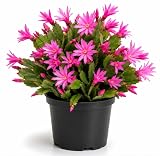
- USDA Zones 10 to 11
- Blooming Season: Spring
- Soil and water: Prefers well-draining soil. Moderate watering
- Light: Bright indirect light
- Thrives in temperatures between 60 degrees Fahrenheit to 75 degrees Fahrenheit
- Do not keep it bone-dry for long periods. This is a tropical forest plant, not a drought-adapted desert cactus.
- Do not keep the mix continuously wet. Poor drainage and standing water deprive roots of oxygen and can cause root rot.
- Do not leave water in a cachepot. Keep the plant in a draining nursery pot, remove it for watering, and return it only after the excess has drained.
After flowering, the plant is generally less active, so reduce watering somewhat while still preventing prolonged severe dryness. Increase watering as new growth resumes in spring or early summer.
Best soil and pot for Easter cactus
Use a loose, porous medium formulated for cactus, succulents, or epiphytic plants. The goal is quick drainage combined with enough moisture retention for the roots to absorb water. Dense garden soil or a heavy general-purpose mix can stay wet too long.
One extension-style example is one part sterile potting soil, two parts peat moss, and one part sharp builder’s sand or perlite. You do not need to copy that recipe exactly; an airy commercial cactus or epiphytic mix is also practical. The finished medium should not compact into a wet, airless mass.
Choose a pot with open drainage holes. Holiday cacti often flower well when slightly pot-bound, so repotting every year is unnecessary. Repot when the mix has broken down, roots have become crowded, or drainage has deteriorated. A healthy plant may go roughly three years between repotting, although conditions vary.
Recommended Free Tools
Useful supplies
If you are buying a plant, look for an Easter cactus plant or spring cactus sold under one of its botanical synonyms. Availability can be seasonal, and sellers sometimes use “holiday cactus” loosely. Before buying, check for rounded scalloped segments, small bristles, and the seller’s botanical identification rather than relying only on a promised bloom date.
A fast-draining cactus and succulent potting mix and a small plant pot with drainage holes solve the two most common setup problems: compacted soil and trapped water. An LED grow light is a secondary purchase for homes that lack a bright window, not a requirement for every plant.
Temperature, humidity, and placement
During ordinary growth, keep Easter cactus in a stable indoor environment around 60–75°F. Keep it away from heating vents, air-conditioning blasts, cold drafts, and abrupt temperature changes.
Higher humidity is usually beneficial because the plant comes from humid forest conditions. A humidifier, a suitable bright bathroom, or a pebble tray can help. If you use a pebble tray, keep the pot above the water line; the container should never sit in water. Good air circulation matters because high humidity combined with stagnant air can encourage disease.
How to encourage Easter cactus to flower
Easter cactus typically blooms in spring, but you cannot reliably make it flower on Easter Sunday or another specific calendar date. Bud initiation depends on the cultivar and the combination of daytime light, uninterrupted darkness, and temperature. Guidance for holiday cacti commonly describes a short-day response, while cooler conditions are particularly useful for Easter cactus bud formation.
Rank #3

- [CURATED SELECTION] – Hand-selected live decorative houseplants sourced from professional local growers.
- [PREPARED FOR SHIPMENT] – Each plant is prepared for shipment using standard horticultural handling practices and shipped in a nursery container.
- [GIFT-READY APPEAL] – A visually striking live plant suitable for display or gifting, with natural variation that makes each one unique.
- [INDOOR DISPLAY PLANT] – Commonly grown as a decorative plant for indoor spaces with bright, indirect light. Care guidance may be provided.
- [NATURAL DECOR] – Adds texture, color, and organic visual interest to shelves, desks, and living spaces.
Use this practical home routine during the period when you want the plant to set buds:
- Provide bright daytime light. Keep the plant bright enough to maintain healthy growth without exposing it to scorching sun.
- Give it long, uninterrupted nights. Avoid turning on room lights near the plant during its dark period. Artificial light can interrupt the signal that helps initiate buds.
- Keep nights cool rather than warm. Avoid placing the plant near a radiator, heat register, or other hot location.
- Allow time. Easter cactus may need approximately 8–12 weeks under suitable flowering conditions, with exact timing varying by cultivar and growing environment.
- Stop moving it once buds appear. Keep light, temperature, humidity, and watering conditions as consistent as possible.
Warm nights, insufficient daytime light, interrupted darkness, sudden drafts, or moving the plant after bud formation can all reduce flowering or cause buds to fall.
Fertilizing Easter cactus
Feed during active growth with a diluted houseplant fertilizer. A practical extension recommendation is monthly half-strength feeding from June through August. During fall bud formation, some guidance recommends changing to a low-nitrogen fertilizer with relatively more phosphorus and potassium.
Fertilizer products vary considerably, so follow the selected product’s dilution instructions. Do not fertilize a plant growing in completely dry soil, immediately after repotting, or during its least-active period. Excess fertilizer can damage roots and encourage weak, unbalanced growth.
Pruning and shaping
Prune after flowering, when the plant has finished its main display. Remove or shorten stems at the joints between segments. This encourages branching and can make a bushy plant fuller instead of allowing every stem to become long and sparse.
Use clean scissors or pruning shears and remove damaged, diseased, or badly positioned segments first. Avoid heavy pruning immediately before flowering, since removing healthy growth can reduce the plant’s ability to produce buds.
How to propagate Easter cactus from cuttings
Stem cuttings are the simplest way to multiply an established plant. Specialized propagation equipment is not necessary.
Rank #4

- USDA Zones 10 to 11
- Blooming Season: Spring
- Soil and water: Prefers well-draining soil. Moderate watering
- Light: Bright indirect light
- Thrives in temperatures between 60 degrees Fahrenheit to 75 degrees Fahrenheit
- After flowering, select a healthy short stem containing several segments.
- Make a clean cut at a joint with clean scissors or pruning shears.
- Let the cut end dry briefly so the wound can seal.
- Insert the cutting into a lightly moist, well-draining medium. Do not saturate the pot.
- Place it in bright indirect light and keep the medium lightly and evenly moist, never waterlogged.
- Once roots have formed and the cutting resists a gentle tug, transplant it into an airy cactus or epiphytic mix.
Overwatering unrooted cuttings is a common cause of failure. The cutting needs some moisture to initiate roots, but a saturated medium can rot the base before roots develop.
Independent reader supportYour contribution helps us test, update, and keep practical guides available for everyone.Troubleshooting common problems
Dropped stem segments or wilted growth
Check both extremes. A plant may drop segments or wilt because the soil has stayed wet, the container drains poorly, or the roots have begun to rot. Excessive drying can cause similar symptoms. Check the mix, inspect the drainage holes, and consider the recent watering pattern rather than assuming every wilted plant needs more water.
Root rot
Persistent wet soil, a compacted medium, poor drainage, and standing water are major risks. Move the plant out of excess water, inspect the container and roots, and repot into fresh porous mix if the roots or old medium have deteriorated. Remove visibly rotten material with clean tools and correct the drainage problem before watering again.
No flowers
Review the conditions during the bud-setting period. Common causes include warm nights, insufficient bright daytime light, artificial light interrupting the dark period, or a plant that was moved repeatedly. Cultivar differences and commercial flowering manipulation also affect timing, so a spring-blooming label is not a guarantee of flowers on a particular date.
The Tool Desk
Outbyte Driver Updater FREEScan for outdated or missing drivers - takes under a minuteDriver Scan →Outbyte PC Repair FREEClear out junk files and repair common Windows errorsFree Scan →Flower buds dropping
Keep the plant stable once buds have formed. Protect it from cold drafts, heating vents, sudden temperature changes, abrupt humidity changes, and unnecessary relocation. Avoid changing the watering routine dramatically while it is in bud.
Pests and disease
Inspect the stem joints and undersides regularly for spider mites, aphids, mealybugs, and scale. Isolate an affected plant from other houseplants, remove pests where practical, and use a treatment only according to its label and applicable local guidance. Root rot and gray mold are additional concerns, especially where air circulation is poor or the medium remains wet.
Best Value

- USDA Zones 10 to 11
- Blooming Season: Spring
- Soil and water: Prefers well-draining soil. Moderate watering
- Light: Bright indirect light
- Thrives in temperatures between 60 degrees Fahrenheit to 75 degrees Fahrenheit
Is Easter cactus safe for pets?
Easter cactus is generally listed as non-toxic to dogs, cats, and horses by the ASPCA, which includes Easter cactus as a common name associated with Christmas cactus. Common plant names are used inconsistently, however, and eating any plant material can still cause stomach upset in an individual animal. Discourage chewing, and contact a veterinarian if a pet develops symptoms after eating the plant.
Seasonal care checklist
- Active growth: provide bright filtered light, water when the upper mix begins to dry, and feed at diluted strength according to the label.
- After flowering: prune at segment joints if you want fuller growth, and reduce watering somewhat while activity slows.
- Bud-setting period: maintain bright daytime light, long uninterrupted nights, and cool, stable temperatures.
- While flowering: avoid drafts, sudden environmental changes, and moving the plant.
- At all times: use porous soil, a pot with drainage holes, and never leave the container standing in water.
Frequently Asked Questions
How often should you water an Easter cactus?
Water when the upper portion of the potting mix has begun to dry, then soak the mix thoroughly until excess water drains from the bottom. Empty the saucer or cachepot immediately. The interval varies with light, temperature, humidity, pot size, and soil, so a fixed weekly schedule is unreliable.
Free tools Windows power users keep installed
One-click scans. No signup required.
How do I get an Easter cactus to bloom?
Give it bright indirect or filtered light, long uninterrupted nights, and cool rather than warm nighttime temperatures during bud formation. Keep the plant stable after buds appear. Exact flowering time varies by cultivar and growing conditions.
Is Easter cactus poisonous to cats or dogs?
Usually, yes. Easter cactus is generally listed as non-toxic to dogs, cats, and horses, but pets should not chew it because any plant material can cause gastrointestinal upset. Seek veterinary advice if symptoms occur.
The Bottom Line
Grow Easter cactus like a tropical epiphyte: give it bright filtered light, porous soil, thorough watering followed by partial drying, moderate humidity, and stable cool conditions when it is setting buds. Reliable drainage and an uninterrupted dark period are more important than a rigid watering calendar or a promise of flowers on a particular date.
Quick Recap
Product prices and availability are accurate as of the date/time indicated and are subject to change. Any price and availability information displayed on Amazon at the time of purchase will apply.
What’s actually slowing this PC down?
Pick the symptom - the matching free tool is one click away.




