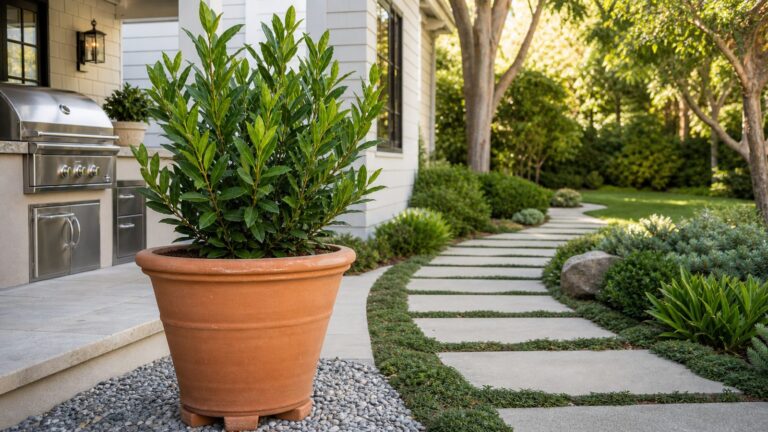
Bay laurel (Laurus nobilis), also called sweet bay or true bay, grows best with bright light, well-drained soil and watering that follows soil dryness rather than a fixed calendar. In mild climates it can grow outdoors; where winters bring frost, a container makes it easier to move the plant indoors. Regular pruning keeps this slow-growing woody shrub manageable, and established plants can provide leaves for cooking.
Choose the right bay laurel and growing setup
This guide concerns culinary bay, Laurus nobilis, a Mediterranean evergreen tree or shrub. The common name “bay” is also used for other plants: California bay is Umbellularia californica, a different species. Check the botanical name when buying a plant.
As an Amazon Associate I earn from qualifying purchases.
Your main choice is whether to plant in the ground or grow bay in a movable container.
Recommended Free Tools
| Consideration | In-ground | Container |
|---|---|---|
| Climate | Best suited to mild sites with limited frost exposure. Hardiness is described approximately around USDA Zone 8 or 8b; performance depends on the region and site. | A practical option in colder climates because the plant can be moved indoors before frost. |
| Size and shape | Can become a substantial shrub or tree if left unpruned. | Pot size and pruning help keep it smaller, but maintenance is needed. |
| Winter care | In marginal climates, protection depends on local conditions and site. | Requires indoor space and a bright location during cold weather. |
| Getting started | Seed and cuttings are possible but can be slow or unreliable. | An established plant is the simplest practical start; ask for Laurus nobilis by name. |
Planting outdoors
In a climate mild enough for bay, choose a site with full sun to partial shade and well-drained soil. Bay is often described as hardy around USDA Zone 8 or 8b, but that is an approximate guide rather than a guarantee for every garden.
#1 Best Overall
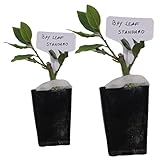
- This variety of bay leaf plants are usually grown from seed. Usualy grows larger and has smaller leaves than Saratoga. It is also more spread out. Has a stronger flavor. Saratoga is better for potting.
- Bay leaf has been used in cooking since ancient times fresh or dried. Leaves used in Roman laurel wreath. Fragrant flowers bloom in spring. Craft bushes into hedges or shaped into topiary shapes. Grown in containers or in the ground.
- The standard variety is better suited for planting in the ground because grows faster and into larger trees. Saratoga is better for pots because of compact growth. The Bay Leaf Tree can be grown in container about 4 to 6 feet tall with pruning. It can also grow outdoors with good sun up to 4 feet per year to heights of 50 to 60 ft. It can grow in zones 8-10 outside. In other zones it can be grown in a container and brought in when the weather becomes colder.
- We provide a detailed care instructions. We provide support and advise on best growth practices. Bio-degradable container: Lets Roots Grow Out, Water and Air pass in. Plants need sun. Minimize the risk of injuring the plant by opening the package as soon as its delivered.
- Plants use sunlight to fight disease. Reduce stress to your plant in your mailbox by opening the package and feeding it light with water as soon as it is delivered. Improve your chances of getting a healthy plant by upgrading delivery. We will help you succeed and resolve any problems with your plants if you send us a photo as soon as you open your package.
Planting in a container
Choose a pot with drainage holes and a high-quality, well-drained potting mix. Iowa State University Extension advises choosing a pot one size larger than the transplant’s root ball; terra-cotta or clay is one option, not a requirement. A container-grown plant can still become woody and sizable, so plan to prune and repot as it grows.
Give bay bright light and well-drained roots
Light indoors and outdoors
Bay grows in full sun or partial shade. Indoors, place it in the brightest available spot, such as a sunny south-facing window. UC Master Gardeners’ guidance for indoor plants calls for six hours of bright window light or 12–16 hours of supplemental fluorescent or LED light; treat these as that source’s recommendations, not universal thresholds. Cooler indoor conditions are preferable where practical.
When moving a plant outdoors, let it adjust to the change in light and conditions. A brief period of leaf drop can occur after a move, but it is a clue to monitor the plant rather than a diagnosis.
Free tools Windows power users keep installed
One-click scans. No signup required.
Water according to the mix
For a container, check the potting mix and water when its top layer begins to dry. Iowa State suggests checking the top inch. The right interval changes with pot size, weather and active growth, so a fixed weekly schedule is unreliable. Bay tolerates some short dry periods, while persistently wet roots and poor drainage increase the risk of root rot. Yellow leaves can accompany overwatering or poor drainage.
Regional recommendations differ for good reason: UC Master Gardeners’ Santa Clara County guidance describes low water use and deep watering every two to three weeks in summer, while container advice from Iowa and Illinois focuses on how dry the potting mix has become. Use local guidance for an established in-ground plant and the dryness of the mix for a container.
Rank #2

- Saratoga Bay vs. Standard Bay: Saratoga Bay features longer, narrower leaves and a milder flavor compared to the broader, more pungent leaves of standard bay—ideal for refined culinary use and ornamental growth in pots or small spaces.
- Bay leaf has been used in cooking since ancient times fresh or dried. Leaves used in Roman laurel wreath. Fragrant flowers bloom in spring. Craft bushes into hedges or shaped into topiary shapes. Grown in containers or in the ground.
- The Bay Leaf Tree can be grown in container about 4 to 6 feet tall with pruning. It can also grow outdoors with good sun up to 4 feet per year to heights of 50 to 60 ft. It can grow in zones 8-10 outside. In other zones it can be grown in a container and brought in when the weather becomes colder.
- We provide a detailed care instructions. We provide support and advise on best growth practices. Bio-degradable container: Lets Roots Grow Out, Water and Air pass in. Plants need sun. Minimize the risk of injuring the plant by opening the package as soon as its delivered.
- Plants use sunlight to fight disease. Reduce stress to your plant in your mailbox by opening the package and feeding it light with water as soon as it is delivered. Improve your chances of getting a healthy plant by upgrading delivery. We will help you succeed and resolve any problems with your plants if you send us a photo as soon as you open your package.
Feed conservatively
Fertilizer schedules vary among extension recommendations. Iowa State suggests a spring slow-release fertilizer or half-strength all-purpose fertilizer every six to eight weeks; Illinois Extension gives a more frequent liquid-feeding schedule during the growing season. Follow the fertilizer label and local extension advice rather than treating either schedule as universal.
Move container bay through the seasons
Bay is frost-sensitive. In cold climates, keep it in a container and bring it indoors before frost; move it back outside only after frost danger has passed. Use local frost dates and forecasts for timing. Iowa State’s dates of mid-May for moving plants out and mid-September for bringing them in, along with its cue to bring plants indoors before nighttime lows fall below about 40°F, are Iowa-specific practical guidance—not universal cutoffs.
Winter indoors
Put the plant in the brightest available indoor location and keep it cool if practical. As growth and evaporation slow, reduce watering, but do not apply the same reduced schedule to every room: a cool, dormant plant needs less water than one kept in a warmer indoor space. Check the mix before watering.
Inspect the leaves and stems when bringing the plant indoors. Scale is a recurring problem, particularly indoors; spider mites, psyllids, thrips and sooty mold are also reported. Regular checks help you notice trouble early.
Independent reader supportYour contribution helps us test, update, and keep practical guides available for everyone.Prune, repot and propagate
Keep its size under control
Unpruned landscape specimens can reach tens of feet; UC Master Gardeners describes a possible landscape height of 20–40 feet. Bay grows slowly and tolerates shaping, so periodic pruning can maintain a compact shrub, hedge or topiary form. Wisconsin Extension recommends annual pruning once established. Prune according to your goal—shape, size control or access to leaves—rather than assuming a young nursery plant will stay small on its own.
Rank #3

- You will receive 1 Bay Leaf (Bay Laurel) plant, 8–10 inches tall, well-rooted in a pot
- It is perfect for indoor spaces, patios, or small gardens
- The plant prefers plenty of sunlight and light watering
- Use well-drained soil and avoid overwatering
- It features glossy dark green leaves and a compact, bushy growth habit that can be shaped .
When repotting, Wisconsin Extension recommends checking the roots at least every two years and discusses root pruning or refreshing the growing medium. Base repotting work on the plant’s roots and available space.
Do these 3 things before closing this tab:
1Repair Windows errors before they cause bigger problems2Scan for outdated or missing drivers - takes under a minute3Clear out junk files and repair common Windows errorsChoose a starting method
Seed germination can be poor or erratic, and cuttings are difficult and may take months. Fresh seed, half-ripe summer cuttings and air-layering are possible methods, but effort and success vary. For the most straightforward start, buy an established live plant clearly identified as Laurus nobilis.
Harvest and use the leaves safely
Once the plant is established, take leaves as needed through the year. UC Master Gardeners notes that larger, older leaves tend to have stronger flavor. Use leaves fresh or dry them; drying concentrates their oils, according to Wisconsin Extension.
Remove whole bay leaves from soups, sauces and other dishes before serving. The leaves remain stiff and can be a choking hazard.
Quick Recap
Troubleshoot common symptoms
- Yellowing leaves: Overwatering or poor drainage may be involved. Check that water can drain freely and let the mix begin to dry before watering again.
- Leaf drop after a move: A change between indoor and outdoor conditions can prompt leaf drop as the plant adjusts. Check light, temperature and watering, and watch whether the condition continues.
- Sticky residue or dark coating: Inspect for scale and sooty mold. Also check for spider mites, psyllids and thrips, especially on plants kept indoors.
- Decline in persistently wet soil: Poor drainage can contribute to root rot and other disease problems, including phytophthora. Improve drainage and avoid keeping roots wet.
Product prices and availability are accurate as of the date/time indicated and are subject to change. Any price and availability information displayed on Amazon at the time of purchase will apply.
What’s actually slowing this PC down?
Pick the symptom - the matching free tool is one click away.