Free tools Windows power users keep installed
One-click scans. No signup required.
An Easter lily can become a garden perennial after its spring display ends, but it needs time to recover. Keep the green foliage growing, water without saturating the soil, then plant it outdoors after frost in a sunny, well-drained location. Do not expect a forced Easter lily to bloom again immediately: its natural outdoor flowering period is usually midsummer, and it may not rebloom during the first year after purchase.
What an Easter lily is—and what to expect
The familiar Easter lily is the fragrant, white, trumpet-flowered plant sold as a forced potted plant around Easter. It is generally identified as Lilium longiflorum; some current taxonomic treatments use Lilium wallichianum, formerly L. longiflorum.
Although it is a perennial bulb, a florist or grocery-store Easter lily has been chilled and scheduled in a greenhouse so it flowers in spring. Outdoor plants normally bloom in July or August. After the forced flowers fade, the bulb must use its leaves to rebuild its energy reserves. That is why a healthy plant may remain green for weeks, die back in early summer, and then flower on its natural schedule in a later season.
As an Amazon Associate I earn from qualifying purchases.
Results vary with the bulb, growing conditions, and climate. A gift plant may survive and rebloom, but no care method can guarantee that every forced Easter lily will flower again.
Choose a healthy Easter lily
If you are buying a plant, choose one with:
- Dense, evenly green leaves along the stem.
- No yellowing, dark spotting, wilting, or mushy tissue.
- No visible insects, webbing, or chewing damage.
- Several firm, unopened buds, with only one or two flowers already open for the longest indoor display.
Remove the paper or plastic sleeve when you bring the plant home. Sleeves can restrict air circulation and conceal drainage holes. If the decorative foil is attractive, remove it whenever you water and replace it only after excess water has drained completely.
#1 Best Overall

- Impressive Height – Growing between 36 to 48 inches tall, Indian Summerset lilies add vertical interest to garden beds, borders, and containers, making them a striking focal point.
- Ideal for Cut Flowers – These lilies are excellent for floral arrangements, with strong stems and long-lasting blooms that maintain their vibrancy in vases. Cut them fresh to create stunning, colorful bouquets for the home.
- Low Maintenance & Easy to Grow – Thrives in well-drained soil and full sun to partial shade. Once established, these lilies require minimal care, making them a perfect choice for beginner and experienced gardeners alike.
- Versatile Planting Options – Perfect for flower beds, borders, cottage gardens, and large containers. Pair with other summer perennials like coneflowers, daylilies, or ornamental grasses for a layered, colorful garden.
- Hybrid Excellence – A unique cross between Easter and Asiatic lilies, this hybrid combines the best of both worlds: the early blooming nature and sturdy stems of Asiatic lilies with the elegant form and light fragrance of Easter lilies.
Indoor Easter lily care while it is flowering
Light and temperature
Place the plant in bright, indirect light. A bright window is suitable, but protect the leaves and flowers from intense afternoon sun, which can overheat the plant and shorten the display. Keep it away from radiators, heating vents, fireplaces, and cold drafts.
Daytime temperatures around 60–65°F can help flowers last longer. Slightly cooler nights are usually beneficial, provided the plant is not exposed to freezing temperatures or abrupt temperature changes.
Crashes, No Sound, or Screen Glitches?
Random freezes, missing sound and display glitches usually trace back to one bad driver. Find and replace yours safely.Free scan · under a minuteWindows Errors? Fix Them Before They Spread
Repair common Windows errors and clear accumulated junk for a smoother, more stable PC - no reinstall needed.Free scan · no reinstallWatering
Keep the growing medium evenly moist, but allow the surface to dry slightly before watering again. Check the soil with a finger rather than watering on a fixed calendar: pot size, room temperature, light, and the potting medium all affect how quickly it dries.
- Feel the top of the growing medium.
- Water thoroughly when the surface has begun to dry.
- Let excess water run through the drainage openings.
- Empty any saucer and do not leave the pot standing in water.
Persistent saturation deprives the roots of oxygen and increases the risk of bulb and root rot. Decorative foil sleeves are a common cause of trapped water, so either remove the sleeve or make sure every drainage opening remains unobstructed.
Flowers and pollen
The yellow anthers produce pollen that can stain furniture, clothing, and petals. You can carefully remove the anthers as each flower opens if cleanliness is a concern. This is an appearance and housekeeping measure—not a guaranteed way to extend flower life.
When a flower fades, pinch or snip it off where it attaches to the stem. Removing spent flowers prevents the plant from putting energy into seed production and keeps the plant tidy. Leave the healthy stem and leaves intact.
Do these 3 things before closing this tab:
1Clear out junk files and repair common Windows errors2Scan for outdated or missing drivers - takes under a minute3Repair Windows errors before they cause bigger problemsWhat to do after the flowers fade
Do not cut off healthy green stems or leaves after flowering. The foliage continues photosynthesizing and sends stored energy back into the bulb. That energy is important for survival and future flowering.
Rank #2
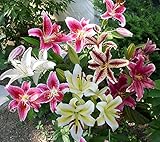
- Height: 24-36" - Bloom Time: Summer
- Bulb size: 14/16cm - Hardiness zone: 3-9
- Planting time: Spring
- Fragrant blooms!
Move the plant to a bright location and continue watering whenever the growing medium begins to dry. While it is actively growing, apply a diluted, balanced fertilizer according to the product label. A practical post-bloom schedule is diluted feeding about every two weeks, but fertilizer cannot compensate for poor light, waterlogged soil, or inadequate drainage.
Remove only the faded flowers at first. Wait until the leaves and stem turn yellow or brown naturally. Once the above-ground growth has died back, cut it at soil level with clean snips. Cutting green foliage prematurely can reduce the bulb’s stored energy and make reblooming less likely.
Move the Easter lily outdoors after frost
Wait until the danger of frost has passed in your area. The correct date depends on local climate; a plant that is safe to move outside in late spring in one region may be damaged by cold nights in another. Harden it off first rather than moving it directly from a protected room into wind and strong sunlight.
Over approximately a week, place the plant outdoors in a sheltered, shaded or lightly shaded position for a few hours at a time. Gradually increase its exposure to outdoor light and wind. Bring it inside or provide protection if freezing temperatures are forecast.
Choose the planting site
Select a sheltered site with:
- Full sun to part shade. The stems and leaves need light, while the roots benefit from cool, consistently moist conditions.
- Rich, organic soil.
- Excellent drainage.
- Protection from strong wind where possible.
Heavy, waterlogged soil is a major risk because Easter lily bulbs can rot. If the soil stays wet after rain, improve the planting area or use a raised, well-drained location rather than repeatedly adding water.
A layer of mulch or low groundcover around—but not tightly against—the plant can shade the root zone and conserve moisture. Do not bury the stem deeply with mulch or create a permanently wet collar around it.
Plant a forced potted lily
- Dig a hole at least 6 inches deep, or follow the planting depth recommended with the plant.
- Water the plant before transplanting if the root ball is dry.
- Slide it from the container carefully and loosen circling roots gently.
- Set it at approximately its original soil level, unless the nursery’s instructions specify otherwise.
- Backfill with soil and water thoroughly.
- Maintain consistent moisture during establishment without saturating the soil.
A tall stem may need support if wind or the weight of flowers causes it to lean. Use a stake and loose ties rather than binding the stem tightly.
Recommended Free Tools
Plant a dormant bulb
If you are buying a bulb specifically for outdoor planting, verify that it is identified as an Easter lily or Lilium longiflorum. A generic “lily” bulb is not necessarily the same plant.
Rank #3
- Impressive Height – Growing between 36 to 48 inches tall, Indian Summerset lilies add vertical interest to garden beds, borders, and containers, making them a striking focal point.
- Ideal for Cut Flowers – These lilies are excellent for floral arrangements, with strong stems and long-lasting blooms that maintain their vibrancy in vases. Cut them fresh to create stunning, colorful bouquets for the home.
- Low Maintenance & Easy to Grow – Thrives in well-drained soil and full sun to partial shade. Once established, these lilies require minimal care, making them a perfect choice for beginner and experienced gardeners alike.
- Versatile Planting Options – Perfect for flower beds, borders, cottage gardens, and large containers. Pair with other summer perennials like coneflowers, daylilies, or ornamental grasses for a layered, colorful garden.
- Hybrid Excellence – A unique cross between Easter and Asiatic lilies, this hybrid combines the best of both worlds: the early blooming nature and sturdy stems of Asiatic lilies with the elegant form and light fragrance of Easter lilies.
Plant dormant bulbs with the growing point facing upward, about 4–6 inches deep and 12–18 inches apart. Fall planting is generally preferred where suitable bulbs are available, although spring planting can work and may result in later flowering.
Watering, feeding, and winter protection outdoors
Water thoroughly after planting and keep the soil consistently, moderately moist while roots establish. Allow excess water to drain. During rainy periods, do not add irrigation simply because a calendar says it is watering day.
Continue feeding with a diluted, balanced fertilizer during active growth according to the label. Stop treating fertilizer as a rescue measure if the plant has yellowing leaves, poor drainage, or suspected rot; correct the growing conditions first.
The plant may die back in early summer after its forced bloom. That is not necessarily a failure. Continue caring for it while it is green, and allow the foliage to yellow naturally before cutting it back.
Hardiness depends on the region, cultivar, and whether the plant has been forced for sale. Extension guidance places Easter lilies broadly in Zones 4–8 or 5–11, with possible protected survival in colder Zone 4 locations. Those ranges are not interchangeable guarantees. Use the more conservative recommendation from your local extension office, garden center, or nursery.
In a marginal climate, apply a substantial layer of mulch or straw after the ground has cooled. Remove excess winter protection in spring when new shoots emerge. Avoid uncovering the plant so early that new growth is exposed to a hard freeze.
Common pests and diseases
Inspect leaves, stems, and the soil surface regularly for spotting, chewing, insects, or signs of rot. Lily problems can include aphids, thrips, slugs, snails, lily beetles where they occur, wireworms, rabbits, and voles. Pest pressure and pesticide rules vary by location, so consult a reputable local extension office before choosing a treatment.
What’s actually slowing this PC down?
Pick the symptom - the matching free tool is one click away.
Rank #4

- BRIGHT AND CHEERFUL FLOWERS: When these rain lily plants are ready to bloom in late summer and early fall you will notice a flush of flowers after you water (thus the name, Rain Lily) Blooming persists over a three to four week period.
- AMAZING GARDEN COLOR: Add these stunning white flowers to your garden or containers and be rewarded with the beauty of its blooms all season
- NON-GMO: Good for the environment and bees and Monarch Butterflies like these alot!
- CZ GRAIN GUARANTEE: We guarantee these trees to grow fast and change the scenery!
Two serious problems associated with Easter-lily production are basal rot caused by Fusarium oxysporum f. sp. lilii and bulb mites. At home, prevention is more reliable than trying to rehabilitate a badly rotted bulb:
- Start with a firm, healthy bulb or plant.
- Use soil or potting mix that drains freely.
- Avoid leaving the container in standing water.
- Remove badly diseased plant material and keep it away from healthy bulbs.
Do not assume that every yellow leaf indicates disease: older foliage naturally declines as the plant enters dormancy. Look for the combination of persistent wet soil, foul odor, mushy tissue, spreading lesions, or a collapsing bulb.
Cat safety: treat Easter lilies as an emergency risk
Easter lilies are highly toxic to cats. Cats can be exposed by eating any part of the plant, licking pollen from their fur, or possibly drinking water from a vase containing lilies. Reported effects include vomiting, loss of appetite, lethargy, kidney failure, and death.
Keep the living plant, fallen pollen, cut flowers, and contaminated water completely away from cats. If a cat may have touched or ingested an Easter lily, contact a veterinarian or animal poison service immediately—do not wait for symptoms to appear.
The Tool Desk
Outbyte Driver Updater FREEScan for outdated or missing drivers - takes under a minuteDriver Scan →Outbyte PC Repair FREEClear out junk files and repair common Windows errorsFree Scan →ASPCA lists Easter lily as non-toxic to dogs and horses, but that does not make the plant safe to ingest. Prevent access by all pets and children, and clean up fallen pollen promptly.
Independent reader supportYour contribution helps us test, update, and keep practical guides available for everyone.Supplies that solve specific care problems
You do not need a large collection of equipment. The useful choices are the ones that address drainage, support, feeding, or seasonal protection:
- A pot with drainage holes and well-draining potting mix are useful when a container lacks adequate drainage or its medium remains wet. Repotting is not mandatory for a healthy retail plant that already drains properly.
- Perlite soil amendment can optionally improve aeration in a container mix, but check current availability and use it as part of an appropriate potting mix rather than as a substitute for drainage holes.
- Easter lily bulbs can be a better starting point for an outdoor perennial than a spent forced plant, provided the listing identifies the plant accurately as an Easter lily or Lilium longiflorum and gives suitable regional guidance.
- A balanced bulb fertilizer, garden mulch for winter protection, lily plant stake, and pruning snips are optional maintenance supplies for active growth, winter protection, leaning stems, and clean removal of dead growth.
Product availability, plant identity, and hardiness information can change seasonally, especially on marketplace listings. Confirm those details before buying.
Best Value

- STUNNING SWORD LILY: Perennial Gladiolus flowers are a stunning addition to your garden, landscaping, or container grow Grows up to 48 inches.
- UNIQUE PLANTS: Turn heads with these fast growers and big bloomers. Stunning color and shapes to use and express in bonsai art.
- GROWING TIPS: Plant 1-2 inches deep after the frost has passed. Use CZ Grain soil for optimal flower blooms.
- CZ GRAIN GUARANTEE: Buy with confidence from CZ Grain. Reach out with any questions or concerns for a fast and simple solution.
Frequently Asked Questions
Will an Easter lily bloom again the same year?
Usually not. Forced plants are scheduled to bloom in spring, while outdoor Easter lilies generally flower in July or August. Some may rebloom after planting, but first-year rebloom should not be expected.
Quick wins for a faster PC:
Scan for outdated or missing drivers - takes under a minuteDriver Scan →Clear out junk files and repair common Windows errorsFree Scan →Fix the driver behind crashes, sound loss and screen glitchesFind Drivers →Can an Easter lily be planted outside?
Yes, after frost danger has passed and the plant has been acclimated to outdoor conditions. Plant it in full sun to part shade with rich, well-drained soil, and protect it from waterlogging.
Should I cut back an Easter lily after it blooms?
Remove faded flowers, but leave green stems and leaves in place. Cut the growth to soil level only after it has turned yellow or brown naturally.
Are Easter lilies poisonous to cats?
Yes. Easter lilies can cause severe kidney failure and death in cats. Keep every part of the plant and any vase water away from cats, and contact a veterinarian immediately after suspected exposure.
How deep should an Easter lily bulb be planted?
Plant a dormant bulb about 4–6 inches deep with the growing point upward. A forced potted plant transplanted outdoors is commonly planted at least 6 inches deep, at roughly its original soil level, following the nursery’s instructions.
The Bottom Line
To give an Easter lily its best chance as a perennial, protect it from soggy soil, keep its green foliage growing after the flowers fade, move it outdoors only after frost, and let the foliage die back naturally. Expect its next flowers on a midsummer schedule—not necessarily the following Easter—and never keep the plant where a cat can reach it.
Quick Recap
Product prices and availability are accurate as of the date/time indicated and are subject to change. Any price and availability information displayed on Amazon at the time of purchase will apply.

