Quick wins for a faster PC:
Clear out junk files and repair common Windows errorsFree Scan →Scan for outdated or missing drivers - takes under a minuteDriver Scan →Repair Windows errors before they cause bigger problemsFix Now →To get rid of stink bugs for the long term, seal them out first. Vacuum or trap the bugs already indoors, then repair the gaps around doors, screens, vents, utility lines, and trim that let them enter in fall. This is a U.S.-focused guide to the common brown marmorated stink bug.
The lasting way to get rid of stink bugs in a house is to block their entry routes, remove the bugs already inside, and stop relying on sprays as the main solution. For the common brown marmorated stink bug, “for good” means dramatically reducing future fall invasions—not eliminating the insects from the neighborhood or garden. They are coming to the building for winter shelter, so the most effective fix is building-envelope maintenance.
As an Amazon Associate I earn from qualifying purchases.
Start by confirming that it is a stink bug
This guidance is aimed at the brown marmorated stink bug (BMSB), a widespread invasive species in the United States. Adults are shield-shaped and mottled brown, about 14–17 mm long. Look for alternating pale and dark bands along the exposed edge of the abdomen and on the last segments of the antennae. Other insects can look similar, so confirm the identification before choosing any treatment.
Crashes, No Sound, or Screen Glitches?
Random freezes, missing sound and display glitches usually trace back to one bad driver. Find and replace yours safely.Free scan · under a minuteWindows Errors? Fix Them Before They Spread
Repair common Windows errors and clear accumulated junk for a smoother, more stable PC - no reinstall needed.Free scan · no reinstallBMSB adults do not reproduce indoors, bite people or pets, spread disease, bore into wood, or damage the home’s structure. Their odor is the chief nuisance, although some people may be sensitive to their allergens.
#1 Best Overall
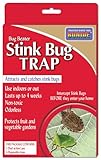
- Attracts and Traps - Bonide Bug Beater Stink Bug Traps use pheromone technology to safely lure stink bugs from around your home, garden, fruit trees and landscape plants. Once they land on our super tacky glue panels they are stuck.
- Brown and Green Stink Bugs - Our dual action pheromone lure attracts and traps both Brown Marmorated and Green Stink Bugs from up to 50 feet away.
- Indoor and Outdoor Use - These odorless traps can be conveniently placed indoors or outdoors to protect your fruit and vegetable garden or your home.
- Long Lasting - Lure will last up to 4 weeks. It is in a controlled release dispenser that allows the pheromone to dispense steadily over a 28 day period. For best results, place trap near a light source.
- Complete Trap Kit - Each Stink Bug Trap kit contains 1 dual action lure and 3 disposable traps. Once a trap is full, simply remove the lure, throw out the trapped bug panel and stick the lure on another sticky trap.
Why stink bugs suddenly show up indoors
In early fall, adult stink bugs gather on sunny exterior walls and look for protected voids where they can overwinter. Small openings around trim, doors, screens, vents, utility penetrations, and foundations give them access. In established areas, a home can admit hundreds or even thousands.
Once inside wall or ceiling voids, bugs may emerge during a warm winter spell or when indoor heat and light activate them. A messy house is not the cause. The real issue is access to the structure.
Seal the house before fall: the long-term fix
Plan a daylight exterior inspection before the seasonal migration begins. Work methodically around the home and concentrate on every transition between building materials. If you can see daylight around an exterior door or screen, insects can often find a way through it.
The Tool Desk
Outbyte PC Repair FREERepair Windows errors before they cause bigger problemsFix Now →Outbyte Driver Updater FREEFix the driver behind crashes, sound loss and screen glitchesFind Drivers →Exterior stink-bug exclusion checklist
- Exterior doors: Check weather-stripping at the jambs and header. Install a tight door sweep or threshold seal at the bottom; daylight under a door is a high-priority repair.
- Windows and screens: Repair or replace torn screens, screens that do not sit tightly in their frames, and damaged window seals.
- Utility penetrations: Inspect around pipes, wiring, cable lines, hose bibs, dryer vents, window air conditioners, and other penetrations through siding or masonry.
- Trim and cladding: Look around window and door frames, siding joints, fascia, soffits, and transitions where trim meets the wall.
- Foundation and lower structure: Check cracks, crawlspace access points, and openings where the foundation meets siding or masonry.
- Upper openings: Check gable vents, attic vents, chimney openings, and other elevated gaps. Use safe access practices; hire help for areas that cannot be inspected safely.
Choose the right repair for the opening
| Condition | Practical repair | What to check afterward |
|---|---|---|
| Small, stable exterior crack or trim gap | Use an exterior-appropriate silicone or silicone-latex caulk. | The joint is continuous, adhered, and suitable for the materials being joined. |
| Larger concealed void where foam is appropriate | Use a suitable foam sealant carefully, then protect or finish it as needed for the location. | Do not block required drainage, combustion-air, or ventilation paths. |
| Door-bottom gap | Install or replace a tight exterior door sweep and adjust the threshold if applicable. | The door closes and latches without excessive drag, with no visible daylight below. |
| Torn screen or loose screen frame | Repair the screen material or replace the screen. | The mesh and frame sit tight on all sides. |
| Vent or chimney opening | Use an appropriate screen or cap while preserving the opening’s intended function. | Never compromise required venting or safe operation of fuel-burning equipment. |
Useful supplies: exterior-grade caulk, repair screen material, a flashlight, inspection mirror, and door sweep weather stripping. A door sweep is an especially worthwhile purchase when a visible bottom gap is the problem, but no single product can seal an entire house.
How to remove stink bugs already inside
Vacuum them up
Vacuuming is usually the quickest option for live or dead bugs on walls, windowsills, floors, and accessible ceilings. Empty or seal the collection promptly. The vacuum bag, canister, hose, or filter may retain odor temporarily, so a dedicated shop vacuum or a collection setup that keeps bugs out of the main household vacuum can be convenient during a heavy invasion.
Rank #2

- Plant-Powered Stink Bug Repellent for Home & Garden - Smart Grower Natural Stink Bug Spray uses a botanical essential oil blend to help repel stink bugs indoors and outdoors. Ideal for windows, doors, patios, siding, and garden areas where stink bugs commonly gather.
- Stain-Free Formula Safe for Fabrics & Surfaces Designed for use on curtains, couches, carpets, and other household fabrics without staining or residue. A practical alternative to harsh stink bug insecticide sprays for everyday home care.
- Family & Pet Friendly When Used as Directed* Made with plant-derived ingredients and no harsh synthetic chemicals. Suitable for households with kids, pets, and plants looking for a safer stink bug spray indoor solution.
- Fresh Botanical Scent — No Chemical Odor Infused with peppermint and other essential oils to leave a clean, refreshing aroma. Helps maintain a comfortable living space without the heavy smell associated with traditional stink bug killers.
- Simple Ready-to-Use Application Just shake and spray where stink bugs are commonly found. Works well as a standalone stink bug repellent or alongside stink bug traps indoor and outdoor as part of a complete home protection routine.
Do not crush stink bugs if you can avoid it; crushing releases their defensive odor. For one or two insects, brush them into a container of soapy water instead.
Use a light-and-soapy-water trap for nighttime activity
- Place a shallow metal pan in a dark room where bugs are appearing.
- Add water and a few drops of dish soap.
- Aim a light into the pan.
- Check and empty the trap as needed.
The light attracts active bugs and the soapy water captures them. This can reduce the number you see indoors, but it does not replace sealing the routes they used to enter.
What usually does not solve the problem
Indoor foggers and bug bombs
Do not use foggers as a response to a seasonal stink-bug invasion. They may kill insects directly exposed to the product, but they do not reliably reach bugs hidden in wall voids or prevent more from emerging later. They also add unnecessary pesticide exposure and can create other safety hazards if used contrary to their label.
Routine indoor or exterior spraying
An insecticide may kill stink bugs it contacts, but spraying is not a durable exclusion strategy. Exterior residues break down, and bugs can still find another unsealed gap. Put the effort first into screens, caulk, weather-stripping, sweeps, and repairs.
Rank #3

- Traps and kills spiders, ants, cockroaches, crickets and other crawling insects
- Kills Brown Recluse, Black Widow and Hobo Spiders
- Non-toxic and pesticide-free
If you are considering any pesticide, use only a product that is currently registered and whose current label explicitly permits the target pest, exact location, surface, and application method. In the United States, the label is legally enforceable. Never assume an old recommendation, a general active ingredient, or an outdoor product is approved for indoor cracks, living areas, food areas, plants, or other unlisted sites.
When a pest professional or contractor makes sense
Call a qualified pest-control professional when exterior congregations are persistent and heavy, entry points are inaccessible, or you need help interpreting whether a pesticide label permits a proposed use. A professional may also assess nearby foundation vegetation or exterior congregating sites with products registered for residential outdoor use.
What’s actually slowing this PC down?
Pick the symptom - the matching free tool is one click away.
For recurring problems tied to high vents, failed trim, difficult roofline transitions, damaged screens, or extensive envelope gaps, a building-maintenance professional may be the better first call. The goal is to correct the path into the building, not simply treat the symptom after bugs are indoors.
If the stink bugs are damaging your garden instead
Garden feeding is a different problem from a fall home invasion. Stink bugs can feed on tomatoes, peppers, beans, fruit, and other plants. Start with integrated pest management:
Rank #4

- Catch Flying Insects 24/7: This plug-in flying insect trap uses blue & UV light to attract and catch house flies, fruit flies, gnats, and flying pests. Its continuous attraction helps catch insects day and night for everyday indoor flying pest control.
- No-Mess Adhesive Cartridge: Disposable glue cartridge works like bug sticky traps by holding trapped insects hidden on the wall-facing adhesive pad, while the no-mess tab makes cartridge removal simple when it is time to toss and replace.
- Spray-Free, Zap-Free, Odor-Free Design: This quiet fly trap helps quickly and continuously control small flying insects indoors without spraying, zapping or added odors, making it a discreet everyday option in kitchens, living rooms, bathrooms, enclosed patios, and other indoor spaces.
- Family-Friendly Fly Trap: Safe for use around children and pets when used as directed.* Works best placed near the source - fruit bowls, trash bins and indoor plants, where flying insects and fungus gnats gather.
- Year-Round Indoor Fly Control: Blinking blue light reminds you to check the cartridge every six weeks. Includes 2 devices & 2 cartridges for everyday fly control in your kitchen and home. Stock up on refills or choose a Value Pack to keep a fly catcher in every room.
- Inspect plants, including leaf undersides, and remove bugs and egg masses by hand.
- Brush collected insects into soapy water.
- Use row covers where practical to prevent feeding.
- Consider trap crops or pheromone traps as part of a broader plan, not as a stand-alone cure.
- Seek current local guidance from your Cooperative Extension service when crop loss is significant.
Row covers can exclude pests, but they can also exclude pollinators from flowering plants, tear in wind, trap heat in hot conditions, and are impractical for large fruit trees. Do not buy or release “samurai wasps” or other biological-control insects as a DIY solution; research continues on their ecological effects, including effects on native stink bugs.
Independent reader supportYour contribution helps us test, update, and keep practical guides available for everyone.A simple seasonal plan
| When | What to do | Why it matters |
|---|---|---|
| Late summer to early fall | Inspect exterior gaps; repair screens; seal suitable openings; renew door weather-stripping and sweeps. | This is the best opportunity to interrupt the fall search for winter shelter. |
| During a fall invasion | Vacuum or capture indoor bugs; continue targeted exterior repairs where safe. | Mechanical removal reduces the immediate nuisance without pretending to solve the entry problem chemically. |
| Winter warm spells | Vacuum emerging bugs; use the light-and-soapy-water trap if useful. | Bugs already in voids may become active even after exterior repairs are complete. |
| Spring | Clear remaining bugs and reassess any gaps found during the season. | Documenting the routes now makes the next pre-fall exclusion check faster and more effective. |
Bottom line
You cannot make outdoor stink bugs disappear permanently, but you can make your home much harder for them to enter. Seal the building envelope before fall, close the door-bottom gaps, repair screens, remove indoor bugs mechanically, and reserve pesticides for a verified, label-approved use or a professional assessment. That combination is the closest thing to getting rid of stink bugs for good.
Frequently Asked Questions
Do stink bugs breed inside the house?
No. Brown marmorated stink bugs do not reproduce inside homes, bite people or pets, spread disease, bore into wood, or cause structural damage. They enter primarily to find winter shelter.
Why am I seeing stink bugs after I sealed gaps?
Not necessarily. Bugs already sheltered in wall or ceiling voids can emerge during warm winter weather or when indoor heat and light activate them. Continue vacuuming visible bugs while exterior repairs prevent future entry.
Best Value

- Great non-toxic way of catching rodents and insects.
- The glue covered surface measures 4.5"X 6.5" (The whole trap is 5.25"X 7.75")
- Can be used as flat or folded and placed where rodent or other target pests activities have been observed.
- Includes 12 peanut butter scented glue boards
- Boards are scented
Do door sweeps help keep stink bugs out?
A tight exterior door sweep or threshold seal is one of the most useful fixes because even a small door-bottom gap can admit insects. Check that the door still closes and latches correctly after installation.
Should I use a bug bomb for stink bugs?
Do not rely on an indoor fogger. It will not reliably reach stink bugs hidden in wall voids or prevent later emergence. Mechanical removal and exclusion are the more durable approach.
Do these 3 things before closing this tab:
1Repair Windows errors before they cause bigger problems2Scan for outdated or missing drivers - takes under a minute3Clear out junk files and repair common Windows errorsThe Bottom Line
For recurring fall stink bugs, spend your budget on exclusion first: door sweeps, weather-stripping, screen repair, and properly sealed exterior gaps. Vacuum the insects already inside; do not expect foggers or routine spraying to provide lasting control.
Quick Recap
Product prices and availability are accurate as of the date/time indicated and are subject to change. Any price and availability information displayed on Amazon at the time of purchase will apply.

