Recommended Free Tools
To get rid of maggots in a trash can, remove the infested garbage, treat larvae left in the empty can, scrub away organic residue, disinfect safely, and dry the bin completely. Maggots are fly larvae, and sanitation—not simply killing the visible larvae—is what prevents the infestation from returning.
The reliable way to get rid of maggots in a trash can is to remove the infested garbage, kill any larvae left behind, scrub away food residue, disinfect the empty can according to the product label, and dry it completely. Maggots are fly larvae. Killing the visible larvae without removing the damp, decaying material that attracted the flies usually leads to another infestation.
As an Amazon Associate I earn from qualifying purchases.
Some larvae may crawl out of the can because they seek a drier place to pupate. In warm conditions, blow-fly larvae can reach full size in roughly two or three days, and some flies can emerge as adults in about 7–14 days. That is why a small problem can appear to become serious quickly.
What’s actually slowing this PC down?
Pick the symptom - the matching free tool is one click away.
How to get rid of maggots in a trash can
1. Remove the infested garbage first
Do not try to clean a can while the infested bag is still inside. The garbage is the breeding material, so removing it is the most important step.
#1 Best Overall

- Dowell 50L Wastebasket Trash Container Dimensions (W x D x H): 14.38"W x 9.88"D x 22.38"H; Bottom/Base Dimensions (W x D): 12.19"W x 7"D
- Versatile: Perfect for kitchen, bathroom, bedroom, study, library, garage, office, etc.
- Durable & Easy To Clean: Rolled rim adds strength and can can be wiped clean with a damp cloth.
- Stackable / Nestable: For easy storage.
- Optional Lid Available: Lids for the 50L wastebasket trash container can be purchased separately, see SKU 4000 50 04L.
- Put on closed shoes and disposable or reusable cleaning gloves.
- Tie the existing bag securely without squeezing or compressing it.
- If the bag is leaking, place it inside a second heavy-duty bag.
- Move it outside or to the designated collection location as soon as local disposal rules allow.
- Do not dump live larvae or leaking garbage onto soil, a driveway, or a garden.
If collection is due shortly and the bag is secure, normal collection may remove most of the source. If it is leaking or collection is not imminent, use a sealed outer bag and follow your local waste-disposal requirements.
Pay particular attention to meat packaging, food scraps, pet waste, diapers, and any liquid collecting at the bottom of the bag. Keep those materials sealed and do not leave them exposed while you clean.
2. Treat the remaining larvae with carefully handled hot water
Once the garbage is out, take the bin outdoors. Carefully pour very hot or boiling water over visible maggots and likely hiding places, including the bottom, lid, rim, handles, hinges, wheels, and seams. Hot water is a chemical-free contact treatment: it can kill larvae and eggs that it actually reaches.
Use boiling water cautiously:
- Do not carry a large pot of boiling water through a crowded home.
- Keep children and pets away from the work area.
- Wear closed shoes, protective gloves, and clothing that covers your legs.
- Pour slowly to reduce splashing and avoid burns.
- Check whether the bin manufacturer permits exposure to very hot water; some plastics can warp.
- Do not use hot water as a substitute for removing the infested waste.
Hot water only affects what it contacts. It does not stop adult flies from returning, and it will not solve an infestation caused by residue or a nearby breeding site. Continue with cleaning, disinfection, drying, and prevention.
3. Scrub the empty can with hot, soapy water
After the hot-water treatment, wash the entire can. Use hot water, dish soap or another cleaner labeled as suitable for the bin’s surface, and a stiff brush. Scrub the interior, underside of the lid, rim, handles, hinge area, wheels, and bottom where “garbage juice” collects.
The goal is to remove the greasy organic film, food residue, fly eggs, and liquid waste that can support more larvae or attract adult flies. A long-handled stiff scrub brush can make it easier to reach the bottom and hinge areas without putting your hands near contaminated residue. Rinse the bin thoroughly when scrubbing is complete.
Use the brush only for this type of sanitation work afterward, or clean and disinfect it according to its material and the product label. Do not spray a chemical over visible grime and assume the surface is clean: physical removal of the organic material comes first.
Do these 3 things before closing this tab:
1Repair Windows errors before they cause bigger problems2Fix the driver behind crashes, sound loss and screen glitches3Clear out junk files and repair common Windows errorsRank #2
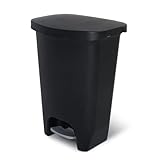
- 13-gallon capacity rectangular waste bin provides ample room for household, office, or commercial trash disposal
- Lid formulated with Clorox Odor Protection helps block and trap unwanted smells for the life of the can
- Interior bag ring liner secures trash bags in place while preventing bag overhang for a neat appearance
- Step pedal design allows for hands-free operation, making it easy to dispose of waste without touching the lid
- Durable plastic construction is lightweight, easy to clean, and built for long-lasting daily use
4. Disinfect the can—but never mix cleaning products
After washing and rinsing, apply a household disinfectant only if its label allows use on the bin’s material. Follow the label’s dilution instructions, application method, and required contact time. Rinse afterward if the label requires rinsing, particularly if the can will later hold unbagged food waste or if residue could contact people or animals.
Bleach is not automatically necessary, and vinegar, salt, fragrance, or essential oils should not be presented as guaranteed maggot treatments. The important sequence is removal of the breeding material, scrubbing, appropriate disinfection, and drying.
Never mix cleaners
Do not combine bleach with ammonia, vinegar, toilet-bowl cleaner, acids, or other household chemicals. Bleach and ammonia can produce chloramine gas; bleach and acidic cleaners can release irritating chlorine fumes. If strong fumes develop, leave the area, get fresh air, and contact local emergency or poison-control services for guidance.
5. Dry the bin completely and block fly access
Rinse away cleaning residue, then leave the empty bin open in a safe outdoor location until it is completely dry. Moisture is one of the conditions flies need for laying eggs, and a damp film left in the bottom can allow the problem to return.
After the bin is dry:
- Keep the lid closed between uses.
- Use a properly sized liner and replace leaking bags promptly.
- Double-wrap especially wet, odorous, or meat-related waste.
- Rinse food containers before putting them in the trash or recycling.
- Clean spills around the bin immediately.
- Keep the bin in shade when practical; direct sun can increase heat and odors.
- Empty kitchen food waste more frequently during hot weather.
For households dealing with leaking food waste, outdoor trash can liners can reduce liquid and residue reaching the bin. Liners help with leakage and cleanup; they do not kill maggots or replace tightly tied bags, regular emptying, and bin washing.
6. Use a labeled fly-control product only if sanitation is not enough
Most household trash-can infestations should be addressed first through waste removal and cleaning. If adult flies continue after the source has been removed and the can is clean and dry, consider a ready-to-use trap, insect strip, or other product whose current label specifically permits the intended use and location.
Read the entire label before buying or applying anything. Check restrictions involving:
Rank #3

- Spacious 20 Gallon Capacity - This generously sized rectangular trash can handles high-volume waste with ease, making it ideal for busy kitchens, large families, and commercial office spaces.
- Clorox Odor Protection: This trash can lid is treated with Clorox Odor Protection to actively block odors at the source, keeping your kitchen or office space smelling clean for the entire life of the can.
- Hands-Free Step On Foot Pedal: A simple press of the built-in foot pedal opens the lid instantly — no touching required — for clean, hygienic disposal during cooking, cleaning, or any task.
- Bag Rings Keep Liners Secure & Tidy - Interior bag rings hold your trash bag firmly in place, preventing it from slipping inside the can and keeping excess bag slack neatly tucked.
- Fits Any Indoor Space: This versatile plastic garbage bin suits any kitchen, bathroom, bedroom, or office, measuring 20.25" wide, 16" deep, and 26.25" high — tall enough for busy households.
- Indoor versus outdoor use
- Garbage cans, dumpsters, or other approved locations
- Children and pets
- Food, utensils, and food-preparation areas
- Required lid position or ventilation
- Dosage, placement, replacement interval, and disposal
Some EPA-registered insect strips have labels that permit use in specified garbage cans or dumpsters, but the label controls—and product labels and listings can change. A fly strip labeled for garbage cans should be considered only after sanitation, and only if the current label matches your bin, location, and household conditions. Never use an outdoor pesticide indoors, exceed the label rate, transfer it to another container, or place it where children, pets, food, or utensils can contact it.
Quick wins for a faster PC:
Clear out junk files and repair common Windows errorsFree Scan →Scan for outdated or missing drivers - takes under a minuteDriver Scan →Repair Windows errors before they cause bigger problemsFix Now →Insecticides can temporarily reduce adult flies, but they are not a durable solution when garbage, compost, animal waste, or another moist organic source remains nearby.
What not to do
- Do not clean around the full bag. Remove the breeding material first.
- Do not dump infested waste outdoors. It can spread odors, larvae, and flies and may violate local disposal rules.
- Do not mix bleach with another cleaner. Dangerous fumes can result.
- Do not use an outdoor pesticide inside the home. Indoor and outdoor labels are not interchangeable.
- Do not rely on fragrance, vinegar, salt, or essential oils as a guaranteed fix. Odor masking is not source removal.
- Do not leave the washed can damp with the lid closed. Drying is part of the treatment.
- Do not assume every larva came from the bin. A dead animal, pet-waste buildup, compost pile, leaking bag, or hidden spill may be nearby.
How to prevent maggots from returning
- Keep food scraps, meat waste, pet waste, and diapers sealed or double-wrapped.
- Tie bags tightly and replace any bag that leaks.
- Rinse food containers before placing them in recycling or trash.
- Keep the trash-can lid closed and make sure it fits securely.
- Wash and dry the bin after collection or immediately after a leak.
- Keep the can as dry as possible and out of direct sun when practical.
- Empty indoor food-waste bins more often during warm weather.
- Clean liquid spills around the can as soon as they occur.
If maggots return after the bin has been emptied, scrubbed, disinfected, and dried, inspect the surrounding area. Look beneath and behind the can, around fences and sheds, near pet-waste areas, in compost, and around drains or other damp organic material. Flies may be breeding somewhere other than the trash can.
When to call a professional
Contact a licensed pest-control professional if flies remain abundant after you remove the garbage and clean the bin, if the infestation keeps recurring without an identifiable source, or if pesticide use could expose children, pets, food-preparation areas, or people with respiratory sensitivity. A professional should identify and remove the breeding source before recommending treatment.
A local professional trash-bin cleaning service may also be useful for recurring residue or odor when you prefer not to perform the sanitation work yourself. Availability and service areas vary, so verify the provider’s coverage, cleaning method, and disposal practices before booking.
Trash-can maggots versus maggots on a person or animal
Maggots in ordinary household garbage are generally a sanitation nuisance. Maggots on a person or animal are different and may indicate a wound infestation. Do not try to treat a wound or animal infestation with household cleaners, boiling water, or insecticide.
If maggots are on a person or animal—or if there has been relevant travel or exposure in an area where New World screwworm occurs—contact a healthcare provider or veterinarian promptly. Suspected screwworm exposure requires professional assessment rather than self-treatment.
Rank #4

- WASTE BIN WITH 13 GALLON CAPACITY - This 13 gallon trash can is perfect for any household and features a classic rectangular shape in a sleek matte black finish.
- CLOROX ODOR PROTECTION - Keep your household smelling fresh. This lidded trash can is formulated with Clorox Odor Protection of the lid to thoroughly protect from smells for the life of the can.
- KITCHEN TRASH CAN WITH UPGRADED STEP PEDAL - The Glad plastic trash can has been redesigned with a premium stainless steel foot pedal for exceptional strength and lasting use, while the hands-free operation allows you to throw your trash without having to lift the lid of the can.
- PLASTIC TRASH CAN WITH BAG RINGS - Interior bag rings secure the trash bag in place, keep it from falling in, and tuck away unsightly bag slack for a crisp, clean look.
- SUITABLE FOR HOME OR COMMERCIAL USE - Use this dustbin to keep any interior space clean. This 13G/50L garbage bin fits any kitchen and is great for families and office spaces. Rectangle trash can is 18” wide, 14.7” deep, and 25” high.
Quick cleanup checklist
- Secure and remove the infested bag.
- Take the empty bin outdoors.
- Treat visible larvae with carefully handled hot water if the bin material permits it.
- Scrub the interior, lid, rim, hinges, handles, and bottom with hot soapy water.
- Rinse, then disinfect according to a compatible product label.
- Dry the bin completely before closing it.
- Seal wet waste, keep the lid closed, and inspect for another breeding source.
Frequently Asked Questions
How fast can maggots appear in a trash can?
Maggots can appear within a few days when flies have access to warm, moist, decaying food or animal waste. Blow-fly larvae may reach full size in roughly two or three days in warm weather, while some adult flies can emerge in about 7–14 days, depending on species and conditions.
Can maggots leave the trash can?
Yes. Larvae often leave the garbage when they are ready to pupate and seek a drier place. Check the ground, walls, floor, hinges, and nearby cracks, but remove and seal the breeding material before treating the escaped larvae.
Windows Errors? Fix Them Before They Spread
Repair common Windows errors and clear accumulated junk for a smoother, more stable PC - no reinstall needed.Free scan · no reinstallOutdated Drivers Are Slowing You Down
One free scan finds every outdated or missing driver and matches the right update for your exact hardware.Free scan · exact hardware matchDo I need bleach to get rid of maggots?
No. Bleach is not required in every case. Remove the garbage, scrub away organic residue with hot soapy water, and use a compatible disinfectant according to its label if disinfection is appropriate. Never mix bleach with vinegar, ammonia, acids, or another cleaner.
When should I call a pest-control professional?
Call a licensed pest-control professional when flies remain numerous after sanitation, when maggots keep returning without an identifiable source, or when pesticide use could put children, pets, food areas, or people with respiratory sensitivity at risk.
The Bottom Line
Remove the infested garbage first, then wash, disinfect, and dry the can. That sanitation sequence removes the conditions that produce maggots; pesticides, traps, and household odor remedies are secondary and must be used only when their current labels permit the specific application.
Quick Recap
Product prices and availability are accurate as of the date/time indicated and are subject to change. Any price and availability information displayed on Amazon at the time of purchase will apply.
The Tool Desk
Outbyte Driver Updater FREEScan for outdated or missing drivers - takes under a minuteDriver Scan →Outbyte PC Repair FREERepair Windows errors before they cause bigger problemsFix Now →
