Do these 3 things before closing this tab:
1Clear out junk files and repair common Windows errors2Fix the driver behind crashes, sound loss and screen glitches3Repair Windows errors before they cause bigger problemsThe fastest way to get rid of Asian lady beetles indoors is to vacuum them without crushing them. For a household vacuum, stretch a knee-high nylon stocking over the hose, secure it with a rubber band, and vacuum the beetles into the stocking. Remove and close the stocking outdoors, then empty or clean the vacuum promptly.
That removes the beetles you can see, but it does not stop others hidden in wall voids, attics, soffits, crawl spaces, or behind siding. The lasting fix is to repair screens, weatherstripping, door sweeps, vents, and exterior gaps before the next fall migration. Routine indoor spraying and bug bombs usually do not solve this problem.
As an Amazon Associate I earn from qualifying purchases.
First, make sure they are multicolored Asian lady beetles
The insect commonly called an Asian lady beetle is the multicolored Asian lady beetle, Harmonia axyridis. “Asian beetle” by itself is an imprecise name and can lead to confusion with unrelated insects, including the wood-boring Asian longhorned beetle.
Quick wins for a faster PC:
Clear out junk files and repair common Windows errorsFree Scan →Fix the driver behind crashes, sound loss and screen glitchesFind Drivers →Repair Windows errors before they cause bigger problemsFix Now →Adult multicolored Asian lady beetles are usually dome-shaped and approximately 1/4 to 3/8 inch long. Their color can range from yellow or tan to orange, red, or occasionally black. Some have many spots, some have only a few, and some have no obvious spots. Color and spot count are therefore not reliable identification methods by themselves.
#1 Best Overall
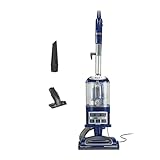
- POWERFUL SUCTION FOR CARPET & HARD FLOORS: Clean carpets and hardwood floors with strong multi-surface suction. This lightweight upright vacuum cleaner lifts dirt, debris, and pet hair for a complete home clean.
- LIFT-AWAY FUNCTIONALITY FOR ABOVE-FLOOR CLEANING: Detach the pod to clean stairs, furniture, and more—attach the upholstery or crevice tools to clean dust and debris from baseboards, curtains, blinds, tight spaces and other surfaces.
- PERFECT FOR PET HAIR CLEANUP: Powerful suction and a specialized upholstery tool removes pet hair from carpets, furniture, and stairs with ease—ideal for homes with pets and everyday messes.
- HEPA FILTER WITH ANTI-ALLERGEN COMPLETE SEAL: Advanced HEPA vacuum technology traps dust and allergens* inside the vacuum, helping deliver a cleaner home environment. *Allergens refer to non-living matter.
- SWIVEL STEERING FOR EASY MANEUVERABILITY: Navigate tight spaces, corners, and around furniture with ease using smooth swivel steering for effortless control across floors.
The most useful field mark is the dark M- or W-shaped marking behind the head, where the pronotum meets the wing covers. The larvae look very different from adults: they are dark, elongated, spiny, and somewhat alligator-like, with orange markings.
For identification guidance, compare the insect with the resources from the University of Minnesota Extension, Virginia Cooperative Extension, or Cornell IPM. If the markings do not match, send a clear photograph to your local cooperative extension service before choosing a treatment.
Why Asian lady beetles are entering the house
Indoor Asian lady beetles are generally a seasonal overwintering problem, not an indoor breeding infestation. In fall, adults gather on sunny exterior walls—often south- or west-facing walls—and look for protected places to spend the winter. They can enter through openings as small as approximately 1/8 inch.
PC Slower Than It Used to Be?
A free scan shows the junk files, broken settings and background clutter dragging Windows down - then fixes them in one click.Free scan · Windows 10 & 11Crashes, No Sound, or Screen Glitches?
Random freezes, missing sound and display glitches usually trace back to one bad driver. Find and replace yours safely.Free scan · under a minuteCommon entry routes include:
- Gaps around windows, doors, and thresholds
- Damaged screens
- Fascia, soffits, eaves, and roofline openings
- Attic, gable, and roof vents
- Joints between siding, masonry, trim, and other materials
- Cracks in the foundation
- Openings around cable, telephone, electrical, plumbing, and HVAC lines
- Dryer vents, exhaust fans, and outdoor faucets
- Attic doors, ceiling fixtures, and other penetrations into wall or attic spaces
After entering, they may settle in wall voids, attics, behind siding, crawl spaces, or other sheltered parts of the building. Warm, sunny days during winter and spring can activate them. You may then see beetles around windows, lights, ceilings, and walls even though no new insects are entering at that moment.
Beetles appearing indoors in spring usually entered the previous fall. They do not reproduce indoors. A house near woods or with large sun-warmed walls may experience heavier seasonal activity, but a recurring problem usually indicates that the building envelope has several accessible gaps.
What to do today: remove visible beetles safely
- Do not crush, swat, or smear them. Disturbed or crushed beetles can release a yellow-orange defensive fluid with an unpleasant odor. It can stain light-colored walls, curtains, upholstery, and clothing.
- Vacuum the visible beetles. A hose attachment is usually the most controlled option.
- Use a nylon stocking as a trap. Stretch a knee-high nylon stocking over the end of the vacuum hose and secure it with a rubber band.
- Vacuum the beetles into the stocking. The insects collect in the stocking instead of traveling through the hose into the bag or canister.
- Remove the stocking outdoors. Take it outside before loosening it. Tie or close it before disposing of the beetles or releasing them.
- Empty or clean the vacuum promptly. If you used a bagged vacuum without a stocking, change or empty the bag outdoors. Empty a canister or shop vacuum outdoors and clean the hose or canister if odor remains.
This method is recommended by University of Minnesota Extension because it provides immediate removal with little pesticide exposure and reduces the chance of an odor developing inside the vacuum.
Can you release them alive?
Yes, live release is an option, but it is not the primary prevention method. Cornell IPM suggests holding captured beetles in a cool location and providing occasional drops of water until outdoor activity resumes. Its guidance uses approximately 55°F daytime temperatures as a release cue.
What’s actually slowing this PC down?
Pick the symptom - the matching free tool is one click away.
Releasing beetles during cold weather may simply cause them to die or return to the structure. For most household infestations, vacuuming and exclusion are simpler and more dependable. If you do release them, place them outside in suitable weather rather than directly beside the same doorway or window where they entered.
Rank #2

- EVERY PURCHASE SAVES PETS. BISSELL proudly supports the BISSELL Pet Foundation and its mission to help save homeless pets.
- POWERFUL SUCTION WITH SCATTER-FREE TECH. Engineered to capture messes on hard floors with less scatter and powerful suction on carpets. Enjoy a convenient, highperformance clean in one machine.
- COMPACT & LIGHTWEIGHT DESIGN. Weighing less than 8 pounds, this vacuum is easy to carry and store. Perfect for dorms, apartments, and small living spaces without sacrificing cleaning power.
- REMOVABLE EXTENSION WAND. Features a quick-release wand to easily clean abovefloor surfaces like curtains, upholstery, and baseboards. Tackle dirt and debris in tight spaces with ease.
- EASY EMPTY DIRT CONTAINER. The bagless design allows for quick and mess-free emptying with the push of a button. Keep your hands clean and your home debris-free.
How to stop the next invasion: inspect and seal the building
Exclusion is the durable part of the solution. It is most effective when completed before local fall congregation begins. Do not assume that the window where beetles are visible is the only entry point; insects may be emerging from a nearby wall void or entering through the roofline, siding, attic, or utility penetrations.
Walk the exterior in daylight and use the following checklist.
Doors and garages
- Repair or replace worn weatherstripping around exterior doors.
- Install or repair door sweeps and thresholds.
- Seal gaps along the sides and bottom of thresholds.
- Inspect the bottom seal and side seals of the garage door.
- Check pet doors, roll-up doors, and service doors for gaps.
Windows
- Repair or replace torn or poorly fitted screens.
- Seal gaps around window frames, sills, trim, and casings.
- Inspect joints where brick, masonry, siding, and trim meet.
- Pay particular attention to sunny windows on upper floors.
Rooflines, attic spaces, and vents
- Inspect fascia, soffits, eaves, gable ends, and roofline transitions.
- Check attic doors and hatches for a continuous seal.
- Repair damaged attic and gable vent screens.
- Where appropriate, install or repair fine insect screening over vents.
- Seal gaps around ceiling-light penetrations and exhaust fans that lead into attic or wall spaces.
Do not block required soffit, attic, or crawl-space ventilation. If a repair involves a fire-rated assembly, electrical wiring, a combustion appliance, or a roof or drainage detail, use a suitable construction method or have the work evaluated by a qualified professional.
Free tools Windows power users keep installed
One-click scans. No signup required.
Utilities and service penetrations
- Seal openings around cable, telephone, electrical, plumbing, and HVAC lines.
- Inspect around outdoor faucets and hose bibs.
- Seal the gap around dryer vents and exhaust ducts, but do not obstruct the vent flap or airflow.
- Check penetrations through siding, masonry, foundation walls, and utility rooms.
Foundation and siding
- Seal foundation cracks and openings behind or beneath siding.
- Use exterior-grade caulk for narrow, stable gaps.
- Use an appropriate expanding foam, mesh, steel wool, copper mesh, or other sealant for larger openings.
- Preserve drainage planes, weep holes, insect-screened ventilation, and other parts of the wall system that must remain open.
Sealing openings can greatly reduce entry, but no repair guarantees that every beetle will be excluded. The objective is to remove the main routes through which adults reach protected building spaces.
When should you seal the house?
Use local weather and beetle activity rather than one nationwide date. A practical seasonal plan is:
| Time of year | Recommended action |
|---|---|
| Late summer | Inspect the exterior, repair screens, replace weatherstripping, and identify gaps around the building envelope. |
| Before local fall congregation | Complete exclusion work. University of Minnesota guidance for Minnesota describes building-seeking activity from late September to late October under suitable temperatures; other regions may differ. |
| Late summer or early fall | If the problem is recurrent and severe, consider whether a labeled exterior residual treatment is justified before beetles begin seeking overwintering sites. |
| Fall | Vacuum visible beetles and avoid crushing them. Continue checking likely entry points. |
| Winter and spring | Expect intermittent emergence on warm, sunny days. Vacuum rather than repeatedly spraying indoors. |
| After the season | Record where beetles appeared and repair those areas before the next late-summer and fall migration. |
The end-of-September repair recommendation from Minnesota Extension is a regional example, not a national deadline. Seasonal timing varies with latitude, local temperatures, and the building.
Do exterior insecticides help?
Sometimes. A properly timed, label-compliant exterior residual barrier may reduce the number of beetles entering where exclusion is incomplete or difficult. It is a preventive exterior treatment, not a substitute for sealing the building.
Extension guidance mentions pyrethroid active ingredients such as bifenthrin, cyfluthrin, cypermethrin, deltamethrin, and permethrin. These are examples—not a universal shopping list or a recommendation for a particular brand. Formulations, permitted sites, rates, and state requirements differ.
Rank #3

- Upgraded Cyclone System: The Eureka PowerSpeed is now upgraded with new cyclone technology to handle larger debris, smaller dirt, and even microscopic dust.Specific uses:hard floor,carpet,dual action
- Powerful pick-up: Penetrates deep into the carpet to extract embedded dirt, dust, and debris.
- Lightweight: PowerSpeed does all the work while still remaining lightweight.
- 5 Height Settings: The PowerSpeed works well on carpets, shag rugs, and hard floors. Its wheels run smoothly on hardwood floors to prevent scratches or gouges.
- Multiple accessories included: A quick-release handle is connected to the stretch hose for above-floor cleaning. A 7-inch-long crevice tool, dusting brush, and upholstery tool help clean hard-to-reach areas. Extract dirt, and pet hair, and freshen up your car, curtains, ceilings, or door frames. For your convenience, they are all stored right on board.
Before using any pesticide, confirm all of the following on the current product label:
- The pest is listed, or the label otherwise permits the intended use.
- The structure or exterior surface is an approved application site.
- The application method, rate, timing, and equipment are allowed.
- Required protective equipment, reentry instructions, weather restrictions, and environmental precautions are understood.
EPA explains that pesticide labels are legally enforceable. Using a pesticide inconsistently with its label violates federal law. You can search current registered product information through the EPA Pesticide Product and Label System and review EPA’s explanation of pesticide labels. A state may impose additional requirements.
Why indoor spraying and bug bombs usually fail
Indoor spraying may kill beetles that are directly exposed or that cross a treated surface, but it usually does not reach the main aggregation hidden in a wall void, attic, soffit, or behind siding. Spring emergence can therefore continue after visible insects have been killed.
Indoor pesticide use also creates avoidable drawbacks:
- Residue may remain on floors, walls, furniture, or other household surfaces.
- Dead beetles can accumulate in inaccessible spaces.
- Dead insects may attract carpet beetles, larder beetles, ants, and other scavengers.
- Treating visible beetles does not repair the entry route.
Do not use a fogger or “bug bomb” for a normal Asian lady beetle problem. Foggers do not reliably penetrate wall voids or other protected areas, can increase indoor pesticide exposure, and may leave dead insects where they cannot be removed. Do not inject pesticide into wall voids, electrical spaces, insulation, or ventilation systems yourself.
Likewise, do not treat the whole lawn simply because beetles are on the exterior of the house. Outdoor beetles may be feeding on aphids and other pests, and a lawn-wide application often does not address the route into the building.
Pesticide safety if an exterior treatment is justified
Use the least extensive treatment that addresses the identified problem, and follow the product label exactly. In particular:
Recommended Free Tools
- Never use an outdoor pesticide indoors.
- Never use a product unless the label lists the pest and application site.
- Do not increase the dose or apply more frequently than the label permits.
- Keep children, pets, toys, food, and other belongings out of the treatment area as directed.
- Keep people and pets away until the label permits reentry or the product has dried, as the label specifies.
- Do not spray in wind or immediately before rain when the label prohibits it.
- Prevent runoff into gutters, storm drains, ponds, streams, pools, and other aquatic habitats.
- Avoid flowering plants and areas where bees are actively foraging.
- Store pesticides in their original containers and follow label directions for disposal.
Pyrethrins and pyrethroids can be especially hazardous to bees and aquatic organisms. Permethrin products require special care around cats; a high-concentration product intended for dogs must never be used on cats. See EPA pesticide safety guidance, EPA’s pest-control dos and don’ts, the EPA information on pyrethrins and pyrethroids, and NPIC’s permethrin fact sheet.
Rank #4

- POWERFUL ALL FLOOR SUCTION: The Eureka NEU10AE5 upright vacuum cleaner effortlessly extracts dirt and hair from hard floors and carpets ease. The 10.5” wide cleaning path of this household vacuum cleaner helps cleaning larger areas quickly and with ease.
- QUICK RELEASE HANDLE FOR ABOVE FLOOR CLEANING: This upright vacuum cleaner best rated have crevice tool and dusting brush which can be attached to the end of the handle for cleaning upholstery, windows and other hard to reach places.
- LIGHTWEIGHT & EASY STORAGE: Weighing only 7.7 pounds, this small vacuum cleaner can be carried anywhere with ease, while its compact and featherweight design allows this bagless vacuum cleaner to be stored in any space in your home when not in use.
- EASY MAINTENANCE & ENVIROMENTAL FRIENDLY: This vacuum cleaner pet hair contains washable filter which can be rinsed and left to dry for no maintenance costs. Use our vacuum upright to embrace eco-friendly cleaning without compromising on effectiveness.
- ALL TOOLS ON BOARD: This vacuum cleaner for home pets includes a crevice tool and dusting brush which snaps on the vacuum and are within reach at any time during cleaning. Simplify your cleaning routine while maximizing convenience with our upright vacuum cleaner best rated.
In the United States, call Poison Control at 1-800-222-1222 for advice after a possible pesticide exposure. For a serious or life-threatening reaction, call 911.
When to call a pest professional
Consider a licensed structural pest-management professional when beetles are appearing by the hundreds, are concentrated in an attic or wall system, return every year despite reasonable exclusion work, or are entering a multistory or difficult-to-access structure.
Ask the professional to:
- Trace the entry routes and explain the building-envelope repairs needed.
- Distinguish exterior prevention from any treatment of an attic, crawl space, or other enclosed area.
- Provide the product name and EPA registration number before application.
- Explain whether the proposed use is exterior, attic-only, crack-and-crevice, or another label-approved treatment.
- Explain how accessible dead beetles will be removed and how inaccessible accumulations will be managed.
- Identify precautions for occupants, pets, pollinators, drains, and nearby water.
Be cautious of a service that proposes repeated indoor spraying without inspecting rooflines, vents, siding joints, screens, thresholds, and utility penetrations. The best service addresses why the beetles are getting into the structure.
Are Asian lady beetles harmful?
They are a nuisance indoors but are not the same type of threat as termites, wood-boring beetles, or disease-carrying household pests. They do not eat wood, clothing, household food, or building materials, and they are not known to transmit human disease. They do not sting.
They are not entirely harmless, however:
- Some may pinch or bite incidentally, causing brief minor discomfort.
- When handled or crushed, they can release an odorous yellow-orange fluid that stains light-colored materials.
- Sensitive people may develop allergy symptoms. Published reports have associated heavy exposure in infested homes with rhinitis, wheezing, urticaria, and asthma-related symptoms. The evidence is a reason to reduce exposure in susceptible households, not a reason to assume that every indoor sighting is a serious medical emergency.
Use a vacuum and gloves if desired rather than handling large numbers. Anyone experiencing significant breathing difficulty should seek medical care promptly.
What if the beetles are outside or in the garden?
Outdoor Asian lady beetles are often beneficial predators. Adults and larvae eat aphids, scale insects, mites, and other soft-bodied pests, so their presence on a plant does not automatically mean the plant should be treated.
They may feed on ripening or damaged fruit when preferred prey becomes scarce. If fruit damage is the actual concern, remove fallen apples and damaged fruit and obtain crop-specific identification and integrated pest-management advice. Do not broadly spray a garden merely to eliminate every lady beetle; that can remove useful predators and other non-target insects.
The Tool Desk
Outbyte PC Repair FREEClear out junk files and repair common Windows errorsFree Scan →Outbyte Driver Updater FREEFix the driver behind crashes, sound loss and screen glitchesFind Drivers →Separate the two decisions: vacuum or exclude beetles that are entering the house, while leaving outdoor beetles alone unless there is a demonstrated crop problem. Guidance from University of Maryland Extension, Minnesota Extension, and Cornell IPM supports this distinction.
Best Value

- Quick release handle for effortless above floor cleaning. Attach the crevice tool or dusting brush to the end of the handle for cleaning upholstery, windows and other hard to reach places.700.0 watts.Specific uses:hard floor,carpet,dual action
- Powerful all floor suction extracts dirt and hair from hard floors and carpets ease. It’s 10.5” wide cleaning path gets the job done quickly
- Lightweight at only 7.7 pounds with its compact and featherweight design this vacuum can store in any space in your home and be carried anywhere
- Contains one washable filter which can be rinsed and left to dry for no maintenance costs
- Includes a crevice tool and dusting brush which snaps on the vacuum and are within reach at any time during cleaning
What not to rely on
Essential oils, bay leaves, vinegar, garlic, and similar household remedies are often promoted as repellents. Research on substances such as camphor and menthol has shown repellency under limited laboratory or field conditions, but that does not establish a dependable whole-house treatment protocol. They should not replace vacuuming, exclusion, or a properly labeled exterior treatment. See the USDA research report on camphor and menthol repellency for the limited evidence.
A simple decision guide
| What you are seeing | Best next step |
|---|---|
| A few beetles indoors | Vacuum them, empty the vacuum outdoors, and inspect the nearest window, door, or wall opening. |
| Dozens or hundreds indoors in winter or spring | Assume many are overwintering in hidden areas. Vacuum visible beetles repeatedly and plan exclusion work during the warm season. |
| Beetles clustered outside in fall but not indoors yet | Repair screens and seals immediately. If the problem is severe and recurrent, evaluate a label-compliant exterior barrier. |
| Beetles concentrated in an attic, crawl space, or wall system | Do not fog or inject pesticide. Arrange a structural inspection and exclusion work; use a licensed professional if inaccessible treatment is genuinely necessary. |
| Beetles on garden plants | Check whether they are eating aphids. Leave them alone unless there is verified crop damage. |
Frequently Asked Questions
Do Asian lady beetles reproduce inside a house?
No. Beetles found indoors usually entered during the previous fall and are overwintering in protected spaces such as wall voids, attics, soffits, or behind siding. Warm winter and spring days can make them emerge, but this is not normally an indoor breeding population.
Why do Asian lady beetles keep coming back after I vacuum?
Vacuuming removes exposed beetles but cannot remove all of the adults hidden in the structure. Those beetles may emerge whenever a wall or attic space warms. Repeated vacuuming is appropriate for the current season; sealing exterior entry points during the warm season is what reduces the next invasion.
Can Asian lady beetles bite or sting?
They do not sting. Some can pinch or bite incidentally, usually causing brief minor discomfort. They can also release an odor-producing yellow-orange fluid when disturbed or crushed.
Will Asian lady beetles damage my house?
They do not eat wood, clothing, food, or building materials, so they are not structural-damage pests. They can be a significant nuisance, stain surfaces, produce an odor, and contribute to allergy symptoms in some heavily exposed households.
Should I spray Asian lady beetles indoors?
Usually not. Indoor sprays and foggers rarely reach the beetles hidden in wall voids and attics, may leave residues, and can leave dead insects that attract scavengers. Vacuum visible beetles and focus on exclusion. A licensed professional may recommend a specifically labeled treatment for an unusually severe, inaccessible infestation.
Can I release captured beetles outside?
You can, but release is best reserved for suitable weather. Cornell IPM suggests holding them in a cool location with occasional drops of water until daytime temperatures are approximately 55°F. Releasing them during cold weather may cause them to die or return to the building.
When should I call a pest professional?
Call a licensed structural pest-management professional when the infestation is extensive, concentrated in an attic or wall system, recurring despite exclusion, or difficult to access safely. Ask for an inspection and entry-point repairs—not just repeated indoor spraying.
The Bottom Line
Vacuum Asian lady beetles indoors; do not crush them, spray them routinely, or use a bug bomb. Empty or clean the vacuum outdoors, then inspect the building envelope. Repair screens, door sweeps, weatherstripping, vents, roofline gaps, siding joints, foundation cracks, and utility penetrations before the next local fall migration. For severe recurring problems, a licensed professional can evaluate exclusion and, if justified, a carefully timed exterior treatment that follows the current pesticide label.
Quick Recap
Product prices and availability are accurate as of the date/time indicated and are subject to change. Any price and availability information displayed on Amazon at the time of purchase will apply.




