Quick wins for a faster PC:
Fix the driver behind crashes, sound loss and screen glitchesFind Drivers →Repair Windows errors before they cause bigger problemsFix Now →Scan for outdated or missing drivers - takes under a minuteDriver Scan →Some links on this page are affiliate links: if you buy through them we may earn a commission, at no extra cost to you.
Start with ordinary soap and running water. Rinse, lather every part of your hands for about 20 seconds, including around and under the nails, then rinse and dry. Repeat gently if needed. This is the method recommended by printer manufacturers for ordinary inkjet ink and laser toner; the other options below are practical ways to deal with residue, not equally proven treatments.
Small printer-ink stains are usually a cosmetic nuisance rather than an emergency. Inkjet ink is generally a liquid, water-based formulation, while laser toner is a dry powder containing materials such as polymer resin, pigment, wax and silica. Because formulations vary, check the safety information for the specific cartridge if the product is industrial, solvent-based, UV-curable, waste ink or cleaning fluid.
As an Amazon Associate I earn from qualifying purchases.
1. Wash with soap and water immediately
Rinse the affected skin under clean running water. Apply ordinary liquid or bar soap and rub all surfaces for about 20 seconds. Pay attention to finger creases, around the nails and under the nails. Rinse thoroughly, dry, and repeat once or twice if necessary.
Use comfortably warm or cold water—not very hot water. Water temperature does not materially improve cleaning, and hot water can increase dryness and irritation. Soap and water may remove the liquid carrier while leaving pigment or binder in creases and the outermost layer of skin. Remaining discoloration usually fades as that skin naturally sheds.
#1 Best Overall
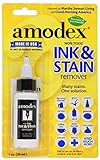
- WORKS WELL: The ink and stain remover works on the toughest stains; from inks and ballpoint to gel, permanent marker, wine, grass, blood, grease, coffee, baby formula, food, and more.
- MULTIPLE USE: The formula is designed for use on clothing, carpeting, furniture, fabric, tablecloths, upholstery, and other delicate surfaces and skin.
- PROFESSIONAL STRENGTH: Ink remover uses the latest innovation for removing stains. The only SHARPIE RECOMMENDED stain remover on the market! Satisfaction guaranteed! Follow bottle instructions; it’s that simple. Bottle size: 1 fluid ounces (0.1 quarts).
- MADE IN THE USA by Amodex, a Woman-Owned family business since the 1950s.
- PRO TIP: Increase effectiveness by allowing Amodex to remain on a stain for 1-12 hours (use your discretion) before laundering. As long as a stain lightens after a long application, you can repeat applications to continue removing the stain.
HP, Epson and Canon all direct users toward washing skin with soap and water.
2. Use liquid hand soap and a soft washcloth
If the first wash leaves a mark, apply liquid hand soap and gently work the area with a soft washcloth. The useful combination is soap, water and light mechanical rubbing: soap helps lift soil while the cloth helps loosen residue.
Windows Errors? Fix Them Before They Spread
Repair common Windows errors and clear accumulated junk for a smoother, more stable PC - no reinstall needed.Free scan · no reinstallCrashes, No Sound, or Screen Glitches?
Random freezes, missing sound and display glitches usually trace back to one bad driver. Find and replace yours safely.Free scan · under a minuteDo not use a scouring pad, rough towel or vigorous scrubbing. Abrading the skin can cause soreness without removing pigment effectively. Take extra care over cuts, cracked skin, eczema, rashes and nail beds.
3. Try a little liquid dish soap
Liquid dish detergent may help when the stain includes greasy residue from a cartridge, maintenance fluid or toner binder. Apply a small amount, rub gently for a short time, rinse thoroughly and stop if the skin starts to sting.
Rank #2

- TACKLE INK MARKS EASILY: The professional-strength Stain Devils #3 is specially formulated to take on ink stains more effectively than standard all-purpose sprays. Use this stain remover to treat ballpoint pen, rollerball ink, felt tip pen, pencil, and crayon marks, helping you keep school uniforms, workwear, and everyday outfits spotless
- TARGETS INK, MARKER & CRAYON STAINS: No two stains are the same, so all-purpose removers are not always the answer. This targeted laundry stain remover is designed specifically for common ink and coloring stains, making it a smart choice for students and creative spaces. Treat stains promptly for better results. Will not remove instant or super glue
- FABRIC-SAFE & DERMATOLOGICALLY-TESTED: Safe on washable and water-safe fabrics, this spot remover is also suitable for dry-clean-only fabrics when used as directed. Always test for colorfastness on a hidden area before use. Do not use on leather, suede, silk, acetate, carpeting, or upholstery. Also available in a 3-pack
- SIMPLE STEPS FOR BETTER RESULTS: Before treating, remove as much of the cause of the stain as possible. Do not dilute. Place an absorbent white cloth beneath the stain, apply this fabric stain remover directly, and tap with your finger to push the stain onto the cloth. Rinse with warm water after treating to help prevent the stain from reappearing
- 8 SPECIALIZED FORMULAS FOR TOTAL STAIN COVERAGE: No two stains are the same, so an all-purpose stain remover isn’t the answer to treating them. That’s why we created Carbona Stain Devils, 8 different powerful formulas that treat specific stains. Choose the Stain Devil that’s right for the stain you need to treat
Dish detergent is designed to degrease and can be more drying than hand soap. Do not leave it on your skin for a prolonged period or use it on already irritated areas. Apply a plain hand moisturizer afterward if your skin feels tight or dry.
4. Use alcohol-based hand sanitizer when soap is unavailable
If you cannot get to a sink, use an alcohol-based hand sanitizer containing at least 60% alcohol. Apply enough to cover the hands and rub all surfaces until dry. Wash with soap and water as soon as possible.
Sanitizer may loosen some ink because it contains alcohol, but this is not the same as proven printer-ink removal. CDC guidance says sanitizer is less effective when hands are visibly dirty or greasy and does not replace washing away chemical residue. It can sting on broken or inflamed skin and is flammable, so keep it away from flames.
5. Dab a small amount of isopropyl alcohol on intact skin
For a stubborn mark on unbroken skin, place a small amount of rubbing alcohol on cotton or a soft cloth and dab or gently wipe the area briefly. Then rinse with soap and water and use a fragrance-free moisturizer if needed.
Rank #3
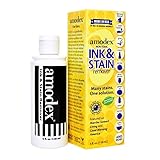
- WORKS WELL: The ink and stain remover works on the toughest stains; from inks and ballpoint to gel, permanent marker, wine, grass, blood, grease, coffee, baby formula, food, and more.
- MULTIPLE USE: The formula is designed for use on clothing, carpeting, furniture, fabric, tablecloths, upholstery, and other delicate surfaces and skin.
- PROFESSIONAL STRENGTH: Ink remover uses the latest innovation for removing stains. The only SHARPIE RECOMMENDED stain remover on the market! Satisfaction guaranteed! Follow bottle instructions; it’s that simple. Bottle size: 4 fluid ounces (0.1 quarts).
- MADE IN THE USA by Amodex, a Woman-Owned family business since the 1950s.
- PRO TIP: Increase effectiveness by allowing Amodex to remain on a stain for 1-12 hours (use your discretion) before laundering. As long as a stain lightens after a long application, you can repeat applications to continue removing the stain.
This is an optional stain-removal measure, not the manufacturers’ standard first-aid instruction. Isopropyl alcohol can dry or irritate skin. Do not use it on cuts, eczema, rashes, severely dry skin or near the eyes. It is flammable, and it must never be mixed with bleach because the combination can produce toxic fumes. See Cleveland Clinic’s rubbing-alcohol safety guidance.
6. Loosen residue with mineral oil, baby oil or petroleum jelly
For residue that resists water-based washing, apply a thin layer of mineral oil, baby oil or petroleum jelly. Massage gently, wipe away the loosened residue, and then wash thoroughly with soap and water.
This can be a gentle optional approach for surface stains involving oily binders, but printer manufacturers do not specifically validate baby oil, olive oil or petroleum jelly as ink-removal treatments. Do not skip the final soap wash: leftover oil can make your hands slippery and spread the stain.
7. Clean under the nails separately
Ink often remains under fingernails after the visible parts of the hands look clean. Wash under the nails with soap and running water. If the surrounding skin is healthy and not irritated, use a soft nail brush gently.
Rank #4
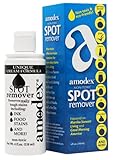
- WORKS WELL: The ink and stain remover works on the toughest stains; from inks and ballpoint to gel, permanent marker, wine, grass, blood, grease, coffee, baby formula, food, and more.
- MULTIPLE USE: The formula is designed for use on clothing, carpeting, furniture, fabric, tablecloths, upholstery, and other delicate surfaces and skin.
- PROFESSIONAL STRENGTH: Ink remover uses the latest innovation for removing stains. The only SHARPIE RECOMMENDED stain remover on the market! Satisfaction guaranteed! Follow bottle instructions; it’s that simple. Bottle size: 4 fluid ounces (0.1 quarts).
- MADE IN THE USA by Amodex, a Woman-Owned family business since the 1950s.
- PRO TIP: Increase effectiveness by allowing Amodex to remain on a stain for 1-12 hours (use your discretion) before laundering. As long as a stain lightens after a long application, you can repeat applications to continue removing the stain.
Never dig under the nails with a sharp object or use a stiff brush on damaged skin. Epson specifically advises thorough handwashing after handling cartridges and waste ink, and CDC handwashing guidance includes the areas beneath the fingernails.
8. Use a commercial remover only when it is labeled for skin
A commercial ink remover should be a last resort for an ordinary cartridge stain. Use one only if the label explicitly says it is intended for human skin and provides directions and warnings. Follow those directions exactly, and keep the product away from the eyes, mouth, children and broken skin.
Do these 3 things before closing this tab:
1Scan for outdated or missing drivers - takes under a minute2Repair Windows errors before they cause bigger problems3Fix the driver behind crashes, sound loss and screen glitchesA remover sold for paper, printers, clothing or hard surfaces is not automatically safe for hands. Some ink-removal products can contain ethanol, isopropyl alcohol, methanol or other solvents. MedlinePlus warns about poisoning risks from ink-removal products. For routine consumer printer exposure, soap and water are generally sufficient.
Independent reader supportYour contribution helps us test, update, and keep practical guides available for everyone.What not to use on your hands
- Acetone or nail-polish remover: a strong solvent that can dry and irritate skin; it is not the routine printer-exposure recommendation.
- Bleach: do not apply it to skin, and never mix it with rubbing alcohol.
- Household disinfecting wipes: these are formulated for surfaces and may irritate skin.
- Abrasive cleaners, pumice, scouring pads or magic erasers: they can remove or damage the outer skin layer and cause abrasions.
- Very hot water: it is unnecessary and can worsen dryness or irritation.
Do not keep escalating the treatment simply because a faint mark remains. Repeated harsh cleaning may damage your skin more than the stain does.
Best Value

- WORKS WELL: The ink and stain remover works on the toughest stains; from inks and ballpoint to gel, permanent marker, wine, grass, blood, grease, coffee, baby formula, food, and more.
When to get medical advice
Stop cleaning and seek medical advice if the skin becomes persistently red, swollen, painful, blistered, numb or increasingly irritated. Get help for eye exposure or if a substantial amount of ink or ink cleaner is swallowed.
If ink gets into the eyes, rinse immediately with clean water and follow the cartridge manufacturer’s first-aid instructions. If a product is swallowed, do not induce vomiting unless a medical professional specifically tells you to; contact a physician or poison-control service. The relevant safety data sheet takes priority, especially for nonstandard printer fluids.
The safest order to try
- Wash promptly with soap and running water.
- Repeat gently, using a soft washcloth if needed.
- Clean under the nails carefully.
- Try a little dish soap for greasy residue.
- Use sanitizer only when a sink is unavailable.
- Consider brief isopropyl alcohol or an oil-based method only on intact skin.
- Use a commercial product only when it is specifically labeled for skin.
For most small spills, the stain will fade with ordinary washing and normal skin shedding. Avoid bleach, disinfecting wipes, harsh abrasives and unlabelled solvents.
Quick Recap
Sources
- HP ink safety data sheet
- Epson ink safety data sheet
- Canon toner safety data sheet
- CDC handwashing FAQ
- CDC cleaning and disinfecting guidance
Product prices and availability are accurate as of the date/time indicated and are subject to change. Any price and availability information displayed on Amazon at the time of purchase will apply.

