Do these 3 things before closing this tab:
1Clear out junk files and repair common Windows errors2Fix the driver behind crashes, sound loss and screen glitches3Repair Windows errors before they cause bigger problemsFertilizer burn is salt injury, and the fastest response is to stop fertilizing, remove any loose granules, and flush the affected soil with slow, deep irrigation. Apply about 1 inch of water, let it drain, and repeat the soak two or three times. Rinse fertilizer from leaves, remove only dead tissue, and avoid creating standing water. Grass or plants with major root loss may need to be replanted.
What fertilizer burn is and why it damages plants
Fertilizer burn occurs when excess fertilizer raises the concentration of soluble salts around roots or on foliage. The salts interfere with a plant’s ability to take up water and can draw moisture out of plant cells. The result looks like drought stress even when the soil is wet: leaf scorch, wilting, yellowing, restricted root growth, fewer blooms, dieback, or death.
As an Amazon Associate I earn from qualifying purchases.
Iowa State University Extension and Outreach identifies high soluble salts in soil as a cause of foliage burn and impaired root development. The injury can be concentrated in one strip, patch, container, or planting bed when fertilizer was applied unevenly, spilled, or overlapped.
Quick wins for a faster PC:
Scan for outdated or missing drivers - takes under a minuteDriver Scan →Repair Windows errors before they cause bigger problemsFix Now →Damage is not determined by the product name alone. Dose, salt concentration in the root zone, plant species, drainage, root damage, and how quickly the excess is removed all affect the outcome.
#1 Best Overall

- High quality material and performance: The soaker hose is made of high quality PVC material, its lining is reinforced with strong fabric, and the upgraded fabric sleeve is thicker, double insurance to avoid leakage and ensure even seepage
- Effective arrival of water: Flat soaker hose using porous hose, do not worry about uneven water seepage; Because it is elastic and kink resistant, the outflow water is not easy to kink, saving nearly 80% of water when transporting water to plants
- A variety of use: The garden soaker hose is light and small, flexible and multi-purpose; It is easy to deploy and secure in a garden, flower bed or other landscape area, and can also be placed in the ground or buried according to your needs
- Easy to build irrigation systems: the soaker hose has standard threads at both ends for easy connection to faucets or other hoses, and can be connected to timers; Without any complicated steps, you can easily DIY your drip irrigation system
- Excellent choice for irrigation: The soaker hose 100ft adopts two sets, suitable for gardens, vegetable fields, lawns, orchards, etc., can support long-term use, pay attention to drain water when storing and can not be used with hot water
How to recognize fertilizer burn
Grass symptoms
On a lawn, fertilizer burn commonly appears as pale, white, yellow, or brown streaks and patches. The pattern is an important clue. Lines that follow spreader wheels, a turn at the end of a pass, an overlap between passes, a spill, or an incorrectly set spreader are more consistent with fertilizer injury than with a uniform lawn-wide problem.
- Look for a sharp strip where two spreader passes overlap.
- Check the location where a bag was filled, set down, or spilled.
- Compare the timing with the most recent fertilizer application.
- Inspect nearby turf that was not treated; healthy untreated grass can help define the affected area.
Burned turf may first look pale or water-starved and then become brown. A brown patch alone does not prove fertilizer burn, because drought, disease, herbicide injury, and pet-urine damage can create similar symptoms.
Garden-plant symptoms
Garden plants may show browned or scorched leaf edges and tips, wilting, yellowing, or progressive dieback. Fertilizer granules that remain on wet foliage can injure the leaves directly. Salt buildup in a container or bed can damage roots, after which the leaves wilt even if the plant has been watered.
A white crust on the soil surface or potting media supports a salt-buildup diagnosis, but it is not proof by itself. Mineral deposits from irrigation water and other sources can also leave a crust. Use the crust together with the timing, application pattern, and symptoms.
What to do immediately
- Stop fertilizer applications in the affected area. Do not try to correct the color with another fertilizer treatment while the plant is under salt stress.
- Collect visible material. Pick up spilled or undissolved granules from soil, mulch, pavement, and foliage before they dissolve or move with runoff. Dispose of collected material according to the product label.
- Flush the root zone slowly. Apply water slowly enough that it soaks into the affected soil and passes through the root zone instead of running across the surface. University of Maryland Extension recommends: “Soak the affected area with 1-inch applications of water … repeated two or three times, to help leach excess salts from the soil.”
- Allow drainage between applications. The water must be able to move away from the roots. Pause if the soil is becoming saturated, water is ponding, or runoff is moving toward a drain, stream, or other waterway.
- Rinse fertilizer from foliage. If granules or soluble fertilizer landed on leaves, wash the foliage thoroughly with clean water. Direct the rinse into the soil where it can be managed, not into a storm drain or waterway.
- Prune only tissue that is dead or severely damaged. Leave partly green leaves and living stems in place; they still produce energy that supports recovery.
- Reassess before replanting. Give the root zone time to drain and watch for new deterioration. Plants with extensive root loss may not recover.
How to flush the soil without causing more damage
Flushing is intended to move excess salts below the root zone and away from roots. It is not the same as keeping the area continuously wet. Repeated flooding of poorly drained soil can replace salt stress with oxygen-starved, waterlogged roots.
Rank #2

- 【Saves Up to 80% Water】This upgraded 50FT soaker hose features a premium dual-layer design: a thick, durable rubber inner tube protected by a high-density fabric outer sleeve. By delivering water directly and evenly to the roots, this efficient drip hose minimizes evaporation and cuts water waste by up to 80%.
- 【Customizable DIY Irrigation】Easily daisy-chain multiple units end-to-end to build your custom hose system! Equipped with standard 3/4-inch threaded fittings, this flexible flat soaker hose connects seamlessly to outdoor faucets and water timers, allowing you to effortlessly cover your entire garden.
- 【Heavy-Duty Aluminum Connectors】Crafted with anodized aircraft aluminum, the connectors on this soaking hose are rustproof, leak-proof, and built to last. The 360° rotating inlet ensures hassle-free installation, while the lightweight, flat drip hose design stays kink-free and lays smoothly around your plants.
- 【Consistent & Even Distribution】Engineered to withstand water pressure without bursting, this upgraded drip irrigation hose maintains a stable flow for uniform soaking. Whether laid flat on the ground or buried under mulch, this heavy-duty soaker hose is the perfect watering solution for garden and yard.
- 【Optimal Performance Tips】To ensure the most consistent water distribution across the entire soaker hose, we recommend maintaining a water pressure of 40-60 PSI. For optimal performance, do not connect more than 100 feet of this drip hose in a single run, as longer setups may lead to uneven watering.
| Method | Best use | Control and runoff considerations | Drainage requirement |
|---|---|---|---|
| Soaker hose | Localized lawn strips, beds, and individual areas | Delivers water slowly and locally, making it easier to apply a measured soak with less runoff than a high-flow hose nozzle | Water must infiltrate and drain rather than pond |
| Sprinkler | Larger lawn patches or broad areas that need even coverage | Covers a wider area; monitor the edges so water does not run onto pavement, drains, or waterways | Pause before the ground becomes waterlogged |
| High-flow hose nozzle | Not a preferred flushing method for salt injury | Fast delivery can exceed infiltration and increase surface runoff | Use a slower, controlled method when possible |
Flushing a small lawn patch or planting bed
- Mark the visibly affected area and include the soil immediately around it if granules may have spread.
- Remove granules and sweep loose material away from hard surfaces before watering.
- Place a soaker hose or sprinkler so the entire affected zone receives water, not just the darkest spot.
- Apply approximately 1 inch of water at a slow rate. Stop temporarily if water begins to flow across the surface.
- Let the soil drain. Do not begin the next application while water is standing.
- Repeat the 1-inch soak two or three times, as recommended by University of Maryland Extension.
- Inspect nearby drains and low points during watering. Redirect the application if runoff is leaving the property.
Flushing a container or small garden plant
Move a container to a place where excess water can drain freely without carrying fertilizer into a drain or waterway. Run clean water through the potting media slowly enough to wet the entire root ball, then allow the container to drain completely. Repeat the measured flushing applications rather than leaving the pot submerged. If the medium remains saturated, improve drainage before applying more water.
For a bed-grown plant, keep the water focused on the root zone and avoid washing soil away from exposed roots. A crust on the surface can be removed carefully after the flushing cycle, but do not disturb roots simply to remove every discolored patch of soil.
The Tool Desk
Outbyte PC Repair FREERepair Windows errors before they cause bigger problemsFix Now →Outbyte Driver Updater FREEFix the driver behind crashes, sound loss and screen glitchesFind Drivers →Choosing between a soaker hose and a sprinkler
The right method depends on the size and shape of the injury, not on which tool delivers the most water fastest.
Use a soaker hose for controlled, localized treatment
A soaker hose is useful when fertilizer burn follows a narrow spreader line, affects one planting bed, or is concentrated around a few plants. Its slower, localized delivery gives water time to infiltrate and reduces the runoff risk associated with a high-flow nozzle. Arrange it so the affected soil receives coverage from end to end; a single pass that wets only the center will leave salts at the edges.
Use a sprinkler for broad lawn coverage
A sprinkler is practical when a large lawn section has a consistent pattern of burn. Set it to cover the affected area evenly and watch the perimeter. If water starts moving toward pavement, a drain, or a waterway, pause and reposition the sprinkler or reduce the application rate. The goal is repeated soaking with drainage, not rapid surface flow.
Rank #3

- Ideal for watering plants: The flat design of this soaker hose makes it an ideal tool for watering plants. The slow and even release of water along the entire length of the hose ensures that the roots of the plants receive a constant and consistent supply of water. This helps to encourage healthy plant growth and reduces the risk of over-watering or underwatering.
- Efficient and conserve water: The flat soaker hose is an efficient and water-saving option compared to traditional watering methods. This is because the water is delivered directly to the roots of the plants, reducing the amount of water that is lost to evaporation or runoff. The soaker hose allows water to slowly seep out along its entire length, ensuring that the water is distributed evenly and reaches the roots of the plants.
- Durable Material: The durable material used in the construction of the flat soaker hose ensures that it can withstand the rigors of outdoor use, such as exposure to the elements, sunlight, and heavy foot traffic. The heavy-duty material used in its construction makes the hose resistant to punctures, tears, and kinks, ensuring that it can continue to provide reliable and efficient watering for your plants for many years to come.
- Easy To Install & Storage: The soaker hose can be easily integrated into your existing watering system without the need for specialized tools or expertise, allowing you to set it up and start using it in no time. The hose can be rolled up and stored in a compact manner when not in use, making it a space-saving option for those with limited storage space. Additionally, the flat design of the hose allows it to be easily coiled, preventing tangles and easy to store.
- Versatile use: The flat soaker hose is a versatile tool that can be used in a variety of settings, including garden beds, flower beds, and vegetable patches. The hose is available in different sizes such as 25ft, 50ft, 100ft, allowing you to choose the right length and diameter to meet your specific watering needs. Whether you have a small patio garden or a large vegetable patch, there is a flat soaker hose that is suitable for your needs.Suggested water pressure: 30-60psi
Do not ignore drainage
Neither tool is safe if the soil cannot drain. Compacted or poorly drained ground may hold water at the root zone, while additional irrigation increases root stress. In that situation, stop when the soil becomes saturated and seek local extension or diagnostic advice rather than repeatedly flooding the area.
PC Slower Than It Used to Be?
A free scan shows the junk files, broken settings and background clutter dragging Windows down - then fixes them in one click.Free scan · Windows 10 & 11Outdated Drivers Are Slowing You Down
One free scan finds every outdated or missing driver and matches the right update for your exact hardware.Free scan · exact hardware matchHelping grass recover
Keep living turf in place
After flushing, leave blades that are still green or partly green. Removing all discolored grass immediately can remove tissue that is still contributing energy. Mow only when the lawn is dry enough to avoid smearing soil and when mowing will not strip already weakened crowns; keep the focus on reducing additional stress rather than forcing a cosmetic cleanup.
Watch the pattern after treatment
Recovery should be judged by whether the damaged area stops expanding and whether surviving crowns produce healthy growth. A patch that continues to decline despite appropriate flushing may have suffered root or crown injury, or the original diagnosis may be wrong.
When reseeding or replacement becomes reasonable
Grass with extensive root loss may not recover. Replanting is a last step after excess salts have been leached and the cause has been checked. Replacing turf before correcting the salt concentration risks injuring the new grass in the same location.
Helping garden plants recover
Preserve healthy tissue
Remove leaves and stems that are fully dead or severely damaged, but keep tissue that remains green. A plant with some functioning leaves has a better chance of rebuilding roots and shoots than one stripped immediately after injury.
What’s actually slowing this PC down?
Pick the symptom - the matching free tool is one click away.
Rank #4
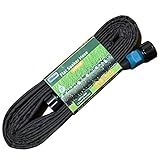
- Consistent & Even Watering Drip Irrigation Hose: Makes use of a clog-resistant fabric cover recyceld vinyl for consistent slow soaking seep throughout its entire length. Deliver water to the entire area that it covers. Only certain areas of your garden bed getting watered.For waste-free watering in garden beds and other tight spaces. Waters the base of the plants so less water-related leaf damage.
- Linkable Garden Soaker Hose For DIY Irrigation System:End to end connectable drip water hose,flexible versatile Above-ground or burry it bleow a up to 3 inch layer of mulch or soil;This fit with garden hose threads and come with rust resistant end caps that make it possible to connect multiple hoses and works well with timers.
- Maneuverability And 100% Environmentally-Friendly Drip Hose :Double layer design PVC Covered With Extra-Strength Fabric material protect from sun damage than rubber weeping hose;Ensure the longevity of the soaker hose, which is ideal for you using it regularly through all seasons in your garden.Made of 100% environmentally-friendly recycled vinyl,pass CA65 test ,water is safe for ground which makes it perfect for use with vegetables, herbs, and other edible plants.
- Easy To Store Flat Soaker Hose: This irrigation drip hose flat design is kink-resistant, lies flat makes it a breeze to roll up and store for next season.The flat shape also makes it simple to snake under existing plant growth.
- One-Year Warranty on Flat Soaker Hoses: Ensure a water pressure of 40-90 psi for best results—hot water is not suitable.
Check the root-zone condition
After flushing, confirm that the soil is moist but able to drain. Continued wilting can indicate root injury rather than a need for endless watering. Yellowing and dieback that progress after the salt has been leached warrant a closer diagnosis.
Know when replacement may be necessary
Plants with extensive root loss may not recover, particularly when the salt concentration was high or treatment was delayed. Remove and replace a plant only after the affected soil has been flushed and drainage has been addressed; otherwise, the replacement can receive the same injury.
Independent reader supportYour contribution helps us test, update, and keep practical guides available for everyone.How to tell fertilizer burn from other problems
Fertilizer burn is a diagnosis based on pattern, timing, and exposure rather than on brown tissue alone. Compare the damage with the application route and ask whether the symptoms appeared soon after fertilizing.
- Spreader overlap or spill: streaks, sharp bands, or concentrated spots that match where fertilizer was applied are strong clues.
- Drought stress: may be broader and related to dry conditions rather than a fertilizer path, although fertilizer burn itself can create drought-like symptoms.
- Disease: may spread or form patterns unrelated to the spreader route and can affect plants that received no fertilizer.
- Herbicide injury or other chemical phytotoxicity: may produce distortion or injury patterns that do not match granule placement.
- Pet-urine injury: often occurs in isolated lawn spots and should be considered when there is no fertilizer application pattern.
If the pattern does not fit fertilizer placement, or if careful flushing does not stop the decline, contact a local extension office or use a soil or plant diagnostic service. Avoid applying additional products until the cause is clearer.
Free tools Windows power users keep installed
One-click scans. No signup required.
How long recovery takes
There is no authoritative universal recovery time for fertilizer burn. The outcome depends on the fertilizer dose, salt concentration, plant species, soil drainage, amount of root damage, and speed of treatment. Some turf and plants resume growth after the salt load is reduced; others remain stunted or die because roots or crowns were destroyed.
Best Value

- Heavy duty push-on plastic couplings — Cut, shorten, or expand the hose to any length and connect multiple sections for a leak-proof, custom-fit drip irrigation system
- Consistent Soaking, Every Time — Engineered for even water distribution along the full hose length, delivering a steady drip directly to plant roots in garden beds, raised beds, and vegetable gardens
- Set It and Forget It — Compatible with any standard garden hose timer for fully automated, hands-free watering that delivers consistent moisture to roots across garden beds and raised beds
- Ideal Coverage for Any Garden Layout — Sized to fit raised beds, vegetable gardens, flower beds, and foundational plantings, delivering targeted root-zone watering exactly where your plants need it most
- Water Smarter, Not Harder — Delivers water directly to plant roots, saving up to 80% more water versus overhead sprinklers by eliminating runoff, evaporation, and overspray across your garden
Use practical checkpoints instead of a fixed calendar: the damaged area should stop worsening after salts are flushed, surviving tissue should remain viable, and new growth should not show the same pattern. If those signs are absent, reassess the diagnosis and the root-zone condition.
Preventing fertilizer burn
Measure the application
- Follow the product label for rate, timing, and application conditions.
- Calibrate the spreader so the delivered rate matches the label.
- Avoid overlapping passes, especially at turns and along edges.
- Clean up spills immediately and collect dry granules before they dissolve.
Keep fertilizer off foliage
Keep dry granules off leaves and stems. Brush granules away or water them in as the label directs. If soluble fertilizer lands on foliage, rinse it thoroughly rather than allowing the solution to dry on the leaves.
Match weather and soil conditions
Avoid applying soluble nitrogen during hot, dry conditions or to wet turf unless the label specifically calls for it. Plants already under environmental stress have less margin for an uneven or excessive application.
Recommended Free Tools
Manage irrigation and drainage
Use measured irrigation rather than short, fast bursts that run off. Maintain drainage so water can move through the root zone when salts need to be leached, while avoiding standing water. On larger areas, choose a slow, controlled delivery method and monitor runoff throughout the application.
Quick Recap
A practical decision checklist
- Is there a fertilizer-shaped pattern? Check for spreader overlap, a spill, or uneven settings.
- Are granules still visible? Collect them before they dissolve or wash away.
- Can the soil drain? If not, repeated irrigation can worsen root stress.
- Is fertilizer on the foliage? Rinse leaves and remove only dead or severely damaged tissue.
- Did flushing stop the decline? If not, investigate drought, disease, herbicide injury, pet-urine damage, or another chemical cause.
- Is root loss extensive? Replanting may be necessary after the salt problem and drainage are corrected.
Product prices and availability are accurate as of the date/time indicated and are subject to change. Any price and availability information displayed on Amazon at the time of purchase will apply.

