Do these 3 things before closing this tab:
1Scan for outdated or missing drivers - takes under a minute2Clear out junk files and repair common Windows errors3Fix the driver behind crashes, sound loss and screen glitchesThe safest method is simple: identify whether the concrete is sealed, remove dry grit, then clean small sections with warm water and a finish-compatible mild detergent. Rinse away residue and dry the floor. Unsealed concrete needs different chemistry than sealed or polished concrete, and pressure washing requires runoff control.
Identify the concrete finish first
Sealed and polished concrete usually repels water; unsealed concrete absorbs it. Test an inconspicuous, clean area with a few drops of water:
As an Amazon Associate I earn from qualifying purchases.
- Beading: a sealer or coating is likely present.
- Darkening and absorption: the slab is likely unsealed or porous.
If you know the product used—sealer, epoxy, paint or polish—follow that manufacturer’s care instructions. When the coating is unknown, test every cleaner in a hidden spot before doing the whole floor.
What’s actually slowing this PC down?
Pick the symptom - the matching free tool is one click away.
| Floor condition | Routine cleaner | Key cautions |
|---|---|---|
| Unpainted, unsealed concrete | Hot water with a synthetic detergent | NASA facility guidance says not to use soap or washing solutions containing carbonates or trisodium phosphate. Rinse and dry. |
| Sealed concrete | Mild detergent or pH-neutral cleaner suitable for the finish | Avoid abrasive tools and chemicals prohibited by the coating maker. Rinse with clean water. |
| Polished or coated concrete | Finish-compatible mild or pH-neutral cleaner | Use the coating manufacturer’s instructions; test first, especially before degreasers, acids or solvents. |
Routine cleaning: a safe step-by-step method
- Clear and inspect the area. Move loose items and look for oil, chemical residue, peeling paint or other contamination. Wear footwear with good traction.
- Remove dry soil. Sweep with a soft brush, use a dust mop or vacuum. NASA’s concrete-floor guidance recommends regular removal of loose dirt; grit left on the floor can scratch a finish when it becomes wet.
- Mix the cleaner exactly as labeled. For sealed floors, choose a mild detergent or pH-neutral product marked as compatible with the finish. For unsealed, unpainted concrete, use a synthetic detergent rather than soap, carbonate-based washing products or trisodium phosphate.
- Work in manageable sections. Apply the solution with a microfiber mop. Do not flood a porous slab or leave dirty solution standing. Change the bucket when the water becomes visibly dirty.
- Rinse. Mop again with clean water to remove detergent film. Residue can leave streaks, attract soil and make the surface slippery.
- Dry promptly. Use clean mops, squeegees or air movement appropriate to the space, and keep people off the floor until it is dry. Drying reduces slip risk and reveals areas that still need attention.
How to remove grease, oil and embedded dirt
Heavy soil needs more dwell time and mechanical action, not automatically a harsher chemical. First absorb or collect any liquid oil in accordance with local waste rules. Then:
#1 Best Overall

- Maintains polish without stripping protective coating
- Cleans and restores shine - no rinsing needed
- Great on marble, granite, vinyl and stone floors
- Concentrated formula makes up to 128 gallons of finished product
- Neutral pH formula
- Apply a compatible detergent solution to a small test area.
- Allow the label-specified dwell time without letting the product dry on the floor.
- Scrub with a soft-bristle or other finish-compatible brush. NASA and Sika guidance support detergent scrubbing for contaminated concrete.
- Collect the dirty solution, rinse with clean water and dry.
Repeat rather than escalating immediately to acids, solvents, aggressive degreasers or abrasive pads. On coated or polished floors, those products can dull, soften or remove the finish. Always check the coating instructions and test first.
Can you use a mop and dish soap?
A mop is appropriate, but the detergent matters. On a sealed floor, a small amount of mild detergent may be acceptable only when the finish manufacturer allows it; a pH-neutral, finish-compatible cleaner is the safer routine choice. On unpainted, unsealed concrete, NASA’s facility guidance specifically calls for a hot synthetic detergent solution and says not to use soap or solutions containing carbonates or trisodium phosphate. Whatever product you use, follow its dilution label, rinse and dry.
Rank #2

- Industrial strength cleaner, degreaser, and deodorizer removes heavy dirt, grease, food residue and stains from washable surfaces.
- Recognized by the U.S. EPA's Safer Choice Program.
- Cleans counters, carpet, floors, machines, equipment and vehicles.
- Cost-effective concentrated formula can be custom diluted for specific tasks giving you more value per bottle.
- Can be used manually or with professional cleaning equipment such as floor scrubbers, dip tanks, carpet extractors, pressure washers, steam extractors and foamers.
When pressure washing is appropriate
Low-pressure water or pressure washing can help with exterior slabs and heavily soiled concrete when the surface, nearby finishes and drainage arrangements permit it. It is not a default indoor cleaning method. High pressure can drive contaminants deeper, damage coatings or create hazardous splash and runoff.
Controls before starting
- Confirm that the concrete and any coating can tolerate the pressure and water volume.
- Protect walls, doors, equipment and electrical components from spray.
- Block or cover drains and establish a way to collect wash water.
- Use appropriate eye, skin, hearing and slip protection.
- Plan where the contaminated water will go before washing.
Wastewater and lead or chemical contamination
EPA fleet-maintenance guidance says pressure-washer wash water must be disposed of properly and warns that a business can remain responsible even when a contractor performs the work. EPA lead-renovation guidance requires containment so dust, debris and wastewater do not leave the work area. These controls are especially important in garages, workshops, older painted areas and locations contaminated with oil, chemicals or lead dust. Never let dirty wash water enter a storm drain or leave the work area; follow applicable local disposal requirements.
Rank #3
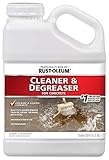
- Heavy-duty, multi-purpose cleaner/degreaser for residential and commercial applications thoroughly cleans surfaces and remove contaminates
- Use before coating concrete surfaces to promote adhesion of paints, stains and sealers
- Environmentally safe cleaner will not harm grass or plants and covers 200 sq. Ft. Per gal
- Durable cleaner breaks down Oil, grease, dirt, tire marks and stains in concrete prior to application of coatings
- Can also be diluted and used as an everyday cleaner
Why compressed air is usually the wrong shortcut
Sweeping, vacuuming and damp cleaning are safer ways to remove concrete dust and grit. OSHA’s October 4, 1999 interpretation says compressed air used for cleaning generally must be below 30 psi and used with chip guarding and personal protective equipment. Its exception for certain concrete-form cleaning is narrow; it is not a general household recommendation. Compressed air can spread dust into breathing zones, onto adjacent surfaces and into drains.
Choosing a lower-risk cleaning product
Compare products on the factors that affect both cleaning results and floor life:
Rank #4

- HEAVY DUTY CONCENTRATED FORMULA: Concentrated formula that cuts through tough dirt, grease, and oil stains fast, designed to tackle built-up grime on hard surfaces
- CONCRETE SURFACE CLEANER: Powerful concrete cleaner and degreaser for concrete driveways, garage floors, sidewalks, patios, and pavers, designed to lift embedded grime and restore high-traffic surfaces with less scrubbing
- DILUTE OR USE FULL STRENGTH: Use full strength for stubborn stains or dilute 1:1 with water for everyday cleaning flexibility. Results may vary based on the type & age of stain
- WORKS ON MULTIPLE SURFACES: Use on bare concrete, coated concrete, masonry, brick, stone, and more, formulated as an outdoor concrete cleaner and masonry cleaner for interior and exterior surfaces around the home, garage, and yard
- SAFE NEAR LANDSCAPING: Safe near grass, plants, and shrubs when used as directed, can clean walkways, entryways, and patios without worry
- Compatibility with sealed, polished, epoxy-coated or unsealed concrete.
- pH and detergent type.
- Whether the job is routine soil or grease removal.
- Residue after rinsing and the need for mechanical scrubbing.
- Required ventilation and protective equipment.
- Whether the product carries a recognized safer-ingredients certification.
EPA’s Safer Choice program identifies products whose ingredients meet its safer-chemistry criteria and includes floor-care products. “Environmentally friendly” by itself is not a certification; read the label and look for a recognized program.
Free tools Windows power users keep installed
One-click scans. No signup required.
Common mistakes that damage concrete floors
- Using the same cleaner on an unsealed slab and a coated floor without checking compatibility.
- Skipping sweeping or vacuuming and grinding grit into the surface with a wet mop.
- Flooding porous concrete or leaving dirty solution to dry in place.
- Using abrasive pads, acids, solvents or strong degreasers on an unknown coating.
- Pressure washing without containing and legally disposing of the wastewater.
- Blowing dust around with unrestricted compressed air.
A practical maintenance schedule
After each dusty or dirty task
Remove loose grit with a soft broom, dust mop or vacuum. Spot-clean spills promptly with a compatible detergent solution.
Best Value

- REMOVES GREASE & GRIME: The Pink Stuff Miracle All Purpose Floor Cleaner helps cut through everyday grease, grime, dirt, and household messes on a variety of hard surfaces. This powerful cleaning solution works throughout the home to leave floors and surfaces looking clean while helping reduce the effort required for routine cleaning tasks
- ALL PURPOSE FLOOR CLEANER: Versatile all-purpose formula is suitable for a wide range of everyday floor cleaning tasks. Ideal for maintaining clean floors throughout the home and helping tackle common household dirt and grime as part of regular cleaning routines
- VERSATILE WHOLE HOME CLEANER: More than just a floor cleaner, this multi-purpose formula can be used on floors, walls, tiles, and paintwork when diluted according to directions. It also works on a variety of household cleaning tasks, making it a practical choice for keeping multiple rooms fresh and clean with a single product
- BRILLIANT SHINE & FRESHNESS: Leaves cleaned areas looking refreshed with a brilliant shine while helping eliminate the appearance of everyday dirt and buildup. The formula delivers a clean, fresh finish that helps maintain the appearance of floors and hard surfaces throughout the home
- NO RINSE FLOOR CLEANING: Designed for convenient everyday use, this concentrated floor cleaner can be diluted for larger cleaning jobs with no rinsing required on floors when used as directed. The easy-to-use formula helps simplify regular cleaning routines while delivering effective results across busy household spaces
For routine traffic
Damp-mop in sections with a microfiber mop and mild or pH-neutral cleaner suited to the finish. Change solution as it soils, rinse and dry.
When the floor remains stained
Identify the contaminant, test a targeted detergent treatment in a hidden area, scrub with a compatible soft brush, then rinse and collect the wastewater. If the coating is failing or contamination may be hazardous, stop and consult the coating manufacturer or a qualified remediation professional.
Frequently Asked Questions
What is the best cleaner for an unsealed concrete floor?
Use a hot synthetic detergent solution, then rinse and dry. NASA facility guidance specifically advises against soap and washing solutions containing carbonates or trisodium phosphate on unpainted, unsealed concrete.
Quick wins for a faster PC:
Scan for outdated or missing drivers - takes under a minuteDriver Scan →Repair Windows errors before they cause bigger problemsFix Now →How can I tell whether concrete is sealed?
Place a few drops of water on a clean, hidden area. Beading suggests a sealer; darkening and absorption suggest porous, unsealed concrete. Confirm with the coating manufacturer when possible.
Is pressure washing concrete indoors safe?
Only with suitable surface protection, splash controls, ventilation, contained runoff and lawful wastewater disposal. For many indoor floors, controlled detergent scrubbing uses less water and presents less runoff risk.
Quick Recap
Product prices and availability are accurate as of the date/time indicated and are subject to change. Any price and availability information displayed on Amazon at the time of purchase will apply.