The Tool Desk
Outbyte PC Repair FREEClear out junk files and repair common Windows errorsFree Scan →Outbyte Driver Updater FREEScan for outdated or missing drivers - takes under a minuteDriver Scan →Choose the supplier only after the project engineer has fixed the cement standard, type or class, exposure requirements, documentation, quantity, delivery format and schedule. Then qualify suppliers against those requirements, verify each shipment’s certificate and traceability, confirm quality-control evidence and source continuity, protect the cement in storage, and compare total delivered cost rather than the quoted unit price alone.
There is no honest universal supplier shortlist: standards, approvals, transport conditions and available products vary by country and project. The method below gives owners, contractors, engineers and procurement teams a repeatable way to make a defensible local decision.

As an Amazon Associate I earn from qualifying purchases.
Start with the project specification and local code
The most reliable procurement decision begins with the design documents, contract requirements and applicable local standard—not with a supplier’s preferred product. Cement type is a design and exposure decision. A supplier can be technically reputable and still offer the wrong cement for your structure, soil, groundwater, durability requirements or construction sequence.
ASTM C150/C150M-24 is a United States specification for Portland cement, but it is not automatically the governing document in another country. The American Cement Association notes that no single universal international Portland cement specification exists. Confirm whether the project uses an ASTM, EN, national or other approved standard, and record the edition named by the contract.
#1 Best Overall
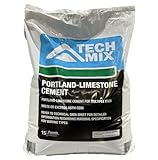
- MULTIPURPOSE: Basic building material for crafts, pavement, sidewalks, reinforced concrete buildings, masonry units, and more
- MIX AND USE: Use to create concrete, mortar, and stucco mixes
- GREAT FOR DIY PROJECTS: Ideal for small crafts with forms and silicone molds
- HIGH STRENGTH: Solid once dry, dry in 48 hours
- LESS IS MORE: One bag yields approximately .16 cu. ft.
Freeze the requirements before requesting quotations
- Applicable cement standard and edition.
- Required type, class or performance designation.
- Strength, setting, heat-of-hydration, sulfate-resistance or other chemical and physical limits stated by the design.
- Permitted blended cements or supplementary cementitious materials.
- Exposure conditions, including sulfate-bearing soil or groundwater, marine exposure, mass-concrete temperature control and freeze-thaw requirements where applicable.
- Required quantity, delivery rate, project duration and anticipated peak demand.
- Bagged or bulk format, unloading method and site access restrictions.
- Required certificates, sampling, testing, acceptance and rejection procedures.
- Approved substitutions and the person authorized to approve a change.
Have the project engineer resolve ambiguous wording before the purchase order is issued. A quotation should respond to a defined requirement, not quietly redefine it.
Match cement type to use and exposure
ASTM’s current listing covers eight Portland cement types: I, IA, II, IIA, III, IIIA, IV and V. The same listing distinguishes typical purposes, but the project specification and local code control the actual selection.
| ASTM type | Typical use described in the standard context | Procurement caution |
|---|---|---|
| Type I | General use | Use only where the design and exposure allow general-purpose cement. |
| Type IA | Air-entraining cement for applications requiring entrained air | Confirm that the concrete design calls for this air-entraining cement. |
| Type II | Where moderate sulfate resistance is desired | Verify the project’s sulfate classification and local acceptance criteria. |
| Type IIA | Air-entraining cement with the Type II performance context | Confirm both air-entrainment and sulfate-related requirements. |
| Type III | Where high early strength is desired | Check the construction sequence, heat development and specified strength-age requirements. |
| Type IIIA | Air-entraining cement with the Type III performance context | Use only where the concrete design requires both properties. |
| Type IV | Where low heat of hydration is desired | Confirm mass-concrete or thermal-control calculations and availability in the local market. |
| Type V | Where high sulfate resistance is desired | Require engineering confirmation of the sulfate exposure and the applicable test limits. |
These descriptions are selection context, not a substitute for mix design, exposure testing or approval by the design professional. The American Cement Association describes sulfate-resistant Type II or Type V Portland cement, and certain blended cements carrying MS or HS designations, as options for concrete exposed to sulfates in soil or groundwater. Apply that guidance only after the project’s exposure assessment and governing code have been checked.
Use project examples as examples, not universal rules
The June 2023 Greater Beirut Water Supply Project specification illustrates how a contract can tie cement type to a particular structure and environment: it requires manufacturer certification for every cement delivery and specifies ASTM Type II for certain reinforced substructure elements in contact with soil and Type V for certain plain or unreinforced substructures. Those are requirements for that project, not general recommendations for every building, road or utility project.
Build a supplier qualification file
Ask every candidate for the same evidence, in the same format and for the same proposed source. This makes technical comparison possible and prevents a low price from hiding missing information.
Standards and technical fit
- State the exact standard and edition the proposed cement meets.
- Identify the cement type, class or blended-cement designation.
- Provide manufacturer technical data relevant to the project’s specified limits.
- Identify the manufacturing plant and source that would appear on delivery records.
- List any proposed substitution and obtain written engineer approval before acceptance.
Certification and lot traceability
- Request the manufacturer’s certificate or test report applicable to each shipment, not only a general brochure.
- Define how the batch or lot number will connect the certificate, delivery ticket, vehicle or silo load and site receipt.
- Require the delivery document to identify cement type, source, quantity and dispatch date.
- Set the period within which certificates must arrive and identify who reviews them.
The Beirut specification is a useful model because it requires certification for each delivery and allows the Engineer to call for tests. Your contract and local code determine whether that exact requirement applies, but the principle—traceable evidence for the material actually delivered—is broadly useful.
Quality assurance and testing
The U.S. Environmental Protection Agency states: “Procuring agencies should expect suppliers of blended cement, coal fly ash or GGBF slag, and concrete to demonstrate (through reasonable testing programs or previous experience) the performance and reliability of their product and the adequacy of their quality control programs.” Read the full guidance in its Comprehensive Procurement Guidelines: Cement and Concrete Specifications.
Recommended Free Tools
Ask for the supplier’s relevant quality-control procedures, plant or laboratory accreditation information where required by the contract, records of corrective actions, and evidence of performance for the same cement source and intended use. Previous experience is useful only when the product, source and exposure conditions are comparable.
If purchaser sampling is required, settle the practical details before ordering: sampling point, method, number of increments, sample sealing, independent laboratory, test methods, acceptance limits, result deadline and responsibility for costs. ASTM C183/C183M-25 is a relevant practice for sampling and determining the amount of testing of hydraulic cement. Confirm that the contract accepts that practice and identify any additional local requirements.
Verify capacity, continuity and contingency
A supplier is not reliable if it can meet one delivery but cannot maintain the approved material through the concrete programme. Validate the quantity available, production or inventory position, lead time and peak delivery capacity against the project schedule.
Rank #2
Questions to ask about supply continuity
- What quantity can be committed for the full project, and what quantity can be delivered during the busiest period?
- What is the normal lead time from call-off to dispatch, and how does it change during seasonal or regional demand peaks?
- Will the same manufacturer, plant, brand and source be maintained for the project?
- What happens if the plant, transport route or inventory becomes unavailable?
- Can the supplier identify an alternate source, and what approvals and validation would be required before using it?
- How are partial deliveries, delayed loads and emergency call-offs handled?
The Beirut project specification calls for the same type, brand and source unless the Engineer approves otherwise. Treat that as a strong example of a continuity clause to consider, while recognizing that your own contract may set different rules.
Outdated Drivers Are Slowing You Down
One free scan finds every outdated or missing driver and matches the right update for your exact hardware.Free scan · exact hardware matchPC Slower Than It Used to Be?
A free scan shows the junk files, broken settings and background clutter dragging Windows down - then fixes them in one click.Free scan · Windows 10 & 11Separate capacity claims from commitments
Ask the supplier to convert verbal assurances into a written supply schedule, allocation or call-off arrangement. The document should state the cement type and source, planned quantities, delivery windows, notice period, contact persons and escalation route. A supplier’s warehouse stock may not represent a reserved quantity, so ask what is actually committed to your project.
Check delivery conditions, site access and storage
Reliability includes delivering cement in usable condition. Confirm whether the proposal is for bags, bulk tankers or both, and check that the site can receive the chosen format.
Delivery details to confirm
- Transport equipment and maximum vehicle dimensions.
- Unloading equipment, hose reach, crane or forklift requirements.
- Delivery windows, waiting-time rules and restrictions on night or weekend access.
- Weather protection during transport and unloading.
- Weighing method and the documents issued at dispatch and receipt.
- Procedure for damaged bags, contaminated material, wet cement, short deliveries or a vehicle that arrives outside the agreed specification.
- Who pays for demurrage, re-delivery, testing and removal of rejected material.
ASTM’s C150 listing states that cement storage should permit inspection and protect the cement from dampness. Arrange storage before the first shipment: keep bags off the ground on pallets, protect them from rain and rising moisture, keep lots identifiable and use a controlled first-in, first-out system where practical. For bulk cement, ensure the silo is clean, dry, correctly labelled and fitted for safe inspection and transfer.
Inspect every arrival
- Check the delivery ticket against the purchase order, approved source, cement type, quantity and batch or lot identity.
- Inspect bags or bulk connections for moisture, damage, contamination, broken seals or labels that cannot be read.
- Record arrival time, vehicle or silo identification, weather conditions where relevant and the receiving person.
- Quarantine material with an unexplained source, missing certificate, damaged packaging or suspected moisture exposure.
- File the certificate and inspection record so the material can be traced to concrete placed in a particular element.
Compare suppliers with a compliance gate
Use a documented scorecard only after mandatory requirements have been checked. A supplier failing a required standard, certificate, source approval or capacity criterion should not become competitive merely because its price is lower.
Free tools Windows power users keep installed
One-click scans. No signup required.
| Comparison axis | Evidence to request |
|---|---|
| Standards and technical fit | Standard edition, type or class, manufacturer data and project-engineer approval. |
| Quality and traceability | Per-delivery certificate, batch identification, quality-control evidence, sampling method and testing terms. |
| Capacity and continuity | Available volume, peak capacity, lead times, approved-source continuity and contingency plan. |
| Logistics and condition | Bag or bulk format, freight, unloading, delivery windows, protected storage and arrival inspection process. |
| Total cost and risk | Delivered price, payment and quotation terms, testing or rejection costs and schedule risk assessed against required performance. |
Do not apply a generic percentage weighting without the project team first deciding what matters most. A remote project with a narrow delivery window may place more emphasis on logistics and contingency; a sulfate-exposed structure may make technical conformity the decisive factor. Record the rationale so the award can be defended later.
Compare total delivered cost, not the headline price
Request an itemized quotation. The comparison should include the cement price and every cost required to receive conforming material at the worksite:
- Unit price and currency.
- Freight, fuel surcharges and distance assumptions.
- Unloading, pumping, bag handling or silo charges.
- Minimum order quantity and any small-load premium.
- Testing, sampling and independent laboratory charges.
- Storage, return, disposal or re-delivery costs for rejected or damaged material.
- Payment terms, credit requirements and price-validity period.
- Taxes, duties or other locally applicable charges.
Then assess the non-price exposure: a missed concrete pour, an unapproved source change, a failed test, or an unusable wet load can cost more than a modest difference in unit price. EPA guidance supports evaluating alternate materials against both performance and price objectives and documenting technical reasons for restrictions. That same discipline should govern supplier selection.
What to check before ordering cement in bulk
Use this pre-order checklist at the final approval meeting:
Do these 3 things before closing this tab:
1Repair Windows errors before they cause bigger problems2Scan for outdated or missing drivers - takes under a minute3Clear out junk files and repair common Windows errors- The contract, local code and engineer have identified the required standard, edition, cement type or class and exposure limits.
- The quotation identifies the manufacturer, plant, source, format, quantity and delivery schedule.
- The proposed product’s technical data has been checked against the project specification.
- Per-delivery certificates and the lot-to-ticket matching process are written into the purchase order.
- Sampling, testing, acceptance, rejection and cost responsibilities are agreed.
- Peak demand, lead times and a documented contingency plan have been reviewed.
- Site access, unloading equipment, delivery windows and weather protection are ready.
- Bagged or bulk storage is dry, labelled, inspectable and sized for the planned receipts.
- Delivered cost includes freight, unloading, testing, rejection exposure and payment terms.
- Any blended cement, supplementary cementitious material or other alternate has written engineering and code approval.
Place the order with enforceable controls
- Issue a clear request for quotation. Attach the relevant specification and list mandatory technical, documentary, delivery and commercial requirements.
- Screen for pass/fail compliance. Remove proposals that omit the required standard, source, certification or capacity evidence.
- Clarify exceptions in writing. Ask each remaining supplier to list deviations rather than allowing assumptions in a phone call or informal email.
- Evaluate samples or prequalification evidence. Where the contract requires testing or prior-performance evidence, complete it before committing the bulk quantity.
- Agree the supply schedule. Tie call-off quantities and notice periods to the concrete programme and state the escalation process for delay.
- Write the purchase order. Include cement type, source, standard edition, certificate requirement, identification method, testing, rejection rights, storage responsibilities and change-approval authority.
- Confirm the first dispatch. Obtain the batch identity, certificate status, vehicle or silo details and delivery window before loading.
- Receive and release by lot. Inspect the arrival, match records, quarantine exceptions and release material only under the project’s acceptance procedure.
Recognize red flags and correct them early
“Our usual cement is suitable for everything.”
That answer ignores exposure and specification differences. Ask for the exact type or class, standard edition and technical evidence for your project; refer unresolved issues to the engineer.
Rank #3

- MULTIPURPOSE: Basic building material for crafts, pavement, sidewalks, reinforced concrete buildings, masonry units, and more
- MIX AND USE: Use to create concrete, mortar, and stucco mixes
- GREAT FOR DIY PROJECTS: Ideal for small crafts with forms and silicone molds
- HIGH STRENGTH: Solid once dry, dry in 48 hours
- LESS IS MORE: One bag yields approximately .5 cu. ft.
A brochure is offered instead of a shipment certificate
A general product sheet cannot prove what arrived. Require a certificate or test report tied to each batch or lot and define the delivery-document match.
The source may change without notice
Uncontrolled source changes can affect conformity and continuity. Require advance notice, technical review and written approval before any change.
The price excludes freight or unloading
Recalculate the delivered cost using the same assumptions for every supplier. Do not compare an ex-works figure with a delivered figure.
What’s actually slowing this PC down?
Pick the symptom - the matching free tool is one click away.
The supplier cannot explain peak-period capacity
Request a written allocation, production or inventory commitment and contingency plan. If the supplier cannot support the programme, treat capacity as unproven.
Storage is improvised at site
Stop the delivery plan until dry, inspectable and clearly identified storage is ready. Moisture exposure and lost lot identity create both material and quality risks.
Consider blended and lower-carbon cement only when permitted
Blended cement or supplementary cementitious materials can be valid alternatives, but they must satisfy the project specification and engineering design. EPA references ASTM C595 for blended hydraulic cement and advises that alternate materials be evaluated against performance and price objectives. Any restriction or approval should be supported by technical performance information.
The American Cement Association’s Cement & Concrete FAQ describes Portland-limestone cement as containing 5% to 15% limestone and as having similar performance to Type I Portland cement with about 10% lower greenhouse-gas emissions. Treat those figures as the association’s description, not as an independent project-specific comparison. Confirm the permitted designation, strength development, durability evidence and local acceptance before substituting it.
Quick wins for a faster PC:
Fix the driver behind crashes, sound loss and screen glitchesFind Drivers →Repair Windows errors before they cause bigger problemsFix Now →Use procurement guidance without outsourcing engineering judgment
ISO 22058:2022 frames construction procurement around market engagement, strategy and tactics. It can help organize the procurement process, but it does not identify cement suppliers or replace the project specification, local code or engineer’s approval.
The final supplier should be the one that can demonstrably provide the specified cement, with traceable certificates, adequate quality control, reliable capacity, workable logistics and acceptable delivered risk. A local decision requires the project’s country or region, required volume, cement type or class, schedule and bagged-versus-bulk needs; without those details, naming a universally reliable supplier would be misleading.
Keep a complete project record
Retain the request for quotation, all technical submissions, the compliance review, scorecard rationale, approved source, purchase order, delivery schedule, certificates, sampling records, laboratory results, arrival inspections, nonconformance reports and approval of any change. Link each record to the batch or lot used in the work. This file supports payment, quality audits, defect investigations and future procurement decisions.
Before award, the project engineer and procurement lead should be able to answer five questions from the file: Does the cement meet the governing specification? Can every shipment be traced? Is the supplier’s quality and capacity evidence credible? Can the site receive and protect the material? Does the delivered value justify the schedule and technical risk? If any answer depends on an undocumented promise, the order is not ready.
Quick Recap
Product prices and availability are accurate as of the date/time indicated and are subject to change. Any price and availability information displayed on Amazon at the time of purchase will apply.

