A practical starting point is to set aside about 1% of the home’s value each year for maintenance and repairs, then raise that target if the house is older, needs work, or has major systems nearing replacement. Fannie Mae gives a broader planning range of 1% to 4% annually; it is a rule of thumb, not a prediction of what your particular home will cost to maintain.
Start with a percentage, then adjust for the house
To get an initial annual target, multiply the home’s value by 0.01 for a low-end scenario or by 0.04 for a high-end one. Divide the annual figure by 12 to see what setting aside money monthly would look like. Fannie Mae describes 1% to 4% of a home’s value per year as a rule of thumb for maintenance, repairs, and replacements. Its illustrative examples use 1% for a new home and 4% for a home more than 30 years old. Those examples are guidance, not a measured average of what homeowners spend.
As an Amazon Associate I earn from qualifying purchases.
The calculations below apply that range to two home values. The figures are arithmetic illustrations—not forecasts, quotes, or estimates of actual repair bills. The $350,000 examples also match the amounts Fannie Mae gives for a new home and a home more than 30 years old.
Quick wins for a faster PC:
Fix the driver behind crashes, sound loss and screen glitchesFind Drivers →Repair Windows errors before they cause bigger problemsFix Now →| Home value | At 1% per year | Monthly equivalent | At 4% per year | Monthly equivalent |
|---|---|---|---|---|
| $250,000 | $2,500 | About $208 | $10,000 | About $833 |
| $350,000 | $3,500 | About $292 | $14,000 | About $1,167 |
For example, a buyer considering a $250,000 house could use $2,500 a year as a low-end planning scenario and $10,000 as a high-end one. That wide gap is useful: it shows why the home’s condition matters more than treating one percentage as a universal answer. The monthly equivalents are a way to plan regular saving, not a requirement that the money be spent every month.
#1 Best Overall

- Valued Carpenter Pencil Set: You will get 2 pcs solid carpenter pencils with 26 piece 2.8 mm refills, 1 replaceable sharpener, 1 plastic storage box.The complete carpenter pencils combination allows you to finish your work faster and more easily
- Deep Hole Marker Pencil: The deep-hole construction pencils adopts 45mm elongated tip design, which is more convenient to mark in the small hole or in other tight areas that other carpenter markers cannot reach
- Carpenter Pencils with Sharpener: The sharpener is screwed into the top of the work pencil, which won't get lost either. Built-in pencil sharpener that keep the lead with pointed and smooth to Improves line of sight in fine work
- Stronger Solid Lead: This work pencil is matched with a 2.8 mm thick lead , which is much thicker and stronger during the drawing process of construction work, it will not break or damage easily
- Marks on Various Surfaces: 3 colors solid construction pencil can marks on various surfaces,such as metal, plastic, wood, paper etc. Ideals for woodworkers, contractors, craftsmen, builders, merchants and masons
Why a starter home may need more than the low-end target
“Starter home” describes a buyer’s stage or a home’s role in a purchase plan; it does not establish the property’s age, condition, size, or repair needs. A lower purchase price by itself does not show that a home will be inexpensive to maintain. A modest home with an aging roof or heating and cooling equipment can have a different risk profile from a newer home in good condition.
Age is one signal, not a complete assessment. Fannie Mae’s example places a new home at the low end of its range and a home more than 30 years old at the high end, but that does not mean every older house requires exactly 4%, or every new one can safely be budgeted at 1%. Inspection findings, visible condition, and the remaining life of costly components should influence the buyer’s planning.
Local context matters too. The Consumer Financial Protection Bureau (CFPB) says maintenance and repair costs vary with location, climate, home size, building code, and energy efficiency. These factors can change the demands placed on a property and the context in which repairs are made. The available guidance does not provide a universal formula for assigning a percentage to each factor, so use them to adjust your judgment rather than plugging them into a made-up calculator.
What’s actually slowing this PC down?
Pick the symptom - the matching free tool is one click away.
Rank #2

- Ergonomically Designed: Work in tight areas with a compact design that gets into tough spots
- Compact and Lightweight: Both tools are designed to fit into difficult to reach spaces. The 1/4" impact driver has a length of 5.55 in. and weighs just 2.8 lbs, while the 1/2" drill/driver measures only 7.5 in. and weighs 3.6 lbs
- Both the DEWALT impact driver and electric drill driver feature integrated LED work lights with a convenient 20-second delay, ensuring enhanced visibility in dimly lit or challenging work areas
- One-Handed Loading - Keep one hand free with a 1/4 in. hex chuck that accepts 1 in. bit tips
- Power drill cordless with 1/2" single sleeve ratcheting chuck provides tight bit gripping strength, making bit changes faster and more secure
Build a budget around the actual property
Use the percentage range to establish a starting reserve, then separate predictable work from routine upkeep and unexpected failures. That separation makes a budget more useful: known work can be planned around its expected timing, while a general reserve gives you flexibility for smaller fixes and surprises.
1. Set low, middle, and high planning scenarios
Calculate the 1% and 4% endpoints for the home’s value. If you want a middle scenario for your own worksheet, choose a percentage between those endpoints based on the property’s condition; it is your planning choice, not a separate official benchmark. Convert each annual scenario to a monthly amount by dividing by 12. Compare those amounts with what you can comfortably save after accounting for your other ownership costs.
Do not treat the top of the range as a guaranteed ceiling. The rule is a broad heuristic, and an individual home can face unusually costly work in a particular year. Its value is in helping you think about an ongoing reserve rather than assuming repair costs will be zero or perfectly even from year to year.
Rank #3

- 【Great Compatibility】This Katerk 1/4 inch hex shank bit holder is specifically designed for 1/4 inch hex shank drill bits. It's compatible with most 1/4 fast hex handles, hex sockets, various electric screwdrivers, and handheld screwdrivers. The bit holder makes it a valuable addition for any handyman.
- 【Secure and Safe】Built with a secure backup nut design, each drill bit holder securely locks onto your bits, ensuring they stay firmly in place. Additionally, our bit holder incorporates a high-quality steel ball rolling design that holds up to several kilograms of weight, ensuring your various drill bits don't fall off.
- 【Easy One-Handed Operation】The bit holder for impact driver allows you to change bits single-handedly, simplifying your workflow. Its multi-color design further allows for quick identification of the drill bit you need.
- 【Compact and Convenient】Thanks to its compact size, this 1/4 inch bit holder is easy to carry around. The bit holder allows for easy attachment to various tools, making this a convenient addition to your construction accessories. The Katerk bit holder is cast from high-quality alloy material, promising a long product lifespan. Despite its rugged strength, the bit holder remains lightweight, making it portable.
- 【Cool Christmas Gift For Men Stocking Stuffers】 This screwdriver bit holder, driver bit holder, impact bit holder, can be given as a gift to your loved one, especially for anyone involved in construction or electrical work. It's a must-have for stocking stuffers for men and women, tools gifts for dad, tech gadgets for men, gifts for dad, gifts for him, gifts for husband, gifts for boyfriend, cool gadgets for men, and cool gifts for dad.
2. Review the inspection for costly components
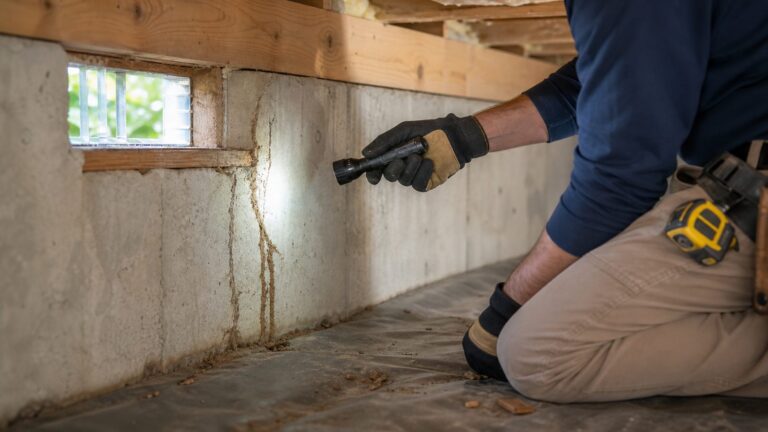
Before buying, look for the inspection report’s observations about the roof, heating and cooling equipment (HVAC), plumbing, and other significant components. Note reported defects, signs of deferred maintenance, and any information about condition or remaining service life. Freddie Mac recommends assessing major repair or replacement needs and using inspection findings to inform a homebuying budget.
PC Slower Than It Used to Be?
A free scan shows the junk files, broken settings and background clutter dragging Windows down - then fixes them in one click.Free scan · Windows 10 & 11Outdated Drivers Are Slowing You Down
One free scan finds every outdated or missing driver and matches the right update for your exact hardware.Free scan · exact hardware matchAn inspection helps identify risks but cannot guarantee that every hidden problem will be found or tell you exactly what a repair will cost. Freddie Mac describes the possibility of an undetected underlying issue, such as an imminent plumbing problem that could cost thousands of dollars to fix. Treat the report as evidence to investigate and plan—not a warranty or a precise price list. If a finding could materially change your budget, seek an appropriate follow-up assessment or repair estimate before relying on the original plan.
3. Plan known replacements separately
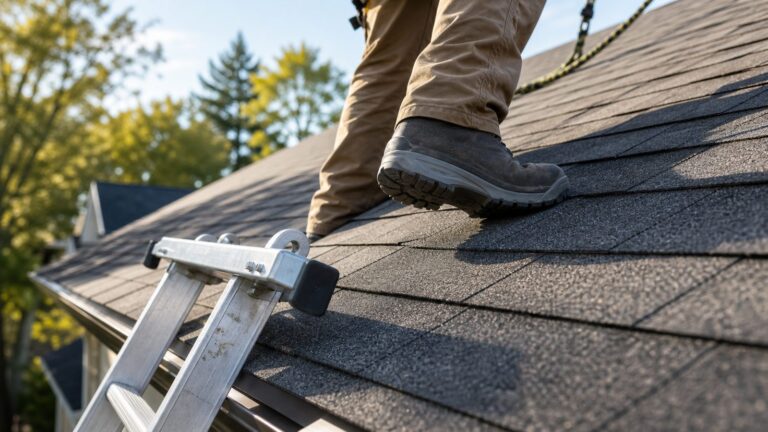
If the inspection or seller disclosures point to a likely roof, HVAC, plumbing, or other major replacement, do not let the general annual percentage obscure that upcoming expense. Record it as a known near-term need and plan for its timing and likely cost separately from ordinary recurring upkeep. A professional can help assess condition or provide a project estimate, but do not assume that the percentage rule itself predicts the cost of a particular replacement.
Rank #4

- Long Nib and Deep Hole Marker: Our mechanical carpenter pencil with 45mm nib is designed for easy marking of deep holes or narrow areas. These construction pencils are the great choice for woodworking tools, construction tools, carpenter tools, contractor tools, wood carpentry tools and architect tools
- Extra Refills in 2 Colors for Versatile Marking: The construction mechanical pencil comes with 12 extra 2.8mm refills, including 6 red and 6 black refills. The black refill is suitable for light surfaces, while the red wax is perfect for dark surfaces. Our carpenter mechanical pencil makes sure that you'll have an ample supply for extended use
- Built-in Sharpener: Our construction pencil comes with a built-in sharpener to ensure the mechanical pencil tip is always sharp and ready for use. Never buy an extra pencil sharpener again. A great tool for any woodworker pencil, contractor pencils. The refill can easily be extended or retracted with a simple click of the pencils mechanical, allowing you to work more efficiently and accurately
- Portable Clip Design: Our deep hole construction pencil features a portable clip design, easy to carry and attach to your pocket or tool box, so that you can keep the carpenter pencils mechanical close at hand, making it a convenient tool to have on the go. Great gifts choice for carpenters
- Stronger Pencil Lead: The black refills are made of lead, sturdy and smooth. The red refills are made of wax, clear and light. These marking pencils are much thicker and stronger than normal pencils during the marking process of construction work, suitable for various surfaces, such as glasses, metal, boards, floors, walls, furniture, etc. The written marks can be easily wiped with a wet paper towel when needed
This distinction is especially useful when comparing two houses. One may have a higher general maintenance target because of age or condition, while another may have a specific replacement approaching soon. A buyer should compare both the recurring upkeep picture and the timing of identified major work rather than relying on purchase price alone.
4. Keep an emergency cushion
Homeownership puts repair and maintenance responsibility on the owner, and an unexpected failure may not wait until the monthly savings target has accumulated. The CFPB recommends building an emergency fund for unexpected maintenance and repair costs. Preserve a cushion alongside your regular contributions, especially if a repair would otherwise interfere with essential bills or planned work. Official guidance establishes the need for a cushion but does not prescribe a universal dollar amount for every household.
5. Track what the house actually costs
Once you own the home, record spending on upkeep and repairs during the year and note which costs were routine, unexpected, or tied to a major project. Fannie Mae advises tracking actual spending, and Freddie Mac recommends routine maintenance and planning ahead for major purchases. Reviewing your records helps you adjust future saving to the home you actually have instead of relying indefinitely on a broad rule of thumb.
Best Value

- Milwaukee Ink all Fine Point Marker, Black, 4 Per Pack
- 4 per pack Features Clog Resistant Marker Tip Writes through Dusty, Wet and Oily Surfaces Durable Marker Tip for Writing on Concrete, OSB and Rough Surfaces
- Clog resistant tip writes on dusty, wet and oily surfaces and is optimized for rough surfaces such as OSB, cinderblock and concrete
- Hard hat clip- attaches for easy access
- Quick dry time with reduced smearing and marking
Compare repair risk when choosing between starter homes
When two homes are under consideration, compare their likely maintenance demands directly. The sources support these factors as relevant to costs, but they do not provide a dollar model that can predict an individual home’s future spending.
- Age and observed condition: Consider the home’s age together with visible wear and inspection-reported concerns.
- Major systems: Compare the roof, HVAC, plumbing, and other costly components by condition and remaining life, where that information is available.
- Known deferred work: Separate issues that already need attention from ordinary recurring upkeep.
- Location and climate: Account for local conditions that can affect maintenance needs and repair context.
- Size and building characteristics: Include the home’s size, construction, and energy efficiency in your assessment.
If one property has a lower asking price but substantial known deferred maintenance, its apparent savings may not reflect the funds needed after purchase. Conversely, age alone does not establish that a home is in poor shape. Use inspection evidence and property-specific information to make the comparison, and keep uncertainty visible when an important system’s condition or replacement timing is unclear.
Keep the repair reserve separate from other ownership costs
The repair target is only one part of home affordability. The CFPB treats maintenance as an ownership cost to include when deciding what you can spend, while utilities, taxes, insurance, and planned remodeling are separate costs. Do not count money intended for those obligations as if it were available for repairs, or count planned remodeling as routine upkeep. A purchase may appear affordable at closing yet feel strained if there is no room in the ongoing budget for maintenance and a surprise repair.
Free tools Windows power users keep installed
One-click scans. No signup required.
Early estimates are imprecise because the buyer may not yet know every condition of the property or the timing of future failures. The CFPB advises leaving a cushion as costs are being estimated. A realistic plan therefore has three parts: a regular reserve based on the home’s value and condition, separate savings for known major work, and an emergency cushion for the costs that cannot be scheduled.
What the percentage rule can—and cannot—tell you
The 1%–4% range is a simple way to begin budgeting across homes with different values. It can prompt a buyer to ask whether there is room for upkeep in the monthly budget and whether an older or less certain property calls for a higher reserve scenario. It cannot tell you which repairs a specific house will need, when they will occur, or how much a contractor will charge.
Official homeowner guidance reviewed for this article does not establish a measured national average specifically for starter-home repair spending. That makes it important not to describe the range—or any calculation from it—as the average bill for this category of homes. Use the rule as a planning framework, refine the target with inspection and property details, and update it as actual spending becomes clear.
Quick Recap
Product prices and availability are accurate as of the date/time indicated and are subject to change. Any price and availability information displayed on Amazon at the time of purchase will apply.