Harvest pumpkins when the fruit has reached its variety-specific mature color, the rind resists a fingernail, and the stem next to the fruit is becoming hard and woody. Pick mature fruit before a hard freeze, cut the stem rather than pulling it, leave 3–4 inches attached, and handle the pumpkin gently. Curing and proper storage then determine how long it remains usable.
Harvest pumpkins when they look mature—not simply when the calendar says it is fall
The best time to harvest a pumpkin is when it has reached its variety’s mature color, the rind is hard enough to resist a fingernail, and the stem close to the fruit is becoming hard and woody. Use all three signs together rather than relying on a fixed date or the seed packet alone.
As an Amazon Associate I earn from qualifying purchases.
Harvest mature pumpkins before a hard freeze. Cut the stem with clean, sharp tools, leaving about 3–4 inches attached. Never pull a pumpkin from the vine or carry it by the stem. Handle the fruit gently, cure it in a warm, dry, well-ventilated place, and then store sound pumpkins in a cool, dry location.
How to tell when a pumpkin is ready to harvest
A pumpkin is usually ready when several maturity indicators agree. No single test is perfect: color varies by variety, vines can die from disease, and weather can shift the harvest date.
#1 Best Overall

- CLEAN CUTS FOR LIVE GROWTH: Bypass blade design is ideal for pruning delicate flower stems and green growth, helping reduce crushing and plant damage while cutting stems and small branches up to 5/8” in diameter
- BLADES STAY SHARP: Precision-ground steel blades are engineered to stay sharp through heavy use, & all-steel construction provides lasting durability, delivering consistent cutting performance for regular garden maintenance & detailed pruning tasks
- SMART BLADE FEATURES: Blade coating helps reduce friction for smoother cuts, minimizes sap buildup & gumming, and enhances resistance to rust for longer-lasting performance in outdoor conditions; sap groove keeps the blades from sticking during use
- COMFORTABLE, CONTROLLED GRIP: Ergonomic, non‑slip handle enhances control and reduces hand fatigue during repetitive cuts; easy‑open safety lock secures the blade for safe transport and compact storage
- INCLUDES: (1) Fiskars Bypass Pruning Shears designed for everyday gardening and plant care and backed by a Lifetime Warranty. Product care tips: Wipe pruners clean after each use to prevent sap build-up and lightly oil blade for longer product life
1. Check the pumpkin’s mature color
The fruit should have the color expected for its variety. Traditional orange pumpkins should be fully or nearly fully orange. Other mature pumpkins may be tan, white, blue-gray, dark green, or another color.
Look at the seed packet or variety information for the expected mature color. A green pumpkin is not necessarily immature, and an orange pumpkin is not necessarily ready if its rind is still soft. Color is one clue, not the complete test.
2. Test the rind with a fingernail
Press a fingernail firmly against the skin in an inconspicuous spot. A mature pumpkin should resist indentation and should not be easy to scratch or puncture. If your fingernail readily dents or cuts the rind, leave the fruit on the vine longer if weather and plant health allow.
Recommended Free Tools
Do not repeatedly puncture the pumpkin while testing it. One careful test is enough; wounds provide an entry point for decay.
3. Examine the stem beside the fruit
The short section of vine directly attached to the pumpkin should begin to harden and become woody as the fruit matures. A green, soft stem suggests that the pumpkin may still be developing, although stem appearance should be considered alongside color and rind hardness.
4. Use vine decline only as supporting evidence
As a pumpkin finishes developing, the vine may dry and wither. This can support the other maturity signs, but it is not proof of ripeness. Disease, insects, drought, or root damage can kill a vine before its fruit is fully mature.
5. Treat days to maturity as an estimate
The days-to-maturity figure on a seed packet is normally counted from a specified point, often planting or transplanting, and is an estimate under favorable growing conditions. Cool weather, heat, drought, transplant stress, poor pollination, and other growing conditions can move the actual harvest date by days or weeks.
Rank #2

- LONG-LASTING SHARPNESS: Japanese SK5 bypass blade with titanium coating is tested through 5,000 cuts to maintain a sharp edge and deliver clean, consistent cuts on live stems and branches
- BUILT FOR 5X DURABILITY: Heavy-duty 3-layer titanium-coated SK5 blade resists wear and corrosion, while anodized aluminum handles and high-hardness screws reinforce the pruner. Repeated cutting tests show up to 5X the durability of standard pruners
- POWERFUL 4X LEVER CUTTING: The optimized lever-action design multiplies cutting force up to 4X, making thicker branches easier to prune with less hand effort. Cuts branches up to 3/4" with smooth, controlled power for everyday garden pruning
- ARTHRITIS & SENIORS FRIENDLY: Ergonomic non-slip rubber handles cushion pressure and provide a secure, comfortable grip, helping reduce hand and wrist fatigue. A comfortable hand pruner for seniors, arthritis and longer pruning sessions
- ONE-HAND SAFETY LOCK: The easy-access safety lock opens and closes with one hand for faster trimming, then securely holds the blades closed for safer carrying and storage
Use the expected timing to begin checking the fruit, then make the harvest decision from the pumpkin itself. In many home gardens, pumpkins are harvested during late September or October, but that is a common regional window—not a universal rule.
When should you harvest pumpkins?
Harvest as soon as the pumpkin has passed the maturity checks and before a hard freeze. If the fruit is mature and a hard freeze is forecast, do not wait for a more convenient date.
Light frost versus hard freeze
A light frost that damages or kills the vine does not automatically ruin a sound, mature pumpkin. The fruit may still be usable if it has no freeze injury, soft spots, or open wounds.
A hard freeze is more dangerous. Temperatures below approximately 28°F can weaken the rind and increase the risk that bacteria will enter, shortening storage life. Pick mature pumpkins before those conditions arrive, and bring harvested fruit into a protected area rather than leaving it exposed.
PC Slower Than It Used to Be?
A free scan shows the junk files, broken settings and background clutter dragging Windows down - then fixes them in one click.Free scan · Windows 10 & 11Crashes, No Sound, or Screen Glitches?
Random freezes, missing sound and display glitches usually trace back to one bad driver. Find and replace yours safely.Free scan · under a minuteWhat if the pumpkin is only partly colored?
If disease is spreading through the vines, pests are causing damage, or a hard freeze is imminent, harvest the fruit rather than sacrificing it while waiting for perfect color. A pumpkin that has begun changing toward its mature color may continue to develop some color off the vine.
However, off-vine color development is not the same as full maturity. Partly mature pumpkins are generally less dependable for long-term storage and may not develop the same eating quality as fruit that matured fully on the plant.
How to harvest pumpkins without damaging them
- Choose a dry day when possible. Dry conditions are especially helpful if you plan to cure the pumpkins outdoors.
- Wear gloves. Some pumpkin vines and stems have sharp prickles.
- Use a clean, sharp tool. Bypass pruning shears, garden cutters, or a sharp knife can cut the stem cleanly.
- Leave 3–4 inches of stem attached. A substantial stem helps protect the fruit and is useful for display. Do not cut flush with the pumpkin.
- Support the fruit from underneath. Lift the pumpkin with both hands when necessary; never use the stem as a handle.
- Set it down gently. Avoid dropping, throwing, roughly rolling, bruising, puncturing, or slicing the rind.
Tool choice: pruning shears or a garden knife?
Bypass pruning shears are a practical choice for cutting pumpkin stems, particularly when the stem is thick or tough. Use a sharp, clean pair and cut far enough from the fruit to leave the recommended stem length. A sharp garden knife is also acceptable, but keep the blade pointed away from your body and hands, and use extra care when cutting through a woody stem.
No specialty brand or tool is required. The important points are a clean cut, a remaining stem of roughly 3–4 inches, and safe handling. If the stem is prickly, gloves are worthwhile.
Rank #3
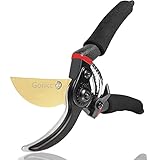
- Drop-forged construction delivers exceptional durability and sturdiness for long-term heavy garden use.
- Premium SK-5 steel blade with titanium coating and ultra-fine polishing ensures sharpness, rust resistance, and smooth cutting.
- Ergonomic non-slip aluminum handles wrapped with PVC offer lightweight strength, comfort, and reduced hand fatigue.
- Built-in sap groove effectively channels away sap to prevent sticking and keep blades clean during pruning.
- Capable of cutting branches up to 3/4 inch in diameter, ideal for live plants, stems, and light woody pruning tasks.
Why you should not pull or carry a pumpkin by its stem
Pulling can tear the stem from the fruit and create a wound. A broken or missing stem gives decay an easier entry point and can reduce storage life. A stem can also snap while you are carrying the pumpkin, causing the fruit to fall and bruise.
Pumpkins with no stem, deep cuts, punctures, or substantial bruising are poor candidates for long-term storage. Set those aside for prompt cooking or processing.
Does a pumpkin ripen after harvest?
Not in the same dependable way as a tomato or peach. The best storage and eating quality usually come from allowing the pumpkin to mature fully on the vine. A partly colored fruit may continue to color after an emergency harvest, but it should not be treated as equivalent to a fully mature pumpkin.
This is why harvesting too early simply to meet a calendar date is usually a mistake. Check the rind, color, stem, and weather instead.
Quick wins for a faster PC:
Fix the driver behind crashes, sound loss and screen glitchesFind Drivers →Repair Windows errors before they cause bigger problemsFix Now →Scan for outdated or missing drivers - takes under a minuteDriver Scan →How to cure pumpkins after harvesting
Curing hardens the rind and allows small surface nicks to seal or scab over. It can improve a pumpkin’s ability to withstand storage, but it cannot rescue fruit that is already rotting, badly bruised, or punctured.
Outdoor curing
When the weather is warm, dry, and free of rain, place pumpkins in a protected outdoor location for approximately 7–14 days. Arrange them in a single layer so air can circulate and keep them away from persistently wet ground.
Protect the fruit from rain, condensation, and overnight conditions that are cold enough to cause damage. If the forecast turns wet or cold, move the pumpkins under cover or cure them indoors.
Rank #4
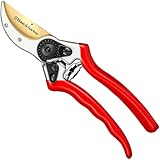
- Sharp, Clean Cuts Every Time – Engineered from Japanese grade, high-carbon steel, ClassicPRO bypass pruning shears for gardening stay sharp and make precise cuts that encourage healthy growth and won’t damage your plants
- No More Hand Fatigue and Wrist Strain – ClassicPRO gardening shears are designed with an ergonomic handle, non-slip grips, and shock-absorbing pads, making them lightweight and comfortable for smaller hands, seniors, and arthritis sufferers
- Rust and Corrosion Resistant – Tired of garden shears that rust after just a few uses? Our heavy duty pruning shears are constructed from anodized aluminum with titanium-coated blades to reduce friction and protect against rust and corrosion
- One Gardening Pruner, Many Uses - Preferred by professional landscapers and master gardeners, ClassicPRO clippers for gardening are adjustable general-purpose secateurs and branch cutters to trim trees, plants, and indoor flowers up to 1” thick
- Designed to Last Season After Season – Tired of cheap, low-quality hand pruners for gardening? Our heavy duty handheld garden clippers are designed for durability and longevity so you always have reliable shears
Indoor curing
Use a warm, covered, well-ventilated space. Approximately 80°F is a useful target for indoor curing; guidance for partly ripe fruit brought indoors commonly falls around 80–85°F with roughly 80–85% relative humidity. The exact setup matters less for a small home harvest than keeping the fruit warm, dry on the surface, protected from rain, and surrounded by moving air.
The Tool Desk
Outbyte PC Repair FREERepair Windows errors before they cause bigger problemsFix Now →Outbyte Driver Updater FREEFix the driver behind crashes, sound loss and screen glitchesFind Drivers →Open doors where appropriate or use a fan to improve airflow, but do not blow damp air or condensation onto the pumpkins. Avoid stacking fruit during curing.
How to know curing is complete
- The rind is difficult to puncture with a fingernail.
- Small superficial nicks have dried or scabbed over.
- The fruit has no spreading soft spot, leak, or sour or rotten area.
Discard or use badly damaged pumpkins promptly instead of attempting to cure them for storage.
Independent reader supportYour contribution helps us test, update, and keep practical guides available for everyone.How to store harvested pumpkins
Store cured, undamaged pumpkins in a dry, cool, well-ventilated place protected from rain. A temperature of approximately 50–55°F is a useful target. Extension guidance varies by variety and growing situation, but relative humidity in the broad range of about 50–75%, combined with good air movement, helps limit moisture-related deterioration.
Storage checklist
- Keep pumpkins off persistently damp floors or soil.
- Place them where air can circulate rather than sealing them in plastic.
- Do not pile them so heavily that one fruit bruises another.
- Check the harvest regularly for soft spots, leaks, mold, or odor.
- Remove a deteriorating pumpkin immediately so it does not damage neighboring fruit.
Do not refrigerate whole pumpkins for ordinary storage. A refrigerator is cold and humid compared with the conditions normally preferred for storing whole pumpkins, and moisture can accelerate deterioration.
What’s actually slowing this PC down?
Pick the symptom - the matching free tool is one click away.
How long will stored pumpkins last?
Storage life varies widely. A sound, fully mature, well-cured pumpkin may last several weeks to several months. Under suitable conditions, some guidance gives approximately 2–3 months, while certain unblemished pumpkins may keep 3–6 months. These are ranges, not guarantees.
Variety, maturity at harvest, rind damage, curing, temperature, humidity, and air circulation all affect the result. Cooking varieties and carving varieties may also differ in how well they store.
Best Value

- · ULTRA-SHARP SK5 STAINLESS STEEL - Engineered with premium SK5 stainless steel, these heavy duty pruning shears deliver razor-sharp precision and maximum hardness. The rust-resistant blades are designed to stay sharp longer, effortlessly resisting corrosion and sap buildup for smooth, friction-free garden shears performance year after year.
- · CLEAN CUTS FOR 1 INCH THICK BRANCHES - Say goodbye to crushed stems and ragged bark. Our professional bypass pruning shears slice through thick branches up to 1 inch like butter(as the videoes show). By ensuring perfectly clean cuts without leaving debris, it helps your roses, fruit trees, and indoor plants heal faster and stay healthy.
- · ERGONOMIC COMFORT FOR ARTHRITIS & WEAK HANDS - No more hand fatigue or wrist strain! Featuring a non-slip SoftGrip handle with premium cushioning, these garden clippers absorb pressure with every cut. It is the ultimate arthritis friendly hand pruner for seniors or anyone with limited hand strength to enjoy yard work pain-free.
- · 100% LEFT-HANDED FRIENDLY & SAFETY LOCK - Unlike standard garden scissors that flop and crush stems when used left-handed, our uniquely balanced hand pruners work flawlessly for both right and left-handed users. Equipped with a secure, easy-to-operate safety lock to protect your fingers and ensure safe storage.
- · HIGH-VISIBILITY RED & LIFETIME WARRANTY - Never lose your tools in the grass again! The vibrant high-visibility red handle makes these plant shears pop instantly in any backyard setting. We stand behind our industrial-grade quality—enjoy 100% risk-free shopping backed by our ironclad Lifetime Warranty. Perfect gardening gifts for women and men!
What to do with damaged or immature pumpkins
Use pumpkins promptly if they have a broken or missing stem, bruises, punctures, cuts, soft spots, or other injuries. Trim and prepare only sound portions as appropriate; discard fruit with active rot rather than trying to store it.
Before cutting a pumpkin for food, wash its exterior under cool running water to remove soil and surface contamination. Use a clean, sharp knife and stable cutting surface because pumpkin flesh and rind are hard.
Do these 3 things before closing this tab:
1Scan for outdated or missing drivers - takes under a minute2Clear out junk files and repair common Windows errors3Fix the driver behind crashes, sound loss and screen glitchesFor canning or other long-term preservation, follow current tested food-safety guidance. Do not rely on an old family recipe or improvise processing times: some older pumpkin-preservation recipes have not been considered safe. Freezing, cooking for immediate use, or using a current tested recipe may be more appropriate depending on the pumpkin and your equipment.
A simple pumpkin harvest decision guide
| What you observe | What to do |
|---|---|
| Mature variety-specific color, hard rind, and woody stem | Harvest now, especially if a hard freeze is approaching. |
| Color is developing, but the rind is still easy to dent | Leave it on the vine if the plant is healthy and weather is safe; continue checking. |
| Vine is dying, but the pumpkin is still green and soft | Investigate disease or pest damage. Do not use vine decline alone as proof of maturity. |
| Hard freeze is forecast and the pumpkin is partly colored | Harvest to prevent freeze damage. Expect less dependable storage and possible continued coloring off the vine. |
| Fruit has punctures, severe bruising, a leak, or rot | Do not put it into long-term storage. Use promptly if sound, or discard if rotten. |
Common pumpkin-harvesting mistakes
- Harvesting on a fixed date: Calendar timing cannot account for variety, planting date, climate, or weather.
- Assuming every pumpkin turns orange: Mature color is variety-specific.
- Waiting through a hard freeze: Freeze injury can weaken the rind and shorten storage life.
- Pulling the fruit from the vine: This can tear the stem and damage the pumpkin.
- Using the stem as a handle: The stem may break, leaving a wound and dropping the fruit.
- Storing wet or bruised pumpkins: Moisture and physical damage encourage decay.
- Promising a fixed storage life: Even ideal conditions cannot make every variety last for months.
Quick harvest checklist
- Confirm the pumpkin’s expected mature color.
- Test that the rind resists a fingernail.
- Look for a hardening, woody stem near the fruit.
- Check the weather and harvest before a hard freeze.
- Wear gloves if the stems are prickly.
- Cut with clean bypass shears, cutters, or a sharp knife.
- Leave approximately 3–4 inches of stem.
- Lift from underneath and avoid bruises and punctures.
- Cure for about 7–14 days in warm, dry, ventilated conditions.
- Store sound pumpkins at approximately 50–55°F in a dry, well-ventilated place.
- Inspect regularly and use damaged fruit first.
Frequently Asked Questions
Can pumpkins stay in the garden after a frost?
A light frost may damage the vine without ruining a sound pumpkin. However, harvest before a hard freeze because temperatures below approximately 28°F can weaken the rind and shorten storage life.
Will a green pumpkin ripen after it is picked?
A pumpkin may continue to develop some color after emergency harvest if it has already begun changing toward its mature color. It will not reliably gain the same maturity, sweetness, or storage quality as a pumpkin that finished developing on the vine.
How do I know when a pumpkin is ripe if the vine is still green?
Use mature color, rind hardness, and stem condition together. The seed packet’s days-to-maturity estimate can tell you when to start checking, but it should not determine the harvest date by itself.
The Bottom Line
Harvest when the pumpkin has its variety-specific mature color, a hard rind, and a hardening woody stem. Cut it cleanly with 3–4 inches of stem attached, protect it from bruising and hard freezes, cure it for 7–14 days, and store it somewhere cool, dry, and well ventilated.
Quick Recap
Product prices and availability are accurate as of the date/time indicated and are subject to change. Any price and availability information displayed on Amazon at the time of purchase will apply.




