Some links on this page are affiliate links: if you buy through them we may earn a commission, at no extra cost to you.
Most foundation repair estimates fall apart because they start with the wrong question. Homeowners ask, “How much does foundation repair cost?” when the better question is, “What problem am I actually paying to solve?” A hairline shrinkage crack, a leaking basement wall, a bowed concrete wall, a sinking slab edge, and a settling house corner are not different prices for the same repair. They are different failures with different scopes.
For 2026, a realistic national range for foundation repair is broad: many straightforward crack and moisture repairs land between $250 and $3,500, moderate slab or wall stabilization often runs $2,000 to $15,000, and structural settlement repairs with piers commonly reach $10,000 to $60,000+. Severe reconstruction or full foundation replacement can exceed $40,000 and, in unusual cases, approach or pass $100,000.
As an Amazon Associate I earn from qualifying purchases.
Free tools Windows power users keep installed
One-click scans. No signup required.
For a typical moderate repair, a useful national benchmark is about $5,100 to $5,400. That number is helpful only if you understand what it includes. Some contractor datasets show averages closer to $12,000 because major piering, crawl-space structural work, basement waterproofing, and wall stabilization pull the average upward.
On our job sites, we price foundation work by diagnosis first, repair method second, and finish restoration last. The cheapest correct repair is the one that addresses the cause. If water is moving soil, a crack seal alone is a temporary patch. If a plumbing leak is washing out support beneath a slab, lifting the slab before fixing the leak is money spent in the wrong order. If a wall is actively bowing inward, paint and caulk do not count as repair.
Popular on Amazon
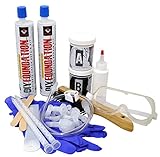
- Drill-Free Injection: Repair basement wall cracks effortlessly without drilling, ensuring minimal disruption to your home's structure.
- Simple Application: Use a standard caulking gun to inject the low-viscosity, 2-component urethane, making the process accessible for any homeowner.
- Effective Hairline Crack Repair: Seal even the smallest cracks permanently with the specialized urethane, preventing further water seepage and damage.
- Interior Repair Advantage: Save on costly excavation by repairing cracks from inside your basement, maintaining exterior aesthetics and structural integrity.
- Comprehensive Protection: This solution not only protects against water but also acts as a barrier against radon and soil gases, safeguarding your basement environment.
Foundation Repair Cost by Problem Type
The table below gives practical 2026 cost ranges by what a homeowner usually notices first. These are national planning numbers, not a substitute for a site inspection, but they are a better starting point than pricing foundation repair by square footage alone.
| Observed problem | Likely severity | Common repair methods | Typical 2026 cost |
|---|---|---|---|
| Hairline concrete crack with no movement | Cosmetic or minor | Sealant, epoxy, monitoring | $250-$800 per crack |
| Wet or leaking foundation crack | Minor to moderate | Polyurethane injection, drainage correction, sump work | $400-$1,500 per simple crack; $500-$3,500 with broader prep |
| Sunken patio, garage slab, walkway, or non-structural slab | Moderate flatwork issue | Mudjacking, slabjacking, polyurethane foam lifting | $3-$12 per sq. ft.; often $500-$1,800 for small areas |
| Bowing basement wall | Moderate to structural | Carbon fiber straps, steel beams, wall anchors, tiebacks, drainage | $4,000-$15,000 for many full-wall repairs |
| Settling foundation corner or wall | Structural | Steel push piers, helical piers, underpinning, lifting | $1,200-$3,000 per pier; often $8,000-$25,000 per affected wall |
| Sagging crawl space floors | Moderate to structural | New posts, shims, beams, girder replacement, drainage, encapsulation | Low thousands for local repairs; $3,500-$20,000 with moisture and structural work |
| Water management failure around foundation | Cause of future movement | Grading, downspouts, drain tile, sump pump, exterior waterproofing | $1,200-$18,000+ depending on scope |
| Failed foundation or major reconstruction | Severe structural | Extensive underpinning, partial rebuild, full replacement | $40,000-$100,000+ |
The major cost drivers are problem type, active movement, foundation type, soil conditions, groundwater, access, excavation depth, depth to competent bearing soil, number of piers or wall supports, plumbing leaks, local labor, permits, engineering, and whether drainage or waterproofing is included.
Recommended Free Tools
Crack Repair Costs
Foundation cracks are the cheapest repairs when the crack is non-structural and dry. They become more expensive when the crack is wide, wet, growing, offset, horizontal, stair-stepped through masonry, or located where access is blocked by finished walls, utilities, decks, porches, or landscaping.
Hairline and non-structural cracks
Small, non-structural cracks typically cost $250 to $800 per crack to seal. These are often shrinkage cracks in poured concrete, minor vertical cracks, or surface cracks that are not showing displacement. A contractor may use concrete sealant, epoxy, or a surface patch depending on the crack and whether water is present.
We do not treat every crack as an emergency. A stable hairline crack that is dry, vertical, and not widening may be documented, sealed, and monitored. Monitoring usually means taking photos, measuring crack width, checking interior finishes, and watching for seasonal change over 3 to 12 months.
The warning signs that move a crack out of the cheap category are measurable widening, horizontal cracking, stair-step cracks in block or brick, doors and windows binding nearby, floors sloping toward the crack, or water actively entering during rain.
Epoxy and polyurethane injection
Epoxy or polyurethane injection commonly costs $500 to $3,500, depending on crack count, crack width, active leakage, finish access, and injection material. Epoxy is often used where structural bonding is the goal. Polyurethane is often used for active water leaks because it can expand and seal irregular paths.
A single exposed basement wall crack may be simple. A crack behind drywall, cabinets, tile, insulation, or utilities takes longer because the repair area has to be exposed and restored. If water is coming through the crack, the estimate may also include grading, downspout extensions, sump pump work, or interior drain tile.
Leaking Basement Foundation Costs
A leaking basement crack is not just a concrete problem. It is a water problem showing up through concrete. Simple leaking wall cracks often cost $400 to $1,500 per crack. Nationally, many injection and water-control crack repairs fall around $500 to $3,500.
If the basement only leaks at one vertical crack during heavy rain, polyurethane injection may be enough. If water appears along the floor-wall joint, through multiple cracks, or across a long wall, the repair can become a drainage project. Interior drain tile and sump systems tied to foundation moisture issues often run $5,000 to $18,000, depending on basement perimeter, slab cutting, pump setup, discharge route, and finish restoration.
Exterior waterproofing costs more because crews excavate down to the footing, clean the wall, repair cracks, apply waterproofing, install drainage board or membrane, and backfill. Access drives cost. A clear wall outside is one thing; a wall blocked by a deck, AC equipment, stoop, driveway, or mature landscaping is another.
Before approving an expensive waterproofing scope, ask where the water is coming from. We check gutters, downspouts, grading, window wells, sump discharge, hardscape slope, and soil height against siding. A $300 to $1,500 drainage correction can sometimes prevent a much larger foundation repair. It will not fix structural movement, but it can stop the condition that caused it.
Sunken Slab and Void Repair Costs
Sunken concrete is one of the areas where homeowners often confuse two different repairs. Lifting a sidewalk, patio, driveway panel, or garage slab is not the same as underpinning a house foundation. A $1,500 slabjacking job may lift flatwork. It does not solve a settling foundation wall that needs $15,000 to $30,000 of piers.
Mudjacking and slabjacking
Mudjacking or slabjacking is often priced around $3 to $12 per square foot. Small jobs commonly land between $500 and $1,800. Crews drill holes through the slab and pump a cementitious slurry below it to fill voids and raise the surface.
Quick wins for a faster PC:
Clear out junk files and repair common Windows errorsFree Scan →Scan for outdated or missing drivers - takes under a minuteDriver Scan →Repair Windows errors before they cause bigger problemsFix Now →This can be a good option for non-structural slabs such as walkways, patios, garage floors, and some driveways. It is less appropriate when the slab supports a load-bearing foundation wall, when soils are still washing out, or when the slab has fractured into many pieces.
Also popular on Amazon

- FIX FOUNDATION WALL CRACKS EASILY: Our Concrete Crack Repair Kit offers a reliable solution for foundation crack repair injection kit and concrete crack repair. Homeowners can address concrete cracks and cement crack filler issues efficiently, preventing water infiltration and protecting the basement from potential water damage. Whether you’re facing rainstorms or just trying to maintain your basement, it provides a hassle-free solution, saving you the cost and trouble of hiring professionals.
- LONG-LASTING WATERPROOF PROTECTION AND SEALING: Our Hydra Stop 300 Polyurethane Foam expands to fill cracks, acting as a concrete crack filler that creates a durable, waterproof concrete sealer barrier. This foam sealant gap filler helps prevent moisture entry, providing long-lasting protection concrete patch to your basement and foundation. Homeowners worried about water damage and basement flooding can rely on this effective solution.
- PRESERVE YOUR HOME’S VALUE AND STRUCTURAL INTEGRITY: In addition to offering a practical foundation cement crack filler solution, our kit helps maintain the structural integrity of your foundation. Sealing cracks with concrete crack sealer reduces the risk of foundation cement crack repair issues, helping to protect your home from further damage and providing lasting concrete crack repair. With an easy-to-apply system, this kit allows DIY homeowners to feel confident in their repair work.
- INCLUDES COMPLETE REPAIR SOLUTION: Our concrete crack filler and sealer kit includes 2-Hydra Stop 300 Polyurethane Foam, 2-Poxy Paste crack sealant, 15-surface ports, caulk gun, 2 pairs nitrile gloves, safety glasses, drop cloth, 10-wooden sticks, 10-corner ports, wire brush and a flexible injection hose assembly. This simplifies foundation cement crack filler repairs, making it easy for DIY homeowners to handle large cracks with the help of clear instructions and video tutorials.
- WHY CHOOSE APPLIED TECHNOLOGIES: Applied Technologies has been a trusted name in waterproofing and foundation repair solutions for over two decades. Our Hydra Stop 300 Polyurethane Foam provides effective foundation crack repair and concrete crack filler performance, ensuring a reliable seal. With easy-to-follow instructions for concrete crack sealer application and durable cement crack filler materials, we offer products designed to help protect your home and provide lasting results.
Polyurethane foam lifting
Polyurethane foam lifting often costs more than mudjacking, but it has advantages: smaller injection holes, fast cure time, lighter material, and good void-filling behavior. The lighter material matters when weak soils or marginal subgrade are part of the problem.
Foam lifting is still not a magic fix. If water continues to erode the subgrade, any lift can fail again. For driveways and exterior slabs, we look for broken downspouts, poor grading, open joints, missing control-joint sealant, and water dumping along the slab edge.
Bowing Basement Wall Repair Costs
Bowing basement walls are more serious than typical vertical cracks. The wall is being pushed inward by soil pressure, water pressure, frost, expansive clay, poor drainage, or a combination of those forces. Repair cost depends on wall length, amount of deflection, wall material, outside access, and whether the wall is still moving.
Carbon fiber straps often cost about $400 to $600 per strap. A full stabilization project commonly runs $4,000 to $15,000. Wall anchors, steel I-beams, tiebacks, excavation, and drainage correction can push costs into the upper end or beyond.
Carbon fiber straps
Carbon fiber straps are typically used when inward wall movement is limited and the wall is suitable for bonding. The wall surface must be prepared correctly, and the strap layout must match the engineering or manufacturer requirements. This is not a cosmetic bandage; the system depends on proper bond, spacing, and connection at the top and bottom where required.
Wall anchors, beams, and tiebacks
Wall anchors and tiebacks can stabilize more significant bowing, but they may require exterior excavation or enough exterior room to install earth anchors. Steel I-beams can be installed inside the basement where exterior access is limited. These repairs often cost several thousand dollars and can exceed $15,000 when wall length, excavation, drainage, or finish restoration is substantial.
We also look at the water load on the outside of the wall. A bowed wall repaired without drainage correction may still be under the same pressure that damaged it. That is one reason basement wall scopes often include downspout changes, grading, sump work, or drain tile.
The Tool Desk
Outbyte PC Repair FREERepair Windows errors before they cause bigger problemsFix Now →Outbyte Driver Updater FREEScan for outdated or missing drivers - takes under a minuteDriver Scan →Settling Foundation and Pier Costs
Structural settlement is where foundation repair pricing changes quickly. Steel push piers and helical piers commonly cost $1,200 to $3,000 per pier. Many affected-wall projects require 6 to 12 piers, putting common totals around $8,000 to $25,000. Larger homes, deeper competent bearing strata, difficult access, or full-perimeter underpinning can reach $30,000 to $60,000+.
Piers are designed to transfer the building load to deeper, more stable soil or bearing strata. Push piers are driven using the structure’s weight as resistance. Helical piers are screwed into the ground and are often used where lighter structures, additions, porches, or specific soil conditions make them a better fit.
The number of piers is not guessed from home size alone. It depends on load, footing condition, beam and wall layout, soil data, depth to bearing, observed settlement pattern, and the repair objective. Sometimes the goal is stabilization only. Sometimes the plan includes controlled lifting to recover elevation. Lifting adds risk and can crack finishes, bind utilities, or expose hidden damage.
On piering jobs, useful documentation includes elevation readings, pier layout, pier depth or torque logs, lifting notes, photos before and after, inspection records, and warranty paperwork. If the repair is over roughly $5,000 to $10,000, or if it involves structural support, we recommend an independent structural engineer’s report. Typical engineer inspections or reports often run $340 to $780, and soil reports can add $500 to $3,000.
What’s actually slowing this PC down?
Pick the symptom - the matching free tool is one click away.
Crawl Space Foundation Repair Costs
Crawl-space foundation problems range from simple post adjustment to major structural and moisture repair. Localized pier, shim, or girder work may be in the low thousands. When moisture remediation, encapsulation, drainage, joist replacement, beam replacement, and structural repairs are combined, projects commonly run $3,500 to $20,000.
Common symptoms include bouncy floors, interior cracks, doors rubbing, gaps at trim, musty odors, visible mold, rotted joists, rusted fasteners, standing water, and temporary posts sitting on inadequate pads. The lowest bid is often low because it only adds support posts without solving the moisture condition that damaged the framing.
A proper crawl-space repair may include new concrete footings, adjustable steel columns, sistered joists, girder replacement, vapor barrier, perimeter drainage, sump pump, dehumidifier, insulation changes, and exterior grading. The access height matters. A 24-inch crawl space takes longer and is harder to work in than a 48-inch crawl space. Tight access affects labor, safety, and material handling.
For structural crawl-space work, permits are commonly required when beams, girders, footings, posts, or load paths are modified. Encapsulation alone may not always need the same permit review, but electrical work for a sump pump or dehumidifier may require proper code-compliant installation.
Also popular on Amazon

- FAST & EASY CRACK REPAIR: Quickly seal leaks with this advanced 10' foundation crack repair injection kit designed for fast results and minimal effort. Sets rapidly and helps homeowners fix structural cracks in minutes without waiting hours or calling professionals
- COMPLETE ALL-IN-ONE REPAIR KIT: This premium concrete crack filler includes everything you need, such as urethane foam, injection ports, adhesive, gloves, and tools, so you can start immediately. Offers more material than standard kits for better coverage and value
- NO SPECIAL TOOLS REQUIRED: Designed for easy DIY foundation repair, this system works with a standard caulking gun; no drilling or special equipment needed. Quick and effective concrete crack repair, making it a hassle-free solution for homeowners
- DURABLE WATERPROOF SEAL: The expanding urethane creates a durable barrier that blocks water intrusion and prevents future damage. Excellent for foundation leak repair and reliable concrete wall leak repair, ensuring your basement stays dry and protected over time
- FIX, SEAL & PREVENT FUTURE DAMAGE: Engineered to restore structural integrity, this solution seals existing cracks and helps prevent future leaks, protecting your home's foundation for the long term
Drainage and Waterproofing Costs
Water is one of the most common reasons foundation repairs do not last. Expansive soils swell when wet and shrink when dry. Poor drainage can soften bearing soils, increase wall pressure, and wash fines out from under slabs. Freeze-thaw regions add another force because trapped water expands as it freezes.
Drainage and waterproofing work tied to foundation repair can range from $1,200 to $18,000+. Basic corrections may include extending downspouts 6 to 10 feet away from the house, regrading soil so it slopes away from the foundation, sealing exterior joints, correcting sump discharge, and cleaning gutters. Larger scopes may include interior drain tile, sump pump systems, exterior excavation, waterproofing membranes, footing drains, or yard drainage.
A good drainage plan starts above grade. Roof water should not dump beside the foundation. Soil should not slope toward the house. Mulch and beds should not trap water against siding or masonry. Concrete and pavers should drain away from the structure. If a driveway, patio, or walkway has settled toward the house, water can concentrate at the foundation even if the gutters are working.
Waterproofing should not be treated as a replacement for structural repair. If a wall is bowing, waterproofing alone does not straighten or brace the wall. If a corner is settling, a sump pump does not transfer load to stable bearing soil. The right sequence matters: identify the cause, control water, repair structure, then restore finishes.
Do these 3 things before closing this tab:
1Repair Windows errors before they cause bigger problems2Scan for outdated or missing drivers - takes under a minute3Clear out junk files and repair common Windows errorsFull Foundation Replacement and Severe Repairs
Full foundation replacement is the high end of the cost range. Severe underpinning, partial reconstruction, or replacement can exceed $40,000. Extreme cases can reach $100,000+, especially when the home must be temporarily supported, utilities disconnected, excavation is deep, access is tight, waterproofing is included, or major framing and finish restoration is required.
Replacement may be considered when the existing foundation has widespread failure, major displacement, severe deterioration, undersized footings, failing masonry, repeated water damage, or previous repairs that cannot be relied on. It is not the first answer for most foundation problems because stabilization is often less invasive and less expensive.
For major work, expect engineering, permits, inspections, utility coordination, temporary shoring, excavation planning, concrete or masonry work, drainage design, and restoration. Timeframes can range from several days for a defined underpinning scope to several weeks or longer for replacement and reconstruction.
Regional Cost Differences
Foundation repair is local because soil is local. Expansive clay areas, including much of Texas and parts of Colorado and California, often see seasonal movement from soil swelling and shrinking. Repair scopes in these regions frequently involve piers, moisture management, drainage correction, and careful elevation monitoring.
Crashes, No Sound, or Screen Glitches?
Random freezes, missing sound and display glitches usually trace back to one bad driver. Find and replace yours safely.Free scan · under a minutePC Slower Than It Used to Be?
A free scan shows the junk files, broken settings and background clutter dragging Windows down - then fixes them in one click.Free scan · Windows 10 & 11Freeze-thaw regions see problems from frost pressure, poor drainage, and water entering cracks before freezing. Basement walls in cold climates may need wall stabilization plus exterior grading, footing drainage, or sump improvements.
High-groundwater areas and older basement neighborhoods often spend more on waterproofing and drainage. Coastal and flood-prone areas may face additional code, flood elevation, corrosion, soil, and access considerations. In some locations, flood-related or seismic work may involve separate engineering requirements.
Labor rates and permit rules also matter. The same pier count can price differently in a dense city lot, a suburban house with open access, and a rural property where equipment travel and mobilization are higher.
Independent reader supportYour contribution helps us test, update, and keep practical guides available for everyone.Permits, Code, and Engineering Checkpoints
Many foundation repairs affect structural support, which means permits and inspections may be required. Local rules vary, but piering, underpinning, beam replacement, footing work, wall anchors, tiebacks, structural crawl-space repairs, and major basement wall stabilization are common permit-triggering scopes.
Recommended Free Tools
Model residential codes address foundation requirements such as footings, foundation walls, anchorage, drainage, frost protection, and soil support. Your city or county decides how those rules apply locally. Some municipalities require a foundation repair permit, a plan, a contractor registration, an engineer’s letter, final inspection, or elevation documentation.
For repairs above roughly $5,000 to $10,000, and for any work involving structural support, an independent structural engineer is usually money well spent. Typical engineer costs often run $340 to $780, with soil reports adding $500 to $3,000 when needed. The engineer should not just confirm that damage exists; the report should identify probable cause, repair intent, and whether monitoring, drainage work, plumbing testing, or structural repair is recommended.
Keep the paperwork. Useful records include the engineer report, elevation readings, soil or plumbing test results, permit, inspection approvals, before-and-after photos, signed contract scope, pier logs or torque logs, waterproofing details, and warranty certificate. Those documents matter for resale, insurance questions, and future troubleshooting.
Also popular on Amazon

- Drill-Free Injection: Repair basement wall cracks effortlessly without drilling, ensuring minimal disruption to your home's structure.
- Simple Application: Use a standard caulking gun to inject the low-viscosity, 2-component urethane, making the process accessible for any homeowner.
- Effective Hairline Crack Repair: Seal even the smallest cracks permanently with the specialized urethane, preventing further water seepage and damage.
- Interior Repair Advantage: Save on costly excavation by repairing cracks from inside your basement, maintaining exterior aesthetics and structural integrity.
- Comprehensive Protection: This solution not only protects against water but also acts as a barrier against soil gases, safeguarding your basement environment.
When to DIY vs. When to Hire a Pro
DIY foundation work should be limited to low-risk maintenance and minor non-structural items. Homeowners can often clean gutters, extend downspouts, improve surface drainage, seal small non-moving exterior gaps, document cracks, and keep soil from piling above proper grade. A careful homeowner can monitor a hairline crack with dated photos and a simple crack gauge.
Quick wins for a faster PC:
Clear out junk files and repair common Windows errorsFree Scan →Fix the driver behind crashes, sound loss and screen glitchesFind Drivers →DIY is not appropriate for active movement, structural cracks, bowed walls, settlement, underpinning, jacking, beam replacement, crawl-space structural support, major waterproofing excavation, or repairs near utilities. Raising a house corner, cutting into a basement slab, excavating beside a foundation wall, or adding load-bearing supports without engineering can create more damage than it solves.
Hire a foundation contractor when cracks are widening, doors and windows suddenly bind, floors slope, walls bow, basement leaks repeat, crawl-space framing is rotten, chimneys separate, exterior brick stair-steps, or one portion of the house appears to be dropping. Hire an engineer when the repair changes the load path, when multiple contractors disagree, when the estimate is large, or when you need documentation for a permit, sale, or insurance claim.
When Not to Repair Immediately
There are times when waiting a short period is the responsible choice. After flooding, soils may need time to drain and stabilize before final elevations are meaningful. After a suspected plumbing leak, test and repair the plumbing before lifting or underpinning. After a long drought or sudden wet season, an engineer or contractor may recommend monitoring to separate seasonal movement from progressive settlement.
Do not patch drywall, replace tile, or repaint cracks before the foundation diagnosis is complete. Finish repairs should come after the structure is stabilized and water is controlled. Otherwise, the same cracks often return.
Do these 3 things before closing this tab:
1Repair Windows errors before they cause bigger problems2Scan for outdated or missing drivers - takes under a minute3Clear out junk files and repair common Windows errorsThere is one exception: safety. If a wall is severely displaced, a floor feels unsafe, a beam is crushing, a column is failing, or utilities are strained, do not wait for cosmetic monitoring. Get a structural professional involved promptly and limit access to the affected area until it is evaluated.
How to Compare Foundation Repair Quotes
For meaningful comparison, get at least two foundation contractor quotes and, for larger structural work, an independent engineer report. A good quote should identify the problem, repair method, quantities, access assumptions, exclusions, drainage scope, permit responsibility, expected timeframe, warranty terms, and what happens if field conditions change.
Compare pier quotes by pier type, estimated count, spacing, bracket type, depth or refusal criteria, lifting plan, and documentation. Compare wall repair quotes by wall length, deflection amount, strap or anchor spacing, top and bottom connections, excavation requirements, and water-control work. Compare waterproofing quotes by linear feet, sump capacity, discharge route, vapor barrier or membrane type, restoration, and electrical work.
Be careful with lifetime or transferable warranties. Many cover installed components but exclude drainage failures, plumbing leaks, soil events, earthquakes, floods, cosmetic damage, or work performed by others. Ask what is covered, what maintenance is required, whether the warranty transfers to a buyer, and whether transfer fees or inspection requirements apply.
Windows Errors? Fix Them Before They Spread
Repair common Windows errors and clear accumulated junk for a smoother, more stable PC - no reinstall needed.Free scan · no reinstallOutdated Drivers Are Slowing You Down
One free scan finds every outdated or missing driver and matches the right update for your exact hardware.Free scan · exact hardware matchBottom Line
Foundation repair cost is best understood by problem type. Minor crack sealing may cost $250 to $800. Injection repairs often run $500 to $3,500. Slab lifting may be $500 to $1,800 for small areas. Bowed wall stabilization commonly lands around $4,000 to $15,000. Piering an affected foundation wall often costs $8,000 to $25,000, with larger or deeper repairs reaching $30,000 to $60,000+. Crawl-space structural and moisture repairs can run $3,500 to $20,000. Severe reconstruction can exceed $40,000.
The right repair is not always the biggest repair, and it is not always the cheapest line item. The right repair addresses the cause, supports the structure, controls water, meets local code, and leaves a clear paper trail for the next owner, inspector, or contractor who has to understand what was done.
Frequently Asked Questions
How much does foundation repair cost in 2026?
Most 2026 foundation repairs fall between $2,225 and $8,135, with a moderate national benchmark around $5,100 to $5,400. Minor cracks can be under $1,000, while piering, bowed wall repair, crawl-space structural work, or major waterproofing can reach $10,000 to $60,000+.
What is the cheapest type of foundation repair?
The cheapest common repair is sealing a small, non-structural crack, often $250 to $800 per crack. It is only the right repair if the crack is stable and the cause has been addressed. Active movement, water pressure, or settlement needs more than sealant.
The Tool Desk
Outbyte PC Repair FREERepair Windows errors before they cause bigger problemsFix Now →Outbyte Driver Updater FREEFix the driver behind crashes, sound loss and screen glitchesFind Drivers →How much do helical piers or push piers cost?
Steel push piers and helical piers commonly cost $1,200 to $3,000 per pier. Many affected-wall repairs need 6 to 12 piers, so total project costs often land around $8,000 to $25,000. Large or deep repairs can exceed $30,000 to $60,000.
Do I need a permit for foundation repair?
Permits are often required for structural repairs such as underpinning, piers, wall anchors, tiebacks, footing work, beam replacement, and major crawl-space support work. Rules vary by city and county, so confirm permit requirements before work starts.
Should I hire a structural engineer before foundation repair?
For repairs above roughly $5,000 to $10,000, or any repair involving structural support, an independent structural engineer is usually worth the cost. Engineer reports commonly run $340 to $780, and soil reports can add $500 to $3,000.
Does homeowners insurance cover foundation repair?
Sometimes, but many foundation problems are excluded when caused by soil movement, drainage issues, poor maintenance, floods, earthquakes, or long-term settlement. Coverage is more likely when damage comes from a sudden covered event, such as a plumbing leak, but policy language controls.
Free tools Windows power users keep installed
One-click scans. No signup required.
Quick Recap
Product prices and availability are accurate as of the date/time indicated and are subject to change. Any price and availability information displayed on Amazon at the time of purchase will apply.

