Some links on this page are affiliate links: if you buy through them we may earn a commission, at no extra cost to you.
Most drywall installation in the U.S. costs about $1.50 to $3.50 per square foot of drywall surface in 2026 for typical walls, including hanging, taping, mudding, sanding, and standard finish work. Ceilings often run slightly higher, commonly $1.50 to $3.80 per square foot, with some benchmark estimates for ceiling drywall starting around $2.77 to $3.33 per square foot.
By the sheet, a finished installed price commonly lands around $30 to $90 per 4×8 sheet. Material-only pricing is much lower: a standard 4×8 drywall panel is usually about $10 to $20, while moisture-resistant, mold-resistant, fire-rated, sound-damping, 5/8-inch, and longer boards cost more.
As an Amazon Associate I earn from qualifying purchases.
The biggest pricing mistake we see homeowners make is estimating drywall from floor square footage. A 12×12 bedroom is not 144 square feet of drywall. With 8-foot walls, the wall area alone is about 384 square feet before openings. Add the ceiling and you are near 528 square feet before deducting doors and windows. In real ordering terms, that usually means 15 to 18 sheets of 4×8 drywall after waste, with an installed budget around $750 to $1,900 in typical conditions.
On our job sites, we price drywall by the surface area, sheet count, finish level, ceiling conditions, and what has to happen before and after the board goes up. The drywall itself is only one line in the job. Labor, setup, protection, return trips, drying time, sanding, cleanup, texture matching, and paint-readiness usually decide the final number.
Popular on Amazon

- Brushless motor for efficient performance and runtime
- Wide variable speed range with dedicated High and Low settings helps optimize usage in light- and heavy-gauge substrates
- Four dedicated tool modes enable operation of tool in Trigger Mode (High Speed), Trigger Mode (Low Speed), PushStart Mode, and Lock-On Mode
- Top-mounted electronic mode select enables fast, one-handed switching between the tool's four modes
- Adjustable nosecone enables consistent setting of proper screw depth
Drywall Cost Snapshot for 2026
For planning purposes, use these numbers as a practical starting point. They are national ranges, so high-cost metro areas, difficult access, tight schedules, specialty finishes, and repair-heavy work can push pricing above them.
| Drywall Cost Item | Typical 2026 Cost | What It Usually Means |
|---|---|---|
| Standard 4×8 drywall sheet, material only | $10 to $20 per sheet | Panel only, no delivery, labor, fasteners, tape, compound, or finishing |
| Installed drywall, walls | $1.50 to $3.50 per square foot | Typical hang, tape, mud, sand, and finish for wall surfaces |
| Installed drywall, ceilings | $1.50 to $3.80 per square foot | Higher labor due to overhead work, lifts, layout, and sag control |
| Installed 4×8 sheet | $30 to $90 per sheet | Depends heavily on labor market, finish scope, access, and job size |
| Hang-only scope | $0.85 to $1.90 per square foot | Board installed only, usually before finishing is priced separately |
| Taping and mudding | $0.35 to $1.10 per square foot | Joint tape, compound coats, corner bead, sanding, and finish preparation |
| Texture work | $0.80 to $2.00 per square foot | New texture or matching orange peel, knockdown, skip trowel, or repaired texture |
| Drywall replacement | $2.00 to $6.00 per square foot | Removal, disposal, repair discovery, insulation, framing correction, or MEP coordination may apply |
For a small patch, closet, bathroom, or single-room repair, the per-sheet number can look high. That is normal. A crew still has to mobilize, protect floors, bring materials in, set up tools, make multiple finishing passes, wait for compound to dry, sand, clean, and come back for touchups. Those fixed costs do not shrink neatly just because the room is small.
Drywall Cost per Sheet Installed
A 4×8 sheet covers 32 square feet before cuts and waste. If the installed rate is $1.50 to $3.50 per square foot, the simple math is $48 to $112 per full sheet of covered surface. In actual bids, per-sheet installed pricing often shows up around $30 to $90 per sheet because contractors may price large jobs more efficiently, use larger sheets, separate finishing from hanging, or calculate based on total job productivity rather than one sheet at a time.
That is why per-sheet pricing is useful for a quick check, but not enough for a final estimate. A 20-sheet open basement wall job is not the same as a 20-sheet bathroom, hallway, stairwell, and ceiling repair package. Same number of sheets, very different labor.
What a per-sheet price should include
If a contractor gives you a per-sheet number, ask exactly what is included. A complete drywall installation quote should spell out whether the price includes:
- Delivery and carry-in of drywall panels
- Hanging drywall on walls, ceilings, or both
- Screws, adhesive where used, corner bead, tape, and joint compound
- Taping, mudding, sanding, and touchups
- Finish level, usually Level 3, Level 4, or Level 5
- Texture application or texture matching
- Dust control, masking, floor protection, and cleanup
- Disposal of scrap material
- Primer and paint, if included
On our jobs, we prefer quotes that separate hanging, finishing, ceilings, specialty board, demo, disposal, texture, and paint. It keeps the scope clean and prevents the classic problem where one bid is hang-only and another is finish-ready, but both are described as “drywall.”
PC Slower Than It Used to Be?
A free scan shows the junk files, broken settings and background clutter dragging Windows down - then fixes them in one click.Free scan · Windows 10 & 11Outdated Drivers Are Slowing You Down
One free scan finds every outdated or missing driver and matches the right update for your exact hardware.Free scan · exact hardware matchDrywall Cost per Square Foot
The most reliable way to estimate drywall is by drywall surface square footage, not floor area. Drywall surface means the square footage of the walls and ceilings being covered.
For a simple rectangular room, use this formula:
Wall drywall area = room perimeter x wall height
Ceiling drywall area = room length x room width
Example: a 12×12 room with 8-foot ceilings has a perimeter of 48 feet. Multiply 48 by 8 and the walls are 384 square feet. The ceiling adds 144 square feet. Total before deductions is 528 square feet.
You can deduct large openings if you want a tighter estimate, but for ordering material, we usually keep a waste factor in the calculation. Doors, windows, closets, cutouts, offcuts, broken corners, and layout choices all affect how many sheets actually get used. For most rooms, plan on 10% to 15% waste. Small, chopped-up rooms may need more.
Why drywall surface area beats floor area
Floor area hides the real work. A 10×10 room is 100 square feet of floor area, but with 8-foot ceilings it has 320 square feet of wall area before openings. Add the ceiling and it becomes 420 square feet of drywall surface. That is more than four times the floor square footage.
Quick wins for a faster PC:
Repair Windows errors before they cause bigger problemsFix Now →Scan for outdated or missing drivers - takes under a minuteDriver Scan →Clear out junk files and repair common Windows errorsFree Scan →Ceiling height also changes the estimate fast. A 12×12 room with 8-foot ceilings has 384 square feet of wall area. With 10-foot ceilings, the same room has 480 square feet of wall area before the ceiling. That extra 96 square feet is three more 4×8 sheets before waste.
Drywall Cost per Room
Room pricing depends on size, ceiling height, number of openings, finish level, and whether the ceiling is included. The table below uses typical 8-foot ceilings, walls plus ceiling, 4×8 sheets, and a practical waste allowance. It does not include major demolition, framing correction, insulation work, electrical or plumbing changes, paint, or unusual access.
| Room Size | Approx. Drywall Surface | Estimated 4×8 Sheets | Installed Cost at $1.50-$3.50/SF |
|---|---|---|---|
| 8×10 small bedroom or office | 360-430 SF | 12-15 sheets | $540-$1,505 |
| 10×10 bedroom | 400-480 SF | 14-16 sheets | $600-$1,680 |
| 12×12 bedroom | 450-550 SF | 15-18 sheets | $750-$1,900 |
| 12×16 bedroom or den | 575-675 SF | 20-23 sheets | $865-$2,365 |
| 5×8 bathroom | 220-300 SF | 8-11 sheets | $450-$1,400+ |
| 20×20 garage, walls and ceiling | 1,040-1,250 SF | 36-43 sheets | $1,800-$4,750+ |
Bathroom and garage numbers deserve special caution. Bathrooms have small walls, but many cuts around tubs, valves, vents, doors, niches, fans, and tile transitions. Garages can trigger fire-separation requirements, heavier board, inspection steps, and more ceiling labor. Those details change price more than the basic square footage suggests.
Also popular on Amazon
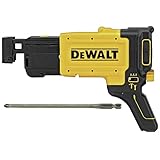
- Slim nose and removable shoe of the drywall screw gun allows for easy access into tight corners.
- Full 360-degree rotation on DEWALT screw gun allows users to choose best positioning for application
- Tool-free screw length adjustment with detent marks allow for easy and clear setup for varying screw lengths
- Tool-free spring removal allows for easy cleaning of attachment
- Release button allows for tool-free attachment and removal from screw gun
Example: cost to drywall a 12×12 room
For a 12×12 bedroom with 8-foot ceilings, the math looks like this:
What’s actually slowing this PC down?
Pick the symptom - the matching free tool is one click away.
- Wall area: 48-foot perimeter x 8 feet high = 384 square feet
- Ceiling area: 12 x 12 = 144 square feet
- Total before openings: 528 square feet
- Likely installed board area after practical deductions: about 450 to 550 square feet
- Sheet count: about 15 to 18 sheets of 4×8 drywall after waste
- Installed budget: about $750 to $1,900 in typical conditions
The lower end assumes straightforward access, standard 1/2-inch board, no major repair work, normal ceiling height, standard finish, and no complex texture matching. The higher end is more realistic when the ceiling is included, corners and openings are numerous, the finish needs to be very clean, or the contractor is working in a high-cost labor market.
What Drives Drywall Installation Cost
Drywall is simple in concept, but pricing changes quickly once the job moves from a blank wall to a real house. These are the cost drivers that matter most in the field.
Labor market and job size
Drywall is labor-heavy. Local labor rates, crew availability, parking, hauling distance, building access, and schedule pressure all affect price. A large new-construction job with open framing and clear access can price much lower per square foot than a lived-in remodel where every floor, doorway, cabinet, and finished surface needs protection.
Small jobs also carry minimum charges. Even if a repair uses only two sheets, the crew may need two or three visits because compound has to dry between coats. That is why a small room or patch can cost more per sheet than a whole basement.
Walls versus ceilings
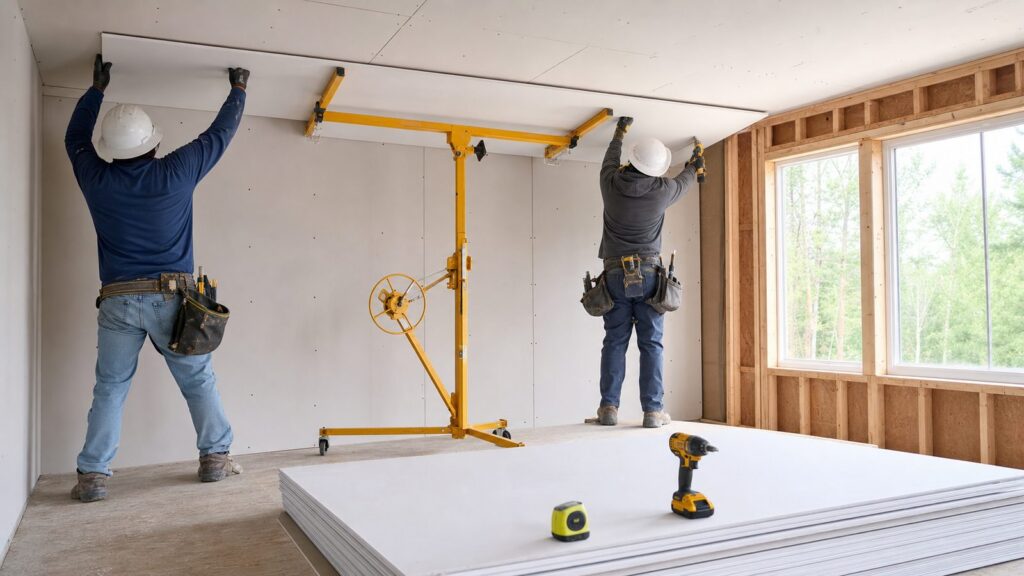
Ceilings are slower. Sheets are lifted overhead, seams are more visible under light, and layout matters. Crews may use a panel lift, extra hands, or 5/8-inch board depending on span, fire rating, and sag concerns. Ceiling drywall commonly costs $1.50 to $3.80 per square foot, and benchmark pricing for ceiling drywall can start around $2.77 to $3.33 per square foot.
Finish level
Finish level is one of the most important scope details in a drywall quote. Most painted residential walls are Level 4. Level 5 adds a skim coat over the surface and is used when the wall has smooth paint, dark or glossy color, long sight lines, large windows, skylights, or raking light.
If a wall will get heavy texture, a Level 3 finish may be enough in some cases. If it will be smooth and painted with eggshell, satin, semi-gloss, or a dark color, Level 5 may be worth pricing. On our job sites, we would rather discuss finish level before the work starts than argue later about what “paint-ready” was supposed to mean.
Texture matching
Texture can add $0.80 to $2.00 per square foot, especially in repairs. Matching existing orange peel, knockdown, skip trowel, or older hand-applied texture takes skill and usually requires testing. Popcorn ceiling removal or repair can add more steps, especially in older homes where hazardous material testing may be needed before disturbance.
Recommended Free Tools
Demolition and replacement
Installing drywall on open framing is one job. Replacing drywall in a finished home is another. Replacement often runs $2.00 to $6.00 per square foot because it may include demolition, disposal, dust control, hidden damage investigation, insulation replacement, framing correction, mold or moisture repairs, and coordination around electrical or plumbing.
Once walls are opened, surprises are common: bowed studs, missing backing, old water damage, unsealed penetrations, damaged insulation, unsafe wiring, or plumbing that needs protection. A good contractor will identify those issues before closing the wall again.
Drywall Material Choices and Costs
Standard 1/2-inch drywall is the common panel for many interior walls. A typical 4×8 sheet costs about $10 to $20 material-only. Longer boards, thicker boards, and specialty panels cost more, but they can be the right choice.
| Drywall Type | Common Use | Cost Impact |
|---|---|---|
| 1/2-inch standard drywall | Most interior walls in dry areas | Baseline material cost |
| 5/8-inch drywall | Ceilings, fire-rated assemblies, better stiffness | Higher material and handling cost |
| Moisture-resistant board | Bathrooms, laundry rooms, damp areas outside wet zones | Costs more than standard board |
| Mold-resistant board | Humidity-prone areas, basements, baths, laundry spaces | Higher panel cost; useful where moisture risk is realistic |
| Fire-rated Type X board | Garages, rated assemblies, mechanical rooms where required | Higher material cost and may require inspection |
| Sound-damping drywall | Bedrooms, offices, media rooms, shared walls | Higher material cost; often paired with insulation and acoustic details |
| Long 10-, 12-, or 16-foot sheets | Open walls where access allows longer boards | Higher per sheet, but fewer seams and less finishing labor |
Longer sheets are often a smart upgrade when the house allows them through the doorways and turns. A 12-foot sheet costs more than an 8-foot sheet, but fewer seams can mean cleaner walls and less finishing labor. The best sheet is not always the cheapest panel; it is the panel that fits the layout, reduces joints, and meets the room’s performance requirements.
Free tools Windows power users keep installed
One-click scans. No signup required.
Also popular on Amazon

- POWERSTATE Brushless Motor: Delivers 4,500 RPM's to provide faster than corded productivity
- Auto Start Mode: The tool trigger can stay locked on without the motor running. Once the screw comes in contact with the drywall, the motor automatically starts, resulting in less noise between screws and 3x longer run time.
- M18 REDLITHIUM XC5.0 battery pack: Delivers 64 sheets per charge and the CP2.0 delivers 27 sheets per charge
- Ergonomically designed to be light weight, balanced and comfortable for continuous use
- Compatible with all M18 Batteries
Bathrooms and moisture-resistant drywall
Bathrooms should be priced by moisture exposure, not just room size. Moisture-resistant or mold-resistant drywall is commonly used outside direct wet areas. Inside showers, tub surrounds, and tiled wet zones, the wall assembly needs to match the tile system and waterproofing requirements. Drywall alone is not a waterproofing plan.
A small 5×8 bathroom can cost more per sheet than a bedroom because it has more cuts, penetrations, corners, fixtures, tile transitions, and finish details. The room is small, but the work is not always simple.
Garages and fire separation
Attached garages are code-sensitive. Common residential requirements include gypsum board on garage-side separation surfaces, and 5/8-inch Type X board may be required on garage ceilings below habitable rooms. Door, duct, penetration, and attic access details also matter.
Do not treat a garage like an unfinished storage room if it is attached to the house. Fire separation is a life-safety detail, and local inspectors may require specific board thickness, fastening, joint treatment, and continuity around penetrations.
Hang-Only Versus Finish-Ready Drywall
One of the easiest ways drywall quotes get misunderstood is the difference between hanging board and delivering a finish-ready wall.
Hang-only means the drywall panels are fastened to framing. That scope can price around $0.85 to $1.90 per square foot, depending on the job. It usually does not include finished seams, sanding, texture, primer, or paint.
Finish-ready drywall means the board is hung, joints are taped, compound coats are applied, corners are finished, fasteners are covered, the surface is sanded, and the wall is ready for the agreed next step. That next step needs to be defined. “Ready for paint” should mean sanded, dusted, touched up, and ready under the lighting conditions that will be used to judge the work. Primer and paint may or may not be included.
For remodels, we recommend putting these scope details in writing:
Do these 3 things before closing this tab:
1Fix the driver behind crashes, sound loss and screen glitches2Clear out junk files and repair common Windows errors3Scan for outdated or missing drivers - takes under a minute- Finish level: Level 3, Level 4, or Level 5
- Whether ceilings are included
- Whether texture is new, matched, repaired, or excluded
- Whether primer and paint are included
- Whether dust control and cleanup are included
- Whether disposal is included
- Whether the contractor is responsible for touchups after primer reveals defects
How Many Sheets of Drywall Do You Need?
To estimate sheet count, calculate surface area, divide by the sheet coverage, then add waste.
A 4×8 sheet covers 32 square feet. A 4×10 sheet covers 40 square feet. A 4×12 sheet covers 48 square feet. A 4×16 sheet covers 64 square feet.
For a 528-square-foot room, the raw 4×8 sheet count is 528 divided by 32, or 16.5 sheets. With practical deductions for doors and windows but added waste for cuts, the order usually still lands around 15 to 18 sheets.
Simple sheet-count formula
Use this approach for a quick planning number:
- Measure each wall length and multiply by ceiling height.
- Add all wall areas together.
- Add ceiling area if the ceiling is being drywalled.
- Subtract large openings only if they are meaningful.
- Add 10% to 15% waste.
- Divide by sheet coverage: 32 SF for 4×8, 48 SF for 4×12.
For larger rooms, 4×12 sheets can reduce seams. For tight remodels, 4×8 sheets may be easier to carry through stairways, hallways, and existing door openings. Access often decides the best panel size.
The Tool Desk
Outbyte PC Repair FREERepair Windows errors before they cause bigger problemsFix Now →Outbyte Driver Updater FREEFix the driver behind crashes, sound loss and screen glitchesFind Drivers →Permits, Codes, and Safety Notes
Drywall by itself may or may not require a permit, depending on the city, county, project type, and whether other systems are involved. Permit requirements become more likely when the project includes structural framing, insulation, electrical, plumbing, mechanical work, fire-rated assemblies, egress changes, or work in a garage separation wall or ceiling.
Also popular on Amazon

- Depth-sensitive, "set and forget" nosepiece for consistent fastener depth
- Two-finger trigger for increased comfort and ease of use
- 5,300 RPM high speed motor for production drywall hanging
- Lightweight with excellent ergonomics
- Helical-cut steel and heat-treated gears for long life and durability
Before closing walls, verify local inspection requirements. In many projects, electrical, plumbing, mechanical, insulation, and fire blocking inspections need to happen before drywall covers the work. Covering uninspected work can create delays, failed inspections, and rework.
Lead-safe renovation in older homes
For homes built before 1978, paid renovation work that disturbs painted surfaces may trigger federal lead-safe work practice requirements. Drywall demolition, sanding, cutting, and surface preparation can create dust. If lead paint may be present, the job needs proper testing, containment, cleanup, and contractor procedures before work begins.
This matters even when the drywall itself is newer. Trim, plaster, old painted layers, windows, doors, and adjacent surfaces can still create lead-dust risk during demolition or sanding.
What’s actually slowing this PC down?
Pick the symptom - the matching free tool is one click away.
Dust control and occupied homes
Drywall dust travels. In occupied homes, ask how the contractor will protect floors, isolate work areas, manage HVAC returns, clean between visits, and handle final dust removal. Drywall sanding can make a technically good job feel careless if dust control is not planned.
When to DIY Drywall and When to Hire a Pro
Drywall is one of those trades where the material looks simple and the finish exposes every shortcut. A handy homeowner can handle small drywall work, but full rooms, ceilings, texture matching, and high-visibility smooth walls are where professional labor earns its keep.
Good DIY candidates
DIY can make sense for a small closet, utility area, garage storage wall, minor patch, or low-visibility room where you have time to learn. Material costs are manageable: a few sheets at $10 to $20 each, plus screws, tape, compound, knives, sanding tools, corner bead, primer, and paint.
Plan for multiple days, even on a small job. Hanging can happen in a day, but finishing usually takes several passes. Dry time depends on compound type, coat thickness, temperature, and humidity.
The Tool Desk
Outbyte Driver Updater FREEScan for outdated or missing drivers - takes under a minuteDriver Scan →Outbyte PC Repair FREERepair Windows errors before they cause bigger problemsFix Now →Hire a pro for these jobs
Hire a drywall contractor for ceilings, whole rooms, Level 5 smooth finishes, large windows with raking light, stairwells, tall walls, garages with fire-separation requirements, water-damage replacement, texture matching, and any project where schedule matters.
Also hire a pro if the wall has electrical, plumbing, HVAC, insulation, fire blocking, or framing issues. Drywall is often the last visible layer over a lot of important work. If the substrate is wrong, the finished wall will show it.
Independent reader supportYour contribution helps us test, update, and keep practical guides available for everyone.How to Compare Drywall Bids
The lowest drywall number is not always the lowest final cost. A vague bid can leave out texture, sanding quality, cleanup, disposal, primer, return trips, or specialty board. When we review drywall scopes, we look for enough detail that two bids can actually be compared.
Ask each contractor for:
- Total drywall surface square footage
- Estimated sheet count and sheet size
- Board type and thickness
- Separate pricing for walls and ceilings
- Finish level
- Texture scope
- Demolition and disposal scope
- Dust protection and cleanup plan
- Primer and paint responsibility
- Permit and inspection assumptions
- Schedule, including dry time and return visits
Schedule matters. A small room may involve modest labor hours but still take several calendar days because joint compound needs time to set or dry. Humidity, cold weather, thick coats, texture, primer, and touchups can extend the timeline.
What Most Drywall Quotes Exclude
Unless stated otherwise, many drywall installation quotes exclude work outside the board-and-finish scope. That can include demolition, insulation, framing repair, electrical relocation, plumbing repair, HVAC changes, mold remediation, lead-safe procedures, painting, trim removal and reinstall, cabinet removal, flooring protection beyond basic drop cloths, and final deep cleaning.
Replacement work is where exclusions matter most. If water damage caused the drywall failure, the source of the water needs to be repaired first. If framing is out of plane, the wall may need correction before drywall. If insulation is wet or missing, it should be handled before the wall closes. Drywall can hide problems, but it does not solve them.
Also popular on Amazon
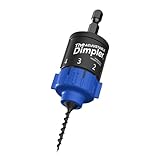
- Adjustable DIMPLER for Customized Screw Depth Control: Our innovative adjustable DIMPLER clutch with 4 depth adjustments allows you to fine-tune your screw placements, ensuring your screws are driven exactly as needed for your project, whether it's drywall, deck, particle board or plywood work.
- Replaceable Drywall Bit & Screw Gun Attachment for Effortless Installation: Included is a specialized drywall bit, precisely engineered to make drywall screw installation a breeze. No more uneven screw placements; our drywall bit guarantees a clean and efficient finish.
- Compatible with Electric Drills and Impact Drills: This versatile accessory is designed to be compatible with a wide range of drills, making it a valuable addition to your existing tool collection. No need to invest in a screwgun; simply attach it to your drill and transform it into a screw gun.
- Efficient Screw Driving Across Multiple Materials and Screws: Whether you're working on drywall, decking, particle board or plywood, our versatile screw gun attachment delivers consistent and reliable results. It's the perfect tool for a wide range of applications, making it a must-have for DIY enthusiasts and professionals alike.
- Secure Magnetic Screw Holder: Worried about dropped screws? Our product features a powerful magnetic screw holder that securely grips screws, keeping them in place during installation. This feature saves you time for a safer and more efficient workflow.
Practical Budget Examples
Small bedroom refresh
A 10×10 bedroom with walls and ceiling may have about 400 to 480 square feet of drywall surface. At $1.50 to $3.50 per square foot, that is roughly $600 to $1,680. Add more for demolition, damaged framing, texture matching, Level 5 finish, or painting.
12×12 bedroom with ceiling
A typical 12×12 bedroom with 8-foot ceilings needs about 15 to 18 sheets and 450 to 550 square feet of finished drywall surface after practical adjustments. A realistic installed budget is about $750 to $1,900, with higher pricing in expensive labor markets or for smooth, high-visibility finishes.
Bathroom drywall
A small bathroom may use only 8 to 11 sheets, but moisture-resistant board, fixture cutouts, ventilation, tile transitions, and tight working conditions raise labor. Budget by complexity, not just sheet count. Make sure wet areas use the correct backing and waterproofing system.
Garage drywall
A 20×20 garage with walls and ceiling can exceed 1,000 square feet of drywall surface. At national installed ranges, the rough budget may start around $1,800 to $4,750+, but attached garages often require fire-rated details that change the scope. Ask about 5/8-inch Type X board, penetrations, attic access, and inspection requirements before accepting a number.
Bottom Line
For 2026, most homeowners should budget $1.50 to $3.50 per square foot of drywall surface for typical wall installation and finishing, with ceilings often at $1.50 to $3.80 per square foot. Per sheet, installed drywall commonly falls around $30 to $90 per 4×8 panel, while standard material-only panels are usually about $10 to $20 each.
The most accurate estimate starts with surface area, not floor area. Then adjust for ceiling height, sheet size, finish level, texture, demolition, access, specialty board, code requirements, and paint-readiness. A clear drywall quote should tell you exactly what you are buying: hang-only, finished drywall, textured surface, primed wall, or a fully paint-ready room.
Quick wins for a faster PC:
Fix the driver behind crashes, sound loss and screen glitchesFind Drivers →Clear out junk files and repair common Windows errorsFree Scan →Scan for outdated or missing drivers - takes under a minuteDriver Scan →For a standard 12×12 room with walls and ceiling, a practical planning number is 15 to 18 sheets and about $750 to $1,900 installed before unusual repairs, specialty finishes, or local permit costs. That range is broad because drywall pricing is not just board. It is layout, labor, finish quality, drying time, and the conditions behind the wall.
Frequently Asked Questions
How much does drywall installation cost per sheet in 2026?
Installed drywall commonly costs about $30 to $90 per 4×8 sheet in 2026. Standard material-only drywall is usually about $10 to $20 per sheet, but labor, taping, mudding, sanding, finish level, access, and job size drive the installed price.
How much does it cost to drywall a 12×12 room?
A 12×12 room with 8-foot ceilings usually has about 450 to 550 square feet of drywall surface after practical adjustments, or about 15 to 18 sheets of 4×8 drywall. Typical installed cost is roughly $750 to $1,900 before demolition, texture, paint, specialty board, or repair work.
Is drywall priced by sheet, square foot, or room?
Drywall can be quoted all three ways, but square footage of drywall surface is the most reliable method. Per-room pricing can hide ceiling height, openings, finish level, and texture. Per-sheet pricing is useful only when the included scope is clearly defined.
What is included in a drywall installation quote?
A complete quote should state whether it includes drywall panels, delivery, hanging, fasteners, tape, joint compound, corner bead, mudding, sanding, finish level, texture, cleanup, disposal, primer, and paint. Many quotes exclude demolition, repairs, permits, and painting unless listed.
Do I need a permit to install or replace drywall?
Permit rules vary by location. Simple drywall replacement may not need a permit, but permits or inspections may be required when framing, electrical, plumbing, insulation, fire blocking, or rated garage assemblies are involved. Always verify locally before closing walls.
What is the difference between Level 4 and Level 5 drywall finish?
Level 4 is the common finish for most painted residential walls. Level 5 adds a skim coat over the surface and is recommended for smooth walls, dark or glossy paint, long sight lines, large windows, skylights, and critical lighting.
Quick Recap
Product prices and availability are accurate as of the date/time indicated and are subject to change. Any price and availability information displayed on Amazon at the time of purchase will apply.
Recommended Free Tools

