The best way to care for a bird bath in winter is to keep it shallow, clean, safe, and available when practical—not necessarily to keep the water warm. In areas with occasional overnight freezes, a removable basin can be brought indoors when ice forms. Where freezing is persistent, a purpose-built heater or deicer may keep water open with less daily thawing.
The best way to care for a bird bath in winter is to keep it shallow, clean, safe, and available when practical—not necessarily to keep the water warm. In areas with occasional overnight freezes, you can use a removable basin and bring it indoors when ice forms. Where freezing is persistent, a purpose-built heater or deicer can keep the water open with less daily thawing.
As an Amazon Associate I earn from qualifying purchases.
A winter bird bath is helpful supplemental habitat, not a survival requirement for every bird. Birds may also use snow, icicles, streams, ponds, and other open water. The right setup depends on your climate, the bath’s material, how often it freezes, and whether you can maintain it safely.
What’s actually slowing this PC down?
Pick the symptom - the matching free tool is one click away.
Quick winter bird-bath plan
- Inspect the basin and stand before the first hard freeze.
- Use a shallow basin—roughly 1 to 2 inches deep—with gently sloping sides.
- Add a stable flat rock or slate piece for secure footing.
- Place the bath near protective vegetation but away from feeders and ambush cover for cats.
- Change the water frequently and scrub the basin regularly.
- For occasional freezes, bring a removable bowl indoors when ice forms.
- For persistent freezing, choose a purpose-built deicer that matches the bath and follow its manual.
- Use appropriate outdoor electrical protection and disconnect power before cleaning.
- Never add salt, antifreeze, algaecide, or another chemical to prevent freezing.
1. Inspect the bird bath before the first hard freeze
Look closely at the basin, stand, rim, and any heating equipment. Remove or repair the bath if you find:
#1 Best Overall

- Safe Design: BIRD WISH heated birdbaths built-in 120 volts 75 watts heating element that is safely enclosed. It will keep the bird bath from freezing in snow days, birds will always have clean water to drink and bathe.
- Thermostatic Control: This heated bird bath for winter has a thermostat, it will automatically operate only when necessary, saving your bill and prevents birdbath water from freezing, even on coldest days.
- Sturdy & Durable: Upgraded 5-prong base made of solid metal which is hard to bend or break while increasing stability. the coating finish of the full metal stake is anti rust, it can firmly insert into the soil and keep the bird bath in place, even in strong winds or heavy rain.
- Bird Friendly Design: The bird bath bowl is made of high quality plastic, birds can firmly grasp the small holes on the edge and will not easily slipped. Reasonable size of 13 inches in diameter and 1.4 inches in height, bird bath with heater suitable for birds of different sizes, attracting more birds.
- Easy To Install: No tools needed, the installation will be finished in several minutes. Use year round - cord tucks away for Spring & Summer use. Please contact us if you have any questions during use.
- cracks, chips, or flaking finishes;
- sharp edges that could injure a bird;
- a loose or unstable stand;
- deep areas where a small bird could struggle to stand; or
- crevices and water-retaining areas that cannot be emptied and cleaned.
Freezing and thawing can worsen existing damage. If the manufacturer says the material should be stored indoors during freezing weather, follow that seasonal-storage guidance. A removable shallow plastic bowl is particularly practical where freezes are intermittent because it can be emptied and taken indoors instead of being left to freeze repeatedly.
Check the depth and footing
A depth of about 1 to 2 inches is a useful target for a general bird bath. Audubon guidance uses approximately 1 to 1.5 inches, while Utah State University Extension gives a 1- to 2-inch range. The basin should have gently sloping sides rather than a sudden drop.
Place a smooth, stable, flat rock, slate piece, or similar stone in the basin. It gives birds a secure place to stand and provides a visible depth cue. Make sure the stone cannot tip, leave a dangerously deep pocket, or create a sharp exposed edge.
Windows Errors? Fix Them Before They Spread
Repair common Windows errors and clear accumulated junk for a smoother, more stable PC - no reinstall needed.Free scan · no reinstallOutdated Drivers Are Slowing You Down
One free scan finds every outdated or missing driver and matches the right update for your exact hardware.Free scan · exact hardware match2. Choose a safe location
Set the bath where birds have nearby vegetation or branches for cover, but not so close to dense hiding places that a cat can ambush them. Birds should be able to see approaching predators while bathing or drinking.
If cats hunt in the yard, an elevated bath or a position that reduces ground-level ambush opportunities may be safer. No location eliminates predation risk, so consider the bath’s surroundings rather than relying on height alone.
Rank #2

- 【Intelligent Thermostat Control】The 100W bird bath heater with built-in thermostat sensor, automatically activates when temperatures drop below 32°F /2°C, switches off at 95°F/ 35°C to conserve energy. Ensure the water temperature is never too hot or too cold, providing warm water and a comfortable bathing experience for your feathered friends.
- 【Creative Design & Easy to Use】Our bird bath heaters for outdoors in winter feature a unique shield shape and three-dimensional fire pattern design to add a more interesting accent to your birdbath. Just place the bird bath deicer in the center of the bird bath, ensure the birdbath deicer is full covered by water and plug in, it will start to work automatically. Using 100W of power, it heats water efficiently while minimizing energy usage.
- 【Full-Covered Die-Cast Aluminum】The heavy-duty bird bath heater for winter is made of quality high-density aluminum shell, excellent thermal conductivity, waterproof, will not rust or leave stains in the birdbath, easy cleaning.Our bird bath water heater are completely sealed and enclosed, ensuring the safety of birds and animals, allows them to play in warm water during the winter months. Your birds will love it!
- 【Upgraded Wire Length & Durable】Our birdbath heaters for outdoor come with a extended power cord. The cord length of our birdbath heater is 5 FT, convenient for use in different locations, you can place the bird bath heater anywhere birds are resident.The casing of the wire is made from thick cold-resistant material that can still work stably in extremely cold weather.
- 【Versatile Applications】The bird bath deicer can be used for different kinds of bird baths: plastic, metal, stone, wood, glass, and small ponds, chicken water buckets. Also can be used as for poultry, horses livestock and other pets or wildlife, a good helper to avoid icing. It is very relaxing to watch varieties of birds or other small animals making a show, incessantly coming to drink or bathe in the water.
Do not place the basin directly beneath a bird feeder. Falling seed, hulls, and droppings can quickly contaminate the water. Position it far enough away to avoid most debris while keeping it visible to visiting birds.
Finally, choose a location you can reach easily in cold weather. A bath that requires crossing an icy path or moving heavy equipment is less likely to be emptied, scrubbed, and refilled consistently.
The Tool Desk
Outbyte PC Repair FREERepair Windows errors before they cause bigger problemsFix Now →Outbyte Driver Updater FREEFix the driver behind crashes, sound loss and screen glitchesFind Drivers →3. Start winter with clean, fresh water
Empty and scrub the basin before freezing weather arrives, then refill it with clean water. Daily water changes are an ideal standard, according to Penn State Extension. At minimum, check the bath every day and change the water whenever it is dirty, stale, contaminated, or low.
Pay particular attention after:
- heavy snow, rain, or wind;
- large numbers of birds visiting;
- leaves or other debris entering the basin;
- visible droppings, algae, scum, or oily residue; or
- an overnight freeze that leaves concentrated dirt in the remaining water.
How to clean a bird bath in winter
- Empty the old water away from food-growing areas if it contains substantial droppings or debris.
- Remove leaves, feathers, sediment, and other material.
- Scrub the basin with a dedicated brush and a suitable vinegar-based cleaning approach.
- Rinse thoroughly so no cleaning residue remains.
- Refill with fresh water.
Do not assume cold weather sterilizes the bath. Cold temperatures do not necessarily eliminate bacteria, parasites, or viruses. A practical routine is to check the water daily, refill whenever it is low or visibly dirty, and scrub at least weekly under ordinary use. Clean more often when many birds use the bath or contamination is visible. These intervals are practical maintenance recommendations synthesized from extension and wildlife-care guidance, not a guarantee that every bath remains sanitary for a fixed number of days.
4. Decide whether you need a heater
Heating is optional. Choose the method that matches your freeze pattern and your ability to maintain it safely.
Rank #3

- Automatic and Thermostatic: this bird bath heater will automatically turn on the heating when the temperature is lower than 35 °F, and when the temperature of the deicer exceeds 95 °F, the power will be automatically disconnected to ensure safety, thermostatic control of the water in the birdbath
- Efficient Ice Melting: the water heater uses 120V 60Hz input voltage and has a heating power of 80W, which can quickly rises to temperature and melt ice quickly, suitable for deicing in birdbaths, buckets and other containers
- Heavy Duty Utility De Icer: this bird bath deicer is made with aluminum base surface and high density aluminum liners, heavy stone like heater with rock patterns for durability and better integration into the natural environment
- Safe and Easy to Clean: the heater part of the bird deicer is entirely covered with thick aluminum, will not calcify, rust or leave stains in the birdbath, and is not easy to be pecked by a bird's beak, which keeps curious birds safe
- Multiple Applications: the water deicer is so easy to use, just plug and it will work, suitable for versatile use around the home or farm, common applications include birdbaths, water buckets, small animal waterers and farm troughs
| Winter conditions | Practical approach | Main trade-off |
|---|---|---|
| Occasional overnight freezes | Use a removable shallow bowl; put it out consistently and bring it indoors when ice forms. | Requires manual handling and does not provide continuous access during freezing periods. |
| Frequent or persistent freezing | Use a purpose-built heated bird bath or submersible bird-bath deicer designed for outdoor use. | Requires correct sizing, electrical protection, inspection, and regular cleaning. |
| Sunny but intermittently freezing conditions | A solar product may be considered if its instructions and expected conditions are suitable. | Cloudy or overcast weather can make solar operation less dependable. |
| Severe cold or an unsafe electrical location | Use a removable basin and replace frozen water manually, or store the bath during freezes. | More labor and less reliable access than a correctly installed heated setup. |
If your bath freezes regularly, a thermostatically controlled heated bird bath deicer can keep the water open without requiring constant manual thawing. Match the unit to the bath’s size and construction, and follow the manufacturer’s installation, submersion, and electrical-safety instructions. Do not assume that a deicer suitable for one basin will fit another.
5. Match the deicer to the bath
Read the current product manual before buying or installing a deicer. Wattage, recommended bath capacity, thermostat behavior, minimum water level, cord requirements, and allowable outdoor use are model-specific.
For example, K&H’s published specifications distinguish a 50-watt standard Ice Eliminator for baths up to 10 gallons from an 80-watt Super model intended for larger baths. The manufacturer also describes the deicer as thermostatically controlled and states that it must remain submerged. Those specifications apply to the identified products; they should not be generalized to every bird-bath heater.
Safe deicer checklist
- Confirm that the unit is designed for an outdoor bird bath and the intended basin material.
- Check the manufacturer’s recommended bath capacity and operating conditions.
- Keep the unit submerged if the instructions require continuous submersion.
- Check the water level after wind, evaporation, splashing, or animal activity.
- Unplug the unit before cleaning, moving, or adjusting it.
- Inspect the cord, plug, and housing for damage before use.
- Store and restart the unit exactly as its manual specifies.
Do not run a submersible unit in an empty or nearly empty basin when its instructions require full submersion. Do not substitute an indoor space heater, an improvised heating element, or an unapproved outdoor electrical arrangement. Producing heat is not enough; the equipment must be designed for this water-and-wildlife application.
6. Treat electricity as a major safety issue
Water and outdoor electricity require more than ordinary household caution. Cornell Lab guidance recommends a ground-fault-interrupted circuit for a bird-bath heater, and the U.S. Consumer Product Safety Commission identifies GFCI protection as important for outdoor electrical equipment used around water.
Recommended Free Tools
Rank #4

- Safe and Reliable: Made from high-quality, eco-friendly materials with dry burn protection and anti-leak features to ensure safety for birds and the environment.
- Intelligent Temperature Control: The heater operates within a temperature range of 77-104°F, maintaining water at 98.6°F for birds to drink and melt ice. The water pump model stops when not needed.
- Energy Efficient: Uses only 70W of power, designed to provide warm water for birds in cold seasons, promoting their survival and reproduction.
- Versatile Use: Suitable for bird baths made of metal, plastic, stone, or glass. Can also be used for pet and poultry water bowls in winter.
- Easy to Use: Simply place the heater in the bird bath, add water, ensure full coverage, plug it in, and it's ready to use—no complicated setup required. Perfect for bird and animal lovers.
- Use a properly protected outdoor electrical supply.
- Keep hands, plugs, connectors, and receptacles dry.
- Inspect cords for cuts, cracking, exposed conductors, or other damage.
- Disconnect power before touching the heater or cleaning the basin.
- Arrange cords so they cannot sit in standing water or create a trip hazard.
- Follow the product manual for outlet, cord, grounding, and weather-exposure requirements.
Do not automatically use an extension cord. Some products prohibit it. For example, K&H’s product guidance says its MET-listed deicer should not be used with an extension cord. The instructions for the exact model control; if the setup does not reach a suitable protected outlet without an extension cord, choose a different arrangement or consult a qualified electrician.
7. Remove ice without damaging the basin
For a removable bath, bring the basin indoors when ice forms or allow it to thaw gradually. Emptying and refilling it with fresh water is safer than trying to force thick ice out of a fragile basin.
Avoid striking hard ice aggressively. Do not pour boiling water into a cold, fragile basin, since sudden temperature changes can damage some materials. If the basin is fixed in place, use the method permitted by its manufacturer and avoid actions that could crack the bowl or damage its finish.
Never add chemicals to stop freezing
Do not add salt, antifreeze, algaecide, or another chemical to bird-bath water. Audubon specifically cautions against chemical additions used to prevent freezing. These substances can expose birds and other wildlife to harm and may affect feathers, skin, or drinking water. Fresh water, a removable basin, or a purpose-built deicer are the appropriate options supported by this guidance.
8. Continue maintenance throughout winter
Winter does not suspend ordinary hygiene. Keep the following routine:
Best Value
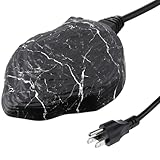
- Automatic and Thermostatic: this bird bath heater will automatically turn on the heating when the temperature is lower than 35 °F, and when the temperature of the deicer exceeds 95 °F, the power will be automatically disconnected to ensure safety, thermostatic control of the water in the birdbath
- Efficient Ice Melting: the water heater uses 120V 60Hz input voltage and has a heating power of 80W, which can quickly rises to temperature and melt ice quickly, suitable for deicing in birdbaths, buckets and other containers
- Heavy Duty Utility De Icer: this bird bath deicer is made with aluminum base surface and high density aluminum liners, heavy stone like heater with rock patterns for durability and better integration into the natural environment
- Safe and Easy to Clean: the heater part of the bird deicer is entirely covered with thick aluminum, will not calcify, rust or leave stains in the birdbath, and is not easy to be pecked by a bird's beak, which keeps curious birds safe
- Multiple Applications: the water deicer is so easy to use, just plug and it will work, suitable for versatile use around the home or farm, common applications include birdbaths, water buckets, small animal waterers and farm troughs
- Every day: Check the water level, ice, debris, and visible contamination.
- Whenever necessary: Empty and refill water that is dirty, stale, low, or contaminated.
- At least weekly: Scrub the basin under ordinary use; increase the frequency for heavy use or visible buildup.
- Before cleaning: Unplug and remove any heater according to its instructions.
- After cleaning: Rinse thoroughly and return only clean, fresh water to the basin.
A bird-bath cleaning brush can make regular scrubbing easier, but no particular brush or bird-safe treatment has been verified here. Avoid products that leave residues or make unsupported wildlife-safety claims.
Common winter bird-bath mistakes
- Adding antifreeze or salt: Chemicals do not belong in water wildlife may drink or bathe in.
- Using a deep or steep-sided basin: A shallow, gently sloped basin with stable footing is easier for birds to use safely.
- Putting the bath under a feeder: Seed waste, hulls, and droppings increase contamination.
- Assuming all heaters are interchangeable: Capacity, wattage, submersion, thermostat, and cord rules vary by model.
- Ignoring GFCI protection: Outdoor water and electrical equipment require appropriate protection and dry handling.
- Stopping cleaning because it is cold: Winter conditions do not guarantee that pathogens and organic buildup are harmless.
- Leaving an empty deicer running: A unit that must remain submerged can be unsafe or damaged when the water level falls.
- Overstating the benefit: A bath is useful supplemental habitat, but it is not necessarily essential to every bird’s survival.
Which winter setup should you choose?
Use this decision framework:
- Choose a removable bowl or basin if freezes are occasional and you can bring it indoors promptly.
- Choose a heated bath or deicer if the water freezes repeatedly, natural open water is limited, and you can provide a safe, manufacturer-compliant electrical setup.
- Skip the heater if the outlet, cord routing, basin condition, or weather exposure cannot be made safe.
- Store the bath temporarily if the material is vulnerable to freeze-thaw damage or the location makes daily maintenance impractical.
Whatever option you select, the priorities remain the same: shallow water, secure footing, clean refills, predator awareness, and no chemicals.
Frequently Asked Questions
Do birds need a heated bird bath in winter?
No. Birds can often find snow, icicles, streams, ponds, and other open water. A winter bird bath is helpful supplemental habitat, but it is not a universal survival requirement.
Quick wins for a faster PC:
Fix the driver behind crashes, sound loss and screen glitchesFind Drivers →Clear out junk files and repair common Windows errorsFree Scan →How do I keep my bird bath from freezing?
For occasional overnight freezes, use a removable shallow bowl and bring it indoors when ice forms. For persistent freezing, consider a purpose-built heated bird bath or deicer that matches the basin and its manufacturer’s instructions.
Can I put salt or antifreeze in a bird bath?
No. Never add salt, antifreeze, algaecide, or other chemicals to bird-bath water to prevent freezing. Use a removable basin, replace frozen water, or use an approved purpose-built deicer instead.
How often should I clean a bird bath in winter?
Check it every day, refill whenever the water is low or dirty, and scrub at least weekly under ordinary use. Clean more often after heavy bird activity, storms, or visible contamination.
Is it safe to use a bird-bath heater outdoors?
Use a properly protected outdoor supply, preferably with GFCI protection, keep connections dry, inspect the cord, and unplug the unit before touching or cleaning it. Follow the exact product manual, including its rules about extension cords and submersion.
The Bottom Line
Bottom line: For occasional freezes, a shallow removable basin that comes indoors is often the simplest solution. For persistent freezing, use a properly sized, purpose-built deicer on a GFCI-protected outdoor supply, keep it submerged as directed, and disconnect it before cleaning. In every setup, fresh water and regular cleaning matter more than making the bath warm.
Quick Recap
Product prices and availability are accurate as of the date/time indicated and are subject to change. Any price and availability information displayed on Amazon at the time of purchase will apply.




