Crashes, No Sound, or Screen Glitches?
Random freezes, missing sound and display glitches usually trace back to one bad driver. Find and replace yours safely.Free scan · under a minuteWindows Errors? Fix Them Before They Spread
Repair common Windows errors and clear accumulated junk for a smoother, more stable PC - no reinstall needed.Free scan · no reinstallSome links on this page are affiliate links: if you buy through them we may earn a commission, at no extra cost to you.
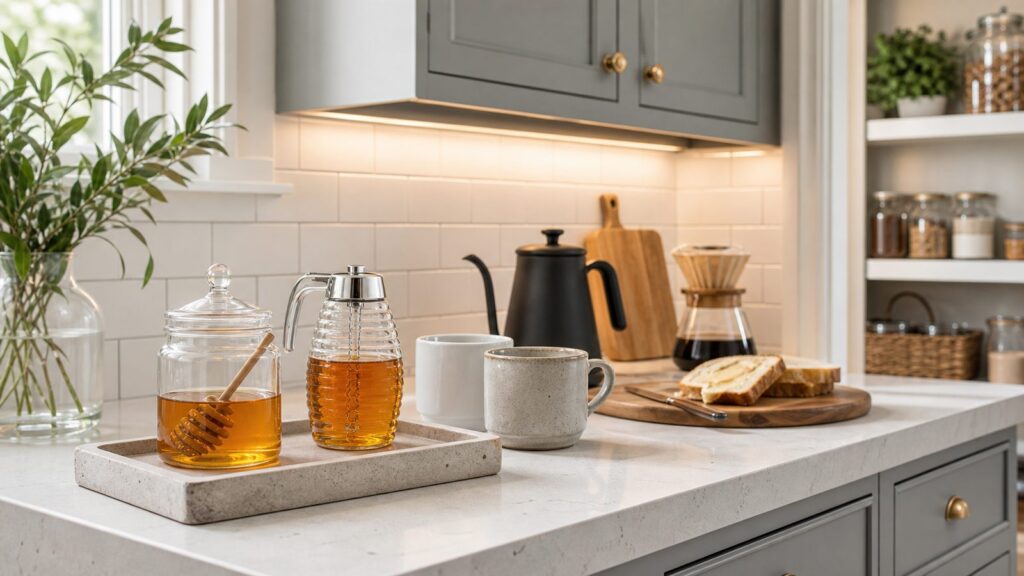
The best honey jar for a kitchen is usually a simple, airtight glass container sized for the way you actually use honey. For most homes, that means an 8- to 12-ounce dispenser near the coffee or tea station, a 12- to 16-ounce jar for everyday family use, and a larger 16- to 32-ounce wide-mouth glass jar in the pantry for sealed storage. If you buy raw honey, choose wide-mouth glass. If you mostly sweeten tea or drizzle honey over toast, a no-drip dispenser can be convenient as long as you are willing to clean the mechanism.
On our kitchen remodel projects, small storage decisions like this matter more than homeowners expect. A honey jar seems minor compared with cabinets, counters, tile, and lighting, but it is exactly the kind of everyday item that decides whether a finished kitchen stays clean or slowly turns into countertop clutter. The right jar belongs in a planned zone: coffee bar, breakfast station, baking pull-out, pantry shelf, or open display shelf. The wrong jar is too tall for the shelf, drips onto grout, clogs with crystallized honey, or becomes another object sitting randomly beside the cooktop.
As an Amazon Associate I earn from qualifying purchases.
Do these 3 things before closing this tab:
1Clear out junk files and repair common Windows errors2Fix the driver behind crashes, sound loss and screen glitches3Repair Windows errors before they cause bigger problemsFor 2026 pricing, most homeowners can expect to spend about $8 to $20 for a basic plastic dispenser, $10 to $25 for a basic glass honey pot with a dipper, $18 to $35 for a better glass or no-drip dispenser, and $20 to $45 for ceramic. Handmade, vintage, crystal, or gift-grade jars often run $28 to $60 or more. The jar itself is inexpensive. The real value is choosing one that works with the storage, counters, lighting, and cleaning habits in your kitchen.
What Makes a Honey Jar Actually Good?
A good honey jar has five practical qualities: food-safe material, an airtight closure, the right opening size, stable handling, and a shape that fits the storage location. Style matters, especially on open shelving or a visible coffee bar, but function should lead.
Honey is acidic, typically around pH 3.2 to 4.5, so it should not be stored long-term in reactive metal containers or under low-quality metal lids that can corrode after repeated sticky contact. Glass is the best default because it is inert, impermeable, odor-resistant, and does not react with honey. Food-grade plastic can work for short-term squeeze bottles, breakfast stations, or children’s use, but it scratches, stains, and becomes less reassuring around heat over time.
The lid matters as much as the jar. Honey absorbs moisture from the air. If excess moisture gets into the honey, fermentation risk increases. That is why we recommend separating storage from serving: keep a sealed pantry jar for the bulk supply and use a smaller countertop dispenser for daily use. A decorative honey pot that is opened several times a day should be treated as a serving vessel, not the only long-term storage container.
Popular on Amazon

- Material and Size: The honey jar is made of highly durable, thick-walled glass, pretty transparent and tasteless.which is very safe, unlimited service life. Crystal honey jar measures approximately: container 5.7*3.2 in diameter.Note: hand wash only
- Use: To your tea favorite breakfast foods with this glass honey jar & dipper set.Easy to add honey to hot beverages or bread without dirtying more utensils and without making a sticky mess.You can see the inside and it's very easy to clean
- Practical: This honey container with dipper is perfect for honey, is more cleanly for use, prevents honey from dripping. Take honey for sweetening tea and coffee, evenly spreading it on biscuits or dessert
- Perfect Design: Honey stays fresh and easy to reach in this honey pot with lid. There is an opening at the side to hold the dipper, this honey keeper is not airtight.Stylish design is great for cooking in your kitchen or serving at your table
- Perfect Kitchen Gift: The design of glass honey holder with dipper is so elegant and practical. Makes a great gift for anyone who enjoys cooking. This classic looking clear glass is a great addition to any kitchen and is guaranteed to attract attention. What a nice gift for your friend lover and family
Opening size is the next decision. Wide-mouth jars are better for raw honey and crystallized honey because you can get a spoon inside and warm the jar gently in a bowl of warm water. Narrow no-drip dispensers are convenient, but crystallized honey can clog them. Dipper jars look classic, but they need vertical clearance. In real kitchens, many honey pots need 8 to 10 inches of usable lift clearance so the dipper can come out cleanly without hitting the underside of an upper cabinet or pantry shelf.
Best Honey Jar Types by Kitchen Use
The best honey jar changes depending on where it lives. A coffee bar needs one-hand use and easy wiping. A baking center needs measuring-spoon access. Open shelving needs visual consistency. A pantry needs airtight storage more than decoration.
| Kitchen Zone | Best Jar Type | Recommended Size | Why It Works | Typical 2026 Cost |
|---|---|---|---|---|
| Coffee or tea station | No-drip glass dispenser or small glass jar | 8-12 oz | Easy daily use near mugs, kettle, and spoons | $18-$35 |
| Breakfast station | Plastic squeeze bottle or glass dispenser on tray | 12-16 oz | Good for toast, oatmeal, peanut butter, and children’s breakfasts | $8-$25 |
| Baking center | Wide-mouth glass jar with airtight lid | 16-32 oz | Allows spoon access and easier measuring | $1-$4 per jar in multipacks; $10-$25 decorative |
| Open shelving | Matching clear glass jars with coordinated lids | 8-16 oz | Looks clean and custom when labels and lid finishes match | $10-$35 each |
| Pantry pull-out | Sealed wide-mouth glass storage jar | 16-32 oz | Keeps bulk honey protected and visible | $1-$4 basic; $20-$40+ sets |
| Gift or staging use | Ceramic, handmade glass, or crystal jar | 8-14 oz | Best for presentation, guest areas, and photography | $28-$60+ |
For Coffee and Tea Stations
If your honey is mainly for tea, coffee, matcha, or hot lemon water, choose a container that can be operated with one hand. An 8- to 12-ounce no-drip glass dispenser is usually the right size. It is large enough to avoid constant refilling but small enough to keep the counter clear.
Place it within 18 to 24 inches of mugs, spoons, and the kettle or coffee maker. Do not tuck it behind a machine that vents heat. Heat can affect plastic over time and can make sticky residue harder to manage on surrounding surfaces. If the dispenser has a bottom-release mechanism, set it on a washable tray rather than directly on stone, wood, or grout.
Free tools Windows power users keep installed
One-click scans. No signup required.
For Bakers
Bakers should skip narrow dispensers and use a wide-mouth glass jar. Honey used for marinades, bread, granola, cakes, and sauces needs spoon and measuring-cup access. A 16- to 32-ounce jar is usually more useful than a decorative 8-ounce pot.
In remodels, we like to locate this type of jar in a baking pull-out or pantry shelf near measuring spoons, mixing bowls, flour, oats, and oils. A 12- to 16-inch shelf depth works well because small jars remain visible and reachable instead of disappearing behind bulk containers.
For Open Shelving
Open shelving is unforgiving. A collection of mismatched jars, bright labels, and sticky rings can make expensive shelves look cluttered. Use clear glass jars with consistent lid finishes: all wood, all black, all stainless-look, or all white. Keep labels small and facing the same direction.
For open wood shelves or painted shelves, use a washable tray. Honey, syrup, jam, and peanut butter leave rings that can damage finishes over time. On our job sites, we treat open shelving as a display surface that still has to work like kitchen storage. That means fewer items, better spacing, and surfaces that are easy to wipe.
Material Comparison: Glass, Plastic, Ceramic, and Crystal
Glass is the best all-around honey jar material for most kitchens. It is food-safe when manufactured for food storage, does not hold odors, and lets you see the honey level. It also suits most kitchen styles, from shaker cabinets to slab fronts to open shelving.
Plastic has a place, but mostly for short-term dispensing. It is lightweight, inexpensive, and easier for children or older adults to handle. For a busy breakfast station, a food-grade plastic squeeze bottle can be practical. The drawbacks are durability and appearance. Plastic can scratch, stain, absorb odors, and feel less appropriate for long-term storage, especially near heat or in a high-end remodeled kitchen.
Ceramic jars can look excellent on a counter or shelf, but they require more caution. Confirm the jar is food safe, the glaze is appropriate for food contact, and the lid seals well enough for your use. A ceramic pot with a loose-fitting lid may be fine as a daily dispenser refilled from a pantry jar, but it is not ideal as the only storage container.
Crystal and vintage jars are best treated as serving or staging pieces. They can be beautiful, but they are often heavier, more fragile, and harder to verify for food safety. If you are designing an aging-in-place kitchen or a child-friendly breakfast area, avoid heavy crystal, fragile ceramic lids, and awkward dippers. Use a stable glass jar, a non-slip base, or a one-hand dispenser instead.
What’s actually slowing this PC down?
Pick the symptom - the matching free tool is one click away.
Also popular on Amazon

- GLASS HONEY JAR WITH LID: Crafted from premium glass, this honey jar combines elegance with practicality. The wide opening makes scooping and pouring honey easy, while the clear design complements your kitchen decor.
- HONEYCOMB HONEY POT: Made from high-quality glass, this honey pot features a honeycomb-inspired design that brings style to your dining table. Its glass construction combines durability with an elegant appearance.
- TWO WOODEN DIPPERS INCLUDED: This honey jar with dipper set includes two durable wooden dippers for convenient, controlled honey drizzling. Enjoy added versatility when serving your favorite sweetener.
- 10 OZ HONEY STORAGE CONTAINER: Keep honey fresh and easily accessible in this 10 oz glass container. Its convenient capacity helps reduce frequent refills, keeping honey ready for everyday serving.
- A THOUGHTFUL GIFT FOR HONEY LOVERS: This elegant glass honey jar set makes a practical present for weddings, housewarmings, birthdays or holiday gifting. A stylish choice for honey lovers and home chefs alike.
How Much Should You Spend on Honey Jars in 2026?
Most households can solve honey storage well for under $50 total: one sealed pantry jar and one smaller daily-use container. The higher prices are usually for appearance, handmade finishes, specialty dispensing mechanisms, or gift presentation.
| Honey Jar Category | Typical 2026 Price | Best Use | Main Watchout |
|---|---|---|---|
| Basic plastic honey or syrup dispenser | $8-$20 each | Kids, breakfast bars, short-term use | Scratches, staining, heat exposure |
| Basic glass honey pot with dipper | $10-$25 each | Tea stations and everyday counters | Needs 8-10 inches of lift clearance |
| Better glass or borosilicate no-drip dispenser | $18-$35 each | Coffee bars and neat countertop dispensing | More parts to clean |
| Ceramic honey jar | $20-$45 each | Decorative counters and open shelving | Must confirm food-safe glaze and lid fit |
| Handmade, vintage, or crystal jar | $28-$60+ | Gifts, staging, occasional serving | Fragility and food-safety uncertainty |
| Bulk wide-mouth pantry jars | $1-$4 each in multipacks | Long-term storage and bulk decanting | Less decorative unless paired with good lids |
Price differences come from material, capacity, lid quality, drip-control design, dishwasher-safe parts, handmade construction, replacement gasket availability, and whether the piece is meant for storage or display. A $12 wide-mouth glass jar may outperform a $45 decorative pot if you buy raw honey and need to manage crystallization. A $30 no-drip dispenser may be worth it if your family uses honey every morning and the coffee bar stays cleaner.
Kitchen Remodel Details That Affect Honey Jar Storage
This is where a construction perspective helps. A jar is small, but it interacts with cabinets, shelves, counters, backsplash material, lighting, and daily workflow. During a kitchen remodel, we ask homeowners about coffee, breakfast, baking, spices, oils, and sweeteners because those routines determine where storage should go.
Cabinet and Shelf Clearance
Before buying a honey pot with a dipper, measure the storage location. You need the jar height plus enough room to lift the dipper. Many setups need 8 to 10 inches of clear vertical space. If the shelf is only 7 inches tall, the jar may fit but the dipper will hit the shelf above every time you use it.
The Tool Desk
Outbyte Driver Updater FREEFix the driver behind crashes, sound loss and screen glitchesFind Drivers →Outbyte PC Repair FREEClear out junk files and repair common Windows errorsFree Scan →For pantry shelves, adjustable holes are worth having. A honey jar, olive oil bottle, cereal container, and flour canister do not need the same height. Adjustable shelves let you tune each zone after the kitchen is in use, which is usually when the real storage problems show up.
Pull-Outs, Trays, and Breakfast Zones
Sticky items belong on removable surfaces. For families, we often recommend a breakfast-zone tray or pull-out shelf for honey, syrup, peanut butter, jam, oatmeal toppings, and toaster accessories. It is much easier to wash one tray than to scrub the bottom of a cabinet box.
A pull-out shelf also improves visibility. Small jars get lost in deep cabinets, especially behind bulk containers. For custom pantry work, 12- to 16-inch shelf depths, adjustable shelving, and task lighting are a strong combination. The goal is simple: small daily-use items should be seen at a glance and reached without moving five other containers.
Countertop and Backsplash Materials
Polished stone and quartz are generally easy to wipe clean, which makes them forgiving around honey dispensers. Butcher block, painted shelves, porous grout, and some natural stone surfaces need more protection. A small washable tray, stone slab, or sealed wood tray prevents sticky rings from becoming maintenance problems.
Quick wins for a faster PC:
Repair Windows errors before they cause bigger problemsFix Now →Fix the driver behind crashes, sound loss and screen glitchesFind Drivers →Clear out junk files and repair common Windows errorsFree Scan →Backsplash texture matters too. Honey should not live where sticky drips can hit rough grout lines or handmade tile edges every morning. If you are building a coffee bar, keep the dispenser on a tray with enough landing space for a spoon rest or saucer. Two extra inches of counter depth can make the difference between a neat station and a sticky corner.
Lighting and Glare
Glass jars look good under cabinet lighting, but too much glare can make shelves visually busy. If you are using open shelves, aim for warm, even task lighting rather than harsh point lighting directly on shiny jars. In a pantry, lighting is less about drama and more about visibility. A well-lit pantry reduces duplicate buying and keeps small containers from disappearing behind larger ones.
Our Best Practical Picks by Situation
There is no single best honey jar for every kitchen. These are the categories we recommend most often when planning a working kitchen, staging a remodel, or helping a homeowner make a newly finished space easier to live in.
Best Overall: Wide-Mouth Glass Jar with Airtight Lid
For most homes, a wide-mouth glass jar with an airtight lid is the safest recommendation. Choose 16 ounces if you use honey weekly and 32 ounces if you buy in larger quantities. It handles crystallized honey better than a narrow dispenser, fits a spoon, and stores cleanly in a pantry.
Look for a lid with a replaceable gasket or a proven sealing design. If the lid has metal components, keep them clean and dry. Avoid low-quality metal interiors that can corrode after repeated contact with honey.
Also popular on Amazon

- Includes: This three-piece honey pot includes a pot with a lid, complete with a honey dipper to swirl up a touch of honey for tea, baking and more
- Material: Crafted of glass
- Design: Decorated with honeycomb; notch in lid accommodates dipper
- Dimensions: Honey pot is 5.4" H x 3.2" D, holds 10 oz and honey dipper is 6"
- Convenient: Simply toss it in the dishwasher for easy clean up after use; hand washing recommended
Best for Tea and Coffee: No-Drip Glass Dispenser
A no-drip dispenser makes sense when honey is used daily in drinks. The best versions have a stable base, clear glass body, and a controlled release mechanism. Budget about $18 to $35 for a better glass model.
The tradeoff is cleaning. Bottom-release dispensers have more parts than a simple jar, and they can clog if the honey crystallizes. Use them for smooth liquid honey and keep a sealed refill jar in the pantry.
Best for Families: Small Plastic or Glass Squeeze Dispenser
For families with children, a lightweight squeeze dispenser may be the most practical choice. It reduces broken glass risk and can be easier to control at breakfast. Expect to spend about $8 to $20 for a basic plastic dispenser.
Do not treat plastic as your long-term storage plan. Use it as the active dispenser and refill it from a glass pantry jar. Keep it away from direct heat, dishwashers if the manufacturer does not allow it, and sunny window ledges.
Best for Open Shelving: Matching Glass Jars with Simple Lids
Open shelves look best when the storage system is restrained. Choose glass jars in the same shape family with consistent lid finishes. Use 8- to 16-ounce jars for visible shelves, not oversized bulk containers. A small label is fine; a loud front label usually makes the shelf look less custom.
Use a washable tray if the shelf is wood, painted, or near tile grout. Honey may be natural, but it is still sticky and it will collect dust if residue is left on the shelf.
Best for Gifts or Staging: Ceramic or Handmade Glass
For a housewarming gift, remodel photo shoot, or guest-ready counter, ceramic and handmade glass jars can be worth the higher price. Budget $28 to $60 or more for gift-grade, handmade, vintage, or crystal pieces.
Recommended Free Tools
Confirm food safety before using decorative or vintage pieces. If you cannot verify the glaze, interior surface, or lid material, use the jar for wrapped honey sticks, tea bags, or visual staging rather than long-term food storage.
Common Honey Jar Mistakes We See in Kitchens
The most common mistake is choosing the jar only for appearance. A tall dipper jar may look good online and still be miserable under an upper cabinet. A narrow dispenser may look tidy until raw honey crystallizes and clogs the opening. A ceramic pot may fit the style of the kitchen but fail as real storage if the lid is loose.
Another mistake is putting sticky jars directly on sensitive materials. Porous grout, unsealed butcher block, painted shelves, and some natural stone surfaces need protection. A $10 tray can prevent a lot of staining and cleanup.
Oversizing is also common. A large jar on a small counter creates clutter, becomes harder to handle, and may discourage routine cleaning. Keep large quantities in the pantry and use a smaller daily container where the action happens.
Finally, do not assume all kitchen storage upgrades are automatically permit-free. Buying a honey jar or adding a tray needs no permit. But if the storage plan becomes part of cabinet replacement, electrical changes, lighting additions, countertop work, plumbing adjustments, or appliance-garage modifications, local rules may apply.
Also popular on Amazon

- 2 Dippers Included: Includes 1 clear glass honey jar, 1 glass lid with a side opening and 2 wooden honey dippers, so you can see exactly what comes in the set.
- Built-In Dipper Rest: The side opening in the glass lid lets one wooden honey dipper rest inside the jar between servings, keeping the serving tool close at hand.
- Honeycomb Glass Design: The clear glass jar features a honeycomb-inspired texture that shows the natural color of honey and adds a decorative touch to the table.
- Made for Tabletop Serving: Use this 9 oz honey pot for honey and other similar pourable syrups or toppings with tea, toast, pancakes, waffles, biscuits, yogurt and desserts.
- Know Before You Buy: The lid includes an opening for the dipper, so this jar is intended for tabletop serving rather than airtight or leakproof storage.
When to DIY vs When to Hire a Pro
Choosing and organizing honey jars is an easy DIY project. You can measure shelf clearance, buy containers, add labels, and set up a tray in an afternoon. A simple two-container system usually costs $20 to $60 depending on the jar style: one pantry jar and one counter dispenser.
DIY also makes sense for removable organizers. A shelf tray, turntable, small bin, or non-slip mat can improve the coffee bar or pantry without modifying cabinetry. Most homeowners can handle this with a tape measure and basic cleaning supplies.
Hire a pro when the storage issue points to a larger kitchen problem. If your pantry shelves are too deep, your coffee bar lacks outlets, your under-cabinet lighting creates glare, your countertop landing zones are too tight, or your appliance garage needs electrical planning, that is construction work, not a jar-selection problem.
For context, many 2026 kitchen remodel sources place common kitchen projects around $15,000 to $75,000, with smaller or moderate projects averaging around $26,000 and major or high-end remodels reaching $70,000 to $130,000 or more. Cabinet and countertop work is a major part of that. Current cabinet installation averages are often around $5,050, and countertop installation averages around $3,300, with wide variation based on material, layout, labor market, and custom storage details.
The practical takeaway: do not remodel around a honey jar, but do plan everyday containers while you are remodeling. If you are already choosing pantry cabinets, open shelves, counters, tile, and lighting, the small details should be included before the final layout is locked.
Safety, Food-Safe Materials, and Permit Notes
Use containers sold for food storage, and be cautious with decorative pieces that do not clearly state food-safe materials. Glass is the best default. Food-grade plastic is acceptable for short-term dispensing. Avoid long-term storage in metal containers, especially reactive metals or lids that show corrosion.
For ceramic jars, look for food-safe glaze claims and practical cleaning instructions. If a jar is handmade, vintage, or imported without clear labeling, do not assume it is appropriate for acidic food contact. Honey is acidic enough that material quality matters.
PC Slower Than It Used to Be?
A free scan shows the junk files, broken settings and background clutter dragging Windows down - then fixes them in one click.Free scan · Windows 10 & 11Crashes, No Sound, or Screen Glitches?
Random freezes, missing sound and display glitches usually trace back to one bad driver. Find and replace yours safely.Free scan · under a minuteFor kitchens with children, older adults, or anyone with limited grip strength, prioritize stable bases, lighter containers, and easy-grip lids. Heavy crystal, fragile lids, and long dippers can be awkward. A one-hand dispenser or a wide-mouth jar with a simple lid may be safer and more useful.
From a construction standpoint, accessory changes do not require permits. Replacing a jar, adding a tray, or reorganizing a pantry is not regulated work. Cabinet replacement, countertop installation, electrical circuits, lighting changes, receptacle placement, and appliance-garage work can trigger local code requirements. Kitchen island and peninsula receptacle rules have changed in recent code cycles, and local jurisdictions may handle kitchen remodel permits differently. Before starting built-in storage, lighting, or electrical work, check your local building department or hire a licensed contractor familiar with your area.
How to Choose the Right Honey Jar in 5 Minutes
Start with the use case. If you use honey in tea every morning, choose an 8- to 12-ounce one-hand dispenser and place it near mugs and the kettle. If you bake, choose a 16- to 32-ounce wide-mouth glass jar near measuring tools. If the jar will sit on open shelving, choose clear glass with a lid finish that matches the rest of the kitchen hardware or shelving accents.
Also popular on Amazon

- No-drip Design: This honey dispenser no drip glass ensures no messy, sticky leaks while making honey easily accessible; perfect for dispensing honey, maple syrup, or chocolate syrup with ease
- Attractive Glass Container: Features a beautiful honeycomb-shaped glass honey dispenser; made of lightweight yet durable glass, this honey holder is ideal for everyday use
- Keeps Honey Fresh: The honey storage and dispenser has bottom stopper cap to keep your honey airtight and fresh; use in tea, coffee, or as a syrup dispenser for pancakes and other treats
- Versatile Serving: This glass honey jar holds 8 oz (1 cup) of honey, maple syrup, or chocolate syrup; the honey pourer dispenser is also suitable for simple sugar syrups and liquid toppings
- Thoughtful Gift Idea: Offer this no drip syrup dispenser as a thoughtful and practical gift to friends, family, or coworkers; a beautiful and useful honey storage jar for any kitchen or dining space
Next, measure. Check shelf height, cabinet clearance, counter depth, and how much room you need to remove a lid or dipper. For dipper jars, plan on 8 to 10 inches of usable lift clearance. For pantry jars, make sure the shelf is deep enough to hold the jar but not so deep that small containers vanish behind larger ones.
Then choose the material. Glass first, plastic for short-term convenience, ceramic for verified food-safe display, and crystal or vintage pieces for occasional serving or staging. If you buy raw honey, avoid narrow-neck dispensers. Crystallization is normal, and wide-mouth glass makes it much easier to manage.
Finally, add a washable tray. This is the contractor answer homeowners remember because it is simple and it works. A tray protects countertops, shelves, and grout. It also gives the honey jar a visual home, which helps the kitchen stay organized after the remodel dust is gone.
Final Recommendation
For the average kitchen, the best honey jar setup is a two-container system: a sealed 16- to 32-ounce wide-mouth glass jar in the pantry and a smaller 8- to 12-ounce glass dispenser at the coffee, tea, or breakfast station. Put the daily dispenser on a washable tray and keep it near the actual routine, not beside the cooktop just because there is empty counter space.
If you are remodeling, plan these small containers while you plan cabinets and counters. Add adjustable pantry shelves, consider pull-outs for sticky breakfast items, protect open shelving with trays, and make sure lighting helps you see small jars without glare. A good kitchen is not just beautiful on the day it is photographed. It works cleanly every morning, with the things you use exactly where your hands expect them to be.
Frequently Asked Questions
What is the best material for a honey jar?
Glass is the best default material because it is inert, impermeable, odor-resistant, and does not react with honey. Choose food-grade plastic only for short-term dispensing, and verify food-safe glaze before using ceramic.
Do honey jars need to be airtight?
Yes. Honey absorbs moisture from air, and excess moisture can increase fermentation risk. Use an airtight pantry jar for storage and treat decorative countertop pots as daily dispensing containers.
What size honey jar is best for a kitchen counter?
An 8- to 12-ounce jar works well for coffee and tea stations. A 12- to 16-ounce jar is better for everyday family use. Keep larger 16- to 32-ounce jars in the pantry.
Is glass or plastic better for storing honey?
Glass is better for long-term storage. Food-grade plastic can work for squeeze bottles or short-term use, but it can scratch, stain, and degrade with heat exposure over time.
How do you keep a honey dispenser from dripping?
Use a quality no-drip dispenser, keep the release mechanism clean, avoid crystallized honey in narrow dispensers, and place the jar on a washable tray to protect counters and shelves.
Do kitchen storage upgrades require a permit?
Buying jars, trays, or removable organizers does not require a permit. Built-in cabinet changes, countertop work, lighting, receptacles, plumbing, or appliance-garage modifications may require local permits.
Quick Recap
Product prices and availability are accurate as of the date/time indicated and are subject to change. Any price and availability information displayed on Amazon at the time of purchase will apply.

