Quick wins for a faster PC:
Scan for outdated or missing drivers - takes under a minuteDriver Scan →Clear out junk files and repair common Windows errorsFree Scan →Some links on this page are affiliate links: if you buy through them we may earn a commission, at no extra cost to you.
A bathroom remodel in 2026 can cost anywhere from about $2,500 for a basic cosmetic refresh to $100,000 or more for a high-end primary bathroom with a new layout, custom tile, glass, heated floors, and premium fixtures. Most homeowners planning a professional full bathroom remodel should expect a realistic working range of $8,000 to $25,000 for a standard pull-and-replace project, and $16,000 to $28,000 for a more complete midrange remodel with better finishes and trade work.
The reason the range is so wide is simple: the word remodel gets used for very different projects. Replacing a vanity, mirror, light, toilet, and paint is not the same job as removing a tub, rebuilding a shower pan, moving a toilet drain, opening walls, upgrading wiring, repairing subfloor damage, and installing tile. On our job sites, the first thing we do is define the scope clearly. Until the scope is clear, an average bathroom remodel cost is only a rough conversation starter.



As an Amazon Associate I earn from qualifying purchases.
For early planning, use these 2026 benchmarks: a cosmetic refresh often lands around $2,500 to $8,000; a small bathroom or half bath may run $3,500 to $12,000; a standard full bath pull-and-replace often falls between $8,000 and $25,000; a primary bathroom commonly starts around $15,000 to $30,000 and can climb to $60,000 or more. High-end bathrooms in expensive labor markets can reach $45,000 to $100,000 or beyond.
This guide breaks down what those numbers mean, where the money goes, what drives quotes up, when DIY makes sense, and what to ask before you sign a bathroom remodeling contract.
Popular on Amazon
Bathroom Remodel Cost Ranges for 2026
Bathroom remodel pricing is best understood by project type. Square footage matters, but scope matters more. A 40-square-foot hall bath with a custom tiled shower, old plumbing, and rotten subfloor can cost more than a larger bathroom where everything stays in place and the finishes are modest.
| Project Type | Typical 2026 Cost Range | What It Usually Includes |
|---|---|---|
| Cosmetic refresh | $2,500-$8,000 | Paint, hardware, mirror, faucet, light fixture, toilet, minor flooring, simple fixture swaps |
| Small bathroom or half bath | $3,500-$12,000 | Vanity, toilet, flooring, paint, lighting, accessories, limited plumbing or electrical updates |
| Standard full bath pull-and-replace | $8,000-$25,000 | New vanity, toilet, tub or shower surface, flooring, lighting, paint, fixtures, same footprint |
| Midrange professional full bath remodel | $16,000-$28,000 | Better fixtures, tile work, waterproofing, electrical updates, ventilation, permits, finish carpentry |
| Primary bathroom remodel | $15,000-$30,000+ | Larger vanity, improved shower, better storage, upgraded lighting, mid-grade fixtures |
| Large or high-end primary bath | $30,000-$60,000+ | Custom shower, double vanity, freestanding tub, heated floors, glass, layout changes |
| Luxury or major layout-change remodel | $45,000-$100,000+ | Premium tile, stone slabs, curbless shower, structural work, smart controls, high-cost labor market |
Per-square-foot pricing can help in the first budgeting conversation, but it should not be used as the only way to judge a bid. Many standard bathroom remodels fall around $70 to $250 per square foot. Broader public pricing often runs $100 to $500 per square foot, and premium small bathrooms can exceed $500 per square foot because fixed trade costs are spread across a small room.
That surprises homeowners. A powder room may be only 25 square feet, but it can still require a plumber, electrician, flooring installer, painter, trim work, material procurement, disposal, and project management. Small rooms also slow crews down because only one trade can comfortably work in the space at a time.
Three Levels of Bathroom Remodel Scope
When we price bathrooms, we do not start with a national average. We start by identifying which of three project levels the homeowner actually wants: cosmetic refresh, pull-and-replace, or full gut and layout change.
1. Cosmetic Refresh: $2,500 to $8,000
A cosmetic refresh keeps the bathroom largely intact. The walls stay closed, the tub or shower remains, the toilet stays in the same place, and the work focuses on visible finishes. Common updates include a new faucet, toilet, mirror, light fixture, towel bars, paint, cabinet hardware, and sometimes a prefabricated vanity.
This level works well when the bathroom functions properly and there is no known water damage. It is also a good approach before selling a home, refreshing a rental, or improving a guest bath that does not need major trade work.
PC Slower Than It Used to Be?
A free scan shows the junk files, broken settings and background clutter dragging Windows down - then fixes them in one click.Free scan · Windows 10 & 11Crashes, No Sound, or Screen Glitches?
Random freezes, missing sound and display glitches usually trace back to one bad driver. Find and replace yours safely.Free scan · under a minuteWatch the line between cosmetic and remodel. Once you replace a shower valve, open a wall, move wiring, change a drain, or remove tile, the job moves into a different cost category.
2. Pull-and-Replace Remodel: $8,000 to $25,000
A pull-and-replace remodel keeps the same layout but replaces the main fixtures and finishes. The toilet remains where it is. The vanity remains in the same general location. The tub or shower footprint stays the same. This is usually the best value for homeowners who want a real transformation without paying for major plumbing and framing changes.
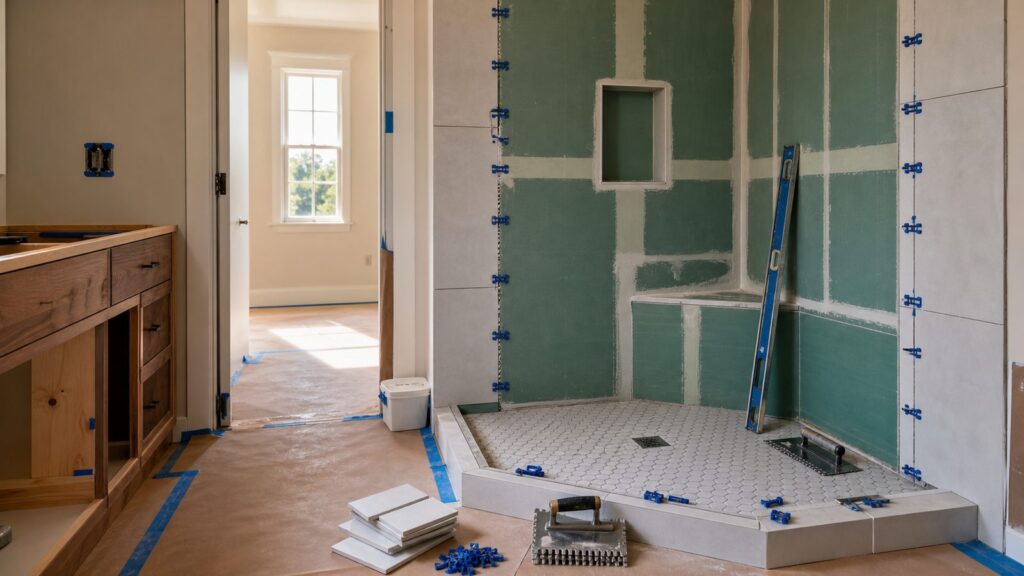
A typical pull-and-replace bathroom may include demolition, disposal, new tub or shower, waterproofing, tile or surround, vanity, top, faucet, toilet, flooring, lighting, exhaust fan, paint, accessories, and final trim. If the wiring is old, the fan is undersized, or the shower valve does not meet current expectations, those items can add cost but are still much simpler than moving the entire layout.
Keeping the wet wall in place is one of the strongest budget-control decisions a homeowner can make. Moving a toilet drain even a few feet may require cutting subfloor, working around joists, changing venting, patching ceilings below, and passing plumbing inspections.
3. Full Gut or Layout Change: $25,000 to $100,000+
A full gut remodel removes the bathroom down to framing or close to it. This is common when there is water damage, poor original construction, a failed shower pan, old galvanized plumbing, outdated electrical, plaster walls, or a layout that no longer works.
Layout changes are where costs accelerate. Relocating a toilet, expanding a shower, converting a tub to a large walk-in shower, adding a double vanity, building a curbless entry, moving walls, or adding a freestanding tub all create additional trade work. The price is not just the cost of the new fixture. It is the framing, drain slope, venting, waterproofing, electrical, patching, inspections, and finish work that come with it.
In older homes, we also plan for unknowns. Once the floor and walls are open, we may find soft subfloor around the toilet, old cast-iron or galvanized piping, ungrounded wiring, framing notched by prior work, mold staining, or tile set in a thick mortar bed. A 10% to 20% contingency is not padding; it is responsible planning.
Sample Bathroom Remodel Budget
The table below shows how a $22,000 full bathroom remodel might be allocated. This is not a universal quote. It is a practical example of where the money can go in a professional project that keeps the existing layout but replaces major finishes.
| Line Item | Example Budget | Notes |
|---|---|---|
| Demolition and disposal | $1,200-$2,500 | Includes removal, hauling, protection, and dump fees |
| Plumbing labor and rough-in updates | $2,000-$4,500 | Higher if valves, drains, or shutoffs need replacement |
| Electrical and lighting | $1,200-$3,000 | GFCI protection, vanity light, fan, switches, possible circuit updates |
| Ventilation | $500-$1,500 | Quiet high-CFM fan, ducting, roof or wall termination if needed |
| Waterproofing and shower prep | $1,500-$4,000 | Backer board, membrane, pan system, niche detailing, flood test where required |
| Tile labor and setting materials | $3,500-$8,000 | Depends on tile size, pattern, substrate, shower complexity, and grout type |
| Tile and flooring materials | $1,000-$4,000 | Porcelain is usually durable and cost-effective |
| Vanity, top, faucet, and storage | $1,500-$5,000 | Stock vanities cost less; custom cabinets and quartz tops cost more |
| Toilet and accessories | $400-$1,200 | Includes toilet, seat, hardware, grab bars or towel bars |
| Shower glass or enclosure | $1,000-$3,500 | Frameless glass, custom sizing, and clips add cost |
| Paint, trim, patching, and finish work | $1,000-$2,500 | Includes drywall repairs, caulk, base, casing, and final paint |
| Permits, inspections, and project management | $800-$2,500 | Varies by city, county, and project scope |
| Contingency | 10%-20% | Use the high end for old homes or unknown damage |
Two bathrooms with the same total square footage can land at very different prices. A basic acrylic tub and surround may keep the shower portion efficient. A tiled shower with a linear drain, bench, niche, frameless glass, and curbless entry can add thousands because the prep work and detailing are much more involved.
Also popular on Amazon
What Drives Bathroom Remodel Costs Up
The biggest bathroom cost drivers are usually hidden in scope, not in the final photos. A homeowner may see tile, faucets, and paint. A contractor is looking at structure, access, waterproofing, wiring, ventilation, and sequencing.
Plumbing Moves
Keeping plumbing locations is usually cheaper. Moving a toilet is often the most expensive plumbing change because the drain is large, must maintain proper slope, and must tie correctly into the vent and waste system. Moving a shower or tub drain can also be complicated if joists, slabs, or finished ceilings below limit access.
Replacing old supply lines, shutoffs, shower valves, traps, and drains is often worth doing while the bathroom is open. It costs more now, but it prevents opening new finishes later for a service issue.
Shower Waterproofing
Tile is not waterproof. Grout is not waterproof. The waterproofing system behind the tile protects the house. This is one of the most important places to be specific in a bathroom remodel proposal.
For a tiled shower, ask the contractor to identify the backer board, membrane type, shower pan system, drain type, niche waterproofing, bench details, curb or curbless transition, and whether a flood test is included or required. Shower glass attachment should also be coordinated so fasteners do not compromise waterproofed areas.
Tile Labor
Tile labor varies with tile size, pattern, room shape, substrate condition, grout joints, layout, and edge details. Large-format tile can look clean but requires flatter walls and floors. Small mosaic tile can be slow to install and grout. Herringbone, chevron, envelope-cut shower floors, niches, benches, and tiled ceilings all increase labor.
Porcelain tile is often the best balance for family, guest, and rental bathrooms. It is durable, widely available, and less maintenance-sensitive than many natural stones. Natural stone can be beautiful, but it often requires sealing, careful cleaning, and more attention to staining and etching.
Free tools Windows power users keep installed
One-click scans. No signup required.
Electrical and Ventilation
Modern bathrooms need safe, practical electrical work. GFCI protection is a normal expectation near bathroom receptacles, and electrical requirements vary by adopted code cycle and local inspection standards. Older bathrooms may have limited circuits, poor switching, no fan, or ungrounded wiring.
A good bathroom fan matters. We prefer quiet, properly ducted fans sized for the room. A common minimum is 50 CFM for a small bathroom, but larger bathrooms, enclosed toilet rooms, long duct runs, and heavy shower use may call for more. The fan should exhaust outside, not into an attic or wall cavity.
Old-House Surprises
Older homes can be excellent remodel candidates, but they deserve a larger contingency. Common discoveries include galvanized supply piping, cast-iron drains near the end of service life, old shutoffs that do not fully close, non-GFCI wiring, undersized circuits, subfloor rot, mold staining, plaster walls, mud-set tile, asbestos-containing materials, and lead paint concerns.
Homes built before 1978 require special attention because lead-safe practices may apply when painted surfaces are disturbed. That affects containment, cleanup, and work procedures. It is not a detail to ignore in a bathroom where sanding, demolition, and trim removal may disturb old coatings.
The Tool Desk
Outbyte Driver Updater FREEFix the driver behind crashes, sound loss and screen glitchesFind Drivers →Outbyte PC Repair FREEClear out junk files and repair common Windows errorsFree Scan →How Bathroom Size Affects Cost
Size matters, but it does not scale evenly. A 5-by-8-foot hall bathroom is about 40 square feet. A 10-by-10-foot primary bath is about 100 square feet. The larger bathroom needs more flooring, paint, trim, and sometimes more cabinetry, but both rooms may still require the same core trades.
That is why small bathrooms can have a high cost per square foot. A contractor still has to mobilize, protect the home, perform demolition, coordinate plumbing and electrical, waterproof the shower, schedule inspections, manage materials, and finish details. Tight spaces also slow productivity. There may be no room to stage materials, cut tile, or have multiple workers inside at once.
For planning, many standard bathroom remodels fall around $70 to $250 per square foot. A professionally managed midrange remodel may fall closer to $150 to $400 per square foot depending on region and finishes. Premium small bathrooms can exceed $500 per square foot because the fixed costs are concentrated in a compact footprint.
Permits, Codes, and Safety Notes
Permit requirements vary by city, county, and adopted code cycle, so the final answer should come from the local building department or a contractor who works in that jurisdiction. In general, permits are more likely when the project changes plumbing, electrical, framing, ventilation, structural elements, or the bathroom layout.
Recommended Free Tools
Also popular on Amazon
A simple cosmetic update may not require a permit. Replacing a faucet, painting, changing hardware, or swapping a mirror is usually minor work. But moving a drain, adding outlets, replacing a shower valve inside the wall, installing a new fan duct, enlarging a shower, or changing framing may trigger permit and inspection requirements.
A typical inspection sequence can include rough plumbing, rough electrical, framing if walls are modified, shower pan or waterproofing inspection where required, insulation if exterior walls are opened, and final inspection. The exact sequence depends on the local authority.
Safety items should be built into the plan, not added at the end. That includes GFCI protection, proper fan ducting, safe clearances, anti-scald shower valves, solid blocking for grab bars where needed, tempered glass, slip-resistant flooring, and accessible shutoffs. For aging-in-place planning, consider a comfort-height toilet, blocking behind walls for future grab bars, a wider shower entry, lever handles, and a low-threshold or curbless shower if the framing allows it.
When to DIY vs. When to Hire a Pro
Some bathroom work is realistic for a careful homeowner. Some work should be handled by licensed trades or a professional remodeling contractor. The difference is not pride; it is risk. Bathrooms combine water, electricity, ventilation, tile, structure, and finishes in one small room. Mistakes can stay hidden for years and damage framing, ceilings, and adjacent rooms.
What’s actually slowing this PC down?
Pick the symptom - the matching free tool is one click away.
Reasonable DIY Bathroom Updates
DIY can make sense for painting, replacing towel bars, changing a mirror, installing simple shelving, swapping cabinet hardware, replacing a toilet seat, caulking maintenance, or installing a basic faucet if the shutoffs work and the existing plumbing is sound. A handy homeowner may also handle a vanity replacement if the plumbing lines up and no wall repair is needed.
Even for DIY work, measure first. Confirm vanity width, depth, drain height, supply locations, door swing, toilet rough-in, light box location, mirror height, and faucet hole spacing before buying materials.
Work Better Left to Pros
Hire a pro for shower waterproofing, tile shower pans, drain relocation, toilet relocation, electrical circuits, fan duct routing, structural changes, curbless shower framing, heated floor systems, glass measurement, and any work requiring permits or inspections. If the home is older and may involve lead paint, asbestos-containing materials, old wiring, or deteriorated plumbing, professional planning matters even more.
The most expensive DIY failure we see in bathrooms is not crooked tile. It is water getting behind finished surfaces because the waterproofing was misunderstood. The repair can mean removing new tile, replacing framing or subfloor, treating mold conditions, and rebuilding the shower correctly.
Do these 3 things before closing this tab:
1Repair Windows errors before they cause bigger problems2Scan for outdated or missing drivers - takes under a minute3Clear out junk files and repair common Windows errorsHow to Compare Bathroom Remodel Quotes
Three contractors can look at the same bathroom and produce three very different prices because they are not necessarily pricing the same job. One may include permits, waterproofing, fan ducting, shower glass, painting, and allowance overages. Another may exclude half of those items and look cheaper on paper.
Ask each contractor the same questions before comparing totals:
- Is demolition and disposal included?
- Are permits and inspections included?
- What plumbing work is included, and what is excluded?
- What electrical updates are included?
- Is the exhaust fan being replaced, and where will it vent?
- What waterproofing system will be used in the shower?
- Is a shower pan flood test included or required?
- Are tile materials included as an allowance or fixed selection?
- What vanity, top, faucet, toilet, and hardware allowances are included?
- Is shower glass included?
- Is painting included?
- What happens if rotten subfloor, old plumbing, or mold staining is discovered?
- How are change orders priced and approved?
- What is the expected schedule from demolition to completion?
- Who manages inspections and trade coordination?
Allowance schedules are especially important. A quote that includes a $600 vanity allowance is very different from one that includes a $2,500 vanity and quartz top allowance. The same goes for tile at $3 per square foot versus tile at $12 per square foot, or a basic shower door versus custom frameless glass.
Timeline: How Long a Bathroom Remodel Takes
A cosmetic refresh may take 2 to 5 working days once materials are on site. A standard pull-and-replace bathroom often takes 2 to 4 weeks of active construction. A full gut remodel with inspections, custom tile, glass measurement, and specialty materials can take 4 to 8 weeks or longer.
The calendar is affected by lead times. Vanities, plumbing trims, tile, shower glass, custom tops, and specialty fixtures should be confirmed before demolition whenever possible. Shower glass is often measured after tile is complete, then fabricated, which can add 1 to 3 weeks depending on the supplier.
A realistic sequence for a full bathroom remodel looks like this: planning and selections, permit submission if needed, material ordering, site protection, demolition, rough plumbing and electrical, framing repairs, inspections, insulation and drywall, waterproofing, tile, paint, fixture installation, glass measurement and installation, final trim, punch list, and final inspection where required.
Independent reader supportYour contribution helps us test, update, and keep practical guides available for everyone.Where to Spend and Where to Save
The best bathroom budgets spend money on durability first. Good valves, correct waterproofing, proper ventilation, solid subfloor repairs, and quality installation matter more than trend-driven finishes.
Also popular on Amazon
Spend on the shower valve, waterproofing, fan, toilet, vanity storage, and tile labor. Save by keeping the layout, choosing porcelain tile instead of fragile luxury materials, using a standard vanity size, avoiding complex tile patterns, and selecting plumbing fixtures from established brands with available replacement cartridges.
For family bathrooms and rentals, we like durable midrange finishes: porcelain tile, quartz tops, soft-close storage, easy-clean toilets, quiet high-CFM fans, simple glass, and fixtures that can be serviced without hunting for rare parts. For primary bathrooms, comfort upgrades may be worth the cost: better lighting, heated floors, a larger shower, a bench, handheld shower, recessed niches, and improved storage.
Return on Investment and Real Value
Bathroom remodels are popular for a reason. Recent remodeling industry reporting has continued to show bathroom work as one of the most common homeowner projects, and remodelers reported bathroom remodeling as highly common in 2025. That demand supports resale appeal, but ROI should be handled carefully.
A midrange bathroom remodel has been reported around $25,251 with roughly 74% cost recouped. That is useful for perspective, but it should not be the only reason to remodel. A bathroom may need work because the shower leaks, the fan does not function, the layout is cramped, the finishes are worn out, or the home needs safer access for aging family members.
The best value is usually a bathroom that looks current, functions cleanly, ventilates properly, resists moisture, and can be serviced later. Over-customized luxury work can be enjoyable, but it does not always return dollar for dollar at resale.
Recommended Free Tools
Pre-Construction Checklist Before You Price the Job
Before final pricing, walk the bathroom with the contractor and verify the conditions that can change the budget. On our job sites, this walkthrough prevents vague bids and reduces change orders.
- Confirm water shutoffs work and are accessible.
- Check whether the electrical panel has capacity for added loads.
- Identify the fan duct route and exterior termination point.
- Look for soft flooring near the toilet, tub, and shower.
- Confirm whether there is access below the bathroom.
- Measure toilet rough-in, vanity depth, door swing, and shower opening.
- Verify fixture lead times before demolition.
- Discuss lead-safe practices for pre-1978 homes.
- Document existing plumbing and wiring before walls are closed.
- Decide which items are fixed-price and which are allowances.
Photos before walls close are worth keeping. They show pipe locations, blocking, wiring, waterproofing, and framing repairs. That documentation helps with future service and prevents guesswork years later.
Bottom Line: What Should You Budget?
For a basic bathroom refresh, budget $2,500 to $8,000. For a small or half bath, budget $3,500 to $12,000. For a standard full bathroom remodel that keeps the same layout, budget $8,000 to $25,000. For a well-executed professional midrange bathroom, $16,000 to $28,000 is a more realistic planning range in many markets. For a primary bathroom, start with $15,000 to $30,000 and expect $30,000 to $60,000 or more if you want a larger custom shower, double vanity, heated floors, freestanding tub, or layout changes.
Add a 10% to 20% contingency, especially for older homes or bathrooms with leak history. Keep fixture locations where possible. Put the waterproofing method in writing. Compare bids by scope, not just total price. A bathroom remodel is too important to price from a single average number; the right budget comes from the room, the house, the finish level, and the amount of trade work required to build it correctly.
Frequently Asked Questions
How much does a bathroom remodel cost in 2026?
Most full bathroom remodels cost about $8,000 to $25,000 when the layout stays the same. A midrange professional remodel often lands around $16,000 to $28,000, while primary bathrooms can run $15,000 to $30,000 or much more.
What is the average cost per square foot to remodel a bathroom?
Many bathroom remodels fall around $70 to $250 per square foot, but broader professional ranges can run $100 to $500 per square foot. Premium small bathrooms can exceed $500 per square foot because plumbing, electrical, waterproofing, and labor minimums do not shrink much with room size.
What is the most expensive part of a bathroom remodel?
The shower is often the biggest cost variable. Waterproofing, tile labor, shower pan construction, niches, benches, curbless entries, drains, and glass enclosures can move the total budget by thousands of dollars.
Is it cheaper to keep the same bathroom layout?
Yes. Keeping the toilet, vanity, tub, and shower in the same locations is usually far cheaper than moving them because it avoids major drain, vent, supply line, framing, subfloor, and electrical changes.
Windows Errors? Fix Them Before They Spread
Repair common Windows errors and clear accumulated junk for a smoother, more stable PC - no reinstall needed.Free scan · no reinstallOutdated Drivers Are Slowing You Down
One free scan finds every outdated or missing driver and matches the right update for your exact hardware.Free scan · exact hardware matchDo I need a permit to remodel a bathroom?
Permit rules vary by city and county. Cosmetic work may not need a permit, but plumbing, electrical, framing, ventilation, layout changes, and shower rebuilds often do. A local contractor or building department should verify requirements before final pricing.
How much should I set aside for unexpected bathroom remodel problems?
A 10% to 20% contingency is a good planning range. Use the higher end for older homes, previous leaks, unknown plumbing, tile-over-tile conditions, soft floors, or down-to-studs work.
Quick Recap
Product prices and availability are accurate as of the date/time indicated and are subject to change. Any price and availability information displayed on Amazon at the time of purchase will apply.

