Crashes, No Sound, or Screen Glitches?
Random freezes, missing sound and display glitches usually trace back to one bad driver. Find and replace yours safely.Free scan · under a minutePC Slower Than It Used to Be?
A free scan shows the junk files, broken settings and background clutter dragging Windows down - then fixes them in one click.Free scan · Windows 10 & 11For Midwest shade gardens, start by matching plants to the bed’s moisture: dry shade beneath trees calls for different choices than reliably moist shade. This nine-plant list draws on University of Illinois Extension guidance, but it is a starting point—not a region-wide guarantee. Check each plant’s natural range and suitability for your state and site before buying.
What to check before choosing shade plants
- Light through the seasons: Shade can mean filtered light beneath trees, dense woodland cover, or shade from a building. Observe the bed in leafless and leafy seasons. A plant may grow foliage without flowering well if it receives too little light. Purdue Extension discusses the range of conditions in Perennials for Shady Gardens.
- Moisture and drainage: Distinguish dry shade from moist soil, and check whether water drains. Wet soil is not necessarily poorly drained; persistent poor drainage is a separate challenge to address before planting. Roof overhangs can also keep rain from reaching a bed.
- Local ecology: Native status and suitability vary across the Midwest. Choose species within their natural range. The Minnesota Board of Water and Soil Resources’ Shade Garden template likewise advises using plants in their natural range.
Five plants for dry shade
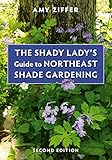
These plants appear among University of Illinois Extension’s recommendations for dry shade; Pennsylvania sedge is specifically recommended as a groundcover.
As an Amazon Associate I earn from qualifying purchases.
| Plant | Growth and interest | Best fit in this list |
|---|---|---|
| Wild columbine (Aquilegia canadensis) | Flowering perennial | Dry shade |
| Woodland phlox (Phlox divaricata) | Flowering perennial | Dry shade |
| Tall anemone (Anemone virginiana) | Flowering perennial | Dry shade |
| Prairie alumroot (Heuchera richardsonii) | Foliage and flowers | Dry shade |
| Pennsylvania sedge (Carex pensylvanica) | Low-growing foliage; groundcover | Dry shade beneath trees |
Illinois Extension also includes Pennsylvania sedge in its Mesic Pollinator Garden: Partial Shade to Full Shade, a plan for average soil moisture.
The Tool Desk
Outbyte PC Repair FREERepair Windows errors before they cause bigger problemsFix Now →Outbyte Driver Updater FREEScan for outdated or missing drivers - takes under a minuteDriver Scan →Four plants for moist or wetter shade
| Plant | Growth and interest | Best fit in this list |
|---|---|---|
| Wild ginger (Asarum canadense) | Foliage plant | Wetter shade; Purdue also lists it for part to full shade |
| Wild geranium (Geranium maculatum) | Flowering perennial | Wetter shade |
| Great blue lobelia (Lobelia siphilitica) | Flowering perennial | Wetter, shady spots |
| Cinnamon fern (Osmundastrum cinnamomeum) | Fern; foliage interest | Wetter shade |
Wild geranium and cinnamon fern are also included in the Illinois partial-to-full-shade garden plan. Woodland plants may offer subtle or partly hidden flowers, so foliage and seasonal interest can matter as much as showy blooms.
#1 Best Overall

- This package includes over 115 premium Rainbow Hosta seeds, providing an ample supply for gardeners looking to establish a lush and diverse foliage display in their outdoor landscape
- Featuring a spectacular mix of leaf patterns and variegated tones, these perennial plants offer exceptional visual interest and a unique texture to shaded areas of your yard or garden
- These shade-loving plants thrive in moist, well-draining soil, making them an ideal choice for planting under trees, along shaded walls, or as a decorative ground cover for borders
- As reliable perennials, these hostas are designed to return year after year, gradually filling in garden spaces with their broad, vibrant leaves and sturdy growth habit
- Perfect for various landscaping projects, these foliage-focused plants create a serene and cool atmosphere in any outdoor setting, enhancing the overall aesthetic of your home exterior
How to plant beneath established trees
- Favor small plugs. Smaller plants disturb less soil and fewer tree roots when planted beneath established trees. Illinois Extension horticulture educator Nancy Kreith advises: “When establishing groundcover beneath established trees, opt for smaller plant sizes like plugs.”
- Consider direct seeding if you can wait. Seeds can establish a planting, but filling in takes patience.
- Keep new plants moist while they establish. Minnesota BWSR’s perennial planting template recommends watering immediately after planting and once a week during the first summer. Adjust to rainfall, soil, and local conditions rather than treating that schedule as universal.
Plan for texture and seasonal interest
Mix foliage forms and flowering periods rather than expecting every plant to provide conspicuous blooms. Illinois Extension’s shade-garden plan describes interest and pollinator attraction from spring through fall, and recommends leaving foliage standing through winter for wildlife habitat and visual interest. Select plants suited to the actual light and moisture at each spot, and check local native ranges before combining them.
Independent reader supportYour contribution helps us test, update, and keep practical guides available for everyone.Sources and regional fit
The dry- and wetter-shade groupings and establishment advice are from Nancy Kreith’s August 4, 2025 University of Illinois Extension article, Grow successful made in the shade gardens. The list is grounded in Illinois guidance and cross-checked with extension resources, but the title does not identify a state, soil, or exact light conditions. No uniform mature-size or hardiness comparison is established here; confirm those details for the species or cultivar and locality you intend to plant.
Quick Recap
Best Value

- 14,000 QUALITY SEEDS: Loaded with 14,000 fresh, wildflower seeds specially selected to thrive in areas with limited sunlight.
- SHADE-LOVING WILDFLOWER BLEND: A curated mix of hardy, shade-tolerant varieties that brighten dim corners with soft, natural blooms. Ideal for woodland borders, tree lines, and filtered-sun gardens.
- PACKED FOR THE 2026 SEASON: Freshly processed and packaged for the 2026 Season to ensure strong germination and vibrant blooms.
- BEAUTIFUL, EASY GROWTH: Create a vibrant sanctuary for bees and butterflies with blooms that thrive where others struggle. Low maintenance, forgiving, and great for new gardeners.
- FAMILY SOWN PROMISE: Sealed in a freshness-lock 1-ounce pouch and includes simple planting instructions. If your seeds don’t grow, we’ll refund your purchase—no questions asked!
Rank #4
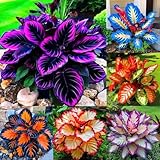
- GENEROUS SEED COUNT: Package includes 220 Hosta flower seeds, providing ample quantity for creating beautiful garden displays or sharing with fellow gardening enthusiasts
- SHADE-LOVING PERENNIAL: Thrives in shaded and partially shaded areas where other plants struggle, making it perfect for woodland gardens, under trees, or north-facing garden beds
- LUSH ORNAMENTAL FOLIAGE: Features attractive, decorative leaves that provide season-long visual interest and texture, creating stunning ground cover and garden focal points
- VERSATILE GARDEN USE: Ideal for home gardens, woodland landscapes, borders, and container planting, adding elegant greenery to shaded outdoor spaces
- PERENNIAL GROWTH: Returns year after year once established, providing long-term beauty and value with minimal replanting effort required
Rank #3

- Vivid Shade Foliage: Coleus plant seeds grow 12 in tall with tropical magentas, greens, yellows & reds—ideal flower seeds for borders, pots, patios. This seed packets bulk seeds mix well with canna, hibiscus, and other elegant tropical blooms.
- Fast Start Indoors: Rare coleus flower seeds germinate in 7-14 days with full lighting; start indoor plant seeds 6-8 weeks before last frost, sow garden seeds 1/4 in deep in trays for a bright indoor gardening.
- Easy Outdoor Setup: Coleus seeds for planting outdoors thrive in part sun to part shade; plant 2-3 seeds 10 inches apart (rows 3-4 ft) in loose, fertile soil—great seeds for planting flowers.
- Low-Maintenance Color: Pinch tops these shade loving perennial seeds for bushier growth – perfect for a home garden indoor. Perennial coleus seeds are also very popular for potted arrangements with flowering annuals or grasses.
- Reliable Performance: Rainbow coleus is annual in USDA zones 4-10 (perennial 10-11). These beautiful flower seeds are perfect as a background or indoor plant garden filler to highlight larger, blooming flowers. But these gardening seeds are not edible and harmful to pets.
Rank #2
Product prices and availability are accurate as of the date/time indicated and are subject to change. Any price and availability information displayed on Amazon at the time of purchase will apply.
Do these 3 things before closing this tab:
1Repair Windows errors before they cause bigger problems2Fix the driver behind crashes, sound loss and screen glitches3Clear out junk files and repair common Windows errors



