The Tool Desk
Outbyte PC Repair FREERepair Windows errors before they cause bigger problemsFix Now →Outbyte Driver Updater FREEScan for outdated or missing drivers - takes under a minuteDriver Scan →The best teenage girl bedroom is personal without being permanently tied to a childhood theme. Start with a durable bed, comfortable sleep setup, useful storage, and a practical study surface; then add personality through bedding, artwork, lighting, rugs, curtains, and removable wall treatments. That approach lets the room change as interests do, without replacing every major piece of furniture.
Pink can be part of the design, but it does not have to define it. The ideas below cover calm neutrals, bold color, vintage style, nature-inspired rooms, creative workspaces, gaming and technology, small rooms, shared spaces, and budget-friendly updates.


As an Amazon Associate I earn from qualifying purchases.
Choose a direction before you shop
Use the selector as a starting point rather than a strict theme. Pick one foundation, one personality layer, and one functional priority.
What’s actually slowing this PC down?
Pick the symptom - the matching free tool is one click away.
| Style or situation | Start with | Best personality layer |
|---|---|---|
| Calm and age-flexible | Warm cream, taupe, gray, greige, or natural oak | Artwork, textured bedding, and one accent color |
| Colorful | One saturated wall, ceiling detail, or color-blocked section | Coordinated bedding, art, and a colorful lamp |
| Vintage or romantic | Curved furniture, floral fabric, brass, rattan, or painted wood | Thrifted accessories and framed personal pieces |
| Nature-inspired | Wood, woven materials, green, sand, clay, or botanical prints | Plants, baskets, and tactile textiles |
| Creative | A compact desk, display rail, pegboard, or rolling cart | Projects, photographs, instruments, or books |
| Gaming or technology-focused | A compact desk, cable management, and layered lighting | Subtle color and coordinated accessories rather than novelty graphics |
| Small room | Vertical storage, under-bed bins, and multi-use furniture | One strong wall or textile instead of many small objects |
| Budget refresh | Keep the bed and storage; replace soft goods and lighting first | New bedding, art, hardware, and one high-impact textile |
67 teenage girl bedroom ideas
Calm, tonal, and neutral rooms
- Warm cream retreat. Layer ivory bedding, oatmeal curtains, a woven rug, and light wood for a soft room that can accommodate very different tastes over time. Add personality with colorful books, art, or a changeable throw rather than a permanent theme.
- Taupe-on-taupe sanctuary. Combine several shades of beige and taupe so the room feels layered rather than flat. A tactile accent wall, textured headboard, boucle cushion, or chunky knit throw gives the monochrome palette visual interest.
- Soft gray and white. Keep the bed, walls, and larger furniture quiet, then introduce lavender, blush, or sage through removable accessories. This is an easy foundation for a teen who expects her favorite color to change.
- Greige with black accents. Pair greige walls with black picture frames, a black task lamp, and graphic bedding. The dark details sharpen a soft neutral room without requiring dramatic paint or furniture.
- Natural oak foundation. Use an oak-look bed, desk, and shelving as the consistent base. Future updates can come mostly from new duvet covers, curtains, artwork, and accessories, making this one of the most adaptable approaches.
- Cream-and-brown cocoon. Keep the main room creamy and add chocolate or espresso through a throw, lamp, bedside table, or framed art. The deeper accents make the space feel grounded while remaining warm and comfortable.
- Quiet Scandinavian look. Choose pale wood, simple silhouettes, white or very light walls, and a limited number of colorful books and objects. Leave some open space so the room feels calm instead of overfilled.
- Minimal room with one art wall. Restrain the furniture and let one carefully arranged gallery wall supply the personality. Mix prints, photographs, small shelves, and one mirror, while leaving the other walls quiet.
- Textural monochrome. Stay within one color family but vary boucle, linen, knit, velvet, cotton, and a plush rug. The contrast between surfaces prevents a single-color room from looking unfinished.
Pink, lavender, and soft-color rooms
- Dusty rose, not bubblegum. Use muted rose on one wall, in the duvet, or through curtains, then balance it with cream and walnut. The result feels colorful without making the room look locked into a very young style.
- Blush-and-burgundy contrast. Pair pale pink textiles with deep red or burgundy artwork, a cushion, or a small rug. Keep the larger furniture neutral so the dark accent remains intentional rather than heavy.
- Lavender study nook. Use lavender around the desk while keeping the sleeping area neutral. The change in color visually separates work from rest without needing a wall or permanent partition.
- Peach and terracotta. Combine peach bedding with terracotta ceramics, warm wood, and cream walls. Add one green plant or botanical print to keep the warm palette from becoming too sweet.
- Pink ceiling detail. Leave the walls neutral and paint only the ceiling or a narrow border pink. It creates a surprise overhead while allowing future wall art and bedding changes.
- Lilac-and-sage combination. Balance cool lilac with sage bedding, green accessories, plants, or framed botanical prints. Use cream or light wood as the bridge between the two colors.
- Monochrome pink layers. Mix several pink tones, from pale blush to dusty rose, but vary texture and pattern. Linen, velvet, cotton, and a small geometric print will keep the palette from looking flat.
- Pink-and-orange retro room. Pair pink bedding with one orange lamp, chair, cushion, or art print and keep the furniture simple and white. Limiting orange to a few accents prevents the combination from becoming visually chaotic.
- Color-blocked pastel walls. Divide one wall into two or three broad pastel shapes rather than covering the whole room in a mural. Use painter’s tape or a reversible wall treatment if the room is rented or likely to change soon.
Bold and maximalist bedrooms
- Color-drenched jewel box. Paint the walls and trim in emerald, cobalt, or plum, then soften the saturation with light bedding and pale curtains. Test the color in the actual room first because daylight and artificial light can change how deep it appears.
- Patterned wallpaper focal wall. Apply a strong wallpaper pattern behind the bed and keep the remaining walls, bedding, and furniture relatively simple. A single focal wall gives the pattern impact without making every surface compete.
- Gallery-wall maximalism. Mix posters, personal photographs, typography, mirrors, postcards, and small shelves in a deliberately dense arrangement. Plan the composition on the floor first and leave enough breathing room around the bed, desk, and door.
- Layered rug look. Place a smaller patterned rug over a larger neutral rug to create a collected, cozy effect. Keep the lower rug flat enough that doors open freely and the layered edges do not become a trip hazard.
- Primary-color modern. Use red, blue, and yellow in art and textiles while keeping the bed, desk, and storage clean-lined. Repeating each color at least twice makes the palette feel designed rather than accidental.
- Scallops and curves. Repeat rounded shapes in a mirror, headboard, rug, bedside table, or wall shelf. Curves can soften a practical room even when the furniture itself is simple.
- Eclectic flea-market room. Mix one vintage-looking dresser with modern bedding, contemporary lighting, and collected objects. Give the room a consistent thread through color or material so the mismatched pieces look intentional.
- Statement headboard. Let a tall upholstered or arched headboard become the main visual feature, then keep the wall and bedding quieter. Check that the headboard fits the room’s scale and does not obstruct windows, outlets, or storage.
- Ceiling mural. Paint clouds, stars, florals, or abstract shapes overhead for a playful idea that leaves the walls available for art and storage. Use a removable alternative if the room may need to return to a neutral finish.
Vintage, retro, and romantic styles
- Old Hollywood palette. Combine blush, mint, cream, brass, and a rattan or curved headboard for a light glamorous look. Keep the metallic finish consistent across only a few details so the room feels polished rather than themed.
- 1970s-inspired earth tones. Use rust, mustard, olive, and brown with geometric bedding and natural wood. Balance the deeper colors with cream curtains or lighter wall paint if the room receives limited daylight.
- Romantic cottage room. Pair floral fabric, painted furniture, a pleated lampshade, and delicate framed art. Choose one floral scale for the main textile and let smaller accessories remain plain.
- Vintage record-listening corner. Create a small zone for a record player, album display, and headphones station. Keep cords organized and give records stable storage away from walkways, heat sources, and direct sunlight.
- French-inspired simplicity. Use a curved metal bed, linen bedding, a small antique-style mirror, and restrained floral accents. The look depends more on proportion and texture than on filling the room with ornate accessories.
- Retro checkerboard. Introduce the pattern through a rug, cushion, framed print, or removable wall art rather than committing the entire room to checkerboard. One repeated pattern is usually enough to establish the idea.
- Thrifted dresser makeover. Paint or refinish a secondhand dresser and replace its hardware, then style it with a modern lamp and a small tray. Confirm that the piece is stable and anchor it where appropriate, especially in a teen’s bedroom.
- Dark academia, teen version. Use warm brown, forest green, books, framed prints, and brass accents without making every surface dark. Pale bedding, a lighter rug, or open shelving will keep the room from feeling visually heavy.
- Vintage travel display. Use maps, postcards, ticket stubs, and small souvenirs instead of novelty travel bedding. A picture ledge, corkboard, or shadow box keeps memories visible but contained.
Bohemian, nature-inspired, and organic rooms
- Boho rattan retreat. Combine a rattan headboard, woven baskets, cream bedding, and a few plants for warmth and tactile variety. Keep the number of natural textures controlled so the room feels relaxed rather than cluttered.
- Biophilic bedroom. Place easy-care plants near suitable natural light and repeat green through pillows, artwork, or a small rug. Choose containers with stable bases and keep water away from electronics and finished wood.
- Desert palette. Combine sand, clay, terracotta, cactus green, and woven textures. A neutral bed and simple art will let the earthy colors create atmosphere without turning the room into a literal theme.
- Mushroom-and-forest room. Use mushroom beige, moss green, wood, and botanical illustrations. Add a warm lamp or cream textile to balance the cooler green and prevent the palette from becoming too dim.
- Sunset ombré wall. Blend peach, coral, rose, and plum behind the bed while keeping furniture neutral. If painting a gradient feels too permanent, recreate the effect with layered artwork or bedding in the same color sequence.
- Coastal without anchors. Choose pale blue, sandy beige, linen, and driftwood tones while avoiding overly literal nautical decor. The restrained palette can remain useful long after a temporary coastal interest fades.
- Floral botanical wall. Use a large-scale botanical print as the focal point and keep the bedding solid. Repeat one or two colors from the print in cushions or curtains instead of adding several competing patterns.
- Macramé and soft lighting. Pair one macramé wall hanging with warm ambient lighting and simple bedding. Secure wall decor properly and keep textile pieces clear of hot bulbs or fixtures that are not designed for fabric nearby.
- Indoor reading garden. Build a reading corner beside a plant stand, floor cushion, and clip-on or wall-mounted reading light. Leave a clear path around the chair and place the lamp where its cord cannot cross the walkway.
Creative and interest-led rooms
- Art-studio bedroom. Add a compact desk, pegboard, rolling cart, washable mat, and display rail for current projects. Store supplies in labeled containers so the creative zone can be reset for homework or sleep.
- Photography wall. Hang changing prints with clips on wire or arrange them on a picture ledge. This creates a personal display that can be updated without repeatedly adding holes to the wall.
- Music-maker setup. Create a dedicated instrument or keyboard zone with acoustic-friendly textiles and deliberate cable management. Keep the instrument accessible, but do not let its stand block a door, radiator, window, or walking route.
- Book-lover’s room. Use vertical shelving, a reading chair or floor cushion, and a focused reading lamp. Group books by subject, color, or frequency of use, and anchor tall shelving according to the manufacturer’s instructions.
- Craft storage wall. Combine labeled bins, shallow shelves, and a fold-down work surface to preserve floor area. Put frequently used supplies within easy reach and heavier materials lower down.
- Fashion mood-board corner. Mount a corkboard, magnetic board, or framed grid for outfit inspiration and personal photographs. A defined board keeps the project contained instead of allowing inspiration images to spread across every wall.
- Dance-inspired room. Keep an open floor area, add a full-length mirror safely secured to the wall, and use a slim storage bench. Avoid placing furniture where it reduces the clear space needed to move safely.
- Pet-friendly retreat. Include a washable throw, closed storage for supplies, and a designated pet bed without blocking walkways. Select finishes and textiles that can tolerate regular cleaning and keep small objects out of reach if the pet may chew them.
- Travel-and-memory display. Use shadow boxes, postcards, and a small shelf for meaningful objects rather than filling every surface. Rotate the display seasonally so it remains personal without becoming crowded.
Study, gaming, and technology ideas
- Two-zone homework room. Separate the desk from the bed with a rug, shelf, screen, or change in wall color. The visual division gives studying a clear place while preserving the bed as a restful zone.
- Window-facing study desk. Put the desk near daylight when possible, but position the lamp and screen to reduce glare. OSHA guidance recommends supplemental task lighting that illuminates reading and writing while limiting excessive brightness around screens; the goal is comfortable visibility, not a promise of improved eyesight.
- Small gaming nook. Use a compact desk, monitor arm, headphone hook, and under-desk cable tray while keeping the overall decor coordinated. A small rug, framed art, or restrained accent color can make the setup belong to the room rather than looking like a separate workstation.
- Soft gamer aesthetic. Combine lavender, black, white, or sage with subtle RGB lighting instead of novelty game graphics. Set decorative lights to a comfortable brightness and make sure cables, power strips, and adhesive-mounted components do not create trip, heat, or pulling hazards.
- Creator corner. Add a phone tripod, softbox or task light, acoustic-softening textiles, and a clean background for video calls or content creation. Keep the camera area visually simple and make the background easy to change with art, a textile, or a small shelf.
- Makeup-and-homework vanity. Use a desk with a mirror and movable organizer so it serves both schoolwork and getting ready. Keep cosmetics, stationery, and chargers in separate containers so the work surface can be cleared quickly.
- Bedside charging station. Put charging cables in a tray or cable box and keep devices away from the pillow area at night. CDC guidance identifies evening exposure to room or electronic light as associated with adolescents getting less sleep, so treat device-light control as a healthy-room habit rather than a guaranteed sleep cure.
Small, shared, renter-friendly, and budget-friendly rooms
- Vertical-storage small room. Use tall shelving, over-door organizers, under-bed bins, and wall hooks to preserve floor space. Keep everyday items at reachable heights and reserve the highest shelves for less frequently used belongings.
- Loft-bed study zone. Place a desk or lounge area beneath a lofted bed only when the specific product has suitable construction, guardrails, ladder design, and ceiling clearance. Follow the manufacturer’s age, weight, assembly, and anchoring requirements rather than adapting a bed for a different use.
- daybed hangout room. A daybed with layered cushions can function as seating during the day and a sleep space at night. Use covers that can be removed for washing and arrange cushions so they do not obstruct access to the bed.
- Renter-friendly removable style. Use peel-and-stick wallpaper, removable decals, leaning art, tension rods, and freestanding storage instead of permanent alterations. Test any adhesive on an inconspicuous area and follow the product’s removal instructions; no removable product is guaranteed to suit every paint or wall surface.
- Budget refresh. Change bedding, lighting, wall art, hardware, and one textile before replacing major furniture. A new duvet, lamp, rug, and drawer pulls can create a noticeable update while preserving money for durable pieces.
- A room that grows with her. Spend more carefully on the mattress, bed frame, desk, and storage because they support daily use for years. Use lower-cost, easily replaceable accessories for trends, fandoms, and interests that may evolve.
How to make the room grow with her
A flexible room is not bland; it is a room with a stable foundation and changeable layers. Use this checklist before committing to paint, furniture, or a large decor purchase.
Popular on Amazon

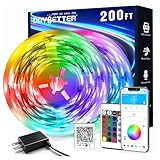
- APP and IR Remote Contorl: With a stable connection,control your LED lights,freely change in 16 million colors,adjust brightness,customize modes (Flashing,Jump,Fade,etc) in different speeds.
- Music Sync: The built-in mic make the LED lights color-changing with the ambient music,easily create party atmosphere.
- Timing Setting: The Led strip will turn on/off automatically at the setting time, repeat this seting on date you set.
- Widely use: The led strip lights 100FT is long enough, perfect for decorating your bedroom, kitchen, ceiling, living room . Widely used on holidays and party (such as christmas, halloween, birthday,wedding .etc )
- Easily Setup: Tear off strong adhesive tape on light strips,stick the strip lights on a clean,dry surface,finish in minutes.
- Give each activity a visible place. Where the room allows, define sleep, study, storage, creativity, and socializing. A rug, change in wall color, shelf, or lighting zone can create separation without construction.
- Make the bed the anchor. Choose a bed and headboard that fit the room’s scale, then let bedding and artwork carry more of the current personality.
- Use reversible personality layers. Bedding, curtains, rugs, lamps, artwork, removable decals, and peel-and-stick treatments are easier to replace than built-in finishes.
- Layer lighting. Combine general ambient light, a focused desk or reading light, and optional decorative light. A single ceiling fixture rarely works equally well for homework, reading, relaxing, and getting ready.
- Plan storage before styling. Count clothing, books, craft supplies, equipment, and sentimental objects. Closed storage reduces visual clutter; open shelves make favorite items part of the design.
- Measure every large item. Check door swings, window access, desk depth, walking routes, drawer clearance, and the location of outlets before ordering furniture.
- Anchor tall or unstable furniture. Follow the manufacturer’s instructions for dressers, bookcases, mirrors, shelves, loft beds, and wall-mounted items. Use the appropriate fixing method for the wall rather than assuming one anchor works everywhere.
- Design the cable route. Keep chargers and monitor cables away from walkways, bed linens, and areas where they can be pulled. A cable tray, box, clips, and a designated charging surface can make a technology-heavy room safer and neater.
- Separate decorative light from sleep habits. Color-changing or accent lighting can be useful for atmosphere, but it should not be presented as a sleep improvement. Turn decorative lights off when appropriate and keep bright screens away from the pillow area.
- Spend on what is difficult to replace. Prioritize a suitable mattress, stable bed frame, useful storage, and a desk with enough working space. Refreshable accessories can carry the trend or theme.
Shopping starter kit
Shop by function first, then by appearance. A sensible starter kit may include a mattress and bed frame, washable bedding, a desk or multi-use work surface, storage that fits the room, one adjustable task light, window coverings, one comfortable rug, and a small set of personal art or accessories.
Affiliate disclosure: Some shopping references may become affiliate links after publication. If that happens, the site may earn a commission at no additional cost to the reader. Product availability, pricing, returns, and affiliate eligibility can vary by country and change over time.
Optional technology notes for specialized rooms
Function and safety check before finishing the room
- Keep paths to the door, window, closet, and desk clear.
- Secure tall furniture, mirrors, shelves, and loft-bed components as directed by the manufacturer and appropriate wall hardware.
- Keep lamps, soft textiles, plants, and paper decor away from fixtures that become hot or are not rated for nearby materials.
- Do not hide damaged cords or overload power strips. Route cables neatly and keep chargers away from bedding and wet areas.
- Use task lighting for reading and writing, but place it so it does not shine directly into a screen or eyes.
- Keep decorative LEDs at a sensible brightness and turn them off when they are no longer needed.
- For permanent outlet, lighting, or built-in changes, use a qualified professional and follow applicable local requirements.
- Before buying a loft bed, bunk-style solution, wall-mounted desk, or heavy storage system, verify the exact product’s clearance, load, age, assembly, and anchoring instructions.
Frequently Asked Questions
How can I make a teenage girl’s bedroom feel mature without making it boring?
Use neutral or natural foundational furniture and add personality through artwork, bedding, curtains, rugs, lamps, and a removable wall treatment. A clear color palette and a few personal objects will feel more intentional than a room filled with matching novelty decor.
Also popular on Amazon

- 【Creating a perfect atmosphere】LED light strips come in 16 million colors and 22 dynamic scene modes, allowing you to explore your favorite or most suitable for your mood, bringing yourself a truly dreamy lighting experience
- 【Convenient control method】You can easily adjust the color, brightness, and lighting effects of LED light strips using intelligent applications or controllers
- 【Immersive music experience】Built in sensitive microphone that pulsates with ambient sound or the rhythm or melody of music on your phone, synchronizing with the rhythm of your favorite music, movies, or games, allowing lighting to enhance your audiovisual entertainment experience
- 【Intelligent timing function】Set the LED lights to automatically turn on or off at a fixed time through an intelligent application. After the scheduled time, the LED light strip will gradually wake you up with soft light in the morning, accompanying you to sleep in the dark and giving you a sense of security
- 【Easy to install and versatile】Stick the LED light strip onto a clean, dry surface without the need for any tools. Add exciting, expressive, and personalized lighting to your bedroom, living room, and game room decor
What should go in a small teenage bedroom?
Prioritize the bed, a compact study surface, and storage that uses vertical and under-bed space. Tall shelving, over-door organizers, wall hooks, a daybed, or a carefully specified loft bed can preserve floor area, but every product’s clearance and safety requirements should be checked first.
Are LED strip lights a good idea for a bedroom?
They can work well as decorative accent lighting for gamer, colorful, creator, sunset, or budget designs. Compare controls, brightness, adhesive, and cord placement, and treat them as one lighting layer rather than a replacement for ambient or task lighting. Turn them off when appropriate instead of presenting them as a sleep aid.
How do I decorate a rented bedroom without damaging the walls?
Use leaning art, freestanding storage, tension rods, removable decals, and peel-and-stick wallpaper or collage products designed for temporary use. Always patch-test first and follow the product’s removal instructions because wall condition and paint type affect results.
The Bottom Line
The most successful teenage girl bedrooms balance identity with flexibility: durable furniture and organized zones underneath, expressive but replaceable layers on top. Choose the style that fits her now, keep study and storage genuinely usable, layer the lighting, secure the furniture, and leave room for the next version of her.
Free tools Windows power users keep installed
One-click scans. No signup required.
Quick Recap
Product prices and availability are accurate as of the date/time indicated and are subject to change. Any price and availability information displayed on Amazon at the time of purchase will apply.

