baking soda has six legitimate, limited uses in the garden: screening soil pH, supporting preventive powdery-mildew treatments, cleaning garden tools, and helping remove surface rust or stubborn residue. It is not a general fertilizer, dependable weed killer, compost deodorizer, or cut-flower preservative.
The key distinction is between a household cleaning aid and a disease-control product. baking soda is sodium bicarbonate, and too much sodium can injure foliage, accumulate in soil, and affect soil structure. For serious plant-disease problems, a labeled potassium-bicarbonate product is usually the more reliable choice.
Note: Product references in this article are general examples, not brand recommendations or reports of products tested by us. For any pesticide or fungicide, use only a product whose label covers your crop, disease, and intended application.
1. Use baking soda for a rough soil-pH screening test
A vinegar-and-baking-soda test can give you a quick indication of whether a soil sample is probably acidic, alkaline, or close to neutral. It is useful as a first screening step when you are curious about a bed or garden area, but it does not provide a dependable numerical pH reading.
The Tool Desk
Outbyte Driver Updater FREEFix the driver behind crashes, sound loss and screen glitchesFind Drivers →Outbyte PC Repair FREEClear out junk files and repair common Windows errorsFree Scan →| # | Preview | Product | Price | |
|---|---|---|---|---|
| 1 |

|
ARM & HAMMER Baking Soda, 2.7 Lbs | $7.99 | Buy on Amazon |
| 2 |

|
Amazon Grocery, Baking Soda, 4 Lb | $3.08 | Buy on Amazon |
| 3 |

|
Bob's Red Mill Baking Soda, 16oz (4 Pack) | $12.76 | Buy on Amazon |
| 4 |
|
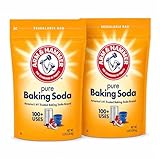
Arm & Hammer Baking Soda, 3lb Powder Bag, Pure Baking Soda for Baking, Cooking, Cleaning - Grocery | $10.99 | Buy on Amazon |
As an Amazon Associate I earn from qualifying purchases.
How the screening test works
- Take separate portions of representative soil from the area you want to examine. Avoid testing only the surface or a single unusual spot.
- Mix one portion with water and add baking soda. Bubbling suggests that the soil is probably acidic.
- Place another portion in a separate container and add vinegar. Bubbling suggests that the soil is probably alkaline.
- If neither sample bubbles noticeably, the soil may be near neutral—or the reaction may simply be too weak for this informal test to show clearly.
The reaction is qualitative, not quantitative. It cannot tell you whether the soil has a pH of 5.5 or 6.5, and it says nothing reliable about nutrient levels, salinity, drainage, or organic-matter content.
Before adding lime, sulfur, or another amendment, confirm the result with a soil pH test kit or, preferably, a laboratory soil test. Choose amendments according to the tested pH and the plants you intend to grow. Do not spread baking soda through a garden bed to raise its pH. That adds sodium rather than providing a controlled, crop-appropriate soil amendment.
2. Try a preventive spray for early powdery mildew on roses
A baking-soda-and-horticultural-oil spray may help protect roses when used preventively or at the first signs of powdery mildew. One University of California Cooperative Extension example uses 4 teaspoons of baking soda plus 1 ounce of narrow-range horticultural oil per gallon of water, applied during cool conditions.
Do these 3 things before closing this tab:
1Repair Windows errors before they cause bigger problems2Scan for outdated or missing drivers - takes under a minute3Clear out junk files and repair common Windows errorsThis is a protective treatment, not a cure for heavily infected plants. Powdery mildew appears as a white, powdery coating, often on leaves and young growth. At the first sign:
#1 Best Overall
- A HOUSEHOLD CLASSIC: This 2.7 lb resealable bag of ARM & HAMMER Baking Soda unlocks 100+ uses across your home—from kitchens and laundry rooms to crafting tables and beyond
- PURE & NATURAL: America’s Most Trusted Baking Soda Brand is safe to use around kids and pets; no additives or chemicals, no cornstarch, and no fragrance
- FOOD-GRADE FOR BETTER RESULTS: USP-grade 1 crystals create fluffier cakes, muffins, cookies, and breads; use it in gluten free, kosher, vegan, paleo-friendly, and organic baking recipes
- DIY HOME HACKS: A multi-purpose essential to help freshen carpets, brighten laundry, freshen drains, scrub sinks, clean jewelry, craft kids’ sensory play & science experiments with one ingredient
- SUSTAINABLY MADE IN THE USA: Proudly made and packaged in Green River, Wyoming, using 100% certified renewable energy for a more sustainable, quality baking soda you can trust
- Remove badly infected leaves or shoots where practical, and dispose of them rather than composting visibly diseased material.
- Improve air movement by spacing plants properly and pruning selectively.
- Apply any spray during cool weather, not during intense heat or drought stress.
- Keep the mixture off open blossoms, and test it on a small section of the rose before treating the entire plant.
- Follow the product label if you use a commercial oil or fungicide, including its mixing instructions and reapplication interval.
A narrow-range horticultural oil is not interchangeable with every household oil. Oils can injure plants when applied in hot weather, to drought-stressed foliage, or too close to incompatible products. Repeated baking-soda sprays or heavy runoff can also contribute sodium to the soil and affect soil structure.
3. Use it cautiously against powdery mildew on ornamentals
The same general approach has been studied on ornamentals such as phlox and zinnias. A baking-soda-and-oil mixture may help protect healthy tissue when powdery mildew pressure is beginning, but results depend on the plant, weather, concentration, coverage, and timing.
Do not assume that a recipe safe on one ornamental is safe on another. Plant sensitivity varies, and a spray that causes no visible damage on a rose may scorch another species. Test a small area first and wait to observe the plant before making a broad application.
Good growing conditions matter as much as the spray. Choose resistant varieties when available, provide adequate air circulation, avoid wetting foliage late in the day, and avoid excessive nitrogen fertilization, which can produce lush, disease-prone growth. Fungicides generally protect uninfected or newly developing tissue; they do not remove an established infection from leaves that are already covered.
If the disease is severe or recurring, a potassium bicarbonate fungicide may be a better-supported option than ordinary sodium bicarbonate. Potassium bicarbonate is generally more effective against powdery mildew and less likely to injure plants than baking soda, but it still must be used according to its label.
4. Consider it a limited foliar-disease option on vegetables
Baking-soda-and-oil mixtures have been studied for powdery mildew and some other foliar diseases of garden vegetables. They may offer protective value when applied early, but they are not universal cures and should not be treated as a substitute for diagnosis, sanitation, resistant varieties, or a labeled fungicide.
Edible crops require extra caution. Before applying any commercial product, verify all of the following on the label:
Windows Errors? Fix Them Before They Spread
Repair common Windows errors and clear accumulated junk for a smoother, more stable PC - no reinstall needed.Free scan · no reinstallOutdated Drivers Are Slowing You Down
One free scan finds every outdated or missing driver and matches the right update for your exact hardware.Free scan · exact hardware matchRank #2
- One 4-pound resealable bag of Baking Soda
- Great for baking, cleaning & freshening
- Amazon Grocery has all the favorites you love for less. You’ll find everything you need for great-tasting meals in one shopping trip
- Feed your every day with Amazon Grocery
- The specific vegetable or crop is listed.
- The disease being treated is listed.
- The rate, mixing instructions, and maximum number of applications are followed.
- The reentry interval is observed.
- The preharvest interval is observed before picking and eating produce.
Even with a homemade mixture, start with a small test area. Avoid applying it to hot, drought-stressed, newly transplanted, or otherwise weakened plants. Do not spray blossoms, and avoid unnecessary runoff onto the soil.
For a serious vegetable disease problem, identify the disease first. Powdery mildew, downy mildew, bacterial leaf spot, and insect damage can look different and require different management. A labeled potassium-bicarbonate product may be preferable for powdery mildew, but no product should be presented as appropriate for every foliar disease.
5. Scrub dirt and grime from garden tools
Baking soda is a useful mild abrasive for cleaning soil, sap, and grime from garden tools. Make a paste from approximately equal parts baking soda and water, apply it to the dirty surface, and scrub with a cloth or a garden tool cleaning brush. Adjust the amount of water until the paste is spreadable but not runny.
- Remove loose soil and plant debris first.
- Apply the paste to dirty metal, plastic, or coated surfaces as appropriate.
- Scrub stubborn areas without unnecessarily abrading finished surfaces.
- Rinse or wipe away the residue.
- Dry the tool thoroughly, especially around hinges and fasteners.
Cleaning is not disinfection. Baking soda helps remove physical dirt, but it should not be described as a sanitizer or as a product that kills plant pathogens on pruners, pots, or other equipment.
When disease transmission is a concern, clean off soil and plant material first, then use an appropriate disinfectant according to its directions. Disinfecting a dirty tool is less reliable because organic debris can interfere with the process.
6. Help remove surface rust or caked-on residue
Baking soda can also be part of a tool-maintenance routine for loosening caked-on residue and helping scrub away light, surface-level rust. Its value here is primarily mechanical: the damp paste provides mild abrasion while you work at the affected area.
For a tool with light rust:
- Brush or wipe away loose dirt.
- Apply a baking-soda-and-water paste to the affected metal.
- Work the area with a suitable brush or abrasive pad, using care around cutting edges and finished surfaces.
- Remove the loosened residue.
- Dry the tool completely.
- Apply the manufacturer-recommended protective treatment or a suitable light coat of tool oil where appropriate.
This method is better suited to surface rust and residue than to deep corrosion, pitting, or damaged cutting edges. If rust has compromised the hinge, blade, or locking mechanism, replacing the tool may be safer than trying to restore it. Keep any abrasive away from precision surfaces that could be scratched or from edges that need to remain properly honed.
Rank #3
- PURE BAKING POWER: Bob’s Red Mill Baking Soda ensures perfectly risen cookies, cakes, breads, and muffins that bring friends and family together
- A GLUTEN FREE PIONEER: Bob’s Red Mill Baking Soda is tested and confirmed gluten free; processed and packaged in a separate gluten free facility; batch tested in Bob's Red Mill's quality control laboratory using an ELISA Gluten Assay test
- CHEWY, LIGHT TEXTURE: Reacts with acidic ingredients like buttermilk, cocoa, molasses or yogurt to create tender, airy baked goods
- IT STARTS WITH GOOD INGREDIENTS: A leader in natural foods since 1978, Bob’s Red Mill is committed to good ingredients made with the passion and expertise of our founder, Bob Moore; proudly 100% employee owned
What baking soda does not do
It is not a general fertilizer
Baking soda is not a balanced source of the nutrients plants need. Adding it repeatedly can expose plants and soil to unnecessary sodium. Use a soil test and a fertilizer selected for the crop and the diagnosed deficiency instead.
It is not a dependable weed killer
Homemade weed-control recipes often include baking soda, but broad applications can damage desirable plants and soil. They may also be ineffective against established weeds, especially perennial weeds with deep roots. Do not broadcast baking soda through planting beds or use it as a substitute for a legally appropriate, labeled herbicide.
It is not a reliable compost deodorizer
Bad compost odors usually point to a management problem: excess moisture, poor aeration, or too much nitrogen-rich “green” material compared with dry carbon-rich “brown” material. Turn the pile, add dry leaves or another carbon source, and correct the moisture level. Baking soda does not fix the underlying imbalance and adds sodium to the compost.
Rank #4
- Pure Baking Soda: This 3-pound bag contains 100% pure sodium bicarbonate, providing a versatile household essential that serves multiple purposes from your kitchen to your cleaning routine without any additives or fillers
- Effective Leavening Agent: Acts as an effective leavening agent that helps doughs and batters rise beautifully, creating light and fluffy textures in cakes, cookies, breads, and other baked goods for consistently delicious results
- Versatile Cooking Ingredient: Enhances your culinary creations by tenderizing meats, balancing acidity in recipes, and helping vegetables retain their vibrant colors during cooking for improved taste and presentation
- Multi-Purpose Cleaning Power: Works as a natural, gentle abrasive cleaner that effectively removes stains, eliminates odors, and cuts through grease on various surfaces throughout your home without harsh chemicals
- Convenient Large Size: The generous 3-pound powder bag format provides excellent value and ensures you have plenty on hand for all your baking, cooking, and cleaning needs, reducing the frequency of repurchasing
It is not a cut-flower preservative
For cut flowers, use clean water and a commercial floral preservative when appropriate. Household additives can shorten vase life, and educational comparisons have found that baking-soda water performs poorly for cut flowers. Recut stems with a clean tool, keep the vase clean, and change the water as needed instead.
Safe-use checklist
- Use baking soda mainly for soil-pH screening, tool cleaning, and limited early or preventive disease-management experiments.
- Do not use the vinegar-and-baking-soda test as a precise soil analysis.
- Never add baking soda to a bed as a routine pH amendment.
- Patch-test foliar sprays on a small part of the plant.
- Apply sprays in cool conditions and avoid heat, drought stress, newly transplanted plants, and open blossoms.
- Minimize runoff onto soil.
- For edible crops, follow the pesticide label and all reentry and preharvest intervals.
- Clean tools before disinfecting them; baking soda alone is not a disinfectant.
- Choose a labeled potassium-bicarbonate product when disease control is the goal and ordinary baking soda is unlikely to be adequate.
Which option should you use?
| Your goal | Best next step | What to avoid |
|---|---|---|
| Get a rough idea of soil pH | Use the vinegar-and-baking-soda screen, then confirm with a soil test. | Changing soil pH based only on bubbling. |
| Prevent early powdery mildew | Improve airflow and consider a carefully tested, properly timed treatment. | Spraying heavily infected plants and expecting a cure. |
| Treat a serious or recurring disease | Identify the disease and use a labeled product appropriate for the crop. | Assuming every white coating is powdery mildew or every recipe works universally. |
| Clean tools | Use baking-soda paste to scrub away dirt, then disinfect when needed. | Calling baking soda a sanitizer. |
| Fix compost odor | Turn the pile and correct moisture and green-to-brown balance. | Masking the odor with baking soda. |
Frequently Asked Questions
Can baking soda raise garden soil pH?
It can react with acidic soil in an informal test, but it is not a recommended soil amendment. Baking soda adds sodium and can harm soil and plants when overused. Use a soil test before choosing lime, sulfur, or another amendment.
Will baking soda cure powdery mildew?
No. Baking soda may provide limited preventive or early-stage protection in some baking-soda-and-oil treatments, but it will not reliably cure a heavy infection. Improve air circulation, remove badly infected tissue, and use a labeled treatment when appropriate.
Recommended Free Tools
Is baking soda safe for vegetable plants?
It can injure foliage, especially at excessive concentrations or in hot, dry conditions. For edible crops, use only products labeled for the specific crop and disease, and follow all application and harvest restrictions.
Does baking soda disinfect garden pruners?
No. Baking soda is an abrasive cleaner that helps remove dirt and residue. Clean the tool first, then use an appropriate disinfectant if preventing disease transmission is important.
The Bottom Line
Baking soda is most useful in the garden as a rough diagnostic aid and a mild cleaning abrasive. Its disease-control value is narrow, preventive, and plant-sensitive—not a cure-all. Use a proper soil test before changing pH, choose labeled potassium bicarbonate for serious powdery-mildew problems, and keep sodium-based homemade treatments away from routine soil applications.
Quick Recap
Product prices and availability are accurate as of the date/time indicated and are subject to change. Any price and availability information displayed on Amazon at the time of purchase will apply.




