Do these 3 things before closing this tab:
1Fix the driver behind crashes, sound loss and screen glitches2Clear out junk files and repair common Windows errors3Scan for outdated or missing drivers - takes under a minuteSome links on this page are affiliate links: if you buy through them we may earn a commission, at no extra cost to you.
Late-winter flowers can appear while much of the garden is still dormant, but the first signs of spring depend on species, weather and location—not a single calendar date. The best-documented early bloomers include snowdrops, winter aconite, snow crocus, hellebores, winter- and spring-flowering witch hazels, and bulbous iris. Their bloom windows overlap in some regions and differ in others.
When to look for the first flowers
Use local observations rather than treating a month as a guarantee. Snowdrops may emerge in January in western Washington and reach full bloom in late February, while an Arkansas Extension account places them in late February or early March. Winter aconite may emerge as early as late February in central Pennsylvania; in Wisconsin, it flowers just before snowdrops. These are regional examples, not a nationwide sequence. Washington State University Extension, Penn State, University of Arkansas Cooperative Extension and University of Wisconsin Horticulture describe these local patterns.
As an Amazon Associate I earn from qualifying purchases.
The Tool Desk
Outbyte Driver Updater FREEFix the driver behind crashes, sound loss and screen glitchesFind Drivers →Outbyte PC Repair FREEClear out junk files and repair common Windows errorsFree Scan →Six flowers to recognize
1. Snowdrops (Galanthus spp.)
Look for small, nodding white flowers among the first bulbs to emerge. Timing varies: western Washington accounts describe January emergence and late-February full bloom, while Arkansas guidance gives late February or early March. Snowdrops are bulbs, so they are a natural choice if you want to add an early-blooming plant; ask a local nursery or extension service which varieties suit your area. WSU Extension and the University of Arkansas Cooperative Extension provide regional descriptions.
2. Winter aconite (Eranthis hyemalis)
This low-growing plant brings bright yellow flowers to the early-season garden. It can appear around the same time as snowdrops or just before them, depending on location; Penn State reports it may emerge as early as late February in central Pennsylvania, while Wisconsin Extension describes it flowering just before snowdrops. Its tuber is highly poisonous, so choose planting and handling locations with care around children and pets. Penn State and the University of Wisconsin Horticulture cover its timing and safety.
Popular on Amazon

- 524 PREMIUM SEEDS – BRILLIANT COLOR, FAST GROWTH: This large pack includes 524 USA-packed, high-germination Zinnia Dahlia seeds that bloom into stunning double flowers in red, pink, orange, white, and more. Easy to grow, beginner-friendly, and perfect for bouquets, borders, and containers. Blooms in just weeks and lasts all summer!
- A TRUE GARDEN ARISTOCRAT WITH STRIKING FORM: Zinnia Dahlia is a radiant floral showstopper, beloved for its uniquely bold shape and opulent floral structure. Each bloom evokes a sense of floral nobility with plush, layered petals arranged in a near-geometric sphere. This variety of zinnia has earned its place among the top ten most cherished garden flowers, widely appreciated across the United States and beyond.
- RED FOR EXCEPTIONAL COLOR, SHAPE, AND VARIETY: Decades of horticultural development have resulted in this magnificent line of Zinnia Dahlia seeds. Carefully selected to represent the best of modern breeding, this variety offers a visual spectacle of rich tones and impressive structure. The blooms are large and fully double, featuring countless tightly arranged petals that radiate with saturated color. Each flower opens like a celebration—vivid, elegant, and unforgettable.
- EXPLOSION OF COLOR IN EVERY PLANT: This seed mix produces a stunning range of shades including snow white, coral, salmon pink, lavender, purple, bright orange, cream-yellow, cherry red, scarlet, deep crimson, and plum. Two-toned blooms with dramatic edging offer even more visual interest. Whether planted in clusters or as a standout specimen, Zinnia Dahlia puts on a breathtaking display all summer long.
- LARGE PACK FOR FULL GARDEN COVERAGE: Each seed pack includes approximately 524 premium Zinnia Dahlia seeds, giving you enough to plant a wide area—ideal for garden borders, flower beds, or large landscape designs. Enjoy continuous blooms and a high return on planting. This makes them an ideal value choice for mass planting or sharing with friends and family.
3. Snow crocus (Crocus chrysanthus)
For an early crocus, look specifically for Crocus chrysanthus, which Penn State describes as flowering from late winter into early spring. “Crocus” does not mean every type blooms then: saffron crocus (Crocus sativus), for example, flowers in September and October. Check the botanical name when choosing bulbs rather than relying on a general label. Penn State distinguishes these bloom periods.
4. Hellebores (Helleborus spp.)
Hellebores can flower in winter or early spring. Fort Collins Gardens reports Helleborus niger in full bloom by the end of January in its local setting; Iowa State gives February and March as a flowering period for common hellebores. Treat these as regional examples, not a fixed schedule. All parts of hellebores are poisonous, and their sap can irritate skin, so wear gloves when handling them and keep that risk in mind when selecting a planting site. Fort Collins Gardens, Iowa State University Extension and Outreach and University of Vermont Extension discuss flowering and safety.
Also popular on Amazon

- 10 COOL SEASON FLOWERS – Alyssum Carpet of Snow (Lobularia maritima), Calendula Greenheart (Calendula officinalis), Forget-Me-Not (Cynoglossum Amabile), Scarlet Kale (Brassica oleracea), Swiss Giant Pansy (Viola wittrockiana), Annual Phlox (Phlox drummondii), Snapdragon Tetra Mix (Antirrhinum majus), hoary Stock (Matthiola incana), Sweet Pea Dwarf Mix & Sweet Pea Lord Nelson (Lathyrus odoratus)
- SPRING AND FALL GARDEN COLOR – A curated mix of cool weather ornamentals that thrive in crisp temperatures and light frosts, delivering vibrant blooms after the cold of winter or when summer flowers fade
- LAYERED GARDEN DESIGN – Combine trailing alyssum, upright snapdragons and stock, bold ornamental kale, airy phlox, and climbing sweet peas for dynamic height, texture, and color contrast
- VERSATILE FLOWER ASSORTMENT – Beautiful in large landscape beds and borders or patio containers and pots, these adaptable cool season flowers and ornamentals bring structured color to big gardens and small spaces
- FAMILY OWNED USA SMALL BUSINESS – Heirloom non-GMO seeds from Survival Garden Seeds, a trusted American brand; always open-pollinated, untreated, and quality tested for garden success
5. Winter- and spring-flowering witch hazels (Hamamelis spp. and hybrids)
Witch hazels offer narrow-petaled, fragrant flowers on shrubs while many gardens remain dormant. Depending on weather and the plant, some spring-flowering kinds can start by late December or early January; many flower from January into March. Check the species before buying: Hamamelis virginiana is a fall bloomer, not a winter or early-spring choice. Missouri Botanical Garden outlines the species and timing differences.
6. Bulbous iris
Bulbous iris adds another early-season flower after snow crocus in one regional garden sequence. Fort Collins Gardens observes it flowering about a week to ten days after Crocus chrysanthus in its local garden. That interval is a site-specific observation, not a dependable schedule for other climates or gardens. Fort Collins Gardens describes the sequence.
Also popular on Amazon

- Bloom Time: Exceptionally early flowering in late winter to early spring; Provides color when most plants remain dormant; Continuous blooming through spring months
- Product Quantity: Over 300 multicolor primrose seeds per packet; Ideal for creating extensive flowering displays; Perfect for both garden beds and container plantings
- Flower Characteristics: Delicate double blooms with layered petals; Sweet fragrance enhances garden experience; Mixed colors include pink, purple, white and yellow shades
- Hardiness: Reliable perennial in USDA zones 5-8; Cold tolerant blooms withstand late frosts; Returns with increased vigor each spring
- Growth Habit: Compact plants ideal for borders and containers; Perennial nature ensures yearly returns; Perfect for edging pathways and underplanting shrubs
Choose by growth habit, timing and safety
| Plant | What to look for | Bloom timing in cited sources | Safety note |
|---|---|---|---|
| Snowdrops | Small, nodding white flowers; bulbs | January emergence and late-February full bloom in western Washington; late February or early March in Arkansas | No safety warning established in the cited sources |
| Winter aconite | Low-growing, bright yellow flowers | May emerge as early as late February in central Pennsylvania; flowers just before snowdrops in Wisconsin | Tuber is highly poisonous |
| Snow crocus (Crocus chrysanthus) | Early-flowering crocus; flower color varies | Late winter into early spring, per Penn State | No safety warning established in the cited sources |
| Hellebores | Perennial clumps with winter or early-spring flowers | Full bloom by late January in Fort Collins for Helleborus niger; February and March for common hellebores in Iowa State guidance | All parts poisonous; sap may irritate skin |
| Winter- and spring-flowering witch hazels | Shrubs with fragrant, narrow-petaled flowers | Some can start by late December or early January; many flower January to March, depending on weather | No safety warning established in the cited sources |
| Bulbous iris | Bulbous flowering plant | About one week to ten days after Crocus chrysanthus in Fort Collins Gardens’ local observation | No safety warning established in the cited sources |
Bloom windows in the table summarize particular regional guidance; they are not directly comparable predictions for one garden. Weather, cultivar and location all affect what appears first. For a more useful local calendar, check a nearby botanical garden or cooperative extension service.
Independent reader supportYour contribution helps us test, update, and keep practical guides available for everyone.Plant for your own spring, not a fixed date
If you want to add an early bloomer, start with plants suited to your region and the conditions in your garden. Snowdrop bulbs are one documented option, but the sources do not establish a universal planting schedule or guarantee a particular bloom date. Ask a local extension service or reputable nursery which species and cultivars perform in your area, and consult its planting guidance for the right season and site.
Quick Recap
Also popular on Amazon
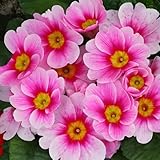
- Abundant Blooms: Package includes 200 premium Primula seeds that produce vibrant, colorful flowers perfect for creating stunning garden displays
- Spring Beauty: Early-blooming perennial that brings cheerful colors to your garden as winter fades, offering long-lasting flowers throughout the spring season
- Versatile Growing: Shade-tolerant plants that thrive in various garden settings, from partially shaded areas to woodland gardens, making them adaptable to different environments
- Garden Design: Ideal for creating eye-catching borders, filling containers, or adding color to rock gardens with their compact growth habit and prolific blooming nature
- Easy Care: Low-maintenance perennial flowers that return year after year, providing reliable spring color with minimal gardening effort
Also popular on Amazon

- Beautiful - Large premium packet of Large Mix Snapdragon (Antirrhinum var. ‘Large Mix’) seeds. Annual variety that produces large ruffled flowers in shades of pink, purple, red, yellow, and white. These eye-catching flowers will brighten any space, perfect for enjoying outdoors in a cottage garden or using indoors as a cut flower. This variety blooms continuously throughout the growing season, adding vibrant color to your garden from spring to fall! Minimum of 200 mg (about 1600 seeds).
- Productive - Snapdragon germinates in 7-14 days when soil temps are 60-70°F after chilling overnight. Plant 1/16” deep and space 10-12” apart in an area with full sunlight. This variety will grow 30-48’ tall. Flowers will mature in 80-100 days, plant in USDA zones 3-13.
- Pollinator Friendly - Large Mix Snapdragon flowers attract valuable pollinators like bees and butterflies. Whether you’re planting wildflower style or in carefully arranged beds, it’s a great way to support your local pollinators!
- Easy to Grow - Instructions included on each packet. Plus, we are available to answer all your questions. If these seeds don’t germinate, we will happily make it right for you.
- Safe and Sustainable - Our operation is fully solar powered, and Sow Right Seeds has taken the Safe Seed Pledge to sell only fresh Non-GMO heirloom seeds for you and your family.
Product prices and availability are accurate as of the date/time indicated and are subject to change. Any price and availability information displayed on Amazon at the time of purchase will apply.

