The most effective way to clean a whole home is to tidy first, work from high to low and dry to wet, use the mildest product that works, and clean odors at their source. Routine cleaning is usually enough for an ordinary household; sanitizing or disinfecting is reserved for food-contact needs, illness, higher-risk household members, or specific contamination.
Use the 50 tips below as a flexible system rather than a list of chores you must complete every day. Household size, pets, allergies, cooking, traffic, moisture, illness, and the care instructions for each material should determine how often you clean.

As an Amazon Associate I earn from qualifying purchases.
The most efficient order for cleaning a home
When the whole house feels overwhelming, do not begin by scrubbing the first dirty surface you see. Follow this order:
Free tools Windows power users keep installed
One-click scans. No signup required.
- Declutter and put things away.
- Gather supplies and take a container for items that belong elsewhere.
- Dust high surfaces first.
- Remove dry debris such as crumbs, grit, hair, and loose dust.
- Wipe and wash surfaces using the appropriate product.
- Clean the kitchen and bathroom.
- Vacuum upholstery, rugs, carpets, edges, and floors.
- Mop hard floors last, using only the amount of moisture the material allows.
- Remove trash and soiled cleaning materials.
- Ventilate, dry surfaces, and return supplies to storage.
This order prevents you from cleaning the same area twice and keeps falling dust, crumbs, and dirty water from landing on finished surfaces.
#1 Best Overall
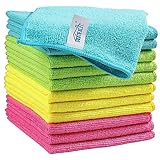
- Effective Streak-Free Cleaning: Clean kitchen countertops, windows, mirrors, bathroom surfaces, stainless steel, car interiors, glass, and other delicate surfaces with just water or your favorite cleaner—these microfiber cloths deliver streak-free, neat results with minimal effort, making daily cleanup fast and simple
- Lint-Free & Scratch-Safe: Soft to the touch and completely lint-free, these cloths won't scratch or damage delicate finishes like glass, ceramic, coated metals, car paint, or polished surfaces—clean with confidence on everything from household appliances to auto trim and electronics screens
- Ultra-Absorbent for Spills, Polishing & Drying: Designed to quickly soak up liquids, grease, and grime, making them ideal for drying dishes, wiping spills, polishing stainless steel, buffing car surfaces, and tackling everyday messes around the house, garage, or workshop—efficient cleaning without extra effort
- Reusable, Washable & Long-lasting: Machine washable and reusable hundreds of times with reinforced edges that hold up wash after wash—a durable replacement for disposable paper towels that cuts down on waste and repeat purchases for families, pet owners, detailers, and busy households
- Versatile Across Home, Auto & Beyond: Equally suited for general household cleaning, interior car detailing, exterior buffing, polishing wheels, wiping down tools, workshop surfaces, electronics, eyeglasses, screens, and more—simply rinse after use or toss in the washing machine; a practical all-around choice for homes, garages, shops, and small businesses
50 practical cleaning tips
Set up a cleaning system that saves time
- Tidy before you clean. Put away laundry, toys, dishes, papers, and misplaced objects before wiping or vacuuming. Tidying and cleaning are different jobs: clutter blocks surfaces, makes vacuuming slower, and causes you to work around dirt instead of removing it. Decluttering before cleaning is a simple efficiency improvement, not a rule that requires you to organize the entire house first.
- Use three baskets or bags. Label them relocate, donate, and discard or recycle. Collect items as you move through a room, then return or dispose of them in one pass instead of repeatedly walking between rooms.
- Work from top to bottom. Dust ceiling fans, light fixtures, cabinet tops, high shelves, and upper furniture before lower surfaces and floors. Gravity will bring some dust down, so cleaning the floor first wastes effort.
- Clean dry messes before wet messes. Vacuum or dust loose crumbs, grit, hair, and dirt before applying liquid. Wet debris can smear into grout, fabric, wood grain, and textured finishes.
- Use a slightly damp microfiber cloth for ordinary dust. A clean, barely damp cloth captures dust instead of simply redistributing it. Test it on delicate finishes, and wash cloths separately from greasy or heavily soiled items.
- Vacuum strategically. Use the proper attachment on carpets, rugs, upholstery, stairs, baseboard edges, and beneath furniture. If your vacuum accepts one, a HEPA filter can reduce the amount of dust escaping through the exhaust, although vacuuming can still stir particles while you work.
- Keep cleaning tools clean. Wash microfiber cloths, mop heads, reusable sponges, brushes, and vacuum components according to their care instructions. A damp, musty cloth can spread odors rather than remove them. Kitchen towels in particular should be washed frequently; the USDA recommends frequent washing of kitchen towels, using the hot cycle when appropriate for the fabric.
- Keep a small kit where the work happens. A bathroom kit, kitchen kit, and general-purpose kit make it easier to start a short task. Store chemicals in their original, labeled containers and keep them inaccessible to children and pets.
- Clean high-touch surfaces regularly. Focus on doorknobs, light switches, faucet handles, toilet handles, remote controls, phones, and frequently handled cabinet pulls. Clean them when visibly dirty and more frequently during illness or when someone in the household is especially vulnerable. CDC household guidance does not require every low-touch surface to be disinfected every day.
- Do a short daily reset. Empty visible trash, load or wash dishes, return misplaced items, wipe kitchen counters, clear the entryway, and vacuum only the highest-traffic areas if needed. A 10- to 15-minute reset is often more sustainable than waiting for a whole-house cleaning marathon.
Use cleaning products safely
Before choosing a product, distinguish the goal:
| Goal | What it means | Typical home use |
|---|---|---|
| Cleaning | Removes dirt and most germs with soap or detergent, water, and scrubbing. | Routine dust, spills, fingerprints, bathroom soil, and ordinary kitchen messes. |
| Sanitizing | Reduces germs to a level considered safe by public-health standards. | Food-contact items after cleaning, when the product label permits that use. |
| Disinfecting | Kills most remaining germs on a surface when the product is used exactly as labeled. | Some high-touch surfaces during illness or after particular contamination. |
CDC explains the difference between cleaning, sanitizing, and disinfecting. In ordinary homes, cleaning is generally sufficient unless someone is sick, at elevated risk, or the surface has a specific contamination concern.
- Clean first, then sanitize or disinfect when appropriate. Dirt and grease can interfere with a sanitizer or disinfectant. Use soap or detergent, water, and scrubbing first unless the product label specifically gives different directions.
- Reserve disinfection for situations that justify it. Disinfect high-touch surfaces when someone is sick, when a high-risk person is present, or after contamination involving bodily fluids, following applicable public-health instructions. Disinfecting every wall, floor, and low-touch surface daily adds chemical exposure without being a routine requirement for most homes.
- Follow a disinfectant label exactly. Check that the product is approved for the surface, whether pre-cleaning is required, the correct dilution, the required contact time, whether the surface must remain visibly wet, and whether rinsing is required. The EPA explains disinfectant registration and contact time; the EPA registration number is the best way to identify a product making a pathogen-killing claim.
- Do not spray and immediately wipe when contact time is required. If the label says the surface must remain wet for five or 10 minutes, wiping it dry after a few seconds may not deliver the claimed result. Use enough product to keep the surface wet for the labeled time, then rinse if directed.
- Never mix cleaning chemicals. In particular, never mix bleach with ammonia, vinegar, toilet-bowl cleaner, drain cleaner, or another disinfectant. Dangerous vapors or gases can result. The safest general rule is to use one product at a time and never combine products unless the label explicitly instructs you to do so. See the CDC bleach-safety guidance.
- Use bleach only in the right formulation and dilution. If a product label does not provide directions, CDC gives this option for many hard, nonporous surfaces: mix 5 tablespoons, or one-third cup, of regular unscented household bleach containing approximately 5%–9% sodium hypochlorite, per gallon of room-temperature water, or 4 teaspoons per quart. Prepare a fresh solution daily. If no directions are available, keep the surface visibly wet for at least one minute. Do not assume splashless or thickened laundry bleach is suitable for disinfection, and never use this formula on a material unless it is compatible with bleach.
- Ventilate and protect yourself. Open windows or doors when conditions permit, use exhaust fans that vent outdoors, wear gloves when appropriate, and use eye protection when splashing is possible. Do not use strong cleaners in a small, enclosed room without adequate ventilation. OSHA’s cleaning-chemical guidance covers common hazards and protective measures.
- Choose products by evidence, not by the word “natural.” “Natural,” “green,” “non-toxic,” and “chemical-free” are not interchangeable with “safe.” Look for a specific use, ingredients, directions, and surface compatibility. EPA Safer Choice products meet EPA criteria for ingredients, performance, packaging, and disclosure; the optional fragrance-free designation identifies products without fragrance materials.
- Test unfamiliar products in a hidden spot. Before treating painted walls, upholstery, wood, stone, leather, or colored fabric, test a small inconspicuous area and let it dry. A cleaner that works on one finish may stain, dull, bleach, or etch another.
- Let the manufacturer’s instructions outrank a cleaning hack. For floors, appliances, electronics, mattresses, countertops, and treated fabrics, use the care manual first, then the product label and material-specific guidance. General internet advice comes last.
- Do not use fragrance to hide a persistent odor. A musty, sour, smoky, sewage-like, or unusually sweet smell may indicate damp materials, a drain, spoiled food, trash, pet waste, a dirty appliance, or a plumbing problem. Remove the source first. The EPA’s indoor-air-quality framework prioritizes source control, followed by ventilation and supplemental filtration.
Improve air freshness and control moisture
- Keep indoor relative humidity below 60%, ideally 30%–50%. A small hygrometer can help if the home feels damp or condensation appears on windows, walls, or pipes. A dehumidifier may help, but it does not replace fixing leaks or other moisture sources. EPA mold guidance recommends these humidity targets.
- Run the bathroom exhaust fan during and after showers. Use a fan that vents outdoors, or open a window when weather and outdoor air quality permit. Removing moisture promptly helps limit condensation, mildew, and mold.
- Use the range hood when cooking. Cooking creates moisture and airborne particles. Use an exhaust hood or fan that vents outdoors where available, and clean its filter according to the appliance instructions.
- Dry wet materials quickly. Hang towels and rugs so air can circulate, and dry wet upholstery or building materials promptly. EPA says drying wet or damp materials within 24–48 hours prevents mold growth in many situations, although heavily damaged or porous materials may need to be removed.
- Use door mats and a shoe station. Exterior and interior mats reduce tracked-in dirt and biological contaminants. A designated place for shoes keeps that soil near the entrance, and wiping pet paws before entry can reduce additional tracking.
- Use air filtration as a supplement. A properly sized portable air cleaner or a suitable HVAC filter can reduce some airborne particles, but filtration does not remove every pollutant and cannot replace source control or ventilation. Follow the HVAC manufacturer’s filter specifications; an overly restrictive filter can impair airflow. See EPA guidance on air cleaners and home HVAC filters.
- Reduce pest-friendly conditions. Store food in sealed containers, clean crumbs and spills promptly, remove standing water, reduce clutter that provides shelter, and seal entry points where practical. These steps address the food, water, shelter, and access that support household pests.
Protect floors, furniture, fabrics, electronics, and laundry
- Blot spills instead of rubbing them. Use a clean, absorbent cloth and work from the outside toward the center. Blotting limits spread on many fabrics and natural stones; rubbing can push liquid deeper or enlarge the mark.
- Keep vinegar and lemon away from acid-sensitive natural stone. Marble, limestone, travertine, and other calcareous stones can be dulled or etched by acids. The Natural Stone Institute recommends a neutral cleaner, stone soap, or mild dishwashing detergent and warns against lemon, vinegar, abrasive powders, and hydrofluoric-acid products. Granite, quartzite, engineered quartz, and other surfaces still require their own manufacturer-approved care.
- Dust-mop natural stone floors frequently. Sand and grit act as abrasives. Use a clean, untreated dust mop or a vacuum with attachments and wheels that will not scratch the stone. Avoid flooding the floor with water.
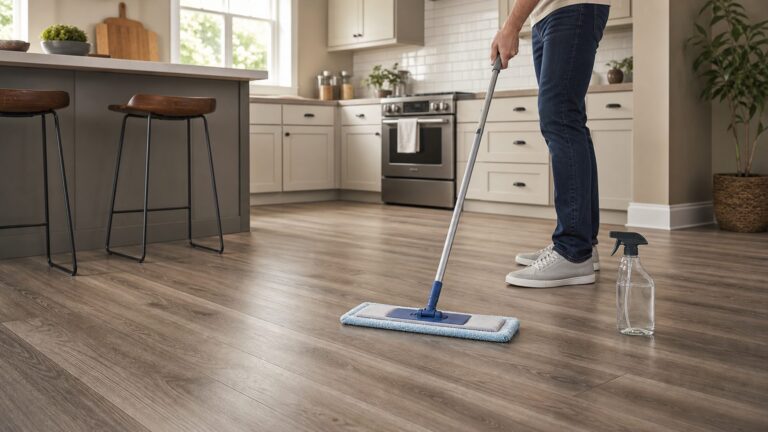
- Do not steam-clean or wet-mop hardwood unless the floor maker allows it. Excess moisture and steam can swell wood, damage finishes, or enter seams. The National Wood Flooring Association warns against damp mopping and steam cleaning wood floors; use the flooring manufacturer’s recommended cleaner and moisture level.
- Clean screens with a soft, lint-free cloth. Power down and unplug equipment when appropriate. Never spray liquid directly onto a screen, keyboard, port, speaker, or other opening. Apple recommends a soft, lint-free cloth and warns against aerosols, bleach, abrasives, and direct spraying; Samsung gives similar warnings for television screens.
- Remove pet hair before vacuuming. A rubber glove, rubber squeegee, or lint roller can gather clumps from carpets and upholstery first. Test rubber tools on delicate textiles and avoid excessive friction.
- Vacuum lampshades and upholstery with the correct attachment. Use a soft brush or upholstery tool rather than a bare nozzle. Do not saturate lampshades, electrical fixtures, or delicate upholstery.
- Contain ceiling-fan dust. Turn the fan off and use a pillowcase or similar cloth around each blade to capture dust as you wipe. Use a stable ladder and never overreach; ask for help rather than improvising an unsafe height.
- Treat melamine sponges as mildly abrasive. They can remove some wall and baseboard scuffs, but may dull matte paint, remove sheen, or damage a finish. Test first and use light pressure rather than treating them as universal erasers.
- Follow textile care labels before laundering. Care instructions cover washing, bleaching, drying, ironing, and warnings. The FTC’s care-label guidance explains why those instructions matter. Check the label before choosing bleach, water temperature, stain treatment, or dryer heat.
- Use the warmest appropriate water and dry fabrics completely. Follow the care label rather than assuming hotter is always better. CDC recommends the warmest appropriate setting and complete drying. Do not leave damp laundry sitting in the washer, where it can develop a musty odor.
- Run a washer-maintenance cycle as directed. Many front-load machines need periodic cleaning. For example, Maytag recommends a Clean Washer cycle monthly for applicable models and leaving the door slightly open afterward. Your model may require a different cleaner, cycle, or frequency.
Keep the kitchen clean and food-safe
- Wash counters and sinks with warm, soapy water. Cleaning removes food residue, dirt, and some bacteria. Use a product appropriate for the countertop, rinse where required, and do not leave chemical residue on areas where food will be prepared. USDA food-safety guidance distinguishes ordinary cleaning from sanitizing.
- Use separate cutting boards for raw proteins and ready-to-eat food. Keep a separate board for raw meat, poultry, and seafood. Wash each board with hot, soapy water after use, rinse, and air-dry. Replace boards with deep grooves that cannot be thoroughly cleaned. Follow USDA cutting-board guidance.
- Sanitize food-contact items only with an appropriate sanitizer. For a homemade sanitizer for cutting boards and utensils, USDA gives the formulation of 1 tablespoon of unscented liquid chlorine bleach per gallon of water. Clean first, apply for the time specified by the applicable guidance or product label, rinse with clean water, and air-dry. Never substitute a general-purpose disinfectant unless its label specifically permits food-contact use.
- Wash kitchen towels frequently. Towels can transfer residue and microbes among hands, counters, dishes, appliances, and handles. Launder them frequently, using a hot cycle when appropriate for the fabric, and hang them so they dry between uses.
- Wipe refrigerator spills immediately. Use hot, soapy water, rinse if needed, and dry the area. Avoid solvents, abrasives, or cleaners that could damage the finish or leave chemical odors near food.
- Keep the refrigerator at 40°F or below. Use an appliance thermometer if the built-in display is absent or unreliable. USDA recommends a refrigerator temperature of 40°F or below and a freezer at 0°F or below. Cleaning cannot make food safe if it has been stored at unsafe temperatures.
- Cool leftovers in shallow containers. Divide large amounts of hot food into shallow containers so they cool faster. Refrigerate perishables within 2 hours, or within 1 hour when the temperature is above 90°F, and use most cooked leftovers within 3–4 days. See USDA’s food-safety time and temperature guidance.
- Clean the refrigerator condenser area as the manual permits. Dust and lint around exterior grilles or condenser areas can impede airflow on some models. Keep the front grille clear and clean accessible condenser coils several times a year only if the appliance manual allows it. Do not dismantle a sealed system.
- Wash the trash can itself. When a liner leaks or odors persist, clean the inside, underside of the lid, rim, and surrounding floor. Dry the bin completely before replacing the liner. If the smell returns quickly, look for leaking food, damp cardboard, or a nearby drain instead of relying only on scented liners.
Bathrooms, mold, and pets
- Squeegee wet shower surfaces. A quick pass after bathing removes standing water and some soap residue, helping surfaces dry faster. On natural stone, use a non-acidic cleaner approved for that stone and avoid vinegar and lemon.
- Treat mold as a moisture problem, not merely a stain. Fix leaks, dry materials, and improve ventilation before repainting or recaulking. Do not paint or caulk over moldy material. EPA says homeowners can generally handle a moldy area smaller than approximately 10 square feet, while larger areas or substantial water damage call for professional guidance. Read the EPA’s mold and moisture guide before starting.
A flexible cleaning schedule
There is no single schedule that fits every household. Increase frequency for visible soil, frequent cooking, heavy foot traffic, pets, allergies, illness, or a household member at elevated risk. Reduce unnecessary chemical use when ordinary cleaning is enough.
Quick wins for a faster PC:
Clear out junk files and repair common Windows errorsFree Scan →Scan for outdated or missing drivers - takes under a minuteDriver Scan →Repair Windows errors before they cause bigger problemsFix Now →| Frequency | Useful tasks |
|---|---|
| Daily or near-daily | Put objects away, wash dishes, wipe food-preparation surfaces, remove food scraps and visible trash, wipe spills, ventilate bathrooms after showers, and clean pet bowls according to the CDC schedule. |
| Weekly or as needed | Vacuum high-traffic areas, clean bathrooms, wash towels and kitchen cloths, launder pet bedding, wipe trash cans when needed, review leftovers and produce, and dust furniture, baseboards, fans, and light fixtures. |
| Monthly or manufacturer-directed | Run a washer-cleaning cycle if the manual recommends it, clean appliance and range-hood filters, clean vacuum components, inspect under sinks and washing-machine gaskets, wash or replace cleaning tools, and review clutter hotspots. |
| Seasonal or occasional | Wash windows and screens, clean behind and beneath appliances, deep-clean rugs and upholstery according to their care instructions, inspect for roof or plumbing leaks and condensation, check HVAC filters, and reassess storage and donations. |
Popular cleaning “hacks” that need caution
- Vinegar is not a universal disinfectant. Ordinary household vinegar should not be presented as an EPA-registered surface disinfectant. It is also unsafe for acid-sensitive stone.
- Baking soda and vinegar are not a magic combination. The fizz is a chemical reaction, but combining an acid and a base largely neutralizes them. Use each only where it is appropriate, and never combine either with bleach.
- Essential oils do not automatically disinfect. They can irritate people and pets, stain materials, and are not a substitute for a registered product when pathogen-killing claims matter.
- Steam is not safe for every surface. Heat and moisture can damage hardwood, memory foam, electronics, paint, adhesives, and some upholstery. Use a steam device only when the surface and manufacturer permit it.
- Bleach is not an all-purpose freshness product. It can discolor fabrics, corrode materials, and create dangerous vapors when mixed. Use it only for a compatible, justified purpose.
- More cleaner is not better. Excess product can leave residue, dull finishes, and attract more dirt. Follow the label’s dilution and dosage.
- Do not treat a mattress with steam automatically. Some cleaning sources recommend steam for dust mites, but mattress construction, adhesives, foam, and warranties vary. Follow the mattress manufacturer’s instructions first.
- Be skeptical of solvent, wax, boiling-water, and alcohol tricks. Denatured alcohol, boiling water, wax, and similar methods can create fire, heat, finish, or fabric risks when the material and ventilation are not known.
When ordinary DIY cleaning is not enough
Stop and seek qualified help when the problem involves:
Rank #3

- Strong Absorbent & Streak-Free: Crafted with premium microfiber, these cleaning rags quickly absorb water and wipe away spills, dust, grease, and dirt without leaving streaks. Ideal for drying dishes, cleaning countertops, or polishing surfaces in the kitchen, car, or around the home.
- Soft & Lint-Free on Delicate Surfaces: Made from a non-abrasive blend of 85% polyester and 15% nylon, our microfiber cloths are gentle yet effective. They won’t scratch paint, glass, or delicate surfaces, and leave no lint behind—perfect for cleaning mirrors, electronics, stainless steel, and other smooth surfaces.
- Durable Construction for Long-Term Use: Designed with reinforced stitching, these cleaning cloths are not only reusable but also resist wear and tear even after frequent washing. A reliable alternative to disposable paper towels for everyday cleaning.
- Multi-Color Convenience for Any Task: Available in 4 assorted colors—Pink, Green, Blue, and Purple—for easy color-coding. Use different cleaning towels for the kitchen, bathroom, car, or electronics. Stay organized and keep your cleaning tasks clearly separated.
- Machine Washable & Quick-Drying: Each microfiber cloth measures 11.8" x 11.8", making them compact and easy to store. They can be washed by hand or machine. Quick-drying and always ready for your next cleaning job.
- Mold covering more than approximately 10 square feet, recurring mold, hidden mold, HVAC contamination, or extensive water damage.
- Sewage, floodwater, or major bodily-fluid contamination.
- Wet insulation, drywall, carpeting, or other porous materials that cannot be completely dried and cleaned.
- Persistent sewage, gas, or plumbing odors that return after obvious sources have been removed.
- Possible asbestos-containing materials or lead-based paint. Do not sand, scrape, drill, or disturb suspect materials until they have been assessed appropriately.
- Damaged stone, hardwood, leather, antiques, or specialty finishes where a test area is not acceptable.
- Electrical appliances or electronics with liquid inside them. Disconnect power when safe and follow the manufacturer’s service guidance rather than spraying or opening the device.
For mold, water damage, restoration, plumbing, electrical hazards, or hazardous building materials, a qualified restoration professional, mold remediator, plumber, electrician, manufacturer, or other specialist may be safer than a stronger household cleaner.
The simple rule behind all 50 tips
Remove clutter and the source of dirt first. Use dry methods before wet ones, clean high areas before low ones, choose the least aggressive compatible product, and allow surfaces and fabrics to dry completely. Sanitize or disinfect only for a defined reason and according to the label. That approach keeps a home looking tidy, smelling fresher, and reduces the risk of damage caused by unnecessary chemicals, heat, or moisture.
Rank #4

- 【Microfiber Towels Bulk】One pack of 50 microfiber towels for cars and home, measuring 12x12 inches, Made of 87% polyester and 13% polyamide, 210gsm microfiber cloth, is vacuum-packed to reduce greenhouse gas emissions. Please allow a few minutes for the towels to expand fully after unpacking to achieve optimal fluffiness and absorbency.
- 【Super Absorbent】 TEAWOO microfiber cleaning cloths quickly soak up moisture and dry rapidly, making them ideal for both automotive and household cleaning tasks. They efficiently remove dirt, grime, and liquids with ease.
- 【Soft and Lint-Free】TEAWOO microfiber towels bulk supply of ultra-soft, non-abrasive microfiber towels ensure a scratch-free cleaning experience on surfaces, paint, glass, and coatings. Perfect for cleaning tough grease and dirt from your car, kitchen, and windows, leaving no traces behind.
- 【Reusable and Washable】These reusable and washable microfiber towels cleaning for cars can be used hundreds of times without shrinking, shedding, or losing their cleaning effectiveness. They are a cost-effective alternative to disposable towels, ideal for car and household cleaning.
- 【Easy Maintenance and Use 】Our bulk microfiber towels come in 5 colors and are crafted with high-quality fabric and sewn edges, providing a soft and scratch-free feel. They are easy to maintain and perfect for keeping both your car and home spotless.
Frequently Asked Questions
Should I tidy or clean first?
Tidy first. Put away objects, collect items that belong elsewhere, and remove trash before dusting, wiping, or vacuuming. Cleaning around clutter blocks surfaces and makes the job take longer.
Do these 3 things before closing this tab:
1Scan for outdated or missing drivers - takes under a minute2Repair Windows errors before they cause bigger problems3Fix the driver behind crashes, sound loss and screen glitchesDo I need to disinfect my home every day?
Usually not. Routine cleaning with soap or detergent, water, and scrubbing is generally sufficient in an ordinary home. Disinfect when someone is sick, a household member is at elevated risk, or a surface has a specific contamination concern. Follow the disinfectant label, including its contact time.
Best Value

- Microfiber 16 x 12-inch cleaning cloth (24-pack); ideal for cleaning cars, trucks, boats, and more
- Ultra-soft and non-abrasive car drying towels; will not scratch paints, vinyl, glass, finishes, or other surfaces
- Effectively cleans either dry or with liquid cleaners for streak-free results and a lint-free shine
- Durable and absorbent; soak up 8 times their own weight
- Can be reused hundreds of times
Can I use vinegar to clean marble, tile, or countertops?
Do not use vinegar or lemon on marble, limestone, travertine, or other acid-sensitive natural stone because they can etch the surface. For granite, quartzite, engineered quartz, tile, and other countertops, follow the material or manufacturer’s care instructions and test unfamiliar products first.
What should I do if a bad smell keeps coming back?
Find and remove the source instead of adding fragrance. Check for damp materials, spoiled food, trash leaks, pet waste, dirty appliances, drains, plumbing problems, smoke residue, and mold. If a sewage, gas, or persistent plumbing odor remains, contact the appropriate professional.
When should I call a professional for mold?
EPA uses approximately 10 square feet as a general threshold for when homeowners may be able to handle mold themselves. Seek professional guidance for larger areas, extensive water or sewage damage, recurring or hidden mold, HVAC contamination, damaged porous materials, or occupants with serious respiratory vulnerability.
The Bottom Line
The best cleaning routine is not the one with the strongest chemicals; it is the one that removes clutter, dirt, moisture, food residue, and odor sources in the right order. Clean routinely, disinfect selectively, follow material and product instructions, and get professional help when water damage, mold, hazardous materials, or electrical problems exceed normal household cleaning.
Quick Recap
Product prices and availability are accurate as of the date/time indicated and are subject to change. Any price and availability information displayed on Amazon at the time of purchase will apply.