A wilting spider plant may need water—or its roots may be damaged by soil that stays wet. Check the soil before watering: a dry root ball calls for a thorough soak, while persistently wet soil calls for a root and drainage check. Then adjust light and look for other symptoms before choosing a treatment.
1. Check whether the soil is too dry or too wet
Wilting alone cannot tell you which way to go: both underwatering and overwatering can leave a plant unable to supply enough moisture to its foliage. Iowa State University Extension recommends checking the growing medium rather than watering on sight. Iowa State Extension’s wilting guidance and the University of Maryland Extension’s indoor plant diagnostic guide explain why soil and root condition matter.
As an Amazon Associate I earn from qualifying purchases.
Feel the soil below the surface, not just the top. A dry root ball supports watering; soil that remains wet points toward checking roots and drainage before adding more. For routine care, use the plant’s actual drying rate rather than a fixed calendar: pot size, light, temperature, and indoor conditions all affect how quickly soil dries.
2. If the root ball is dry, water it thoroughly
When the soil has dried too much, water slowly and thoroughly so the entire root ball becomes wet, then allow excess water to drain away. A small splash that wets only the surface may leave dry sections around the roots. Iowa State Extension recommends wetting the whole root ball when it has dried excessively.
#1 Best Overall

- Helps Maintain Lush Green Leaves – Supports vibrant foliage and steady plant development.
- Balanced Plant Nutrition – Provides essential nutrients for overall plant health.
- Ideal for Indoor Houseplants – Suitable for hanging baskets and container-grown plants.
- Made in USA
For ongoing care, a practical cue is to water when the top 1 to 2 inches of soil feel dry, as described in Clemson Extension’s beginner houseplant guidance. Treat this as a check, not a schedule: the interval will vary with conditions. Wisconsin Horticulture Extension also recommends letting spider plant soil dry slightly between thorough waterings in its spider plant care guide.
3. If soil stays wet, inspect roots and drainage
Do not respond to persistently wet soil with another automatic watering. Slide the plant from its pot if you can do so gently and examine the roots. Healthy roots are light-colored and firm; roots affected by rot tend to be dark and soft, according to the University of Maryland Extension’s diagnostic guidance.
Rank #2
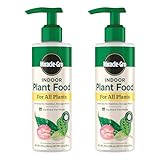
- INDOOR HOUSEPLANT FOOD: Miracle-Gro Indoor Plant Food All Plants contains nutrients for healthier, stronger plants (vs unfed when used as directed)
- NUTRIENTS FOR HEALTHY HOUSEPLANTS: This liquid plant food for indoor plants feeds instantly to help grow healthy houseplants
- FOR INDOOR POTTED PLANTS: Use house plant food with all indoor container plants, including houseplants, flowers, vegetables, herbs, and more
- DIRECTION FOR USE: This Miracle Gro plant food can be applied directly to the soil then watered or mixed in 1 quart of water to feed plants while watering; reapply every 2 weeks
- FEED YOUR INDOOR GARDEN: This bundle comes with two 8 fl. oz. bottles of plant food for houseplants; for more spectacular results, use with Miracle-Gro Indoor Potting Mix for All Plants
- Trim away rotten portions and keep healthy root sections.
- Replant healthy sections in fresh, well-drained soil if the existing mix stays wet or drains poorly.
- Use a pot with a drainage hole, and empty any saucer or decorative outer pot so roots are not left standing in water.
Severe root damage can make recovery unlikely. Iowa State Extension’s wilting FAQ likewise advises attention to root condition when a plant wilts in wet soil.
Quick wins for a faster PC:
Repair Windows errors before they cause bigger problemsFix Now →Fix the driver behind crashes, sound loss and screen glitchesFind Drivers →Clear out junk files and repair common Windows errorsFree Scan →4. Give it suitable light and steady seasonal care
Place the plant in medium to bright indirect light. Spider plants tolerate shade, but brighter indirect light is a sensible recovery location; harsh direct midday sun can scorch the leaves. See North Carolina State Extension’s spider plant profile and Clemson Extension’s spider plant factsheet.
Rank #3

- Faster leaf feed for spider plants- A weekly spray juice delivers a balanced 10-0-10 booster plus boron right to the leaf, helping your potted houseplant stay vibrant and ready to sprout new shoots you can see over time
- Built for bright indoor growth- High-nitrogen style fertilizers push great results and this formula keeps growth focused on strong leaf color and steady performance; great for house setups, windowsills, and even an aerogarden corner
- Less Guesswork- Feeding once per week replaces juggling spikes, slow-release pellets, or multiple liquid fertilizers! Just spray and feed; easy houseplant care that fits busy schedules and helps you “set it and forget it”
- Helpful for propagation moments- Use as a gentle weekly booster while you’re rooting pups/sprouts; pairs nicely with clean potting mix and consistent watering so new starts don’t stall at the end of the process
- Rooted in Quality- Perfect Plants Nursery is based in North Florida and has been family owned and operated since 1980. We put over 45 years of gardening and horticultural experience in every houseplant product.
As winter growth and indoor drying conditions change, reduce watering as needed rather than sticking to a warm-season routine. Continue checking the soil before each watering.
5. Check brown tips and pests before treating
Brown leaf tips are a separate clue, not proof that the whole plant is thirsty. Possible causes include dry soil, low humidity, soluble salts, fluoride or chlorine in tap water, and excessive fertilizer. The Wisconsin Horticulture Extension guide and Clemson’s factsheet discuss these issues. Do not add fertilizer as a default rescue treatment; excess fertilizer itself can contribute to tip browning.
Rank #4

- Helps Maintain Lush Green Leaves – Supports vibrant foliage and steady plant development.
- Convenient Spray Feeding – Provides an easy nutrient mist for routine plant care.
- Ideal for Indoor Houseplants – Suitable for hanging baskets and container-grown plants.
- Made in USA
Look over leaves and stems for signs of pests as well. Clemson lists whiteflies, spider mites, scales, and aphids among possible spider plant pests. Identify the pest or symptom before selecting a treatment rather than treating an undiagnosed problem.
Choose the fix that matches what you find
| What you find | What it suggests | What to do |
|---|---|---|
| Dry root ball | Underwatering may be limiting water available to the foliage. | Water thoroughly until the whole root ball is wet, then let excess drain. (Iowa State Extension: wilting FAQ) |
| Persistently wet soil; roots firm and light-colored | Check drainage and watering conditions; these roots do not match the described signs of rot. | Ensure water can escape through a drainage hole and is not retained in an outer pot or saucer. (Maryland Extension: diagnostic guide) |
| Persistently wet soil; roots dark and soft | Root rot is a concern. | Remove rotten portions, replant healthy sections in fresh, well-drained soil, and correct water retention. (Maryland Extension: diagnostic guide) |
For a full list of common causes and symptoms in indoor plants, see Iowa State University Extension and Outreach’s “Why is my houseplant wilting?”
Quick Recap
Best Value

- Helps Maintain Lush Green Leaves – Supports vibrant foliage and steady plant development.
- Balanced Plant Nutrition – Provides essential nutrients for overall plant health.
- Ideal for Indoor Houseplants – Suitable for hanging baskets and container-grown plants.
- Made in USA
Product prices and availability are accurate as of the date/time indicated and are subject to change. Any price and availability information displayed on Amazon at the time of purchase will apply.