Recommended Free Tools
To keep garden soil from washing or blowing away, protect the surface, disturb it less, keep roots growing when possible, diversify plantings, and add compost and mulch thoughtfully. These practices work together: USDA Natural Resources Conservation Service (NRCS) describes soil cover, minimal disturbance, biodiversity, and continuous living roots as core soil-health principles.
1. Keep the soil covered
Bare soil takes the full force of raindrops, irrigation, and wind. A protective layer helps limit erosion, protects soil aggregates, and supports water infiltration. Use mulch, leave suitable plant residues in place, or grow a cover crop; each can shield the surface, while a cover crop also supplies living roots. NRCS outlines these options in its Cover Crops Overview for Small Farms and Gardens.
As an Amazon Associate I earn from qualifying purchases.
Choose cover for the situation
- Mulch: A practical choice when you need immediate surface protection around established plants or on a bed between plantings.
- Plant residues: Retaining suitable residues can protect the surface without bringing in another material.
- Cover crops: Useful when a bed will be open for a season or part of one and you can plan around the next planting.
There is no single best cover for every bed. Consider how soon the next crop needs the space, what materials or seeds are available, and how much upkeep you can manage.
2. Disturb the soil less
Routine full-bed tilling is not necessary for every garden task. Turning soil can leave more of its surface exposed, so limit disturbance where you can. For a transplant, NRCS’s Healthy Soil at Home recommends digging only the planting hole rather than tilling the whole garden.
#1 Best Overall

- Includes 10lb block of Back to the Roots compressed Coconut Husk Mulch that expands to over 2 cubic feet of mulch. Use it for gardens, raised beds, pet bedding and more
- Expands to over 2 cubic feet
- Peat Free OMRI Listed, assuring organic production, handling, and processing
- 100% SATISFACTION GUARANTEE: If you are not satisfied or have any issues with this Organic Coconut Mulch, just shoot us a note and our dedicacted customer support team will make sure we get you growing or send you a refund/replacement.
- GROWONEGIVEONE — Share a photo of your growing garden and we’ll donate a Grow Kit and STEM elementary school curriculum to a classroom of your choice.
Starting a small bed over grass
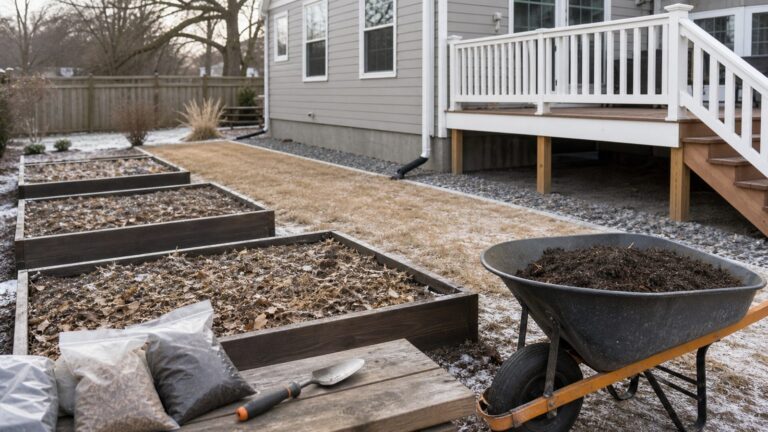
For a small new bed, the NRCS home guide describes wetting cardboard laid over grass, spreading compost over it, planting through openings, and adding mulch. This approach avoids turning the entire area. Adapt the method to the site and the plants you intend to grow; it is one low-disturbance option, not a universal bed-building prescription.
3. Use cover crops and keep roots growing
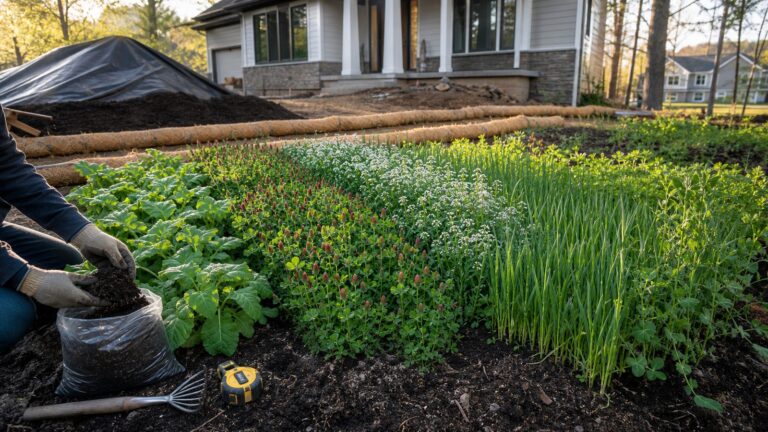
A cover crop protects soil during periods when vegetables are not occupying the bed. Its roots help maintain living cover, and the plants can add organic matter when managed as part of the garden cycle. Cover crops can also provide in-situ mulch, but they require more planning than simply spreading surface mulch.
Rank #2

- All-Natural & Clean Mulch —Sustainably sourced 100% non-GMO wheat straw is naturally filtered to remove dust, dirt, and as many seeds as possible for a clean, pure mulch.
- Designed for Gardens & Compost-Friendly — Ideal for vegetable, herb, flower, and fruit gardens, raised beds, containers, and lawn repair; used straw breaks down quickly, adds carbon to compost, and naturally enriches soil.
- Conserves Water — Retains soil moisture, limits evaporation, and keeps soil cool, reducing watering needs by up to 50%.
- Improves Soil Health & Boosts Yields – Reduces compaction and erosion, supports microbes, improves aeration, conserves nutrients, and builds organic matter in your soil for healthier, higher-yielding plants.
- Stays in Place & Expansive Coverage — Specially cut straw fibers interlock when watered, staying in place naturally and resisting wind and rain without chemical binders; 3 cu ft compressed bale covers up to 100 sq ft at a 2–3" layer or 600 sq ft for lawn seeding at ¼" thickness.
Plan species and timing around the next crop
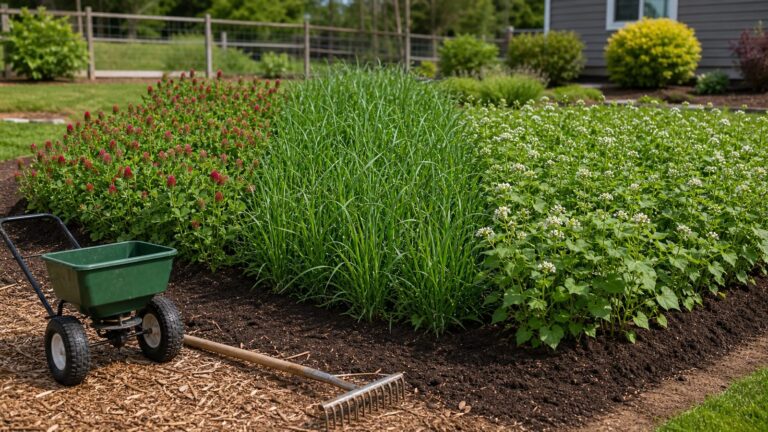
Cover-crop choice depends on local growing conditions and the planting window for the next vegetable. The Indiana NRCS overview gives examples including oats with field peas and oats with crimson clover; these are examples from an Indiana-specific publication, not universal prescriptions. A living cover may need to be terminated before vegetables are planted so it does not compete with them for light, water, or nutrients.
Do these 3 things before closing this tab:
1Fix the driver behind crashes, sound loss and screen glitches2Clear out junk files and repair common Windows errors3Scan for outdated or missing drivers - takes under a minuteBefore sowing, check that the species or mixture suits your region, when it can establish, and when it must be ended to make room for the next crop. Locally adapted cover-crop seed is more useful than choosing a blend on the assumption that one mix works everywhere.
Rank #3

- 100% Organic & Peat-Free: Our organix mulch mix is 100% organic & peat-free. Peat is one of Mother Nature’s most important stores of carbon. Instead of imported peat, the base of our soils is made from upcycled plant matter or wood fines from the United States!
- Intended for use in Mulch Soil: Our unique soil blend is ideal for nurturing herbs, vegetables, and fruits planted in a raised bed. Its nutrient-rich composition provides the essential elements for promoting robust growth, vibrant flavors, and bountiful harvests. It’s also proudly made in the USA.
- Better Moisture Control and Water Absorption: Our unique soil blend incorporates yucca extract for moisture control, dolomitic limestone for pH balancing, and gypsum for better water absorption.
- 100% SATISFACTION GUARANTEE: If you are not satisfied or have any issues with this Raised Bed Mix, just shoot us a note and our dedicated customer support team will make sure we get you growing or send you a refund/replacement.
- #GROWONEGIVEONE — Share a photo of your growing garden & we’ll donate a Kids Grow Kit & STEM elementary school curriculum to a classroom of your choice!
4. Rotate and diversify plantings
Varying what grows in a bed over time, and using diverse cover-crop mixtures where appropriate, contributes to plant diversity. Rotation is one part of a broader soil-health approach alongside cover, reduced disturbance, and living roots; it is not a guaranteed standalone fix for erosion or a substitute for protecting bare soil.
Choose a rotation that fits your garden space and crop calendar. The NRCS materials identify diversity as a principle, but do not prescribe one rotation schedule for all home gardens.
Rank #4

- NATURAL GARDEN COVER: Creates a clean, polished garden surface while helping minimize weed growth naturally. This organic mulch also supports healthy soil structure and nutrient balance for thriving plants.
- HIGH CARBON ORGANIC MULCH: Formulated with 30% natural carbon to foster beneficial soil microbes and promote overall soil vitality. Ideal for garden beds, potted plants, and outdoor planters.
- MOISTURE-RETAINING & WATER-EFFICIENT: Naturally helps retain soil moisture, reducing the frequency of watering and supporting healthy root hydration. A smart, water-efficient choice for both indoor and outdoor use.
- ODOR-FREE & EASY TO USE: Made from clean, pure Aspen bark — odor-free, lightweight, and easy to apply. Perfect for gardeners who prefer a fine mulch texture over coarse wood chips.
- CERTIFIED ORGANIC: OMRI-listed for organic gardening, representing true organic quality and sustainability. Crafted to enhance your soil and beautify your garden naturally.
5. Add compost and mulch thoughtfully
Compost can help establish or maintain a garden bed, while mulch provides surface cover. In a low-disturbance bed, add compost on top rather than automatically working it through the entire soil profile, then maintain a protective mulch layer where it suits the planting. NRCS includes compost and mulch in its small-garden guidance.
The right amendment and amount depend on the soil, plants, and site. The cited NRCS guidance does not establish a single compost quantity or amendment that works for every garden. Treat compost as one useful component of bed care, not a replacement for ongoing soil cover.
Best Value

- Natural Cedar; Use with your outdoor and indoor plants; will hold moisture in! THIS IS A 4 QUART SIZE OF CEDAR CHIPS
- Pleasant Earthy Smell. Use as an air freshener; natural subtle cedar scent; Refill your cedar sachet bags; Made in Florida, USA
- Put in animal bedding; put in kitty litter & a number of other places.
- Great for Hanging Planters, Potted Plants, Indoor & Outdoor Gardens Or Potted Plants
- Our goal is the most product to the customer for the lowest cost. Our bags are sometimes "skinny" to reduce the average cost to you.
How to choose a practical combination
| Garden need | Useful option | What to plan for |
|---|---|---|
| Immediate protection for exposed soil | Mulch or suitable retained residues | Material availability and keeping the surface covered as the bed changes |
| Protection during an otherwise bare season | Cover crop | Local planting and termination windows, plus the next crop’s needs |
| Planting a transplant in an established bed | Dig a planting hole instead of tilling the whole bed | Disturb only the area needed for the plant |
| Building or maintaining a bed | Compost with surface mulch | Site and crop needs; no universal quantity is established in the NRCS guidance |
| Improving diversity over time | Crop rotation or a mixed cover crop | Available space and the local crop calendar; no universal rotation schedule is prescribed |
NRCS presents these practices as related principles, not as a mandated five-step recipe. Its small-scale agriculture framework names minimizing disturbance, maximizing soil cover, maximizing biodiversity, and maximizing continuous living roots. For home gardens, the useful starting point is to match surface protection and planting choices to the bed’s current condition and what you plan to grow next. See NRCS Soil Health and Small-scale Agriculture.
Quick Recap
Product prices and availability are accurate as of the date/time indicated and are subject to change. Any price and availability information displayed on Amazon at the time of purchase will apply.