You can make a yard more diverse without giving up every patch of grass. Keep turf where you need a durable play or walking surface, and replace low-use areas with a lawn-like flowering mix, meadow, groundcover, garden beds, or shrubs suited to your site. The best choice depends on what the space needs to do and your region’s sunlight, soil, moisture, and slope.
How to choose an alternative to grass
Start with the job each part of the yard needs to do. Frequent play and foot traffic call for a lawn-like surface; areas that are hard to mow or rarely used can support other plantings. You can convert a section at a time rather than remove all functional turf.
As an Amazon Associate I earn from qualifying purchases.
- Map conditions: Note sun and shade, soil, moisture, and slope. Plants that do not fit the site may fail and leave space for weeds.
- Set the use: Decide where you need access, recreation, or a low surface, and where you can allow taller growth or a planted bed.
- Plan for establishment: New plants and plugs generally need attention as they fill in, including watering, mulch, and weed control.
- Choose locally: Native seed mixes and suitable groundcovers vary by region. Check with a local Extension service or native-plant source before buying.
University Extension guidance does not establish comparable nationwide cost, water-use, or maintenance figures for these options, so there is no evidence-based universal ranking.
The Tool Desk
Outbyte PC Repair FREERepair Windows errors before they cause bigger problemsFix Now →Outbyte Driver Updater FREEScan for outdated or missing drivers - takes under a minuteDriver Scan →Five alternatives to a grass yard
1. Mixed ecolawn or bee lawn
A mix of grasses and low-growing flowering plants can keep a yard relatively lawn-like while adding blooms. Oregon State University Extension describes an ecolawn as “a low-input alternative to a conventional perennial grass lawn” and says it can provide turf-type groundcover that tolerates typical lawn uses. Iowa State also notes that a bee lawn can retain recreational function when its plants are chosen for the intended use.
#1 Best Overall
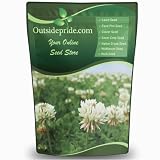
- PREMIUM QUALITY CLOVER SEED: This high-quality white clover seed is perfect for erosion control, creating a lush lawn alternative, enriching pasture mixtures, and supporting seasonal food plot preparation. Ideal for homeowners, gardeners, landscapers, farmers, and wildlife managers, it works well for deer food plots, green manure crops, ground cover, lawns, gardens, and backyards.
- ADVANCED NITROCOATED & INOCULATED SEEDS: Specially treated to support superior germination rates and enhance soil health, these ground cover seeds promote robust plant growth. They naturally boost soil nitrogen by fixing nitrogen from the air into the soil, making them a great clover seed choice for lawns, gardens, pastures, cover crop mixes, and agricultural applications.
- ADAPTABLE TO USDA ZONES 3-10: Thriving in a wide range of climates, from full sun to partial shade, this white clover seed for lawns is suitable for various regions across the country. Great for spring or fall planting, lawn renovation, pasture improvement, and sustainable ground cover, this resilient clover provides lush growth and reliable coverage.
- EASY & EFFECTIVE SEEDING: Simply disperse the white flower seeds on prepared soil, lightly rake them in, and keep them continually moist. Plant alone or mix with grass seed, pasture blends, or cover crop mixes. Expect quick germination within 14 days at 65-70°F, with a seeding rate of 1/4 lb to 1/2 lb per 1,000 square feet or 8 to 10 lbs per acre.
- OPTIMAL GROWTH & AESTHETIC APPEAL: Growing to a manageable height of 8-12 inches, this perennial clover seed features beautiful white blooms that enhance your landscape. Perfect for customers interested in eco-friendly lawn alternatives, soil improvement, reduced yard maintenance, and a drought-tolerant lawn alternative that naturally supports healthier soil.
Use this approach where you still want a mowable surface, and select a mix suited to your region and traffic level. Clover or microclover seed may be part of an appropriate mix, but neither a specific blend nor its care schedule should be treated as universal. Oregon State’s maintenance example for ryegrass, microclover, and yarrow applies to western Oregon, not all climates.
2. Native meadow or prairie
A meadow or prairie planting suits a larger open area that does not need regular recreation. Choose a diverse mix adapted to the site’s soil and moisture. A poorly matched planting may die back and leave openings for weeds, and seed mixes can differ according to site conditions.
Rank #2

- White clover seeds for lawn that grow best in the northern region of the US
- 7 lbs of Pennington grass seed and clover mix covers up to 1,400 sq ft
Some native plantings are designed to stay lower and more lawn-like than a traditional meadow. Cornell’s Native Lawn project, for example, documents a regional native grass and wildflower planting intended to retain a lawn-like appearance and tolerate foot traffic. Its species and results are not a universal seed recipe.
Crashes, No Sound, or Screen Glitches?
Random freezes, missing sound and display glitches usually trace back to one bad driver. Find and replace yours safely.Free scan · under a minutePC Slower Than It Used to Be?
A free scan shows the junk files, broken settings and background clutter dragging Windows down - then fixes them in one click.Free scan · Windows 10 & 113. Low-growing groundcovers
Groundcovers can work in low-traffic places where mowing is awkward: slopes, narrow strips, dry exposures, and some shaded areas. Examples listed by University of Maine Extension include creeping thyme, creeping juniper, creeping phlox, bearberry, and Dutch white clover. Treat these as examples to investigate, not a region-neutral planting list; confirm local suitability and invasive-species guidance before choosing a plant.
Rank #3
- PREMIUM QUALITY CLOVER SEED: This high-quality white clover seed is perfect for erosion control, creating a lush lawn alternative, enriching pasture mixtures, and supporting seasonal food plot preparation. Ideal for homeowners, gardeners, landscapers, farmers, and wildlife managers, it works well for deer food plots, green manure crops, ground cover, lawns, gardens, and backyards.
- ADVANCED NITROCOATED & INOCULATED SEEDS: Specially treated to support superior germination rates and enhance soil health, these ground cover seeds promote robust plant growth. They naturally boost soil nitrogen by fixing nitrogen from the air into the soil, making them a great clover seed choice for lawns, gardens, pastures, cover crop mixes, and agricultural applications.
- ADAPTABLE TO USDA ZONES 3-10: Thriving in a wide range of climates, from full sun to partial shade, this white clover seed for lawns is suitable for various regions across the country. Great for spring or fall planting, lawn renovation, pasture improvement, and sustainable ground cover, this resilient clover provides lush growth and reliable coverage.
- EASY & EFFECTIVE SEEDING: Simply disperse the white flower seeds on prepared soil, lightly rake them in, and keep them continually moist. Plant alone or mix with grass seed, pasture blends, or cover crop mixes. Expect quick germination within 14 days at 65-70°F, with a seeding rate of 1/4 lb to 1/2 lb per 1,000 square feet or 8 to 10 lbs per acre.
- OPTIMAL GROWTH & AESTHETIC APPEAL: Growing to a manageable height of 8-12 inches, this perennial clover seed features beautiful white blooms that enhance your landscape. Perfect for customers interested in eco-friendly lawn alternatives, soil improvement, reduced yard maintenance, and a drought-tolerant lawn alternative that naturally supports healthier soil.
Installation can involve removing existing vegetation, setting plugs, mulching, and watering while plants establish. Weeding and mulch may also be needed until the planting fills in. Xeric groundcovers can suit dry sites, but “water-wise” does not mean that new plants need no water.
4. Native or pollinator garden beds
Replace unused turf with beds of regionally appropriate native flowers, shrubs, ornamental grasses, or edible plants. These beds can add habitat and reflect local character. Iowa State notes potential benefits such as reduced water and chemical use and improved soil quality, while also pointing out that planting can involve higher upfront costs.
Rank #4

- IDEAL LAWN ALTERNATIVE OR MIX-IN: Our miniclover seed is a Trifolium repens that serves as a perfect alternative to traditional lawns or can be seamlessly blended with existing grass. Ideal for homeowners, gardeners, landscapers, and property owners, this perennial white clover provides lush green coverage for prepared soil, existing lawns, bare patches, yards, garden paths, and ground cover areas.
- NITROGEN-FIXING ABILITY: Our mini clover seeds for lawn pull nitrogen from the air and convert it into a usable form for plants, naturally fertilizing your lawn and promoting healthier, greener grass. This makes it perfect for customers interested in eco-friendly lawn alternatives, soil improvement, reduced chemical lawn care, and low-maintenance landscaping.
- DROUGHT-TOLERANT & LOW-MAINTENANCE: You only need to add 2-5% of our microclover seed to your grass seed mixture to see significant improvements in lawn quality, making it a cost-effective solution. Great for spring or fall overseeding, lawn renovation, bare patch repair, and seasonal ground cover projects, it helps reduce watering, mowing, reseeding, and upkeep.
- SMALL-LEAVED & LOW MOWING TOLERANCE: Our small-leaved white clover seed features very small leaves and only grows half as tall as white Dutch clover, reaching 4-6 inches. It produces stolons that allow it to spread evenly over the ground and tolerates low mowing heights, making it ideal for anyone who wants a neat, lush, drought-tolerant lawn alternative.
- SEASONAL FLOWERING: Outsidepride MiniClover produces charming white flowers for about one month during summer if it is not mowed, adding seasonal beauty and visual interest to your lawn. Each flower may attract pollinators such as bees and butterflies, supporting biodiversity while creating pollinator-friendly ground cover in USDA Zones 3-10.
Garden beds are not a maintenance-free substitute: plant selection, bed preparation, establishment, and ongoing care still matter. They are most practical where you do not need an uninterrupted surface for play or access.
5. Shrubs and other site-adapted plantings
Shrubs and perennials can replace grass where a mown surface has little value. Select them for the actual light, soil, moisture, and slope; tree- and shrub-heavy beds may be relatively low-maintenance once established, but still require planning and establishment work.
Best Value

- LOW MAINTENANCE STRAWBERRY CLOVER SEEDS FOR LAWNS: O.M. Scott & Sons Strawberry Clover Seed is crafted with premium strawberry clover which grows a naturally low-maintenance green space with small, pink flowers
- DROUGHT TOLERANT: Strawberry clovers stay greener longer during drought so you can spend less time on yard work and more time on yard play; built for yards in USDA Zones 6A-9A
- SAFE FOR USE AROUND KIDS & PETS: This clover lawn seed contains no added artificial ingredients or pesticides, and it's safe for use around people and pets (when used as directed)
- WHEN TO APPLY: Apply these clover ground cover seeds in the spring or fall when the daily average temperature is consistently between 60°F and 75°F for two weeks; one 2 lb. bag covers 1,000 sq. ft.
- RECYCLABLE PACKAGING: O.M. Scott & Sons products are packaged in a recyclable paper bag; apply the clover lawn seed product to your yard then toss the bag in your curbside recycling bin where available
For dry or difficult areas, site-adapted shrubs and water-wise groundcovers can be options. Match plants to local conditions rather than assuming all drought-tolerant species will thrive without watering, especially during establishment.
Independent reader supportYour contribution helps us test, update, and keep practical guides available for everyone.Plan a partial conversion
A phased project lets you retain useful turf while testing what works elsewhere. Begin with an area that is difficult to mow or rarely used, then choose a planting for its conditions and purpose.
- Identify the area: Mark the portions needed for play, walking, or access, and the portions available for a different planting.
- Assess the site: Record sun exposure, soil, moisture, and slope; use those conditions to narrow the plant choices.
- Choose a regional approach: Select an ecolawn mix, meadow seed, groundcover, garden plants, or shrubs suited to both the site and the amount of traffic.
- Prepare and establish: Follow guidance for removing existing vegetation and planting. For groundcover plugs, plan for mulch, watering, and weeding while they fill in.
- Keep or adjust turf where needed: Preserve lawn where the planting must withstand frequent use; convert more area only when it fits how you use the yard.
Useful buying categories include regionally appropriate native wildflower and grass seed mixes, clover or microclover seed for suitable bee-lawn mixes, native groundcover plants or plugs, and mulch for establishment. Check the mix or plant’s regional fit before purchase.
Quick Recap
Sources and regional guidance
- Oregon State University Extension: Ecolawn: A Low-Input Lawn Alternative
- Oregon State University Extension: Ecolawn Maintenance in Western Oregon
- Iowa State University Extension: Lawn Alternatives to Turfgrass
- Cornell University: Native Lawn project
- Colorado State University Extension: xeric groundcovers
- University of Maine Extension: lawn alternatives
- University of Maryland Extension: lawn alternatives
- University of Florida IFAS Extension: groundcover establishment
- Penn State Extension: lawn and landscape guidance
Product prices and availability are accurate as of the date/time indicated and are subject to change. Any price and availability information displayed on Amazon at the time of purchase will apply.

