The best way to winterize a geranium depends on the space, light, and time you have available. Keep the whole plant actively growing if you have a bright, frost-free room; cut it back if you need to save space; take stem cuttings if you want several plants from one parent; or store a suitable woody plant bare-root when indoor space is extremely limited.
One terminology note: the tender “geraniums” sold for containers and bedding displays are usually Pelargonium, not the hardy Geranium genus. These pelargoniums are frost-sensitive perennials or sub-shrubs, but they can survive for years when protected from freezing temperatures. This guide uses “geranium” because that is the term most gardeners use. The Royal Horticultural Society explains the distinction and overwintering options.
As an Amazon Associate I earn from qualifying purchases.
Choose the right overwintering method
| Your situation | Best option |
|---|---|
| You have a sunny window, conservatory, greenhouse, or grow light and want to preserve the mature plant. | Keep the whole plant actively growing. |
| You want to save the original root system but have limited indoor space. | Cut the plant back and keep it semi-dormant. |
| You want several plants, a backup in case the parent fails, or the most space-efficient option. | Take stem cuttings. |
| You have several robust, woody-stemmed plants and a suitable cool, dry, frost-free storage area. | Try bare-root storage. This is the least reliable method. |
For all four methods, act before the first frost in your area. The calendar date varies by climate, so use the forecast and your local frost dates rather than a universal date. A light frost can damage foliage, while a hard freeze can kill the plant.
Do these 3 things before closing this tab:
1Scan for outdated or missing drivers - takes under a minute2Clear out junk files and repair common Windows errors3Fix the driver behind crashes, sound loss and screen glitches1. Overwinter the whole plant in active growth
This is the best choice when you want to preserve a large, mature geranium and have enough indoor light and space. The plant will continue growing, although it may flower less during short winter days.
#1 Best Overall
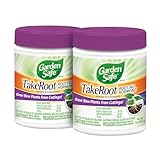
- PROMOTES ROOTING: Rooting hormone grows new plants from cuttings
- ACTIVE INGREDIENT: Indole-3-butyric acid, similar to the root hormone that naturally occurs in plants.
- APPLY TO CUT ENDS: Moisten the plant cutting, stir the cut end in powder, tap to remove excess rooting hormone and plant
- GROW FROM CUTTINGS: Works with most popular home, garden and greenhouse varieties
- ROOT NEW FAVORITE PLANTS: Helps African violets, roses, poinsettias, philodendrons, geraniums, coleus, woody ornamentals and more grow from cuttings
How to do it
- Move it before frost. Bring a container plant indoors, or dig a garden-grown plant before freezing weather arrives.
- Pot garden plants if necessary. Use a container with drainage holes and a well-drained potting medium. Avoid bringing a heavy, waterlogged root ball indoors.
- Inspect the plant carefully. Check both sides of leaves, stems, and the soil surface for insects, eggs, disease, and rotting tissue. Remove damaged leaves and deal with pests before placing the plant near houseplants.
- Give it the brightest location available. A sunny window is ideal. If natural light is weak, especially during short winter days, use supplemental lighting. A full-spectrum grow light can help when a bright window is not available, but it does not replace correct watering, airflow, or pest inspection.
- Keep it frost-free but not excessively warm. Iowa State recommends daytime temperatures around 65–70°F, with nights slightly cooler. Avoid placing the plant directly beside a radiator, heat vent, or cold draft.
- Water only when needed. Check the soil surface with a finger and water when it has become dry. Water thoroughly enough to moisten the root ball, then allow excess water to drain. Do not leave the pot standing in water.
Iowa State University Extension provides specific indoor-overwintering guidance for geraniums, including temperature and watering recommendations.
What to expect in winter
Even with good care, an actively growing geranium may become tall or lanky by late winter because indoor light is weaker than summer light. In March, cut the plant back by approximately one-half to two-thirds to encourage fresh, branching growth. Remove weak or dead stems and make cuts just above healthy leaves or nodes.
Main advantage: You preserve the original plant at nearly its full size.
Main drawback: This method takes the most indoor room and requires the closest attention to light, pests, airflow, and moisture.
2. Cut the plant back and keep it semi-dormant
This method preserves the original root system while greatly reducing the plant’s foliage, size, and winter water demand. It is a practical compromise when you want the same plant next year but do not have room for a large leafy specimen.
Steps
- Bring the plant under cover before frost. Container plants can be moved indoors or into a frost-free porch, greenhouse, or other suitable space. Dig garden plants and pot them before freezing weather.
- Reduce the stems. Cut the plant back to about 4 inches, or 10 cm. Remove dead, diseased, or damaged growth and retain firm, healthy stems.
- Choose a light, airy, frost-free location. The plant does not need to be encouraged into lush winter growth, but it should not be stored in complete darkness if it has living foliage. Good airflow is important.
- Water sparingly. A cut-back plant uses very little water. Let the growing medium dry substantially between small drinks, and never keep it wet. “Barely water” does not mean “never inspect”: check periodically for shriveled stems, completely dry roots, rot, and pests.
- Refresh the pot in spring. In mid-spring, remove dead material, repot if the roots are crowded, or replace tired growing medium. Begin watering more regularly only as new growth resumes.
The RHS recommends keeping cut-back pelargoniums in a light, airy, frost-free place and watering sparingly during winter. Its Pelargonium growing guide also covers spring pruning and restarting overwintered plants.
Rank #2

- Root hormone for cuttings are perfect for the propagation of indoor and outdoor plants
- Rooting hormone powder encourages faster rooting from cuttings
- Contains Hormodin 1- rooting hormone for plants; the same formula used by professionals
- Ideal as a root starter for cuttings in container gardens and garden ornamentals
- Root hormone powder makes plant propagation as simple as cut, dip, and plant!
Main advantage: You save the original plant while reducing indoor space and water requirements.
Recommended Free Tools
Main drawback: Plants kept too dark, too wet, or too warm may become weak or rot. Plants kept too dry for too long may fail to restart.
3. Take stem cuttings
Stem cuttings are often the most space-efficient way to save geraniums. You can start several young plants from one parent, creating insurance against winter losses and giving yourself more flowering plants for spring.
When to take cuttings
Take 3–4-inch terminal cuttings before the first frost. Late-summer softwood cuttings are especially useful for many soft-stemmed zonal types, according to the RHS. Select healthy, non-flowering shoot tips where possible. Avoid material from a plant showing pest infestations, virus-like symptoms, or stem rot.
Cutting procedure
- Cut healthy tips. Use a clean, sharp blade or pruner to take 3–4-inch sections.
- Remove lower leaves. Strip leaves from the lower part of each cutting, leaving a small cluster of leaves at the top. Remove flower buds or flowers so the cutting directs energy toward roots rather than blooming.
- Allow excessive sap or moisture to settle. Keep the prepared cuttings out of harsh sun while you set up the containers.
- Use a clean, free-draining medium. Vermiculite or a perlite-and-peat mixture is suitable. Small containers must have drainage holes. A practical supply search is perlite vermiculite propagation mix; neither a particular brand nor every item in a propagation kit is essential.
- Use rooting hormone only if desired. Dip the base in geranium rooting hormone powder according to the product label. Iowa State includes rooting hormone as an option, not a requirement. It may support the process, but it does not guarantee that every cutting will root.
- Insert the cuttings. Place the bare lower stem into the medium and firm the material around it.
- Provide bright, indirect light. Keep the cuttings away from strong direct sun, which can overheat them under a humidity cover.
- Maintain humidity without making the medium soggy. Cover the container with a clear bag or humidity dome to reduce wilting, but keep the cover from pressing against the leaves. Vent it if condensation is excessive, and remove failed or rotting cuttings promptly.
Geranium cuttings may root in approximately six to eight weeks, although timing varies with temperature, cultivar, light, moisture, and cutting quality. Iowa State’s procedure describes the rooting process and this approximate timeframe.
Outdated Drivers Are Slowing You Down
One free scan finds every outdated or missing driver and matches the right update for your exact hardware.Free scan · exact hardware matchPC Slower Than It Used to Be?
A free scan shows the junk files, broken settings and background clutter dragging Windows down - then fixes them in one click.Free scan · Windows 10 & 11After the cuttings root
- Test gently for resistance rather than pulling hard on the stem.
- Pot each rooted cutting separately in a container with drainage holes and fresh potting medium.
- Keep the young plants on a well-lit windowsill or under supplemental light.
- Water sparingly through winter; the small root systems do not need constantly wet soil.
- Begin balanced feeding in late winter once the plants are actively growing.
- Pinch the shoot tips to encourage branching and more flowering sites.
- Pot up or refresh the plants individually in mid-spring if needed.
Main advantage: Several small plants fit where one mature plant would not, and you retain useful backups.
Rank #3

- PROMOTES ROOTING: Rooting hormone grows new plants from cuttings.
- GROW CUTTINGS: Works with most popular home, garden and greenhouse varieties.
- ROOT NEW FAVORITE PLANTS: Helps African violets, roses, poinsettias, philodendrons, geraniums, coleus, woody ornamentals and more grow from cuttings.
- APPLY TO CUT ENDS: Moisten the plant cutting, stir the cut end in powder, remove excess rooting hormone and plant.
- ACTIVE INGREDIENT: Indole-3-butyric acid, similar to the root hormone that naturally occurs in plants.
Main drawback: Cuttings need stable moisture, humidity, cleanliness, and light. Some may fail, particularly if taken from weak or diseased growth.
4. Store suitable plants bare-root
Bare-root storage uses almost no potting space, but it is the riskiest option. Reserve it mainly for robust plants with tougher, woody stems and a storage area that is cool, dry, and reliably frost-free. It is not a good universal method for soft, tender, or already-stressed plants.
How to store a plant bare-root
- Dig before the first frost. Lift the plant carefully and shake excess soil from the roots.
- Let the plant dry off. The roots should not be stored wet, and the plant should not be sealed in plastic, where trapped moisture can encourage rot.
- Store in a paper sack or hang it. Iowa State suggests placing one or two plants in a large paper sack at approximately 45–55°F. Hanging plants upside down is another traditional option. The storage space must remain frost-free, cool, and dry.
- Inspect periodically. Look for mold, rot, or completely desiccated stems. Remove dead material rather than allowing it to spread.
- Restart in early spring. Cut stems back to firm green tissue, removing dead sections. The RHS advises cutting stems to approximately 10 cm; the exact amount depends on where healthy tissue remains.
- Rehydrate viable roots. Soak roots briefly before potting if they have dried substantially. Do not pot rotten roots.
- Pot and water once thoroughly. Use a draining container and suitable potting medium. After the initial watering, move the plant into bright light or artificial light and allow the medium to dry appropriately between subsequent waterings.
Main advantage: It uses very little indoor space and can be useful when many sturdy plants must be saved.
Main drawback: It has the lowest reliability of the four methods. A freezing garage, damp basement, or sealed plastic bag can quickly turn storage into stem or root rot.
Spring restart: how to get better blooms
Overwintering keeps the plant alive; spring care determines how much vigorous, compact growth and how many flowering sites it develops.
- Increase light. Move plants to the brightest suitable window or use supplemental lighting if growth is pale, weak, or stretched. Flowering plants may need a full-spectrum grow light during short winter days.
- Prune lanky growth. Cut back weak, elongated stems to healthy nodes. This encourages branching rather than a single floppy stem.
- Pinch the growing tips. Pinching late-winter or spring shoot tips produces bushier plants with more potential flowering sites. Do not keep pinching indefinitely once you want the plant to develop flower buds.
- Resume watering gradually. Increase watering as new growth and light levels increase, but let excess water drain and avoid keeping the compost continuously saturated.
- Feed after active growth resumes. Do not push a dormant plant with fertilizer. Begin balanced feeding in late winter or spring when it is producing healthy new growth.
- Harden off. When frost danger has passed, place the plants outdoors for increasingly longer periods over about one to two weeks. Start in a sheltered, bright-shade location, then gradually introduce more sun and wind.
- Wait for safe outdoor temperatures. Return plants permanently only after the risk of frost has passed in your local area. In Iowa State’s regional guidance this may be May, but gardeners elsewhere should follow local conditions rather than copy that month.
Sudden transfer from a warm, sheltered room to full outdoor sun can scorch leaves, while immediate exposure to wind can dehydrate soft new growth. Gradual acclimatization is part of the overwintering process, not an optional finishing step.
Rank #4

- Great for seeding or transplanting to stimulate early root formation and stronger root development.
- This root stimulator is easy to use. Simply dip the cutting into the power before planting.
- This rooting power can be used on household plants such as Azaleas, Geraniums, Hydrangeas, and more.
- This root powder can be used to stimulate root growth in approximately 4,500 cuttings.
- Can be done in 3 quick steps. Simply Cut, Dip and Plant. See label for full instructions.
Troubleshooting overwintered geraniums
The stems are shriveled
Some moisture loss is normal, especially for cut-back or bare-root plants. Check whether the stem is still firm and green inside by lightly scraping a small section. If it is dry and brown throughout, that portion is dead; prune back to firm green tissue. For potted plants, inspect the roots as well. A completely dry root ball may need gradual rehydration rather than a single flood of water.
What’s actually slowing this PC down?
Pick the symptom - the matching free tool is one click away.
The base or roots are soft and brown
This usually points to excess moisture, poor drainage, insufficient airflow, or damaged tissue. Remove rotten sections, discard badly affected material, and repot salvageable growth into fresh, free-draining medium. Do not keep a dormant plant wet, and do not store bare-root plants damp or sealed in plastic.
The plant is tall and leggy
Insufficient light is the usual problem for actively growing plants and rooted cuttings. Move the plant closer to a bright window or add supplemental lighting. In late winter or March, prune back by roughly one-half to two-thirds where appropriate, then pinch new shoot tips for branching.
Leaves are dropping
Some leaf drop can occur during the transition indoors, but widespread loss may indicate sudden environmental change, low light, overwatering, underwatering, pests, or disease. Check the soil before watering, inspect leaf undersides and stems, remove dead foliage, and improve light and airflow. Avoid compensating for low light by keeping the soil constantly wet.
The cuttings did not root
Review the basics: were the cuttings healthy, approximately 3–4 inches long, and free of flowers? Was the lower foliage removed? Was the medium clean and free-draining? Excess water can rot the base, while insufficient humidity can cause wilting. Strong direct sun can overheat a covered container. Rooting hormone is optional and cannot correct poor sanitation, unsuitable moisture, or weak plant material.
Free tools Windows power users keep installed
One-click scans. No signup required.
Which method gives the best spring display?
For the largest immediate plant, overwinter the whole geranium in active growth. For the best balance between preserving a favorite specimen and saving space, cut it back. For the greatest insurance and the most plants per square foot, take cuttings. Use bare-root storage only when the plant is sturdy and the storage conditions are genuinely cool, dry, and frost-free.
Best Value
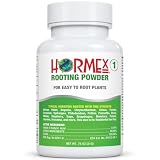
- ROOT STARTER FOR SOFTWOOD PLANT CUTTINGS (0.10% IBA): This root powder accelerates root development for plant propagation. Formulated with Indole-3-Butyric Acid (IBA), this root hormone powder strengthens root systems for healthier plants.
- VARIOUS STRENGTHS FOR EVERY NEED: Available in four strengths for softwood, semi-hardwood, and hardwood cuttings. Ideal for common and rare ornamentals, fruits, vegetables, medicinal plants, and trees — see images for list. (0.1, 0.3, 0.8, 1.6 IBA)
- FASTEST ROOT GROWTH: Get reliable results in rockwool, coco, peat moss, soil, and more. Our plant root stimulator ensures cloning success for hydroponics and traditional soil-based gardening. Pair with Hormex Rooting Cubes for optimal rooting.
- CLEAN & MINIMALIST FORMULA: Made with premium ingredients, our root powder for plants has been relied on by gardeners and professionals for over 65 years. Proudly made in the USA and suitable for all plant species and propagation needs.
- PROFESSIONAL CLONING MADE EASY: Snip a 3-8” stem at 45° below a node. Dip in Hormex Liquid or clean water, coat in Root Powder, and plant in a Hormex Rooting Cube or similar medium. Maintain heat and humidity for rapid growth and healthier starts.
Frequently Asked Questions
Can geraniums survive winter outdoors?
The tender geraniums commonly sold as bedding plants are usually Pelargonium and are frost-sensitive. In climates where temperatures fall below their tolerance, bring them indoors or protect them in a frost-free structure before freezing weather. Hardy Geranium species are a different group and have different winter requirements.
Should geraniums be kept in the dark over winter?
Only reduced-growth or bare-root storage uses very limited light. Actively growing plants and rooted cuttings need bright light, such as a sunny window or suitable supplemental lighting. A dark location is not appropriate for a leafy plant that you expect to keep growing.
How often should a cut-back geranium be watered?
There is no reliable universal schedule. Check the growing medium periodically and water sparingly when it has become substantially dry. A cut-back plant uses very little water, so frequent watering is more likely to cause rot than improve growth.
Quick wins for a faster PC:
Repair Windows errors before they cause bigger problemsFix Now →Scan for outdated or missing drivers - takes under a minuteDriver Scan →Clear out junk files and repair common Windows errorsFree Scan →When can overwintered geraniums go back outside?
Wait until frost danger has passed locally, then harden the plants off gradually over roughly one to two weeks. Start in a sheltered position and progressively expose them to outdoor light and wind.
The Bottom Line
Winterize geraniums before the first frost, keep them frost-free, and match the method to your available light and space. Active plants preserve size, cut-back plants save room, cuttings provide the best insurance, and bare-root storage is a last resort for sturdy woody specimens. In spring, increase light, prune and pinch for branching, resume water and feeding as growth returns, and harden plants off before putting them outdoors.
Quick Recap
Product prices and availability are accurate as of the date/time indicated and are subject to change. Any price and availability information displayed on Amazon at the time of purchase will apply.

