What’s actually slowing this PC down?
Pick the symptom - the matching free tool is one click away.
The best watermelon depends on your garden, not a universal ranking. Choose an early cultivar if your summer is short, a bush type if ground space is genuinely limited, a large heirloom if you have heat and room for long vines, and a triploid variety only if you are prepared to grow a seeded pollenizer alongside it.
This guide uses “types” in the everyday gardening sense. The 20 entries are named cultivars of watermelon, generally Citrullus lanatus—not 20 separate botanical species. They differ in maturity time, vine habit, fruit size, rind pattern, flesh color, seed status, flavor potential, and growing demands.
As an Amazon Associate I earn from qualifying purchases.
Quick comparison: 20 watermelon varieties
Days to maturity and fruit weights are planning estimates, not guarantees. Seed companies may count maturity from direct sowing or transplanting, and weather, soil, irrigation, pollination, and disease pressure can change the result. For example, Johnny’s lists Mini Love F1 at about 70 days from transplanting and says to add approximately 10 days for direct sowing.
| Variety | Approx. days | Fruit and flesh | Seed status | Best fit | Main caveat |
|---|---|---|---|---|---|
| Blacktail Mountain | 70–80 | 8–12 lb; dark rind, red flesh | Seeded, open-pollinated | Short or cool summers | Still produces sprawling vines |
| Sugar Baby | 75–85 | 6–10 lb; dark green rind, deep-red flesh | Seeded, open-pollinated | Beginners and personal-size fruit | Small melons do not mean short vines |
| Bush Sugar Baby | 75–85 | 6–12 lb; personal-size fruit | Seeded | Small gardens and large containers | Packet spacing still matters; “bush” does not mean miniature |
| Golden Midget | About 70 | About 3 lb; salmon-pink flesh, golden mature rind | Seeded | Novelty growing and short seasons | Very small fruit and ordinary watermelon needs |
| Yellow Doll | About 68 | 5–7 lb; round-oval, yellow flesh | Seeded | Early yellow-fleshed fruit | Needs warmth despite its short maturity estimate |
| Mini Love F1 | About 70 from transplant | 5–7 lb; red flesh; usually 2–4 fruits per plant | Seeded diploid hybrid | Dependable personal-size harvests | Direct-sown plants take about 10 additional days; vines are not necessarily compact |
| Crimson Sweet | About 85 | Typically 15–25 lb; striped rind, red flesh | Seeded | Classic red watermelon and pollenizer | Requires more room and heat than icebox types |
| Charleston Gray | 85–95 | Often 20–40 lb; long gray-green fruit, red flesh | Seeded, open-pollinated | Large old-fashioned picnic melons | Long vines and a relatively long season |
| Jubilee | 90–100 | Often 25–40 lb; long oval fruit, red flesh | Seeded, open-pollinated | Large, traditional Southern-style melons | Unforgiving in short or cool seasons |
| Georgia Rattlesnake | About 75–90 | Long, striped fruit with light-crimson flesh | Seeded, open-pollinated | Heirloom appearance and warm climates | The current listing gives conflicting maturity ranges; use your packet |
| Moon & Stars | 90–100 | Often 25–40 lb or larger; red flesh, yellow moon-and-star markings | Seeded, open-pollinated | Conversation-starting heirloom | Large fruit and long season |
| Orangeglo | 85–95 | About 15 lb; bright orange flesh | Seeded, open-pollinated | Unusual color and flavor interest | Needs a long, warm growing period |
| Janosik | 80–90 | About 10 lb; oblong fruit, bright yellow flesh | Seeded, open-pollinated | Manageable yellow-fleshed melons | Not a compact plant simply because its fruit is moderate-sized |
| Desert King | 85–95 | About 20 lb; yellow flesh, light pea-green rind | Seeded, open-pollinated | Hot, dry gardens | “Drought-tolerant” is a supplier description, not permission to neglect watering |
| Cream of Saskatchewan | About 80 | 6–10 lb; cream-colored flesh | Seeded | White or cream flesh and cooler-climate experimentation | Thin, brittle rind is prone to splitting |
| Ali Baba | 85–95 | Large oblong fruit; red flesh | Seeded, open-pollinated | Large heirloom fruit and flavor interest | Needs heat, time, and substantial space |
| Leelanau Sweetglo | 75–85 | About 10–20 lb; orange or tangerine flesh | Seeded, open-pollinated | Earlier orange-fleshed harvests, including northern gardens | “Northern” means more promising, not guaranteed in every short season |
| Royal Golden | 80–90 | Often 8–25 lb; pinkish-red flesh, golden mature rind | Seeded, open-pollinated | Unusual rind color and easier visual monitoring | Fruit size can vary considerably |
| Tri-X 313 | About 85 | Typically 15–18 lb; seedless red flesh | Seedless triploid | Gardeners who want a classic seedless type | Must have a seeded pollenizer and warmer germination conditions |
| Revolution | About 80 | Typically 20–26 lb; seedless fruit | Seedless triploid | Large seedless melons | Requires a compatible seeded pollenizer and careful establishment |
Fruit weights and maturity figures are reported ranges from the linked seed listings or the Penn State watermelon production table. Catalog availability, packet instructions, and regional performance can change.
#1 Best Overall
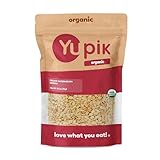
- Organic raw watermelon seeds, without shells
- No added salt or oil
- Certified organic, gluten-free & kosher
- Source of fiber, protein & iron
- Healthy snack & topping Ideal in baked goods, yogurt, oatmeal, soups and more
Best early and small-fruited watermelons
These cultivars are sensible starting points where summer heat arrives late or ends early. A short maturity estimate improves the odds of harvesting ripe fruit, but no watermelon can overcome persistently cool soil, inadequate sunlight, or poor pollination.
Blacktail Mountain
Blacktail Mountain is one of the strongest choices for a short or relatively cool summer. It is reported at approximately 70–80 days and produces generally 8–12-pound melons with a dark rind and red flesh. It is seeded and open-pollinated, making it less complicated than a triploid seedless type and potentially useful for gardeners who want to save seed.
It is an early watermelon, not a bush watermelon. Plan for vines to spread unless you train them or prune only with a clear understanding of the space and fruit-load trade-offs.
Do these 3 things before closing this tab:
1Scan for outdated or missing drivers - takes under a minute2Repair Windows errors before they cause bigger problems3Fix the driver behind crashes, sound loss and screen glitchesSugar Baby
Sugar Baby remains a practical first watermelon: approximately 75–85 days, dark green rind, deep-red flesh, and a 6–10-pound fruit that is easier to chill and use than a 30-pound picnic melon. It is seeded and open-pollinated.
Its personal-size fruit makes it convenient, but standard Sugar Baby plants can still occupy a broad patch of ground. Choose it for manageable fruit and familiar growing behavior, not because the vines are automatically compact.
Bush Sugar Baby
Bush Sugar Baby is the clearest space-saving choice in this group. The supplier reports vines of roughly 3 feet and fruit in the 6–12-pound range, making it worth considering for a small garden or a large container with excellent drainage.
“Bush” is important here: it describes a shorter plant habit, whereas “icebox,” “mini,” or “personal-size” usually describes the fruit. Even Bush Sugar Baby needs sun, warmth, regular moisture, and enough root volume. Follow the packet’s spacing rather than treating it as a patio miniature.
Outdated Drivers Are Slowing You Down
One free scan finds every outdated or missing driver and matches the right update for your exact hardware.Free scan · exact hardware matchPC Slower Than It Used to Be?
A free scan shows the junk files, broken settings and background clutter dragging Windows down - then fixes them in one click.Free scan · Windows 10 & 11Golden Midget
Golden Midget is a novelty cultivar for gardeners who want a small watermelon that announces ripeness with its rind. At about 70 days and approximately 3 pounds, it is among the earliest and smallest entries here. The rind turns golden yellow at maturity while the flesh is described as salmon-pink. Its cultivar history traces to ‘New Hampshire Midget’ crossed with ‘Pumpkin Rind,’ according to Cornell’s Vegetable Varieties for Gardeners database.
The fruit is compact; the plant should not automatically be assumed to be. Give it the same warm, well-drained site you would give other watermelons.
Yellow Doll
Yellow Doll is an early, seeded watermelon with an approximately 68-day maturity estimate and 5–7-pound round-oval fruit. Its yellow flesh offers a clear alternative to red varieties without committing the garden to the huge vines and long season associated with many large heirlooms.
It is a good candidate for a short-season garden when planted into genuinely warm soil. Yellow flesh does not by itself mean sweeter flesh; harvest timing and growing conditions still determine eating quality.
Mini Love F1
Mini Love F1 is a seeded diploid hybrid designed for personal-size harvests. Johnny’s lists approximately 70 days from transplanting, or about 10 days longer when direct-sown, with 5–7-pound red-fleshed melons and typically two to four fruits per plant.
The hybrid may offer more uniformity than an open-pollinated selection, but saved seed will not reliably reproduce the same traits. Despite “Mini” in the name, do not assume the vines are short; check the packet spacing.
Classic red-fleshed picnic watermelons
Crimson Sweet
Crimson Sweet is a balanced classic for gardeners who want the familiar striped red watermelon. The Penn State table gives an approximate 85-day maturity and commonly 15–25-pound fruit. It is seeded and is also a useful example of a normal diploid watermelon that can serve as a pollenizer for a seedless planting, provided it flowers at the same time.
It is a better fit for a roomy, warm garden than for a small container. For a first attempt, it offers a conventional benchmark against which unusual colors and heirlooms can be compared.
Recommended Free Tools
Charleston Gray
Charleston Gray is an old-fashioned, long gray-green watermelon with red flesh. Current seed descriptions commonly place it at about 85–95 days and 20–40 pounds. That combination—large fruit, long vines, and a longer season—makes it a picnic-garden choice rather than an impulse choice for a small plot.
Give each plant room to run, protect the vines from traffic, and keep the root zone evenly supplied with moisture while the fruit is sizing.
Jubilee
Jubilee is a large, traditional Southern-style watermelon, generally listed at approximately 90–100 days and often 25–40 pounds under good conditions. It suits gardeners with a long, hot summer and enough room for vigorous vines.
In a marginal climate, a 90- to 100-day variety can remain immature when frost or cool weather arrives. If you are uncertain about your frost-free period, choose an earlier cultivar rather than relying on an optimistic catalog estimate.
Georgia Rattlesnake
Georgia Rattlesnake is valued for its long, strongly striped heirloom appearance and light-crimson flesh. Its listing illustrates why maturity numbers should not be treated as universal: the Baker Creek description says 90 days, while its quick-facts block gives 75–85 days. Use the packet supplied with your seed as the controlling estimate and allow extra time in cool or cloudy conditions.
It is seeded and open-pollinated. If you plan to save seed, remember that nearby watermelon cultivars can cross through pollination, changing the next generation—not the current season’s fruit.
Ali Baba
Ali Baba is a large, red-fleshed, oblong heirloom for gardeners prioritizing fruit size and unusual variety history over early harvests. Its approximate 85–95-day window places it closer to the long-season picnic group than to icebox melons.
Give Ali Baba abundant sun, warm soil, reliable water, and room for vines. It is a poor match for a cool, short summer unless you have a particularly favorable microclimate and a way to extend the season.
Quick wins for a faster PC:
Repair Windows errors before they cause bigger problemsFix Now →Scan for outdated or missing drivers - takes under a minuteDriver Scan →Rank #2

- Carefully selected watermelon seeds that are naturally processed to maintain freshness, quality, and authentic taste.
- Made from pure natural watermelon seeds with no artificial preservatives, no chemicals, and no added ingredients.
- Perfect for snacking, adding to smoothies, cereals, baking recipes, and healthy homemade snacks.
- A great choice for health-conscious consumers looking for natural and high-quality superfood seeds.
- Healthy snack & topping Ideal in baked goods, yogurt, oatmeal, soups and more.
Heirlooms and varieties with unusual rind patterns
Moon & Stars
Moon & Stars is one of the most recognizable watermelons: its dark rind carries yellow “moon” and “star” markings, while the flesh is red. It is usually listed at approximately 90–100 days, with 25–40-pound fruit and the potential for larger melons under strong growing conditions.
The dramatic rind does not make the cultivar easier to grow. Treat it as a long-season, seeded, open-pollinated heirloom and allow generous space. Harvest by combining rind and fruit maturity signs rather than relying on the appearance of the yellow markings alone.
Royal Golden
Royal Golden makes ripeness easier to watch because the rind turns brilliant golden yellow. The flesh is described as pinkish-red, and reported fruit size ranges widely from about 8 to 25 pounds. Maturity is approximately 80–90 days.
That broad weight range is a reminder that catalog dimensions are typical results, not a promise for every plant. It is a seeded, open-pollinated choice for gardeners who want a visible color change and the possibility of saving seed.
Free tools Windows power users keep installed
One-click scans. No signup required.
Cream of Saskatchewan
Cream of Saskatchewan is the standout choice for cream-colored or nearly white flesh. Cornell reports approximately 80 days and 6–10-pound fruit. Its thin, brittle rind is also prone to splitting, so that weakness deserves planning rather than being treated as a footnote.
Use careful, consistent irrigation, avoid sharp swings from drought to heavy watering, and handle developing fruit gently. It is an intriguing cooler-climate experiment, but the short maturity estimate does not eliminate the need for warm soil and full sun.
Yellow- and orange-fleshed watermelons
Flesh color is a visual and culinary difference, not a guarantee of sweetness. A yellow or orange watermelon harvested too early can be just as disappointing as an underripe red one.
Janosik
Janosik produces bright yellow flesh inside an oblong fruit with a dark green rind. It is generally listed at approximately 80–90 days and around 10 pounds, a manageable size for households that do not want a giant picnic melon.
It is seeded and open-pollinated. The moderate fruit size may simplify handling, but the vines still need ordinary watermelon space unless the seed packet says otherwise.
Orangeglo
Orangeglo is a strong choice when bright orange flesh is the main objective. The current seed listing gives roughly 85–95 days, while Cornell describes approximately 90 days and fruit around 15 pounds.
Those figures make it more suitable for a warm, reasonably long season than for a marginal northern garden. Use it for novelty and color, but judge flavor only after the fruit is fully mature in your own conditions; supplier descriptions are not independent taste trials.
Desert King
Desert King has yellow flesh, a light pea-green rind, and reported fruit around 20 pounds. The supplier describes it as drought-tolerant and relatively resistant to sunburn. Those are supplier-attributed characteristics, not a reason to let plants dry out—especially during establishment, flowering, and fruit enlargement.
The Tool Desk
Outbyte PC Repair FREERepair Windows errors before they cause bigger problemsFix Now →Outbyte Driver Updater FREEFix the driver behind crashes, sound loss and screen glitchesFind Drivers →It is a sensible candidate for a hot, dry garden where irrigation can be delivered deeply and consistently. Mulch and drip irrigation can help reduce evaporation and keep moisture more stable.
Leelanau Sweetglo
Leelanau Sweetglo is an earlier orange- or tangerine-fleshed option, listed at approximately 75–85 days with fruit around 10–20 pounds. Its current description emphasizes suitability for northern-season growing, so it is more promising where summers are limited than a 95-day orange heirloom.
“Northern-season” is not a guarantee. Plant only after the soil has warmed, use black plastic mulch or a raised bed where appropriate, and select the sunniest protected site available.
Seedless varieties: the pollenizer requirement
Important: A seedless watermelon is not a no-pollination watermelon. Triploid seedless plants need pollen from a normal seeded watermelon flowering at the same time. Without that pollenizer, the vines may grow vigorously but produce few or no usable melons.
Triploid watermelons are made by crossing a normal diploid parent with a tetraploid parent. The resulting triploid plant generally produces fruit with few or no mature black seeds, although small white seed coats and occasional dark seeds can still occur. Because the triploid plant generally does not provide fertile pollen, grow a seeded diploid variety nearby. Crimson Sweet is one practical pollenizer example, but the packet or seed supplier may recommend a particular companion.
Start the triploid and the pollenizer at the same time so their flowers overlap. Remove row covers when female flowers appear, do not cover plants during flowering, and maintain bee activity. Watermelon flowers are receptive for only about one day, so cool, rainy, windy weather or a shortage of pollinators can have an immediate effect. Commercial guides may use one seeded pollenizer row for every two or three seedless rows; a home garden does not need to copy that field layout, but it should have at least one healthy seeded plant close enough to flower alongside the seedless plants. A differently marked pollenizer fruit is still edible.
Tri-X 313
Tri-X 313 is a classic triploid seedless type, listed by Penn State at approximately 85 days and 15–18 pounds. It can suit a household that wants seedless red fruit, but it is not the simplest variety for a first watermelon crop because the seed is harder to germinate and pollination must be planned.
Revolution
Revolution is a larger triploid seedless example, listed at approximately 80 days and 20–26 pounds in the Penn State table. It combines seedless fruit with the space, heat, and pollination requirements of a large watermelon. Choose it when seedless fruit is a priority and you can provide a seeded pollenizer, not as a shortcut to easier growing.
How to choose the right watermelon
For a short season
Start with Blacktail Mountain, Golden Midget, Yellow Doll, Sugar Baby, Mini Love, or Leelanau Sweetglo. The University of Minnesota recommends short maturity windows—roughly 65–80 days—for northern gardeners because cool conditions can prevent a nominally 90-day watermelon from ripening. In a very short season, use warm soil, black plastic mulch, transplants, or a protected site to improve the odds.
Rank #3

- ORGANIC CRIMSON WATERMELON. HIGH-QUALITY, HIGH-YIELDING VARIETY. SEASON FAVORITE. ALL-AMERICAN SELECTION WINNER. CRIMSON, CRISP, JUICY, SWEET.
- 15 American, certified, organic, heirloom, fresh seeds for one of the most iconic and delicious watermelons. Packed with a growth guarantee for subsequent seasons as well. Organically grown seeds are the best seeds. They yield organic crops with excellent taste qualities, wholesome from start to finish. Detailed sowing and care instructions included.
- DESERVES MANY SUPERLATIVES. The dominant organic representative of high-yielding early-ripening varieties. This watermelon has it all - vigorous, powerful, resilient, long vines. Uniform spherical shape, high fruit quality, exceptional bright flavor. Eco-friendly product.
- POSSESSES ALL DESIRED WATERMELON QUALITIES. Large round-oval fruit. Smooth rind, alternation of emerald and dark stripes, hidden pattern. Uniform fiberless texture, without veins and practically seedless. Firm, tender crimson flesh with high sugar content. Truly juicy and sweet.
- CRIMSON WATERMELON SETS THE HIGH BAR FOR WHAT A WATERMELON SHOULD BE. The strong variety features a thinner rind, a sweeter honey flavor, smaller, almost unnoticeable seeds. Distinctive taste qualities, excellent commercial characteristics. A decent harvest both in weight and quantity.
For limited space
Choose Bush Sugar Baby first if actual plant habit is the limiting factor. Golden Midget, Yellow Doll, Sugar Baby, and Mini Love have smaller fruit, but their vines may still sprawl. As Iowa State Extension notes, bush types exist because ordinary watermelon vines need substantial room.
Some smaller-fruited watermelons can be grown vertically. A sturdy trellis is necessary, and each developing melon needs a sling or other support so its weight does not tear the vine. Trellising saves ground area but does not eliminate the plant’s need for a warm, sunny root zone.
For a large family or picnic harvests
Consider Crimson Sweet, Charleston Gray, Jubilee, Moon & Stars, Ali Baba, or Revolution if you have a long growing season and space for vigorous vines. Large fruit is not automatically better: it takes longer to mature, is harder to move, and can be more wasteful for a small household.
For yellow or orange flesh
Pick Yellow Doll for earliness, Janosik for a moderate-size yellow fruit, Orangeglo for vivid orange flesh, Desert King for a hot, dry site, or Leelanau Sweetglo for a relatively early orange-fleshed harvest.
For seed saving
Open-pollinated choices such as Sugar Baby, Blacktail Mountain, Moon & Stars, Jubilee, Georgia Rattlesnake, Charleston Gray, and many other heirlooms can generally be saved true-to-type if isolated from other watermelon cultivars. Watermelons cross with other watermelons, not with cucumbers, squash, pumpkins, or muskmelons. Cross-pollination changes the traits of the next generation’s seed; it does not make this year’s fruit look or taste different.
An F1 hybrid such as Mini Love will not reliably reproduce the same combination of traits from saved seed. Triploid seedless types are an especially poor choice for seed saving because they are hybrids with unusual chromosome numbers.
For the easiest first crop
Choose one seeded, early-to-midseason variety such as Blacktail Mountain, Sugar Baby, Yellow Doll, or Crimson Sweet. Seedless types, giant heirlooms, and thin-rinded novelties can be rewarding, but they add constraints that are easier to manage after you understand your site.
PC Slower Than It Used to Be?
A free scan shows the junk files, broken settings and background clutter dragging Windows down - then fixes them in one click.Free scan · Windows 10 & 11Outdated Drivers Are Slowing You Down
One free scan finds every outdated or missing driver and matches the right update for your exact hardware.Free scan · exact hardware matchHow much space does watermelon need?
Watermelon space recommendations vary because “spacing” may mean hills, individual plants, or rows. Illinois Extension gives hills approximately 6 feet apart with 7–10 feet between rows. Iowa State gives hills approximately 2–3 feet apart with 6–8 feet between rows, depending on how many plants are retained. These recommendations are not directly comparable without knowing the planting method.
For a home garden, follow the seed packet for the specific cultivar and clarify whether its distance refers to plants, hills, or rows. Ordinary vines can easily occupy several feet in every direction. Large picnic cultivars need more room than personal-size fruit, but fruit size alone does not predict vine length. If you cannot spare a broad patch, use a genuine bush type or a carefully supported trellis rather than simply buying a “mini” melon.
When to plant watermelon
Use soil and weather conditions rather than a fixed calendar date:
- Wait until the danger of frost has passed.
- Plant when the soil is at least approximately 60–65°F; 65°F or warmer is a safer target for establishment.
- Seed germination is strongest around 70–90°F.
- In a short season, start transplants 2–4 weeks before outdoor planting, but do not hold seedlings too long.
Watermelon roots are sensitive to disturbance. Start seedlings in large peat pots or other plantable containers, keep indoor production around 80–85°F, harden plants before setting them outside, and transplant with the root ball intact. A broken or severely disturbed root can stunt a plant for the rest of the season. Illinois Extension’s watermelon guidance recommends warm conditions and minimal root disturbance.
How to grow watermelon successfully
1. Prepare a warm, sunny site
- Choose at least six hours of direct sun; more is preferable.
- Use fertile, well-drained soil. Sandy loam is particularly suitable.
- A practical home-garden soil-pH range is approximately 5.5–7.0.
- Avoid planting where watermelon, cucumber, squash, pumpkin, or related cucurbits recently grew when possible.
- Use black plastic mulch or a raised bed in a cool region to warm the soil and improve earliness.
Do not compensate for poor drainage with more frequent watering. Waterlogged soil reduces root health and increases the risk of damping-off and other problems.
Rank #4

- STRONG BONES: The citronella present in these seeds can help in strengthening the muscle tissue and keeping your bones strong.
- BOOSTS IMMUNITY: Being a rich source of antioxidants, watermelon seeds can keep you away from any stomach infection and boost your immunity.
- GLOWING SKIN: Since it is a rich source of iron and magnesium, it helps in maintaining healthy skin. Omega-3 present in these raw seeds might make your skin glow.
- VITAMINS LOADED: Niacin and vitamin B6 present in these seeds might be responsible for the proper functioning of the nervous system. It may help improve the blood circulation
- FIBRE RICH: Watermelon seeds are a rich source of fiber and vitamins which regulates the bowel movements, strengthens the immune system and avoids the risk of any stomach infection."
2. Direct-sow at the right time
- Wait until frost danger has passed and the soil is warm.
- Sow seeds approximately 1 inch deep.
- Place two or three seeds at each hill or planting station.
- After emergence, thin to the strongest plant or plants.
- Apply the packet’s final spacing, allowing several feet for ordinary vines and commonly 6–10 feet between rows depending on the system.
3. Transplant only young, healthy seedlings
Transplants can help a short-season gardener gain time, but watermelon does not enjoy being root-bound or repeatedly disturbed. Start them 2–4 weeks before planting out, use a large biodegradable container, harden them gradually, and set them out as soon as outdoor conditions are suitable. Handle the container and root ball gently rather than pulling a seedling from a small cell.
4. Water consistently, then taper carefully
Keep moisture consistent from germination through fruit set. During dry weather, Iowa State recommends approximately 1–2 inches of water every 7–10 days, adjusted for rainfall and soil type. Drip irrigation or a soaker line is preferable because it wets the root zone without repeatedly wetting leaves.
As fruit approaches maturity, reduce the amount of water rather than abruptly stopping irrigation or allowing severe drought stress. Excessive water or heavy rain near harvest can lead to cracking, bland flavor, poor color, or rapid vine decline. The University of Vermont Extension specifically cautions against oversimplified “stop watering” advice.
Recommended Free Tools
5. Protect pollination
Watermelons produce separate male and female flowers on the same plant. Bees and other pollinators transfer pollen, and a female flower is receptive for roughly one day. Cool, rainy, or windy weather can reduce bee activity and lead to small, misshapen, or poorly filled fruit.
Use row covers before flowering if insect pressure requires them, but remove the covers when female flowers appear. Avoid excessive nitrogen, which can produce vigorous vines with few female flowers. Keep plants from severe drought stress, and do not grow seedless triploids without a seeded pollenizer.
6. Mulch, trellis, and keep fruit clean
Mulch can conserve moisture, reduce weeds, warm soil when black plastic is used, and limit soil splash onto foliage and fruit. If you trellis a small-fruited variety, use a strong support and individual slings for developing melons. Do not assume a trellis is suitable for a 20- to 40-pound heirloom unless it is engineered for that load.
7. Scout for pests and disease
Common watermelon problems include cucumber beetles, squash bugs, aphids, powdery mildew, downy mildew, gummy stem blight, Fusarium wilt, anthracnose, viral diseases, damping-off, and watermelon fruit blotch in some regions.
What’s actually slowing this PC down?
Pick the symptom - the matching free tool is one click away.
Reduce risk with clean seed and transplants, crop rotation, good airflow, drip irrigation, mulch to limit soil splash, row covers before flowering, and early scouting. Where disease pressure is a concern, Iowa State recommends avoiding watermelon and related cucurbits in the same area for three to four years. Disease resistance, when a listing claims it, applies to named diseases or pathogen races—not to every problem a watermelon can encounter.
Why watermelon plants fail
No flowers or no fruit
Check for cool weather, poor bee activity, excessive nitrogen, drought stress, row covers left on after flowering, or a missing pollenizer on seedless plants. A healthy-looking vine is not proof that pollination occurred. Since flowers are receptive for only a short time, several days of poor weather can reduce the crop.
Small or misshapen fruit
Incomplete pollination is the usual suspect. A poorly pollinated fruit may remain small, become distorted, or fail to fill evenly. This does not necessarily mean the seed packet was faulty. Improve pollinator access, avoid covering flowering plants, and protect vines from drought stress.
Cracked fruit
Heavy rain or excessive irrigation as fruit nears maturity can cause cracking. The risk is especially relevant to thin-rinded varieties such as Cream of Saskatchewan. Keep moisture steady and avoid alternating severe drought with saturation.
Bland fruit
Possible causes include harvesting too early, inadequate heat or sunlight, excessive irrigation before harvest, heavy rainfall, a wilted or diseased vine, or a season too short for the cultivar. Cross-pollination with squash or cucumber is not the explanation; those crops do not cross with watermelon.
Best Value

- SUGAR BABY WATERMELON SEEDS- Sugar Baby watermelon seeds (Citrullus lanatus) grow sweet, heirloom, non-GMO 6–10 lb melons, compact enough for any fridge, packed with juicy flavor, perfect for summer gardens
- COMPACT, HIGH YIELD VINES - Space-saving vines produce 2–5 fruits per plant, ripening in just 75–80 days, ideal for small gardens, containers, or tight backyard plots
- HOMEGROWN SUMMER FRUIT - Skip store-bought and grow Sugar Baby watermelons bursting with flavor, perfect for sustainable living, self-reliance, and unbeatable summer freshness
- DETAILED GROWING INFORMATION- Individual paper seed packets include clear planting instructions, germination tips, and seed-saving info, great for beginner or experienced gardeners growing vegetables, herbs, flowers, or native plants
- FAMILY OWNED USA SMALL BUSINESS – Heirloom non-GMO seeds from Survival Garden Seeds, a trusted American brand; always open-pollinated, untreated, and quality tested for garden success
Triploid seed fails to germinate
Seedless triploid seed is more difficult to germinate than ordinary diploid seed. Cool or overly wet media are common failure points. Johnny’s triploid production guide identifies approximately 85°F as a critical media temperature for germination. Use warm, well-drained media, keep it moist but not saturated, and consider starting the plants indoors instead of casually direct-sowing them into cool soil.
How to tell when a watermelon is ripe
Watermelons do not reliably continue ripening after harvest, so harvesting early can permanently reduce eating quality. Use several signs together:
- Ground spot: The portion resting on the soil changes from greenish white to cream or yellow.
- Rind finish: The glossy surface becomes dull.
- Nearby tendril: A tendril close to the fruit begins to brown and dry. This is useful but not conclusive; some varieties show it several days early.
- Rind hardness: The rind becomes hard and resists a thumbnail.
- Expected size and shape: The fruit matches the cultivar’s normal appearance and has had an appropriate growing period.
Do not use thumping as the sole test. Illinois Extension notes that tapping, sniffing, or shaking is not a reliable substitute for visual maturity indicators. Cut the stem with a clean knife or pruners once the combined signs point to maturity, and record the result so you can improve timing on later fruits.
Free tools Windows power users keep installed
One-click scans. No signup required.
Frequently overlooked trade-offs
Early maturity versus fruit size
Short-season cultivars generally improve the chance of getting ripe fruit, but they often produce smaller melons. Jubilee, Charleston Gray, Orangeglo, and Ali Baba need more time and heat than Blacktail Mountain or Yellow Doll. A variety labeled “90 days” may take longer in a cool, cloudy garden than it does in the conditions used by the seed supplier.
Open-pollinated versus hybrid
Open-pollinated varieties may be saved true-to-type when isolated from other watermelon cultivars. F1 hybrids such as Mini Love are selected for a particular cross and will not reliably repeat those traits from saved seed. The current season’s fruit is unaffected by pollen from a neighboring watermelon; the cross appears in the seeds you save and plant later.
Flavor claims need context
Descriptions such as “sweetest” or “best tasting” are not objective guarantees. Flavor depends on maturity, sunlight, temperature, irrigation, crop load, vine health, and local conditions. Vendor descriptions identify intended characteristics, but they are not independent taste trials. Cornell’s Vegetable Varieties for Gardeners database can provide gardener observations and trial comments where available, but those results are location-specific too.
Frequently Asked Questions
What is the best watermelon variety for a first-time gardener?
For a straightforward first crop, choose one seeded variety suited to your season: Blacktail Mountain or Yellow Doll for an early harvest, Sugar Baby for personal-size red fruit, or Crimson Sweet for a classic larger watermelon. These avoid the extra germination and pollenizer requirements of triploid seedless types.
Does a small watermelon have a compact vine?
Not necessarily. “Mini,” “icebox,” and “personal-size” usually describe the fruit, not the plant. Bush Sugar Baby is the clearest compact choice in this list. Check the seed packet’s vine habit and spacing rather than judging plant size from the melon’s expected weight.
Do seedless watermelons need another watermelon plant?
Yes. Seedless watermelons are usually triploid hybrids that need pollen from a normal seeded watermelon flowering at the same time. Plant the recommended seeded pollenizer nearby, remove row covers during flowering, and maintain access for bees.
Can watermelon cross with squash, cucumber, or pumpkin?
No. Watermelon can cross with another watermelon, affecting the next generation grown from saved seed, but it does not cross with cucumber, squash, pumpkin, or muskmelon. Cross-pollination does not change the appearance or flavor of fruit growing this season.
Can you tell a ripe watermelon by thumping it?
Thumping is not dependable enough to use as the only test. Combine a cream or yellow ground spot, duller rind, appropriate fruit size, a hard rind, and—used cautiously—a drying nearby tendril. Watermelon does not reliably ripen after harvest.
The Tool Desk
Outbyte Driver Updater FREEFix the driver behind crashes, sound loss and screen glitchesFind Drivers →Outbyte PC Repair FREEClear out junk files and repair common Windows errorsFree Scan →The Bottom Line
For the highest chance of success, match the cultivar to your season before chasing unusual color or enormous fruit. Begin with Blacktail Mountain, Sugar Baby, Yellow Doll, or Crimson Sweet if you are new to growing melons. Choose Bush Sugar Baby when plant space—not fruit size—is the main limitation. Save Tri-X 313 or Revolution for a season when you can provide warm germination, reliable moisture, bees, and a seeded pollenizer. Whatever variety you grow, harvest only after several maturity signs agree: an underripe watermelon will not improve on the kitchen counter.
Quick Recap
Product prices and availability are accurate as of the date/time indicated and are subject to change. Any price and availability information displayed on Amazon at the time of purchase will apply.