The toughest tree for a Midwest lawn is not the one with the longest hardiness-zone range. It is the tree that matches the site’s limiting condition—whether that is drought, wet soil, alkaline soil, road salt, wind, compacted ground, limited space, or the need to keep turf growing beneath the canopy.
For a large, open lawn, start with bur oak, Kentucky coffeetree, thornless honeylocust, hackberry, northern red oak, or black walnut. For wet ground, look first at swamp white oak, river birch, bald cypress, or hackberry. For a smaller yard, American hornbeam, American hophornbeam, serviceberry, Japanese tree lilac, or a disease-resistant crabapple is usually a better fit. The 20 trees below are durable choices, but none is invulnerable or suitable for every Midwest site.

As an Amazon Associate I earn from qualifying purchases.
Midwest lawns span roughly USDA Hardiness Zones 3 through 7, but a state-level zone label is too broad for choosing a tree. Use the 2023 USDA Plant Hardiness Zone Map and enter the ZIP code for the planting site. The map is based on 1991–2020 climate normals and describes average annual extreme minimum temperatures. It does not tell you whether the site has summer heat, drought, flooding, road salt, compacted soil, wind exposure, or a warmer or colder microclimate.
The Tool Desk
Outbyte PC Repair FREERepair Windows errors before they cause bigger problemsFix Now →Outbyte Driver Updater FREEScan for outdated or missing drivers - takes under a minuteDriver Scan →That distinction matters especially on construction sites and recently graded lawns. A tree may be hardy enough for the winter but still fail because its roots are buried in compacted fill, the planting hole stays saturated, turf competes for water, or reflected heat and salt damage the crown. Treat the list as a set of candidates. The site assessment determines the winner.
#1 Best Overall
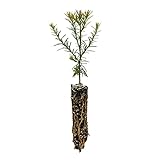
- Grow the world's tallest tree species!
- Seed-grown on California's Redwood Coast
- Transplanting and care instructions included
- Trees can provide a natural barrier against high winds, temperatures, noise pollution and soil erosion, all while benefiting local air quality, wildlife and property values — a Jonsteen seedling will only grow in value and beauty!
Choose by the lawn’s hardest problem
| Site condition | Strong starting choices | What to watch |
|---|---|---|
| Large, open, dry, or alkaline lawn | Bur oak, Kentucky coffeetree, thornless honeylocust, hackberry, northern red oak, black walnut | Most become large trees. Confirm mature width, root space, overhead clearance, and the location of patios, drives, utilities, and gardens. |
| Wet or periodically wet soil | Swamp white oak, river birch, bald cypress, hackberry | Wet-tolerant does not mean permanently submerged or anaerobic. River birch also performs poorly when repeatedly allowed to dry. |
| Roadside or salt-exposed planting | Thornless honeylocust, Kentucky coffeetree, ginkgo, eastern red cedar, bur oak, white oak, Japanese tree lilac | Aerial salt spray and salt accumulation in the root zone are different stresses. A tree tolerant of one may still suffer from the other. |
| Small lawn | American hornbeam, American hophornbeam, serviceberry, Japanese tree lilac, disease-resistant crabapple | Verify mature height and width rather than buying by the tree’s current nursery size. |
| Evergreen screen or wind-exposed site | Eastern red cedar or eastern white pine | Eastern red cedar needs full sun. White pine needs good drainage and can struggle on exposed, compacted, wet sites. |
| Turf beneath the canopy is important | Thornless honeylocust, especially a quality selection such as ‘Northern Acclaim’ | Filtered shade is easier for grass than dense shade, but no tree eliminates competition for water. |
The 20 toughest Midwest lawn-tree candidates
1. Bur oak (Quercus macrocarpa)
Bur oak is one of the strongest choices for a spacious Midwest lawn. This native oak is exceptionally durable, handles challenging urban conditions, and is listed by Wisconsin guidance as tolerant of both salt spray and salt in the soil. It is hardy to Zone 3a, making it appropriate for some of the coldest parts of the region.
The trade-off is scale and patience. Bur oak eventually needs a very large canopy area, and acorns can be part of the lawn’s seasonal litter. Establishment is not a reason to crowd it into a small yard; give it room to become the tree it is meant to be.
2. White oak (Quercus alba)
White oak is a long-lived native shade and wildlife tree with strong regional value. Wisconsin Extension lists it as salt-spray tolerant and hardy to Zone 3b. It is a particularly good choice where the goal is a permanent, large shade tree rather than quick but short-lived growth.
What’s actually slowing this PC down?
Pick the symptom - the matching free tool is one click away.
Choose a well-drained site with substantial room. White oak is not a practical tree for a narrow planting strip, close foundation, or compact suburban lawn where its mature canopy cannot develop.
3. Swamp white oak (Quercus bicolor)
Swamp white oak fills a useful gap: it is an oak for lawns that are moist or periodically wet. University of Minnesota guidance identifies it as moisture tolerant, and Wisconsin lists it as tolerant of both salt spray and soil salt.
It still needs oxygen around its roots. Do not use it where water remains stagnant for long periods or where the soil is permanently anaerobic. It also becomes a substantial tree, so wet-site suitability does not remove the need to plan for mature size.
4. Northern red oak (Quercus rubra)
Northern red oak is a large native shade tree suited to cold Midwestern conditions and included among Wisconsin’s salt-tolerant options. It is a reasonable candidate for a broad lawn where there is enough room for the root system and canopy.
Free tools Windows power users keep installed
One-click scans. No signup required.
Avoid cramped planting strips and chronically waterlogged ground. Its mature dimensions make it a poor choice for a small front yard even when the local zone is suitable.
5. Hackberry (Celtis occidentalis)
Hackberry is a useful urban and lawn shade tree when soil reaction, moisture, or general site stress makes more delicate species risky. University of Minnesota guidance includes hackberry among trees that tolerate moisture, and it is also a practical candidate for alkaline or disturbed urban soils.
Hackberry can become very large. Its rough bark and fruit are not every homeowner’s idea of a formal ornamental tree, but those traits are often acceptable on a spacious lawn where durability matters more than a highly manicured appearance.
6. Kentucky coffeetree (Gymnocladus dioica)
Kentucky coffeetree is a strong large-tree choice for heat, cold, wind, dry soil, high-pH soil, and deicing-salt runoff. The male selection ‘True North’ is described by University of Minnesota guidance as disease resistant and well suited to difficult urban conditions.
Buy a named male or seedless cultivar when possible. Female trees can produce large pods that create substantial litter. This is a generous-space tree, not a solution for a narrow lawn or small planting island.
Rank #2

- Majestic Height- Stand tall among other trees with this giant sequoia tree. Its impressive height will make a statement in your landscape.
- Ancient Roots- Experience the magic of native Giant Sequoias with this product. Watch as they grow and thrive, connecting us to our ancient past.
- Girthy Trunk- Fast growing and strong, this unique feature of our Giant sequoia allows it to reach impressive heights and provide long-lasting beauty.
- Towering Canopy- Experience the majestic beauty of a Giant Sequoia as you stand under its towering canopy, reaching heights that will leave you in awe.
- Resilient Bark- Protect animal habitats with this durable bark that helps giant sequoias withstand harsh environments and thrive for centuries.
7. Thornless honeylocust (Gleditsia triacanthos var. inermis)
Thornless honeylocust is among the best choices when a homeowner wants shade but also wants to maintain turf beneath the canopy. Its filtered shade is generally more lawn-friendly than the dense shade produced by many large shade trees. Wisconsin lists thornless honeylocust as highly tolerant of both salt spray and soil salt, while Minnesota guidance describes the ‘Northern Acclaim’ selection as a tough urban tree.
Cultivar quality matters. Look for a well-structured, thornless selection and avoid poorly formed or unnecessarily seed-producing trees. The word thornless does not by itself guarantee a strong branch structure or a clean landscape.
8. River birch (Betula nigra)
River birch is a good candidate for a moist lawn, rain-garden edge, or other site where ordinary shade trees may struggle with wet conditions. It is listed as moderately tolerant of both salt spray and soil salt.
Recommended Free Tools
Its main limitation is the opposite condition: repeated drying. River birch can suffer when planted in a hot, dry lawn and then watered only occasionally. It also becomes too large for many small front yards, so reserve it for a site with adequate moisture and room.
9. American hornbeam (Carpinus caroliniana)
American hornbeam is a native small-to-medium tree for a lawn edge, understory, or compact residential site. University of Minnesota guidance lists it as hardy to Zones 3–9 and tolerant of wet conditions, shade, and high-pH soil.
It grows slowly and naturally remains smaller than the major oaks, so it will not provide immediate broad shade. That slower pace is often a worthwhile trade for a homeowner who needs a tree that fits the property instead of eventually overwhelming it.
10. American hophornbeam or ironwood (Ostrya virginiana)
American hophornbeam is one of the tougher native hardwoods available for a small or medium lawn. Illinois Extension describes it as resistant to a variety of insects and diseases, making it a dependable choice where modest mature size is more important than rapid growth.
Do these 3 things before closing this tab:
1Clear out junk files and repair common Windows errors2Scan for outdated or missing drivers - takes under a minute3Repair Windows errors before they cause bigger problemsIt is a patience tree. Expect slower development and more limited shade than a large oak, but also a better fit for many residential spaces.
11. Serviceberry (Amelanchier spp.)
Serviceberry offers more seasonal interest than most trees on this list: spring flowers, edible fruit, fall color, and wildlife value. Apple serviceberry is listed by Wisconsin as hardy to Zone 3a and moderately tolerant of salt spray.
Birds may remove much of the fruit, but some fruit and leaf litter can still reach walks or patios. Choose the species or cultivar according to the desired mature size and the amount of pruning and cleanup the site can accommodate.
12. Black gum or tupelo (Nyssa sylvatica)
Black gum earns its place primarily through dependable autumn color and a useful level of regional toughness. Wisconsin lists it as hardy to Zone 4b and moderately tolerant of both salt spray and salt in the soil.
It is not the first choice for badly compacted, permanently alkaline ground. Establishment can be slower, so it performs best when the planting site is prepared properly and the young tree receives consistent moisture while roots develop.
Rank #3
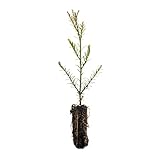
- Grow your own Coast Redwood (Sequoia sempervirens), the world's tallest tree species!
- Seed-grown on California's Redwood Coast
- Transplanting and care instructions included
- Trees can provide a natural barrier against high winds, temperatures, noise pollution and soil erosion, all while benefiting local air quality, wildlife and property values — a Jonsteen seedling will only grow in value and beauty!
13. Bald cypress (Taxodium distichum)
Bald cypress is a distinctive choice for a moist lawn or a place that collects stormwater. Wisconsin lists it as hardy to Zone 4b and moderately tolerant of soil salt. It handles wet settings better than many conventional shade trees.
Plan for its mature size and wet-site behavior. Bald cypress may develop knees in some conditions, which can be an undesirable surprise in a closely mowed lawn. Illinois Extension advises spring planting because establishment can be slow; that timing is especially worth considering when the tree is being installed on a demanding site.
14. Eastern red cedar (Juniperus virginiana)
Eastern red cedar is one of the strongest evergreen choices for a salt-exposed or wind-exposed lawn. Wisconsin lists it as highly tolerant of both salt spray and soil salt and hardy to Zone 3b. It can serve as a screen, windbreak component, or evergreen specimen.
It needs full sun and can become broad enough to crowd a small yard. It may also host cedar-apple rust near susceptible apples or crabapples, so consider nearby fruit trees before planting.
15. Eastern white pine (Pinus strobus)
Eastern white pine is a large native evergreen that works as a specimen or screen on sites with full sun to partial shade. Illinois Extension recommends it as a native replacement because it tolerates a wide range of urban conditions, except very poor drainage.
White pine is large and relatively soft-wooded. Avoid using it as a default answer for a compacted, wet, highly exposed site or directly beneath conflicting overhead infrastructure. Its mature width and height need to be part of the original layout.
16. Black walnut (Juglans nigra)
Black walnut is a durable native shade and wildlife tree for a large property. Wisconsin lists it as highly tolerant of salt spray and hardy to Zone 4b.
Quick wins for a faster PC:
Clear out junk files and repair common Windows errorsFree Scan →Scan for outdated or missing drivers - takes under a minuteDriver Scan →Its nuts, extensive root system, and juglone-related plant-compatibility concerns make it unsuitable for many small lawns, patios, driveways, and vegetable gardens. Do not place it where falling nuts will create a predictable maintenance or safety problem.
17. American sycamore (Platanus occidentalis)
American sycamore is a very large shade tree for spacious sites with adequate moisture. It can be impressive near water or on a broad lawn where its size is an asset rather than a liability.
Its exfoliating bark and high volume of leaves and other litter are part of the tree’s character. The mature size alone rules it out for most confined suburban lawns. Illinois Extension advises spring planting because establishment can be slow.
18. Ginkgo, male cultivar (Ginkgo biloba)
Ginkgo is a strong street-edge or specimen-tree candidate where salt tolerance is important. Wisconsin lists it as highly tolerant of both salt spray and soil salt and hardy to Zone 4b.
Crashes, No Sound, or Screen Glitches?
Random freezes, missing sound and display glitches usually trace back to one bad driver. Find and replace yours safely.Free scan · under a minuteWindows Errors? Fix Them Before They Spread
Repair common Windows errors and clear accumulated junk for a smoother, more stable PC - no reinstall needed.Free scan · no reinstallPlant a named male cultivar. Female ginkgo trees produce fruit with an unpleasant odor when it falls. Ginkgo also has slow early growth and eventually needs broad clearance, so its reputation for toughness should not encourage careless placement.
Rank #4
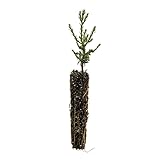
- Grow the world’s most massive tree species!
- Seed-grown on California's Redwood Coast
- Transplanting and care instructions included
- Trees can provide a natural barrier against high winds, temperatures, noise pollution and soil erosion, all while benefiting local air quality, wildlife and property values — a Jonsteen seedling will only grow in value and beauty!
19. Japanese tree lilac (Syringa reticulata)
Japanese tree lilac is a small-to-medium ornamental tree with fragrant flowers and unusually strong salt tolerance for its size. Wisconsin lists it as highly tolerant of both salt spray and soil salt and hardy to Zone 3a.
Give it full sun and enough room for its mature form. It is primarily an ornamental choice rather than a major wildlife or shade tree, but it can be an excellent fit where a large oak or honeylocust would overwhelm the property.
20. Disease-resistant crabapple, including prairie crabapple (Malus ioensis)
A disease-resistant crabapple is a practical small flowering-tree choice when spring bloom, wildlife value, and a manageable scale matter. Illinois Extension describes prairie crabapple as tough, fragrant-flowering, wildlife-friendly, and valuable to pollinators.
Choose the cultivar carefully. Disease resistance, fruiting, mature size, and ornamental quality vary considerably. Do not substitute invasive Callery or Bradford pear simply because it is commonly sold as an easy flowering tree.
Which trees fit common Midwest lawn situations?
For a large, dry, or alkaline lawn
Start with bur oak, Kentucky coffeetree, thornless honeylocust, hackberry, northern red oak, or black walnut. Kentucky coffeetree is especially useful where dry, high-pH soil, wind, and salt runoff overlap. Hackberry is a strong option for variable moisture and alkaline urban soil. Oaks are excellent long-term shade and wildlife investments when the property can accommodate their mature canopy.
Black walnut belongs only on a genuinely spacious site. Keep it away from vegetable gardens, patios, driveways, and places where nuts and extensive roots will create conflicts.
For wet or periodically wet ground
Swamp white oak, river birch, bald cypress, and hackberry are the first group to investigate. Match the tree to the actual moisture pattern: river birch is a poor choice for a lawn that alternates between drought and occasional brief watering, while swamp white oak and bald cypress are better justified where wetness is a recurring site characteristic.
Before planting, determine whether the problem is natural wet soil, a high water table, a downspout discharge area, or compaction from construction. A tree cannot correct a drainage problem by itself.
For road salt and deicing exposure
Thornless honeylocust, Kentucky coffeetree, ginkgo, eastern red cedar, bur oak, white oak, and Japanese tree lilac are useful starting points for salt-exposed locations. Eastern red cedar is particularly appropriate when an evergreen screen is needed and the site receives full sun.
Separate two salt problems. Salt spray can injure buds, needles, and twigs above ground. Salt carried into the root zone can interfere with water uptake and damage roots below ground. A tree described as tolerant of salt spray is not automatically protected from heavy salt accumulation in the soil.
For a small lawn
American hornbeam, American hophornbeam, serviceberry, Japanese tree lilac, and a tested disease-resistant crabapple are more sensible candidates than a small nursery specimen of a tree that eventually becomes enormous. Check mature width, not only height, and account for the space required between the trunk, foundation, walks, drives, fences, and utilities.
Do these 3 things before closing this tab:
1Repair Windows errors before they cause bigger problems2Fix the driver behind crashes, sound loss and screen glitches3Clear out junk files and repair common Windows errorsJapanese tree lilac supplies fragrant flowers and serviceberry supplies flowers, fruit, fall color, and wildlife value. Hornbeam and hophornbeam are quieter, slower-growing choices for homeowners who value proportion and longevity over immediate shade.
For evergreen structure
Use eastern red cedar for a sunny, salt- or wind-exposed screen. Use eastern white pine where there is good drainage, adequate room, and full sun to partial shade. Neither should be treated as a universal evergreen answer: red cedar is poorly suited to shade, and white pine is a poor fit for very wet, compacted ground or severely exposed locations.
Independent reader supportYour contribution helps us test, update, and keep practical guides available for everyone.Trees to exclude or treat cautiously
Bradford and Callery pear: Do not use Callery pear as the quick, tough flowering-tree shortcut. Illinois Extension identifies it as invasive in Illinois and points readers toward native alternatives such as prairie crabapple. A tree’s fast growth and abundant spring flowers do not compensate for invasive behavior and weak landscape suitability.
Colorado blue spruce: It should not be treated as the default evergreen lawn tree in Illinois or much of the Midwest. Illinois Extension reports poor performance there and recommends better-adapted native replacements such as eastern white pine.
Norway maple and silver maple: These trees can have particular uses, but rapid growth or widespread availability does not make a species universally superior. Evaluate the specific site, mature size, structure, root behavior, disease concerns, and maintenance requirements rather than choosing by speed alone.
A planting process that gives a tough tree a fair chance
- Assess the site before buying. Record full sun, partial shade, mature available width, overhead and underground conflicts, drainage, soil texture, soil pH, road-salt exposure, wind, and whether turf must remain under the canopy. On a newly built or recently graded lawn, look for compacted subsoil and imported fill. Species selection should follow those conditions, not precede them.
- Choose the mature tree, not the nursery container. A young oak or ginkgo may look harmless beside a house or driveway. Review the expected mature height and spread, then place the trunk where the future canopy and roots have room.
- Inspect nursery stock carefully. Reject a tree with trunk damage, cankers, exposed roots, circling roots, or a root ball that is disproportionately small for the canopy. A healthy, well-formed tree with a sound root system is a better investment than a larger but damaged specimen.
- Locate the root flare. The trunk should widen where the major roots begin. Set that flare at finished grade or slightly above it, not several inches below the soil. Deep planting can reduce oxygen around roots and contribute to girdling roots, decay, and long-term instability.
- Backfill with the native soil. Do not automatically fill the hole with potting mix, compost, or a different soil. In heavy soil, a heavily amended hole can act like a bathtub and hold water around the root ball. Use the excavated native soil unless a site-specific soil assessment supports another approach.
- Water immediately and consistently. Water the new tree at planting, water frequently during the first weeks, and then continue with deep weekly watering as roots establish. A practical starting target is about 5–7 gallons per week for a newly planted tree, adjusted for rainfall, tree size, soil type, drainage, temperature, and local restrictions. The goal is to moisten the root zone without keeping it saturated.
- Mulch in a broad donut. Apply roughly 2–4 inches of organic mulch over the root zone and extend it beyond the original root ball where possible. Keep mulch at least 4–6 inches away from the trunk. A mulch volcano traps moisture against the bark and creates conditions for decay; it does not help the tree.
- Reduce turf competition. Grass competes strongly with young tree roots for water and nutrients. A broad, shallow mulch bed is more useful than a small decorative ring immediately around the trunk. Keep mower and string-trimmer traffic away from the bark.
- Use watering equipment as an aid, not a diagnosis. A 20-gallon tree watering bag can deliver water slowly around a young tree during drought or when a hose cannot be left in place. Check soil moisture and drainage yourself; a bag cannot correct a poorly drained site or replace a watering schedule.
- Adjust timing for difficult species and sites. If selecting bald cypress or sycamore, consider spring planting because regional extension guidance advises it where establishment may be slow. Follow local nursery and extension recommendations for the specific species and climate.
When to call for site help
Consider a tree site assessment before planting a very large oak, sycamore, white pine, or black walnut; before planting near utilities or established structures; or when the lawn has compacted fill, standing water, steep grades, or a history of tree failure. A qualified ISA-certified arborist can help evaluate existing trees, clearance, root-zone constraints, and species fit. A regional native tree nursery can also help locate locally appropriate stock and disease-resistant named cultivars.
Use diversity instead of planting one “indestructible” tree
Even a durable species can be damaged by an unusual winter, drought, flooding, insects, disease, construction injury, or salt. Do not fill an entire property with one kind of tree because it has a strong reputation. Combining oaks with a suitable small ornamental, an evergreen where appropriate, and a wet-site or salt-tolerant choice creates a more resilient landscape and reduces the risk that one pest or disease will affect every major tree.
The practical definition of tough is therefore site resilience, not invulnerability. A tree that survives the local winter but cannot tolerate the lawn’s drainage, salt, soil reaction, or mature-space limits is not a tough choice for that property.
Frequently Asked Questions
Does a USDA Hardiness Zone rating guarantee that a tree will survive?
No. The 2023 USDA map is a useful starting point based on average annual extreme minimum temperatures from 1991–2020 climate normals. It does not account for summer heat, drought, flooding, soil moisture, compaction, road salt, wind, or microclimates.
What is the best Midwest tree for a roadside exposed to salt?
Thornless honeylocust, Kentucky coffeetree, ginkgo, eastern red cedar, bur oak, white oak, and Japanese tree lilac are strong candidates. Check both aerial salt spray and salt buildup in the root zone, because those are different stresses.
Recommended Free Tools
Which tough trees work in a small Midwest lawn?
American hornbeam, American hophornbeam, serviceberry, Japanese tree lilac, and a disease-resistant crabapple are better starting points than large shade-tree species. Always verify mature width and clearance before buying.
Can I plant a river birch in any wet-looking part of the lawn?
Not necessarily. River birch tolerates wet conditions but can perform poorly when repeatedly allowed to dry. Confirm the moisture pattern and determine whether standing water is caused by drainage or construction compaction.
How should mulch be placed around a newly planted tree?
Apply about 2–4 inches of organic mulch in a broad area, but keep it at least 4–6 inches away from the trunk. Do not pile mulch against the bark, because that can encourage decay and other trunk problems.
The Bottom Line
The right tough tree depends on the lawn’s limiting condition. Choose bur oak, Kentucky coffeetree, hackberry, thornless honeylocust, northern red oak, or black walnut for a large open site; hornbeam, hophornbeam, serviceberry, Japanese tree lilac, or disease-resistant crabapple for a smaller yard; and swamp white oak, river birch, or bald cypress only when the moisture pattern supports them. Buy quality nursery stock, expose the root flare, backfill with native soil, water deeply during establishment, and keep mulch away from the trunk. Those decisions matter as much as the species name.
Free tools Windows power users keep installed
One-click scans. No signup required.
Quick Recap
Product prices and availability are accurate as of the date/time indicated and are subject to change. Any price and availability information displayed on Amazon at the time of purchase will apply.

