The best native Florida plant for a humid yard is the one matched to its soil moisture, light, drainage, salt exposure, mature size, and region. Florida’s hot, moisture-filled air does not mean every native plant wants wet roots. Buttonbush and blue flag iris can handle saturated soil, while coontie, muhly grass, saw palmetto, passion vine, and beach sunflower prefer drainage even when the weather is hot and humid.
This guide organizes 20 Florida natives by practical landscape conditions: wet soil and rain gardens, humid residential yards, dry sand and coastal exposure, and wildlife-friendly vines. Regional labels are approximate; a plant native to one part of Florida may not be the right choice for every county. Before buying, verify the species, hardiness, habitat, and moisture requirements in the Florida Native Plant Society plant database or with your county UF/IFAS Extension office.
As an Amazon Associate I earn from qualifying purchases.
Humidity is not the same as wet soil
When gardeners say a plant should thrive in humidity, they may mean several different things:
Recommended Free Tools
- Humid air: Florida’s hot, moisture-heavy growing season.
- Seasonally wet soil: Soil that becomes wet during the rainy season but dries later.
- Consistently moist soil: Roots stay damp but are not submerged.
- Standing water: The planting area remains flooded for extended periods.
- Well-drained sand or limestone: Common in uplands, coastal areas, and many residential lots.
- Salt exposure: Salt spray, salty soil, or brackish or saltwater flooding.
A plant can be perfectly adapted to Florida’s humid climate and still decline in waterlogged soil. Conversely, a wetland species can suffer in an irrigated but well-drained foundation bed. The right-plant/right-place principle from UF/IFAS is the key: match the plant to the conditions that actually exist at the planting site.
#1 Best Overall

- 100% Pure, Non-GMO Seeds - No fillers, favorites only! Includes 25 easy-to-grow species: Cornflower Dwarf Blue, Five Spot, Lemon Mint, African Daisy, Sweet Alyssum, Toadflax, Cornflower Tall Blue, Lance Leaf Coreopsis, Mixed Red Shirley, Wild Cosmos, Blanket Flower, Black Eyed Susan, Wild Perennial Lupine, Purple Coneflower, Russel Lupine, Plains Coreopsis, Siberian Wallflower, Blue Flax, Scarlet Flax, Annual Red Phlox, Bright Lights Cosmos, Gloriosa Daisy
- Attracts Pollinators - With up to 300 square feet of ground cover, this non-GMO seed mix is sure to bring the bugs and birds to your yard! Easily attract bees, butterflies, and hummingbirds to pollinate blooms.
- Perfect for Zones 3-10 - This bulk outdoor mix is a mix of annual and perennial varieties and suitable for all USDA hardiness zones, 3-10. These animal resistant, low-maintenance varieties prefer full sun or partial shade and will produce mixed color blooms all spring through summer.
- Give the Gift of Beauty - Flower seeds are a gorgeous, eco-friendly gift that can provide lasting beauty outside your home for years to come! Perfect for birthdays, Mothers' and Fathers' Days, weddings, baby and bridal showers, and so much more, no matter where you live.
- High Germination - Eden Brother seeds are fresh, 100% pure, high germination, and non-GMO. Always. Our germination rates far exceed industry standards when planted according to instructions.
Quick picks by Florida site condition
| Site condition | Strong candidates |
|---|---|
| Standing water or pond edge | Buttonbush, bald cypress, Virginia iris |
| Seasonally wet rain garden | Sweetbay magnolia, red maple, Fakahatchee grass, cinnamon fern, Walter’s viburnum |
| Moist shade | Florida anise, shiny-leaf wild coffee, cinnamon fern, sweetbay magnolia |
| Ordinary sunny yard | American beautyberry, wax myrtle, muhly grass, firebush, Walter’s viburnum |
| Dry sandy soil | Saw palmetto, coontie, muhly grass, beach sunflower, passion vine |
| Coastal salt spray | Beach sunflower, saw palmetto, muhly grass |
| Hummingbird garden | Firebush, coral honeysuckle, passion vine |
| Butterfly host garden | Coontie, passion vine, firebush, Walter’s viburnum, beautyberry |
| Small garden | Coontie, wild coffee, muhly grass, beach sunflower, compact Walter’s viburnum |
| Large property | Bald cypress, red maple, sweetbay magnolia, wax myrtle, Fakahatchee grass |
These are starting points, not substitutes for checking the exact site. A new construction lot may contain compacted subsoil, imported fill, shell, limestone, or construction debris rather than the soil suggested by the surrounding natural habitat.
Native Florida plants for wet soil and rain gardens
These plants are the strongest choices for pond edges, bioswales, rain gardens, flood-prone areas, seepage zones, and other sites that stay wet for at least part of the year. Not all tolerate permanent water, so read each limitation carefully.
1. Bald cypress (Taxodium distichum)
Best for: Large rain gardens, pond margins, floodplains, bioswales, and spacious properties. Light: Full sun to partial sun. Moisture: Consistently wet to somewhat moist, although it can also grow on relatively moist uplands. Mature size: Approximately 50–75 feet tall and 30–45 feet wide.
This is one of Florida’s signature wetland trees and an excellent choice where a large, long-lived specimen is appropriate. It supports the baldcypress sphinx moth and provides nesting and roosting habitat for birds. However, it is not a small-yard or narrow-utility-corridor tree. Bald cypress may also produce woody “knees” even when it is planted away from standing water. See the FNPS profile before placing one near a home, pool, septic system, driveway, or overhead utility.
2. Sweetbay magnolia (Magnolia virginiana)
Best for: Moist shade, rain gardens, bioswales, woodland landscapes, and wetland edges. Light: Partial sun to shade. Moisture: Wet to somewhat moist; it generally prefers acidic conditions. Mature size: Commonly 20–30 feet tall, with the potential to reach about 60 feet.
Sweetbay magnolia brings fragrant white flowers, attractive foliage with silvery undersides, and evergreen or nearly evergreen character in much of Florida. It hosts native swallowtails, while its seeds are eaten by birds and mammals. It is not a salt-tolerant coastal inundation plant, so do not place it where brackish water regularly floods the root zone. Confirm the local fit with the FNPS species profile.
3. Red maple (Acer rubrum)
Best for: Moist yards, wet flatwoods, rain gardens, and fall-color plantings in North and Central Florida. Light: Full sun to partial sun. Moisture: Moist soil with occasional inundation through moderately dry conditions. Mature size: About 45–50 feet tall and 35–50 feet wide.
Native Florida red maple provides red flowers, winged samaras, and useful fall color, especially in northern parts of the state. Its shallow, wide-spreading roots make placement important: the FNPS profile advises avoiding septic tanks and drainfields. Florida-grown stock is preferable because trees from colder regions may need more winter chill to flower properly. Give this tree room rather than treating a nursery container size as its eventual footprint.
4. Buttonbush (Cephalanthus occidentalis)
Best for: Pond margins, marsh edges, wetland gardens, and consistently wet soil. Light: Full sun to partial sun. Moisture: Wet to usually moist, with occasional inundation. Mature size: Approximately 5–20 feet tall and 4–8 feet wide.
The spherical white flowers are exceptionally useful for bees, butterflies, and other insects, and the plant hosts several sphinx moths. Birds eat the seeds. Buttonbush is not appropriate for salty or brackish water. Safety: The FNPS profile identifies the foliage as poisonous to humans and livestock, so use caution around children, pets, and grazing animals. It is a wetland shrub, not a general substitute for a hedge in a dry foundation bed.
15. Fakahatchee grass (Tripsacum dactyloides)
Best for: Rain gardens, bioswales, wet hammocks, large borders, and tall background planting. Light: Full sun to partial sun. Moisture: Usually moist with occasional inundation; it tolerates neither extremely dry conditions nor every permanently flooded location equally well. Mature size: About 4–6 feet tall and 2–4 feet wide.
The Tool Desk
Outbyte PC Repair FREERepair Windows errors before they cause bigger problemsFix Now →Outbyte Driver Updater FREEScan for outdated or missing drivers - takes under a minuteDriver Scan →Rank #2
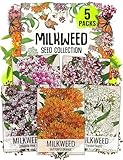
- Pollinator Attraction: Milkweed flowers are known for attracting a variety of pollinators, including bees, butterflies, and hummingbirds. They produce a sweet nectar that is particularly enticing to monarch butterflies, which lay their eggs exclusively on milkweed plants.
- 5 Packets: This collection includes Showy Milkweed Seeds (Asclepias speciosa), Pink Swamp Milkweed Seeds (Asclepias incarnata), White Swamp Milkweed Seeds (Asclepias incarnata), Orange Butterfly Milkweed Seeds (Asclepias tuberosa) & Common Milkweed Seeds (Asclepias syriaca.)
- Ecological Importance: Milkweed is crucial for the survival of monarch butterflies, providing not only nectar but also foliage for caterpillars to feed on. The presence of milkweed in an ecosystem supports biodiversity and is vital for the monarch's life cycle.
- Quality: All Milkweed seeds packaged by Seed Needs are intended for the current and the following growing seasons. All seeds are stored in a temperature controlled facility that is free of significant amounts of moisture.
- Quantity: Seed Needs offers generous quantities. You can share with friends and family, or you can save the extra seeds until the following season, if properly stored.
Its large evergreen clumps bring a distinctly Florida appearance to wet or moisture-retentive landscapes. Fakahatchee grass hosts several skipper butterflies and provides cover for birds, reptiles, and small mammals. It can look untidy after cold weather; cut it back at the end of winter if necessary. The FNPS profile provides additional habitat and moisture information.
16. Cinnamon fern (Osmundastrum cinnamomeum)
Best for: Moist shade, seepage edges, rain gardens, bioswales, and the upper edges of bay swamps. Light: Partial sun to shade. Moisture: Wet to somewhat moist. Mature size: About 3–4 feet tall and similarly wide.
Cinnamon fern is an elegant, large native fern for humid shade, with distinctive cinnamon-colored fertile fronds. It performs well in seepage conditions and on hummocks, but it is not a plant for roots that remain submerged indefinitely. It is generally deciduous in North Florida and evergreen in south-central Florida. Use it as a clue that a site has seepage or consistently moist shade, and consult the FNPS habitat profile before planting it in a dry bed.
17. Virginia iris or southern blue-flag (Iris virginica)
Best for: Moist wildflower gardens, marsh edges, floodplain gardens, and rain gardens. Light: Full sun to partial sun. Moisture: Wet to somewhat moist. Mature size: About 3–4 feet tall.
Free tools Windows power users keep installed
One-click scans. No signup required.
This showy native iris produces white or purple flowers and fits naturally into humid, wet landscapes. Its flowers are visited by pollinators and butterflies. It is not salt-tolerant, so avoid brackish water, saltwater flooding, and heavily salt-sprayed sites. The FNPS profile lists its floodplain and marsh habitats.
Native shrubs for humid residential landscapes
These shrubs work in many yards, but “adaptable” does not mean maintenance-free or suitable for every moisture level. Check their mature size before placing them beneath windows, beside air-conditioning equipment, against a foundation, or near a walkway.
5. Walter’s viburnum (Viburnum obovatum)
Best for: Native hedges, screens, foundation plantings, wildlife borders, and moist-to-dry transition zones. Light: Full sun to partial sun. Moisture: Usually moist with occasional inundation through somewhat long dry periods. Mature size: Roughly 10–15 feet tall, sometimes reaching 30 feet; smaller cultivars are available.
This adaptable native shrub has fragrant white flowers, dense foliage, dark fruits, and strong screening value. It hosts the spring azure butterfly, and its fruits feed birds and other wildlife. Walter’s viburnum can sucker and form broad clones, so give it room or select a compact named form when a restrained hedge is required. See the FNPS profile for habitat and growth details.
6. Wax myrtle (Morella cerifera)
Best for: Evergreen hedges, screens, rain gardens, bioswales, and mixed wildlife plantings. Light: Full sun to partial sun. Moisture: From wet conditions through lengthy dry periods. Mature size: Generally 10–15 feet tall, sometimes about 20 feet.
Wax myrtle is evergreen, tolerant of poor soils, and useful in both wet and comparatively dry Florida landscapes. It hosts banded hairstreak and red-banded hairstreak butterflies, while its fruits feed birds. The species is dioecious, meaning female plants are needed for fruit. It can also be flammable, so keep it away from buildings where wildfire exposure is a concern. Its potential size makes it a poor choice for a narrow foundation strip unless it is maintained or a suitable compact form is selected. More information is available from FNPS.
7. American beautyberry (Callicarpa americana)
Best for: Informal screens, woodland edges, butterfly gardens, and ordinary residential yards. Light: Full sun to partial sun. Moisture: Usually moist with occasional inundation through somewhat long dry periods. Mature size: About 4–8 feet tall and 3–6 feet wide.
Rank #3

- Country/Region Of Manufacture:Jamaica, Mpn:Florida Cranberry Indian ,Roselle,Hibisc
- Brand:Hibiscus Sabdariffa
- Model:Sorrel
American beautyberry is recognizable by its bright magenta fruit clusters and loose, natural form. It flowers from spring into fall, hosts spring azure butterflies and snowberry clearwing moths, and provides berries for many birds. It is not a swamp plant; roots that remain saturated for long periods can fail. Pruning or winter cutback can improve its shape and flowering, but fruit-bearing plants may create bird droppings near patios, cars, and walkways. See the FNPS profile.
Outdated Drivers Are Slowing You Down
One free scan finds every outdated or missing driver and matches the right update for your exact hardware.Free scan · exact hardware matchWindows Errors? Fix Them Before They Spread
Repair common Windows errors and clear accumulated junk for a smoother, more stable PC - no reinstall needed.Free scan · no reinstall8. Shiny-leaf wild coffee (Psychotria nervosa)
Best for: Shady South and Central Florida landscapes, foundation beds, understory planting, and wildlife gardens. Light: Partial sun to shade. Moisture: Usually moist with occasional inundation through short dry periods. Mature size: About 2–6 feet tall and 1.5–3 feet wide.
Shiny-leaf wild coffee offers evergreen foliage, white flowers, red fruit, and dependable performance in humid shade. It is most reliable in Zones 9A–11 or comparable South and Central Florida climates. It dislikes constant full sun and should not be placed in a hot, exposed bed simply because the air is humid. Its flowers provide nectar for butterflies and its fruit is used by birds. Despite the common name, it is not a coffee substitute. Consult the FNPS profile for regional and habitat information.
9. Firebush (Hamelia patens)
Best for: Hummingbird gardens, butterfly gardens, informal screens, and hot sunny sites in Central and South Florida. Light: Full sun to partial sun. Moisture: Somewhat moist through moderately dry conditions. Mature size: It can reach approximately 20 feet tall and 10 feet wide in favorable conditions.
Firebush produces long tubular red flowers and dark berries that attract hummingbirds, bees, and butterflies. It hosts the Pluto sphinx moth. It is cold-sensitive and may die back after freezes. Buying warning: Do not assume every plant sold as firebush is the Florida-native form. The FNPS profile warns that yellow- or orange-flowering forms are not the Florida native and reports observations of the plant naturalizing outside its traditional range. Confirm the botanical identity, flower color, and nursery provenance before planting.
10. Simpson’s stopper (Myrcianthes fragrans)
Best for: South Florida screens, parking-lot edges, roadsides, medians, and evergreen specimen planting. Light: Full sun to partial sun. Moisture: Somewhat moist without flooding through very long dry periods. Mature size: Approximately 5–20 feet tall and 3–15 feet wide.
This heat-tolerant native has evergreen foliage, fragrant white flowers, colorful orange fruit, and attractive bark. It is primarily a South Florida choice; FNPS lists it for Zones 10A–11 and notes its suitability for sandy or limestone soils. Suckers and seedlings may appear, requiring occasional management where a formal shape is desired. Flowers attract bees and butterflies, while birds eat the fruit. Check the FNPS profile before using it outside South Florida.
11. Florida anise (Illicium floridanum)
Best for: Shady, wet, acidic sites; woodland screens; stream edges; and hydric hammocks. Light: Shade. Moisture: Usually moist with occasional inundation through moderately dry conditions. Mature size: About 15 feet tall and 8 feet wide.
Florida anise combines evergreen foliage with unusual red flowers and is one of the better native choices for deep shade and humidity. FNPS lists it primarily for Zones 8A–9B and associates it with floodplain forests, seep streams, steepheads, and hydric hammocks. It is not a universal recommendation for South Florida or for dry, sunny beds. Native flies and beetles are among its pollinators. Read the FNPS profile before planting.
What’s actually slowing this PC down?
Pick the symptom - the matching free tool is one click away.
Durable natives for sun, sand, and coastal conditions
These plants demonstrate why humid air and saturated roots are different concepts. They tolerate Florida’s heat and humidity but generally perform best with drainage, sun, or periodic drying.
12. Saw palmetto (Serenoa repens)
Best for: Sunny sandy sites, dry-to-seasonally moist landscapes, naturalistic plantings, and inland or coastal wildlife habitat. Light: Full sun to partial sun. Moisture: From usually moist conditions to very long dry periods. Mature size: Commonly 3–8 feet tall, occasionally reaching about 15 feet.
Rank #4

- 🌼 “American Meadow Magic” Wildflower Seed Mix: Our signature PlantMe blend features 25 diverse wildflower varieties, specially curated to create a stunning, natural meadow right in your own backyard. Experience the magic of a flourishing, colorful ecosystem.
- 🌱Extra-Large, High-Yield Packet | 10,000+ Pure Seeds: This oversized packet contains 30 grams (over 1 oz) of premium seeds with no fillers. With 10,000+ live seeds, you have ample coverage for approximately 100 sq. ft., ensuring a thick, vibrant display.
- 🦋Pollinator Paradise & Easy “Throw & Grow”: Attract bees, butterflies, and hummingbirds with nectar-rich blooms. This easy-to-grow mix is perfect for all skill levels—simply scatter on prepared soil for a successful, low-maintenance wildflower meadow.
- ✅Guaranteed Freshness & High Germination Rate: We deliver the freshest with rigorously tested high germination rates. Packaged in a resealable, moisture-proof pouch to lock in freshness and viability for seasons to come.
- 🎁Complete Growing Kit in One Bag: Includes clear planting instructions and is beautifully designed for gifting. Perfect for birthdays, holidays, or to inspire a new gardener. Grow a piece of American meadow magic anywhere!
Saw palmetto is one of Florida’s most characteristic natives and one of the most durable choices for heat, humidity, drought, sandy soils, and moderate salt spray. It supplies food and cover for birds, mammals, reptiles, amphibians, insects, and butterflies. Its trade-offs are significant: it is slow-growing, thorny, spreading, and awkward beside paths or entrances. Dense unmanaged stands can also add to wildfire fuel in natural areas. Do not interpret coastal tolerance as permission to plant it in regularly flooded brackish soil. See FNPS salt and habitat information.
13. Coontie (Zamia integrifolia)
Best for: Low-maintenance borders, dry shade, part-sun beds, and South Florida butterfly gardens. Light: Full sun to partial sun. Moisture: Usually moist with occasional inundation through very long dry periods. Mature size: About 2–3 feet tall and 3–5 feet wide.
Quick wins for a faster PC:
Repair Windows errors before they cause bigger problemsFix Now →Scan for outdated or missing drivers - takes under a minuteDriver Scan →Coontie is an evergreen, architectural, highly durable native and a useful replacement for invasive ornamental groundcovers. It grows slowly, which makes it easier to keep in a small garden but means it will not fill a bed quickly. It is an important larval host for the atala butterfly, particularly in South Florida. Safety: The seeds, roots, and foliage are toxic; never treat the plant as edible and prevent children or pets from chewing it. The FNPS profile has additional habitat and wildlife information.
14. Muhly grass (Muhlenbergia capillaris)
Best for: Sunny borders, mass plantings, rain-resistant beds, coastal gardens, and low-maintenance ornamental grass displays. Light: Full sun to partial sun. Moisture: Usually moist with occasional inundation through very long dry periods. Mature size: About 2–3 feet tall, sometimes 4 feet, with a spread of approximately 1–3.5 feet.
Muhly grass produces clouds of pink-purple flowers in fall and tolerates a wide range of Florida conditions. It needs drainage despite its ability to handle humid weather; permanently saturated roots are a poor match. It provides shelter for small animals and seeds for birds. Use it in a sunny bed rather than a low spot that never dries, and review the FNPS profile for site details.
18. Beach sunflower (Helianthus debilis)
Best for: Coastal gardens, sandy beds, dune-like landscapes, and full-sun sites exposed to salty wind. Light: Full sun. Moisture: Usually dry through very long dry periods, depending on the subspecies. Mature size: About 1–2.5 feet tall, with stems that can spread 2–8 feet.
Do these 3 things before closing this tab:
1Scan for outdated or missing drivers - takes under a minute2Clear out junk files and repair common Windows errors3Fix the driver behind crashes, sound loss and screen glitchesBeach sunflower is one of Florida’s most useful native flowering groundcovers for hot, humid, salt-exposed locations. Florida includes east-coast, west-coast, and cucumberleaf subspecies. The east-coast and west-coast FNPS profiles caution against planting different subspecies within the same natural pollinator range because they can hybridize. East-coast forms may self-seed aggressively and require control. Flowers are primarily bee-pollinated, while seeds feed birds and small mammals. Coastal does not automatically mean tolerant of saltwater flooding; distinguish salty wind from brackish inundation.
Native Florida vines for trellises and wildlife
19. Coral honeysuckle (Lonicera sempervirens)
Best for: Trellises, fences, arbors, hummingbird gardens, and part-sun woodland edges. Light: Full sun, partial sun, or shade. Moisture: Usually moist with occasional inundation through short dry periods. Mature size: Twining stems commonly reach 12–15 feet.
Coral honeysuckle produces coral-colored tubular flowers from spring into fall and is a strong hummingbird plant. It hosts spring azure and snowberry clearwing butterflies. Provide a trellis, fence, or arbor, and expect annual trimming when it is trained on a structure. It may stay evergreen through much of Florida but can become deciduous in colder northern areas. The FNPS profile includes its regional and habitat range.
20. Purple passion vine or maypop (Passiflora incarnata)
Best for: Trellises, butterfly gardens, informal fences, and sunny or partly shaded locations. Light: Full sun to partial sun. Moisture: Somewhat moist without flooding through very long dry periods. Mature size: Sprawling stems approximately 3–10 feet long.
Purple passion vine produces large purple flowers and is an exceptional butterfly host plant. It supports Gulf fritillary, zebra longwing, crimson patch longwing, Julia heliconian, and other butterflies. The zebra longwing is Florida’s state butterfly, although winter dormancy and performance vary by region. This vine spreads through shallow stoloniferous rhizomes and may appear several feet from its original planting spot. Its tendrils can overtake slow-growing shrubs, so install it where spreading and regular trimming are acceptable. See the FNPS profile.
Best Value

- IDEAL FOR FLORIDA & GULF COAST CLIMATES: This Florida wildflower seed mix is expertly formulated for the unique conditions of the Gulf Coast, Southern Florida, and Southern Texas. Designed for USDA Zones 8-10, it withstands high humidity and temperature extremes, bringing vibrant, long-lasting blooms to warm, southern gardens.
- TALL, DIVERSE BLOOMS WITH NATIVE WILDFLOWER SEEDS: Create a stunning landscape with wildflowers that reach impressive heights of 24-36 inches. This wild flower seeds includes a rich variety of species like Baby's Breath, Four O' Clock, and Coneflower, ensuring a dynamic, colorful, and textured garden that enhances any outdoor space.
- HIGH PURITY SEEDS FOR OPTIMAL GROWTH: Enjoy robust growth with our bulk wildflower seeds, which boasts 95-99% purity and a viable seed percentage of 70-95%. These carefully selected seeds ensure excellent germination rates, leading to a flourishing garden with minimal effort.
- EASY TO GROW, MAINTAIN, & CUSTOMIZE: Achieve a vibrant garden with ease. Florida wildflower seeds is simple to establish, making it perfect for gardeners of all experience levels. With flexible seeding rates, you can customize your garden’s appearance—from a scattered, natural look to a dense, lush meadow—suiting any landscape vision.
- SUPPORTS POLLINATORS & ENHANCES BIODIVERSITY: Contribute to local biodiversity by planting this pollinator seed mix, which attracts and supports essential pollinators like bees and butterflies. This mix not only beautifies your garden but also plays a crucial role in sustaining healthy ecosystems.
Choose by Florida region—but verify the county
Florida’s climate changes substantially from Pensacola and Tallahassee to Gainesville, Orlando, Miami, and the Keys. Winter freezes, soil type, rainfall, salt exposure, and native plant communities all affect performance.
- North Florida: Red maple, Florida anise, cinnamon fern, sweetbay magnolia, Virginia iris, and coral honeysuckle are useful candidates when their moisture and light requirements match. Some tropical-leaning plants may freeze back.
- Central Florida: Walter’s viburnum, beautyberry, wax myrtle, muhly grass, firebush, Fakahatchee grass, and many of the wet-site plants can work, subject to soil and drainage.
- South Florida: Shiny-leaf wild coffee, Simpson’s stopper, coontie, saw palmetto, firebush, beach sunflower, and passion vine are especially useful choices when matched to the site.
- Coastal Florida: Beach sunflower, saw palmetto, and muhly grass are strong candidates for sunny, salt-exposed sites. Salt spray, salty soil, and saltwater flooding are separate conditions; a plant that tolerates one may fail under another.
Use the FNPS plant filters to check county, light, soil, moisture, hardiness zone, wildlife value, and salt tolerance. For South Florida coastal sites, buttonwood (Conocarpus erectus) is another native worth investigating, although it is not included in the 20 plants above; consult its FNPS profile and identify whether the site has salt spray, saline soil, or regular saltwater flooding.
Wildlife value: nectar is only one part of the picture
A wildlife garden is more effective when it offers different resources rather than a collection of plants that merely attract adult butterflies. These 20 natives provide several types of habitat:
| Wildlife resource | Plants in this list |
|---|---|
| Butterfly and moth host plants | Coontie for atala butterflies; passion vine for Gulf fritillary and zebra longwing butterflies; firebush for Pluto sphinx moth; Walter’s viburnum and beautyberry for spring azure; coral honeysuckle for spring azure and snowberry clearwing; Fakahatchee grass for skipper butterflies; sweetbay magnolia for swallowtails; red maple for several moth species. |
| Nectar, pollen, or flower visitors | Buttonbush, firebush, coral honeysuckle, muhly grass, beach sunflower, Virginia iris, and Florida anise. |
| Fruit, seed, or berry food | Beautyberry, wax myrtle, Walter’s viburnum, shiny-leaf wild coffee, sweetbay magnolia, saw palmetto, and passion vine. |
| Nesting, roosting, or protective cover | Bald cypress, Fakahatchee grass, saw palmetto, wax myrtle, beautyberry, and other dense shrubs. |
Fruit-bearing plants can bring birds and mammals close to patios, sidewalks, and vehicles, and spreading or suckering plants can move beyond their intended bed. Those are manageable trade-offs, but they should be part of the design decision rather than a surprise after planting.
Safety, size, and maintenance warnings
- Buttonbush: Its foliage is identified as poisonous to humans and livestock by FNPS. Avoid placing it where children, pets, or grazing animals can browse it.
- Coontie: Seeds, roots, and foliage are toxic. Do not allow children or pets to chew the plant.
- Firebush: Do not assume it is pet-safe. Verify current toxicity information before planting it where animals may eat ornamental plants.
- Large trees: Bald cypress, red maple, and sweetbay magnolia need space. Plan around utilities, structures, septic systems, driveways, and future canopy spread.
- Large shrubs: Buttonbush, wax myrtle, Florida anise, Simpson’s stopper, and full-size Walter’s viburnum can outgrow a narrow foundation bed.
- Thorns and flammability: Saw palmetto is thorny and spreading; wax myrtle is flammable. Keep both away from high-traffic areas or buildings when appropriate.
- Spreading plants: Walter’s viburnum can sucker, passion vine spreads by rhizomes, Simpson’s stopper can produce suckers and seedlings, and beach sunflower may self-seed aggressively in some forms.
Native status does not imply pet safety, small mature size, or zero maintenance. Low maintenance means lower routine input after the plant is established—not that the plant can be installed without watering, pruning, or thoughtful placement.
How to plant and establish Florida natives
- Assess the site first. Observe sunlight during the growing season and determine whether the soil is dry, seasonally wet, consistently moist, flooded, compacted, sandy, acidic, alkaline, or affected by salt. After construction, test whether water drains or ponds and identify buried utilities, septic components, and downspout discharge.
- Check mature dimensions. Use the plant’s mature height and spread, not its container size. Allow access for pruning and airflow. UF/IFAS recommends keeping shrubs more than 2.5 feet from a foundation; large trees require substantially more room based on their eventual canopy and roots.
- Plant near the start of the rainy season when practical. This can reduce establishment irrigation, but local water restrictions and the plant’s availability still control the timing.
- Wet the root ball and the planting hole thoroughly. A dry root ball can repel water even when surrounding soil is damp.
- Backfill with the native soil. In Florida’s sandy soils and heavy rains, filling only the hole with rich compost can create air pockets, settlement, and a contrasting soil pocket that holds or sheds water differently from the surrounding ground. Improve the broader planting area when needed rather than making a small, radically different hole.
- Mulch correctly. Apply mulch around the root zone, but keep it at least 2 inches away from the trunk, stems, and crown. Mulch piled against a plant stays wet and can encourage decay.
- Water during establishment. Newly planted shrubs need regular irrigation until their roots expand into surrounding soil. UF/IFAS describes establishment as generally taking about 5–7 months, or approximately 20–28 weeks. Water directly onto the root ball, preferably before 10 a.m. This timing guidance applies primarily to newly planted shrubs; trees, ferns, grasses, and wetland plants still need schedules adjusted to their root balls, soil, weather, and site drainage.
- Reduce irrigation after establishment. Many Florida natives need little or no routine irrigation once established, but drought tolerance is not an installation guarantee. Water in response to plant stress, rainfall, soil conditions, and applicable local restrictions rather than automatically watering every day.
Humidity-related disease problems are more likely when plants are crowded, foliage stays wet overnight, or irrigation is excessive. Give plants room for air movement, water in the morning, remove diseased material, avoid mulch against stems, and use selective pruning instead of dense shearing that creates a constantly damp wall.
Buying checklist: confirm the plant, not just the common name
- Check the complete botanical name on the label.
- Ask whether the stock is a Florida native, a nonnative ornamental, or simply a plant marketed as Florida-friendly.
- Confirm the best region, hardiness range, soil type, moisture level, and light exposure for your county.
- For firebush, ask specifically about the native form, flower color, and nursery provenance. The common name alone is not enough.
- For beach sunflower, select the subspecies appropriate to the local coast and avoid mixing different subspecies within the same natural pollinator range.
- Buy from a reputable native nursery or a source connected with Florida native plant organizations. Do not remove plants from the wild.
- Before buying a quantity for a construction or redevelopment project, confirm mature dimensions, irrigation needs during establishment, salt exposure, fire risk, and maintenance access.
The Florida Native Plant Society database is useful for narrowing choices by county, moisture, soil, light, wildlife, hardiness, and salt tolerance. UF/IFAS also provides guidance on planting, mulch, irrigation, spacing, and shrub establishment.
Frequently Asked Questions
Can I plant a Florida native in standing water?
Only if that species is adapted to prolonged saturation. Buttonbush and bald cypress are better candidates for very wet sites, while cinnamon fern and Virginia iris prefer wet or moist conditions without indefinite submersion. Coontie, muhly grass, beautyberry, saw palmetto, and beach sunflower need more drainage.
How often should newly planted Florida natives be watered?
There is no single schedule for every species or soil, but newly planted shrubs generally need regular irrigation while their roots establish. UF/IFAS describes establishment as approximately 5–7 months, or 20–28 weeks. Water the root ball directly, preferably before 10 a.m., then reduce irrigation after establishment as the plant and weather permit.
Are native Florida plants automatically safe for pets?
No. Native status says nothing about toxicity. Buttonbush foliage is identified as poisonous to humans and livestock, and coontie seeds, roots, and foliage are toxic. Verify reliable species-specific safety information before planting where pets or children may chew vegetation.
Which Florida natives are best for a coastal yard?
For sunny, salt-exposed sites, consider beach sunflower, saw palmetto, and muhly grass. However, salt spray, salty soil, and saltwater flooding are different stresses. Confirm the plant’s tolerance for the specific coastal exposure rather than relying on the phrase coastal tolerant.
Outdated Drivers Are Slowing You Down
One free scan finds every outdated or missing driver and matches the right update for your exact hardware.Free scan · exact hardware matchPC Slower Than It Used to Be?
A free scan shows the junk files, broken settings and background clutter dragging Windows down - then fixes them in one click.Free scan · Windows 10 & 11The Bottom Line
Choose the plant by the root zone, not by the humidity alone. For wet ground, start with buttonbush, bald cypress, Virginia iris, sweetbay magnolia, or Fakahatchee grass. For moist shade, consider Florida anise, wild coffee, cinnamon fern, or sweetbay magnolia. For dry sand and coastal exposure, look first at saw palmetto, coontie, muhly grass, and beach sunflower. Then confirm the regional form, mature size, salt exposure, wildlife role, toxicity, and establishment watering before planting.
Quick Recap
Product prices and availability are accurate as of the date/time indicated and are subject to change. Any price and availability information displayed on Amazon at the time of purchase will apply.




